








To the true sartorialist, the fabric is not merely a component of a garment; it is its soul. In the realm of classic menswear, the appreciation of a piece transcends color and cut. It requires an intimate understanding of the weave, the grammage, the tactile hand, and the way light interacts with the textile surface. Mastering these fifty essential fabrics is the foundational step in transitioning from a casual wearer to a connoisseur of fine tailoring, enabling one to select garments that are appropriate for the climate, the occasion, and the desired longevity.

The Science of Weave and Weight
The distinction between textiles often lies in their construction. Worsted fabrics, for instance, are created by combing long wool fibers, removing short staples to create a smoother, more durable thread. In contrast, woolen fabrics retain these shorter fibers, resulting in a fuzzier, softer, yet less durable finish. Understanding this manufacturing process—such as the difference between a plain weave and a twill—is essential for predicting how a garment will drape on the body and how it will age over years of wear.
Warm-Weather Textiles: Engineered for Breathability
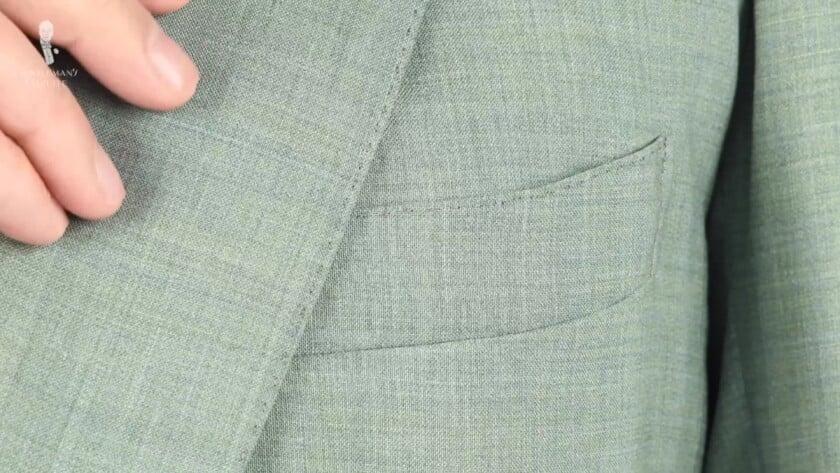
As temperatures rise, the sartorial priority shifts toward airflow and moisture management. High-twist wool, commonly known as Fresco, is engineered with tightly twisted yarns that create a porous, crisp cloth. Typically weighing between 9 and 11 ounces, it allows for constant ventilation, making it a staple for humid climates. Similarly, tropical wool, at a lighter 7 to 9 ounces, provides a refined business aesthetic without the thermal insulation of heavier materials.
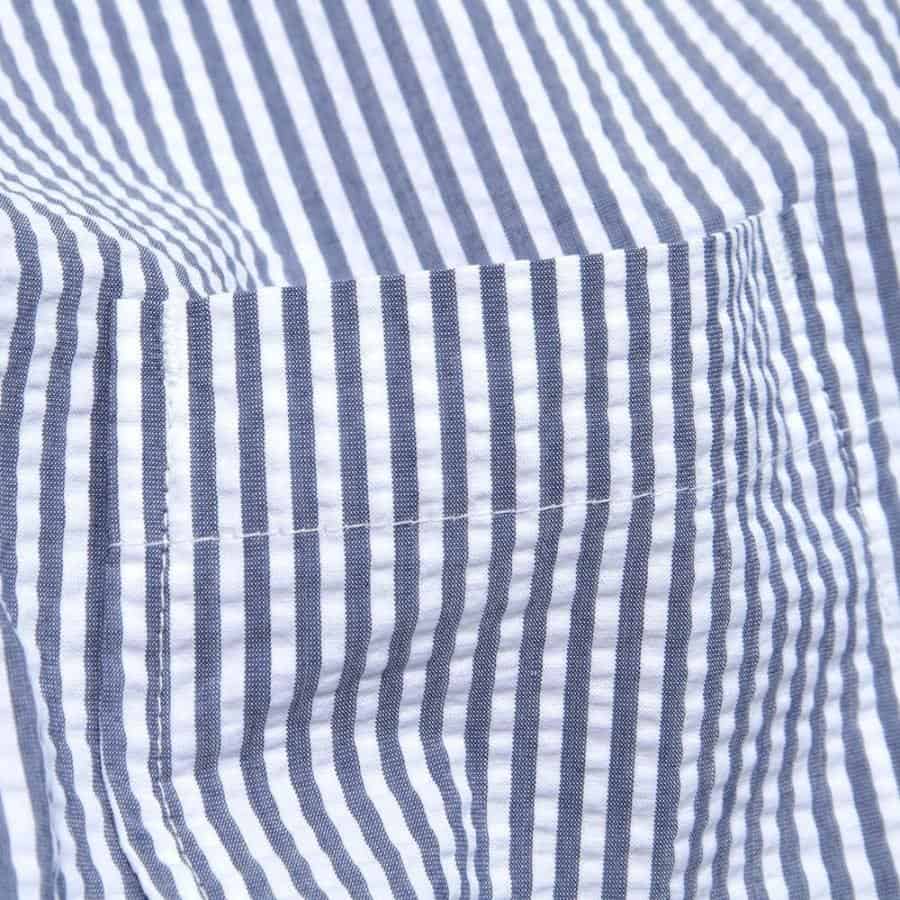
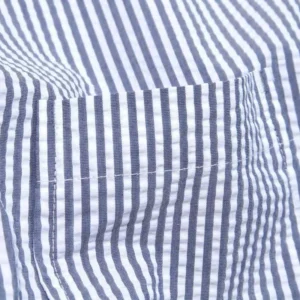
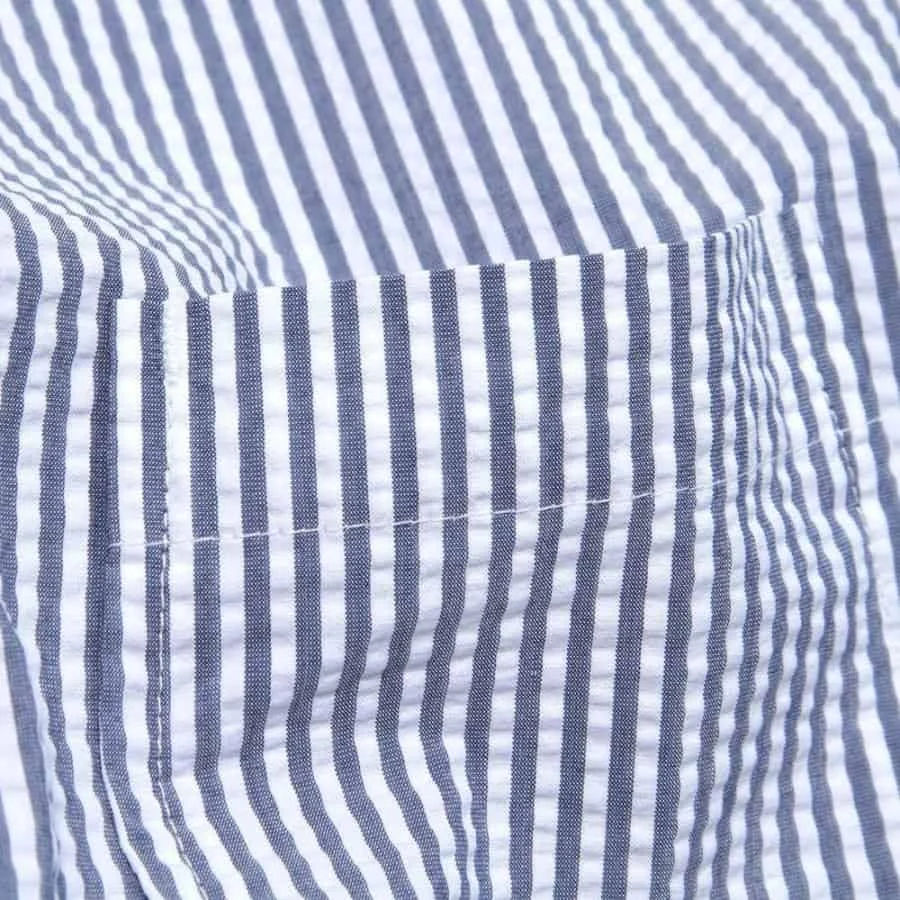
Irish linen remains the gold standard for summer, prized for its ability to absorb moisture and its iconic, if unavoidable, creasing—a hallmark of its natural fiber structure. Seersucker, meanwhile, utilizes a puckered construction to keep the fabric away from the skin, enhancing air circulation. For evening events, mohair—sourced from the Angora goat—offers a distinct, lustrous finish that resists wrinkles, ensuring a sharp appearance during summer galas where traditional wool would be stifling.

Cold-Weather Fabrics: Insulation and Structure
When the mercury drops, the focus shifts to thermal retention and protection against the elements. Melton wool, a dense and heavily felted material, serves as the industry standard for naval peacoats and heavy overcoats due to its wind-repelling properties. Camel hair, derived from the soft undercoat of the camel, provides exceptional insulation at a lower weight, making it the preferred choice for the classic polo coat.
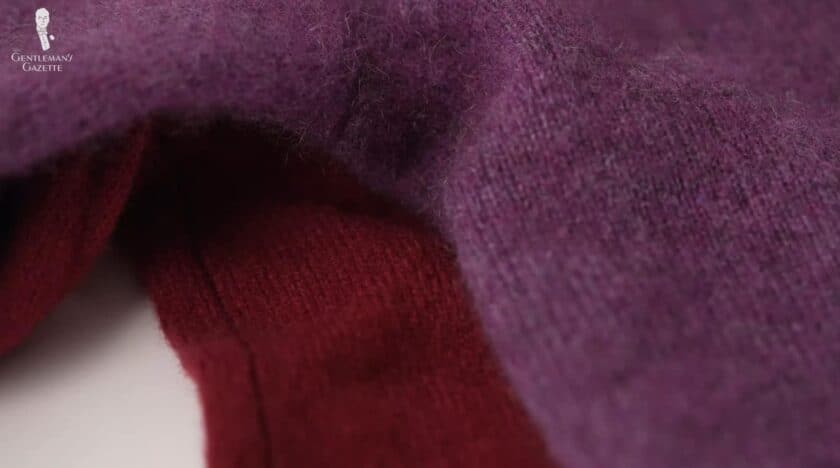
Cashmere, while celebrated for its luxurious softness, requires careful consideration. Because the fiber is exceptionally fine, it is prone to friction-related wear and pilling. It is best reserved for knitwear or garments that see moderate use, such as an evening overcoat, rather than daily-wear trousers. Shetland wool, by contrast, offers a heartier, rustic texture ideal for layering in casual winter ensembles, though its coarse nature may necessitate a base layer for those with sensitive skin.

The Role of Tweeds and Country Cloths
Tweed is the bedrock of country attire, historically developed for the rugged landscapes of the British Isles. Cheviot tweed, named for the sheep of the Cheviot Hills, is renowned for its durability and resilience. Donegal tweed, distinguished by its vibrant, multi-hued wool nepps, brings a sense of character to autumn sport coats. Harris Tweed stands as a protected heritage product; handwoven in the Outer Hebrides, it provides near-impenetrable protection against harsh weather, functioning as the ultimate utilitarian fabric for the modern hacking jacket.

Business Suiting and the Professional Wardrobe
The professional environment demands fabrics that balance visual interest with structural integrity. Hopsack, with its open basket weave, has become the definitive choice for the navy blazer, offering a blend of breathability and wrinkle resistance. For those seeking depth without overt patterns, bird’s eye or sharkskin weaves offer a subtle sophistication. Serge—a durable twill—provides the crisp, clean lines required for high-stakes business environments, while gabardine’s steep, tight weave ensures that trousers maintain a sharp crease even after long hours of travel or desk work.

Shirtings and Accessory Fabrics
The quality of a dress shirt is defined by its shirting cloth. Broadcloth, with its smooth, tight weave, remains the standard for formal events. Oxford cloth offers a more relaxed, textured look, perfect for the modern business-casual wardrobe. For neckwear, grenadine silk is unmatched; its complex, open weave provides a rich texture that elevates a simple suit. Madder-dyed silk, with its distinctive chalky, matte finish, offers a vintage, understated elegance that pairs harmoniously with tweed and other rustic wools.
Strategic Wardrobe Building
For those beginning to curate a high-quality collection, the most efficient starting point is the acquisition of two foundational garments: a navy hopsack blazer and a pair of gray flannel trousers. This combination is universally regarded as the most versatile pairing in menswear, capable of bridging the gap between casual Friday and a semi-formal meeting.

Technical and Comparative Analysis
The following table provides a quick-reference guide to these fifty essential fabrics, categorizing them by their primary function:
| Fabric | Primary Use | Characteristic |
|---|---|---|
| High Twist Wool | Summer Suiting | Breathable, wrinkle-resistant |
| Irish Linen | Summer Sport Coats | Crisp, natural creasing |
| Melton Wool | Overcoats | Windproof, heavy |
| Cashmere | Knitwear/Overcoats | High insulation, soft |
| Harris Tweed | Outerwear | Highly durable, heritage |
| Hopsack | Blazers | Airy, textured |
| Grenadine | Neckwear | Open weave, high texture |
Implications for the Modern Consumer
The trend toward "fast fashion" has historically devalued the importance of material knowledge. However, as consumers become more conscious of the environmental impact of their clothing, the shift back toward durable, high-quality, natural fibers is accelerating. Choosing a garment based on its fabric composition rather than brand marketing ensures that the piece will not only look better but will also provide a superior return on investment through longevity.
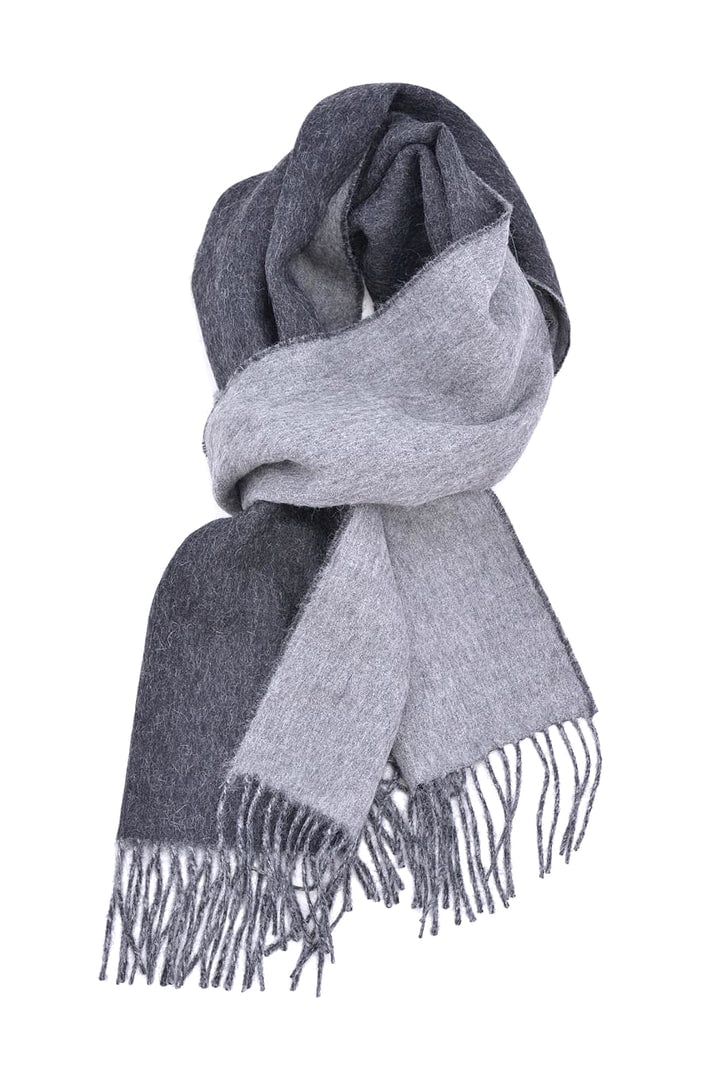
As the industry continues to evolve, the distinction between formal and casual fabrics is blurring, yet the rules of material utility remain constant. A garment’s success is determined by whether its fabric can handle the stresses of its intended environment. By prioritizing traditional weaves like drill for workwear, worsted flannel for winter trousers, and high-twist wool for summer travel, a gentleman ensures his wardrobe remains both functional and timeless.
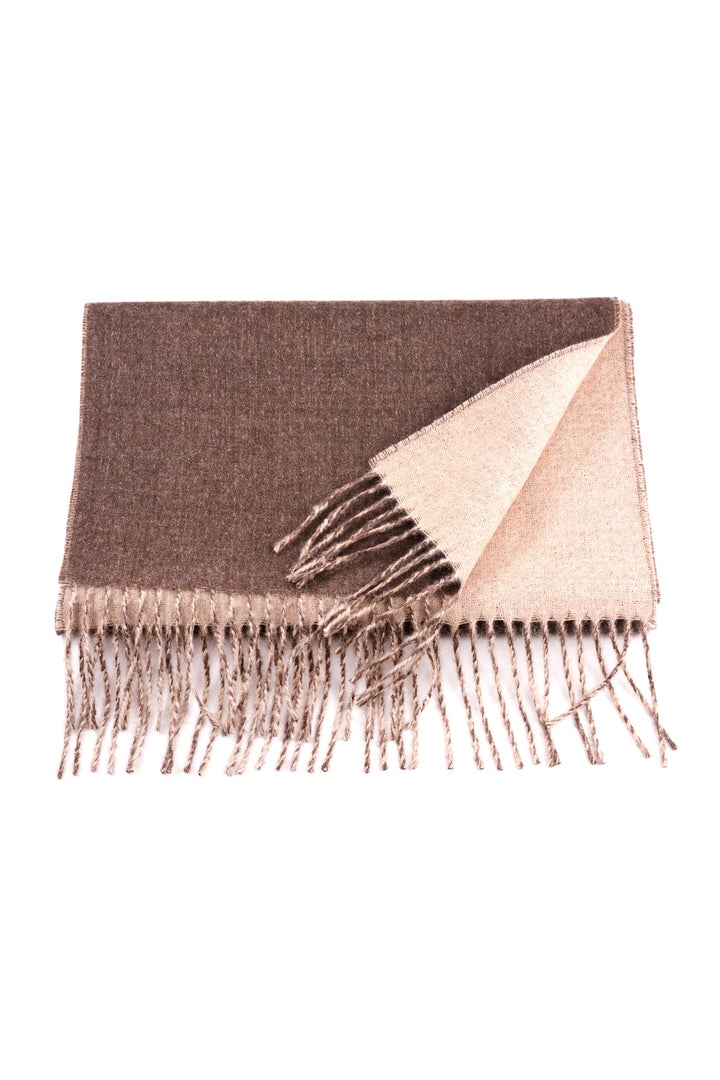
Ultimately, the study of these fifty fabrics is a pursuit of excellence. It is the recognition that the difference between a mundane garment and an heirloom-quality piece is found in the fibers, the tension of the weave, and the history embedded in the loom. In a world of disposable trends, these materials represent the permanent values of the tailoring craft.