






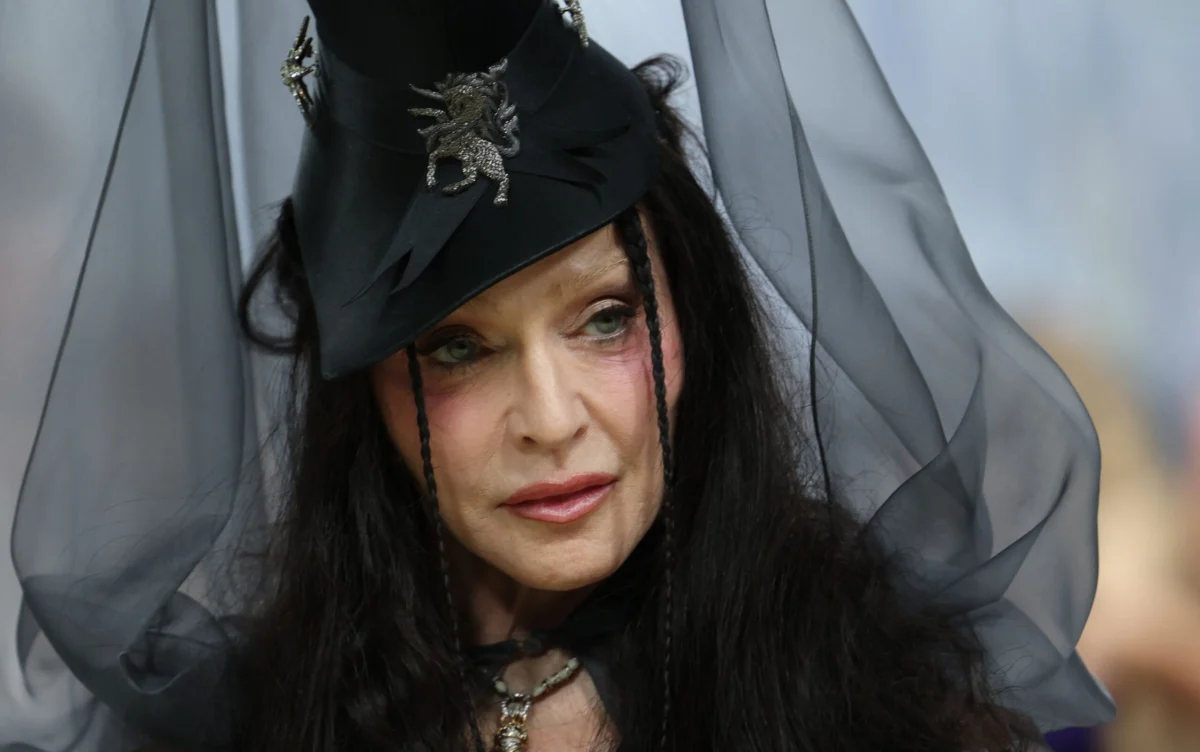
The Metropolitan Museum of Art’s Costume Institute Gala, commonly known as the Met Gala, once again served as a global stage for fashion’s most influential figures in 2026. Among the dazzling array of attendees, pop icon Madonna delivered a striking departure from her signature blonde aesthetic, unveiling a voluminous brunette wig that captivated onlookers and sparked widespread discussion. This bold hair transformation, coinciding with the anticipated release of her forthcoming album Confessions II, underscored Madonna’s enduring ability to command attention and reinvent her image, even decades into her illustrious career.
A Return to Roots, Reimagined for the Red Carpet
While Madonna’s natural hair color is indeed brunette, her public persona for the majority of her career has been inextricably linked with various shades of blonde. This deliberate shift at the 2026 Met Gala represented a significant aesthetic pivot, drawing parallels not only to her musical eras but also to her evolving artistic sensibilities. Unlike the vibrant, dance-floor-ready energy of her Confessions on a Dance Floor period, this brunette iteration carried a more introspective and artistic resonance, echoing the ethereal and transformative vibes of her Ray of Light era. This choice signaled a deliberate artistic statement, moving beyond mere stylistic preference to a more profound thematic exploration.
The intricate creation behind Madonna’s Met Gala hair was the work of renowned artisan wig maker Merria Dearman. Dearman, known for her meticulous craftsmanship and avant-garde approach, described the conceptual genesis of the wig as being “rooted in an obscure feminist artist.” This deliberate connection to a less-celebrated figure in art history speaks volumes about Madonna’s commitment to elevating and spotlighting often-overlooked narratives. The wig itself was conceptualized as “surreal, textural, and emotionally driven rather than literal,” a departure from conventional beauty standards and a testament to Dearman’s artistic vision. The emphasis, as Dearman stated, was “never about perfection. It was about feeling.”
The Genesis of an Iconic Look: From Set to Gala
The origin of this particular collaboration stemmed from a serendipitous encounter on a film set. Madonna reportedly saw a wig previously created by Dearman and immediately expressed a powerful desire, stating she “wanted—no, needed—one.” This spontaneous demand from the Queen of Pop underscores the immediate impact and artistic merit of Dearman’s work. The wig was constructed using traditional wig-making techniques, a process that demands precision, patience, and a deep understanding of hair as a medium. Dearman characterized the creative direction as “instinctive but precise,” aiming for a look that was “long, full, and rich in texture.”
While appearing almost black under the glare of the red carpet, especially when paired with the dramatic top hat, ship-inspired headpiece, and a flowing veil, the wig was, in fact, a deep, rich brunette. The subtle nuance of its color was crucial to its overall effect. Dearman elaborated that the ends of the wig were designed to “soften and diffuse like hair that has grown untouched for years.” This detail added an organic, almost timeless quality to the look, suggesting a natural evolution rather than an artificial embellishment. The illusion of age and natural growth contributed to the wig’s profound impact, making it feel less like a costume and more like an extension of a deeply considered persona.

The Met Gala: A History of Fashion and Artistry
The Met Gala, established in 1948 by Eleanor Lambert, initially served as a fundraising event for the Metropolitan Museum of Art’s Costume Institute, with tickets priced at a modest $50. Over the decades, it has evolved into one of the most exclusive and anticipated events in the fashion calendar. Hosted annually on the first Monday in May, the gala is renowned for its elaborate themes, which are dictated by the Costume Institute’s annual exhibition. The 2026 theme, though not explicitly stated in the provided context, undoubtedly guided the creative interpretations of the attendees, and Madonna’s brunette transformation served as a powerful response to its underlying artistic prompts.
The event’s guest list is curated by Vogue editor-in-chief Anna Wintour, and attendance is by invitation only, often commanding ticket prices upwards of $30,000. Celebrities, designers, and influential figures from various fields, including art, music, film, and technology, converge on the iconic steps of the Met. The Met Gala is not merely a red carpet event; it is a sartorial spectacle that generates significant cultural discourse, influences fashion trends, and raises millions of dollars for the Costume Institute’s acquisitions and exhibitions. Madonna’s consistent presence and her history of groundbreaking Met Gala looks, from her iconic Givenchy to her daring interpretations of past themes, have cemented her status as a perennial highlight of the event. Her 2026 appearance further solidified this reputation.
Styling and Thematic Resonance: Echoes of "Frozen" and Feminist Art
The masterful styling of Madonna’s brunette wig was executed by Eugene Souleiman, a celebrated hairstylist whose work has graced countless high-fashion editorials and celebrity red carpets. Souleiman sculpted the hair into textured waves, imbuing it with significant movement and a sense of organic flow. This styling choice immediately evoked memories of Madonna’s iconic look in her "Frozen" music video, a visual touchstone for many fans and a period often associated with a more mysterious and powerful iteration of the artist. The texture and depth of the hair, as described by Dearman, contributed to the overall impression of an "abstract, almost otherworldly" appearance.
The explicit inspiration from an "obscure feminist artist" provided a crucial layer of meaning to Madonna’s ensemble. The artist in question was identified as Leonora Carrington, a British-born Surrealist painter, novelist, and short story writer. Carrington’s work often explored themes of mythology, alchemy, and the female psyche, characterized by fantastical creatures, dreamlike landscapes, and a deep engagement with the mystical. This choice of inspiration aligns perfectly with Madonna’s long-standing engagement with feminist discourse, spiritual exploration, and her penchant for challenging conventional norms. By channeling Carrington, Madonna was not just making a fashion statement; she was engaging in a form of artistic dialogue, bringing the legacy of a significant but perhaps under-recognized female artist to a global platform.
The Impact of a Transformed Icon
Madonna’s ability to consistently reinvent herself is a cornerstone of her legendary career. Her decision to embrace brunette hair for the 2026 Met Gala, while seemingly a simple aesthetic choice, carries broader implications. It demonstrates a willingness to experiment and evolve, even at a stage where many artists might settle into established personas. This foray into darker tones, even if temporary, suggests a potential exploration of new creative territories for her upcoming album, Confessions II. The association with the Confessions franchise, which itself was a pivotal moment in her discography, coupled with a visual departure, hints at a rich and layered artistic project.
The immediate reaction from the fashion and music industries was overwhelmingly positive, with many praising Madonna’s daring choice and Dearman’s exquisite craftsmanship. Social media buzzed with analyses of the look, dissecting its artistic inspirations and speculating on its connection to Madonna’s future musical endeavors. The longevity of this brunette phase remains to be seen, as Madonna has historically used hair color as a fluid form of self-expression. However, the impact of this particular transformation is undeniable. It served as a powerful reminder of her status as a cultural icon, capable of setting trends and sparking conversations through her artistic choices. The 2026 Met Gala moment with her brunette wig will undoubtedly be etched into the annals of fashion history, a testament to Madonna’s unparalleled artistry and her enduring influence. The synergy between her musical trajectory, her artistic inspirations, and her visual presentation continues to be a compelling narrative in the ever-evolving landscape of pop culture.