









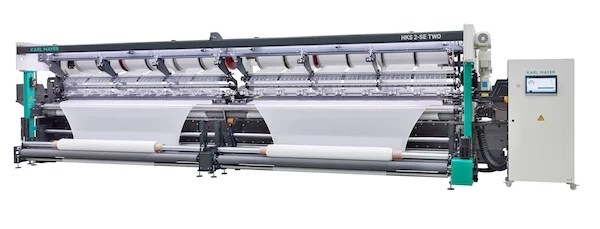
The global textile machinery landscape reached a significant milestone on July 2, 2026, as KARL MAYER, the industry leader based in Obertshausen, Germany, announced the strategic expansion of its renowned HKS 2-SE tricot machine series. This development comes at a time when the fashion and apparel sectors are undergoing a structural shift, favoring warp knitted fabrics that possess the sophisticated aesthetic of woven materials while retaining the functional advantages of high-performance knits. By introducing a new 312-inch model and an E 40 gauge variant for the HKS 2-SE TWO, KARL MAYER is directly addressing the escalating market requirements for productivity, versatility, and refined fabric quality. These innovations are poised to redefine the standards for "smart casual" and "business casual" attire, as well as broaden the application of warp knitting technology into the expansive home textile and bedding markets.
The HKS 2-SE has long been recognized as a cornerstone of KARL MAYER’s tricot machine portfolio, particularly favored for its ability to produce premium-quality stretch warp knits. These fabrics have become indispensable in modern wardrobes, offering a unique combination of freedom of movement, high breathability, and a virtually wrinkle-free nature. As the boundaries between professional and leisure wear continue to blur, the demand for fabrics that provide both a formal appearance and athletic comfort has surged. The latest updates to the HKS 2-SE series are designed to capitalize on this trend by providing manufacturers with the tools to produce fabrics with smoother, more delicate surfaces and an exceptionally soft hand feel.
Technical Innovations: The HKS 2-SE TWO in E 40 Gauge
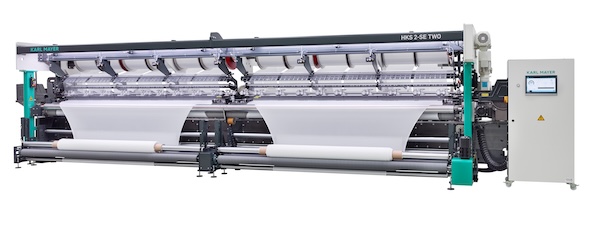
Central to this announcement is the introduction of the E 40 gauge for the HKS 2-SE TWO. This "two-in-one" machine represents a paradigm shift in production efficiency, featuring a double-width configuration that allows for the simultaneous production of two fabric panels. With a working width of 2 x 134 inches, the HKS 2-SE TWO effectively doubles the output of a standard single-bar machine while maintaining identical quality standards across both panels. The addition of the E 40 gauge—meaning 40 needles per inch—allows for an even higher stitch density, resulting in fabrics that are incredibly fine, durable, and possess a silk-like texture.
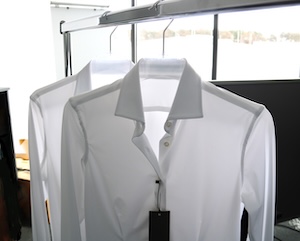
The move to E 40 gauge is particularly significant for the production of high-end polo shirts and lightweight trousers. In these applications, the fabric must maintain structural integrity while remaining thin enough to provide comfort in warmer climates. The increased needle density ensures that the stretch properties of the warp knit are balanced with a firm, stable surface that mimics the crispness of fine-count woven cotton or synthetic blends. This technical advancement allows textile manufacturers to enter the premium "hybrid classic" market, where traditional garment silhouettes are reimagined using high-performance, easy-care knitted materials.
Scaling for Scale: The 312-Inch Model and the Home Textile Pivot
In a move that signals a strategic expansion into the home textile sector, KARL MAYER has also unveiled a new HKS 2-SE model with an unprecedented working width of 312 inches. This massive increase in width—complementing the existing 130-inch and 156-inch models—is specifically engineered to meet the needs of the large-format textile market, most notably the bedding industry. The machine operates at a staggering speed of 3,800 min-1, setting a new benchmark for productivity in the manufacture of wide-width fabrics.
The primary target for this 312-inch variant is the production of high-quality duvets and bed linens. During the hot summer months, consumer demand for bedding that offers a "cool-to-the-touch" feel and a smooth, satin finish typically peaks. Warp knitted fabrics produced on the HKS 2-SE are uniquely suited for this, as they can be engineered with specific yarn combinations to enhance thermal regulation and moisture-wicking properties. By providing a machine capable of producing seamless, wide-format fabrics at high speeds, KARL MAYER is enabling manufacturers to reduce labor costs associated with sewing multiple panels together, thereby improving both the aesthetic quality and the cost-efficiency of luxury bedding.
A Chronology of Warp Knitting Evolution (2020–2026)
The development of the latest HKS 2-SE variants is the culmination of a multi-year technological roadmap focused on digitalization and mechanical precision.

- 2020–2022: KARL MAYER focused on the integration of the KAMCOS® 2 (KARL MAYER Command System), which provided a digital interface for real-time monitoring and control of machine parameters. This period also saw the refinement of the N-pattern gear drive, which remains a staple in the current HKS 2-SE models for its reliability in high-speed operations.
- 2023–2024: The "TWO" concept was introduced to address the "efficiency gap" in the textile industry, where rising energy and labor costs necessitated higher throughput per square meter of factory floor space.
- 2025: Beta testing of the 312-inch width began with select European and Asian partners to ensure mechanical stability at speeds of 3,800 min-1. Engineers focused on minimizing vibration and heat buildup in the needle bar and sinker bar assemblies.
- July 2026: The official market launch of the E 40 gauge and 312-inch variants, marking the full commercial availability of the expanded series.
Supporting Data and Economic Implications
The expansion of the HKS 2-SE series is supported by robust market data indicating a sustained CAGR (Compound Annual Growth Rate) of 5.8% in the global warp knitting market through 2030. Industry analysts suggest that the shift toward "athleisure" and "workleisure" is not a temporary trend but a permanent change in consumer behavior. Data from the 2025 Global Textile Outlook indicated that 62% of consumers now prioritize "comfort and ease of care" over traditional tailoring when purchasing professional attire.
From a production standpoint, the efficiency gains of the HKS 2-SE TWO are substantial. By producing two 134-inch panels simultaneously, manufacturers can reduce their energy consumption per kilogram of fabric by approximately 15-20% compared to operating two separate, smaller machines. Furthermore, the 312-inch model addresses the "waste-reduction" initiatives of modern textile mills. Wide-format knitting allows for more efficient pattern nesting in the cutting room, potentially reducing fabric scrap by up to 12% in large-format applications like upholstery and bedding.
Industry Responses and Strategic Alignment
Technical directors from leading textile mills in Germany, Italy, and China have expressed significant interest in the new E 40 gauge capabilities. "The ability to produce a warp knit that is indistinguishable from a high-thread-count woven fabric, but with the added benefit of four-way stretch, is a game-changer for our shirting collections," noted a representative from a major European textile consortium. "The HKS 2-SE’s reliability has always been its selling point, but these new configurations allow us to diversify our product lines without investing in entirely different machine platforms."
KARL MAYER’s management has emphasized that these updates are part of a broader strategy to provide "solutions, not just machines." By equipping the HKS 2-SE with KAMCOS® 2 and high-precision N-pattern gears, the company is ensuring that its hardware is compatible with the "Industry 4.0" requirements of modern factories, where data-driven maintenance and remote monitoring are becoming standard.
Broader Impact and Future Outlook
The implications of these developments extend beyond mere productivity. The introduction of the E 40 gauge on the HKS 2-SE TWO supports a more sustainable textile industry. Thinner, more durable fabrics require less raw material per square meter while offering a longer garment lifecycle due to their resistance to pilling and snagging. This aligns with global "circular economy" goals, where the focus is on creating high-quality products that do not need frequent replacement.
Furthermore, the expansion into the home textile market with the 312-inch model could disrupt traditional weaving dominance in that sector. Warp knitting is inherently faster than weaving, and the ability to produce "satin-feel" bedding at 3,800 min-1 could lead to a significant price democratization of luxury home textiles.
As KARL MAYER continues to roll out these new variants to global markets, the focus will likely shift toward further automation and the integration of recycled yarns into the HKS 2-SE production process. For now, the Obertshausen-based company has solidified its position as a pioneer, bridging the gap between the traditional elegance of woven fabrics and the modern performance of warp knits. The HKS 2-SE series, now more versatile than ever, stands as a testament to the enduring power of German engineering in the face of a rapidly evolving global fashion and textile landscape.