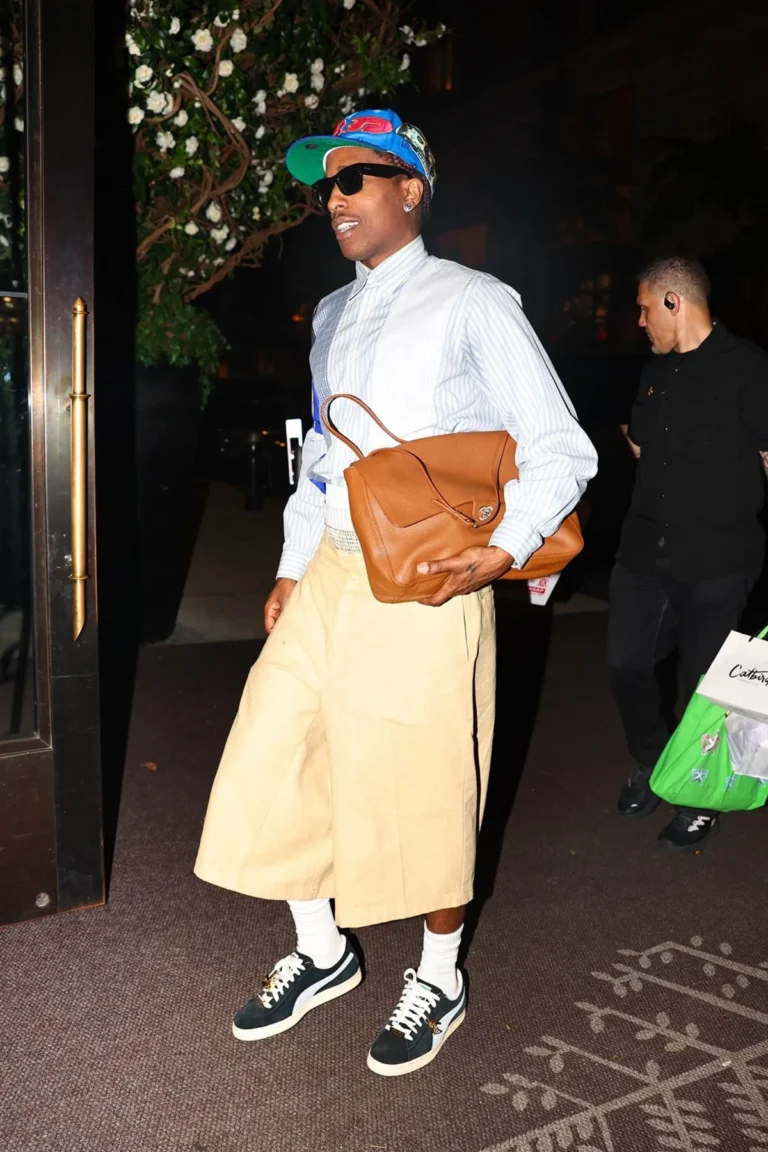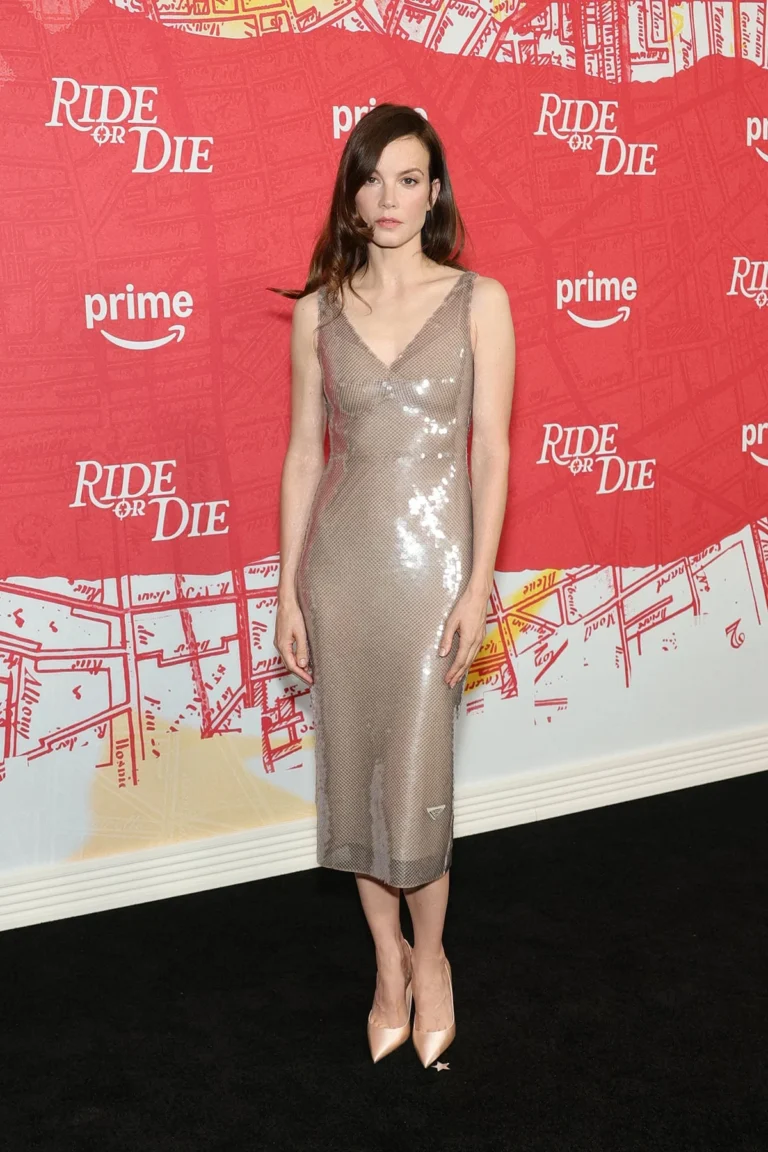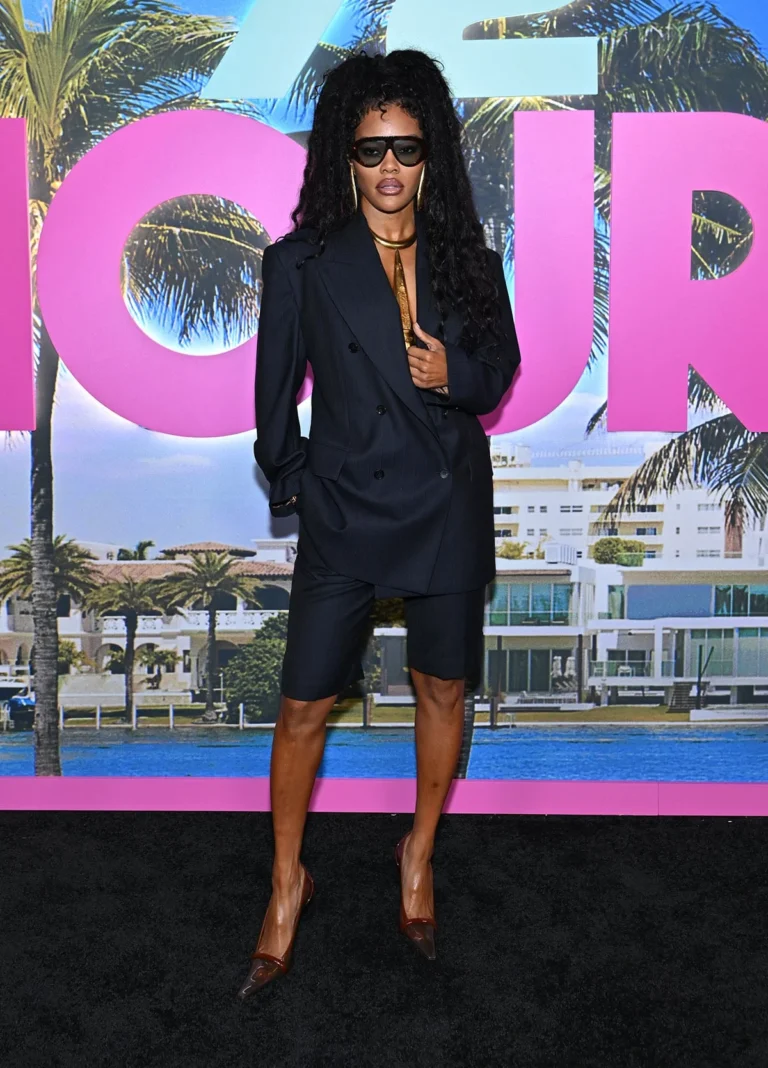







The global fashion landscape has undergone a significant transformation as the latest cycle of international red carpets, film premieres, and high-profile galas showcases a strategic shift in how luxury houses utilize celebrity ambassadors. This season, the intersection of cinema, politics, and haute couture has produced a series of definitive style moments that not only influence consumer behavior but also signal a new era of "method dressing" and archival appreciation. From the tailored precision of Celine to the avant-garde silhouettes of Rahul Mishra Couture, the current fashion circuit highlights a diverse range of aesthetic philosophies adopted by the world’s most influential figures.
The Strategic Alignment of Global Icons and Heritage Houses
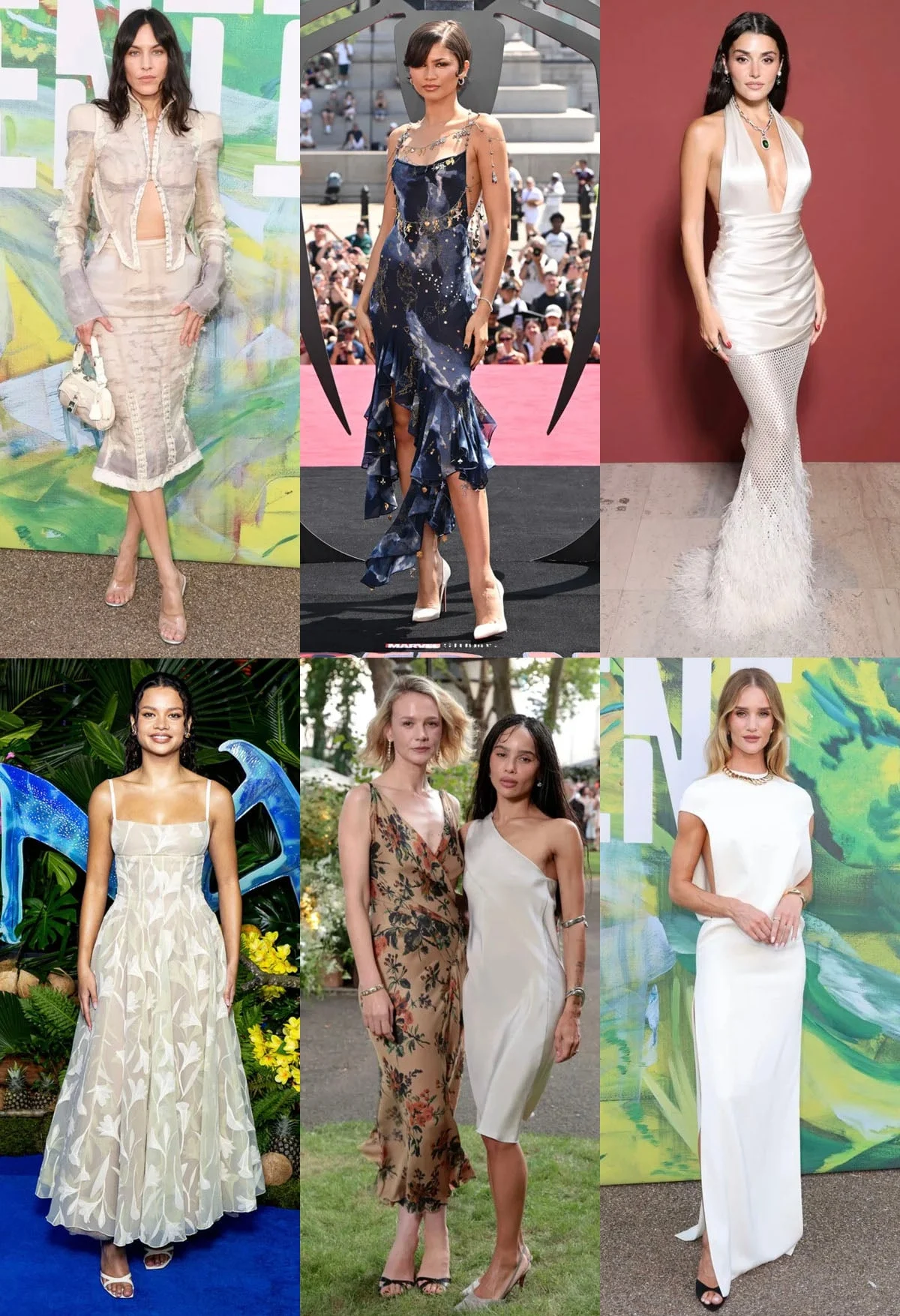
The recent appearances of high-profile figures such as Michelle Obama and Zendaya underscore the calculated nature of modern celebrity styling. Michelle Obama, whose post-White House wardrobe has been noted for its contemporary edge, recently appeared in Celine, a brand currently defined by Hedi Slimane’s fusion of Parisian classicism and rock-and-roll sensibility. This choice reflects a broader trend among public figures who seek to balance authority with modern relevance. Similarly, Zendaya, working alongside stylist Law Roach, continues to dominate the fashion narrative through a dual-pronged approach. Her appearances in both Versace and John Galliano highlight a versatility that spans from modern Italian glamour to the theatrical, historical depth of Galliano’s design language.
Industry analysts note that these appearances are rarely incidental. According to data from fashion technology platforms, a single red carpet appearance by an A-list star can generate millions of dollars in Media Impact Value (MIV). For brands like Versace, which has seen a resurgence in its archival popularity, Zendaya’s involvement acts as a bridge between the house’s storied past and a younger, digitally native demographic.
A Chronology of the Red Carpet Season
The current fashion cycle follows a rigorous timeline that begins months before a garment ever reaches the flashbulbs of a premiere.
- The Conceptualization Phase (3-6 Months Prior): Stylists and brand creative directors meet to discuss upcoming press tours and awards ceremonies. For stars like Michelle Yeoh and Maude Apatow, both recently seen in Max Mara, the focus was on the brand’s "quiet luxury" aesthetic—emphasizing fabric quality and timeless silhouettes over overt branding.
- The Fitting and Customization (1-2 Months Prior): Designers such as Georges Chakra and Teresa Helbig engage in multi-stage fittings. Catherine Laga’aia’s appearance in Teresa Helbig and Hande Erçel’s turn in Georges Chakra Couture represent the pinnacle of this bespoke process, where garments are engineered to the exact specifications of the wearer.
- The Live Event and Viral Dissemination (Real-Time): As celebrities like Milly Alcock (in McQueen) and Rachel Brosnahan (in Elisabetta Franchi) arrive at their respective events, the images are instantly analyzed by global audiences. The impact is immediate, often leading to a spike in search engine queries for the specific designers.
- The Post-Event Market Impact (1-4 Weeks After): The "red carpet effect" translates into retail demand. For accessible luxury brands like Milly or Monse (worn by Reese Witherspoon), a successful red carpet moment can lead to a sell-out of similar styles in the ready-to-wear collections.
Detailed Breakdown of Key Style Architectural Movements
The current roster of best-dressed individuals reveals several distinct sub-trends within the industry:
The New Guard of Hollywood Glamour
Milly Alcock’s choice of McQueen signals a continued interest in the brand’s legacy of structured rebellion, even as it transitions under new creative leadership. Similarly, Whitney Peak’s appearance in Chanel reinforces the house’s strategy of courting the "Gen Z" luxury consumer through young, influential talent. These choices are tactical, positioning these actors as the next generation of fashion icons.
The Rise of Regional and Emerging Designers
The inclusion of designers like Dilara Fındıkoğlu (worn by Alexa Chung) and Rahul Mishra Couture (worn by Momona Tamada) indicates a move toward a more globalized fashion perspective. Fındıkoğlu, a Turkish-British designer, is known for her subversive take on femininity, while Rahul Mishra has gained international acclaim for his intricate Indian craftsmanship. These appearances suggest that the monopoly of traditional French and Italian houses is being challenged by high-concept designers from diverse cultural backgrounds.
The Archival and Sustainability Shift
Carey Mulligan’s appearance in Donna Karan and the continued use of archival pieces by various stars highlight a growing industry-wide commitment to sustainability and "slow fashion." By reaching into the archives of established houses, celebrities are making a statement about the longevity of design, countering the "fast fashion" narrative that has dominated the retail sector for decades.
Data-Driven Insights: The Economic Impact of the Red Carpet
The financial implications of these fashion choices are substantial. Market research indicates that:
- Search Volume Spikes: Following Zendaya’s appearance in archival Galliano, global searches for "vintage Galliano" increased by an estimated 140% within 48 hours.
- Brand Sentiment: For heritage brands like Carolina Herrera (worn by Ikram Abdi and Kerry Washington), red carpet visibility maintains a high level of brand prestige, which is essential for the performance of their fragrance and beauty divisions—the primary profit drivers for many luxury houses.
- Retail Conversion: While couture pieces are not for sale to the general public, the "halo effect" significantly boosts the sales of entry-level luxury goods, such as handbags and eyewear, from the same designers.
Official Responses and Industry Perspectives
While luxury houses rarely comment on the specific financial arrangements of celebrity dressing, creative directors often speak to the "muse" relationship. In various industry forums, designers have emphasized that the modern red carpet is a collaborative art form.
"The goal is no longer just to look beautiful," noted one senior stylist who requested anonymity. "The goal is to tell a story. Whether it is Kerry Washington in Carolina Herrera representing classic American elegance or Zoe Kravitz maintaining her signature minimalist edge, the garment is a tool for personal branding and narrative control."
Stylists are now considered "architects of image," and their ability to secure the right look from the right house can define an actor’s career trajectory as much as their film roles. The synergy between the talent and the brand is now a cornerstone of the entertainment industry’s economic model.
Broader Implications for the Fashion Industry
The current trend of celebrity-led fashion cycles has several long-term implications for the industry:
- The Democratization of Haute Couture: Through social media, the exclusive world of couture is now accessible to a global audience in real-time. This has forced designers to become more visually innovative to capture attention in a saturated digital feed.
- The Globalization of Taste: With stars like Hande Erçel and Catherine Laga’aia taking center stage, the "Western-centric" view of fashion is expanding. This allows designers from Turkey, Spain (Teresa Helbig), and India (Rahul Mishra) to gain significant market share in the global luxury sector.
- The Professionalization of "The Look": The list of stars—from Rosie Huntington-Whiteley in Tom Ford to Millie Bobby Brown in Galia Lahav—shows that "the look" is a professional requirement. High fashion has become an essential component of the press junket and the promotional tour, serving as a non-verbal form of communication that reaches audiences who may never even see the film or project being promoted.
In conclusion, the recent display of sartorial excellence by figures like Michelle Yeoh, Alexa Chung, and Rachel Brosnahan is more than a superficial parade of luxury. It is a sophisticated marketing ecosystem that sustains the global luxury market, supports the craftsmanship of thousands of artisans, and defines the cultural zeitgeist. As the season progresses, the industry will continue to watch these red carpet developments as leading indicators of both aesthetic trends and economic health in the high-end retail sector.