





The intersection of celebrity influence and luxury fashion has evolved into a sophisticated multi-billion dollar marketing apparatus, where red carpet appearances serve as the primary vehicle for brand storytelling and consumer engagement. In the current fiscal year, the strategic alignment between high-profile figures and heritage fashion houses has reached a new zenith, characterized by a mix of archival revivals, custom couture, and the elevation of emerging designers. From the traditional elegance of the Academy Awards to the avant-garde displays at the Met Gala and international film festivals, the fashion choices of global icons like Jennifer Lopez, Jennie Kim, and the Princess of Wales provide a roadmap for the future of the luxury sector.
The Strategic Dominance of Heritage Houses
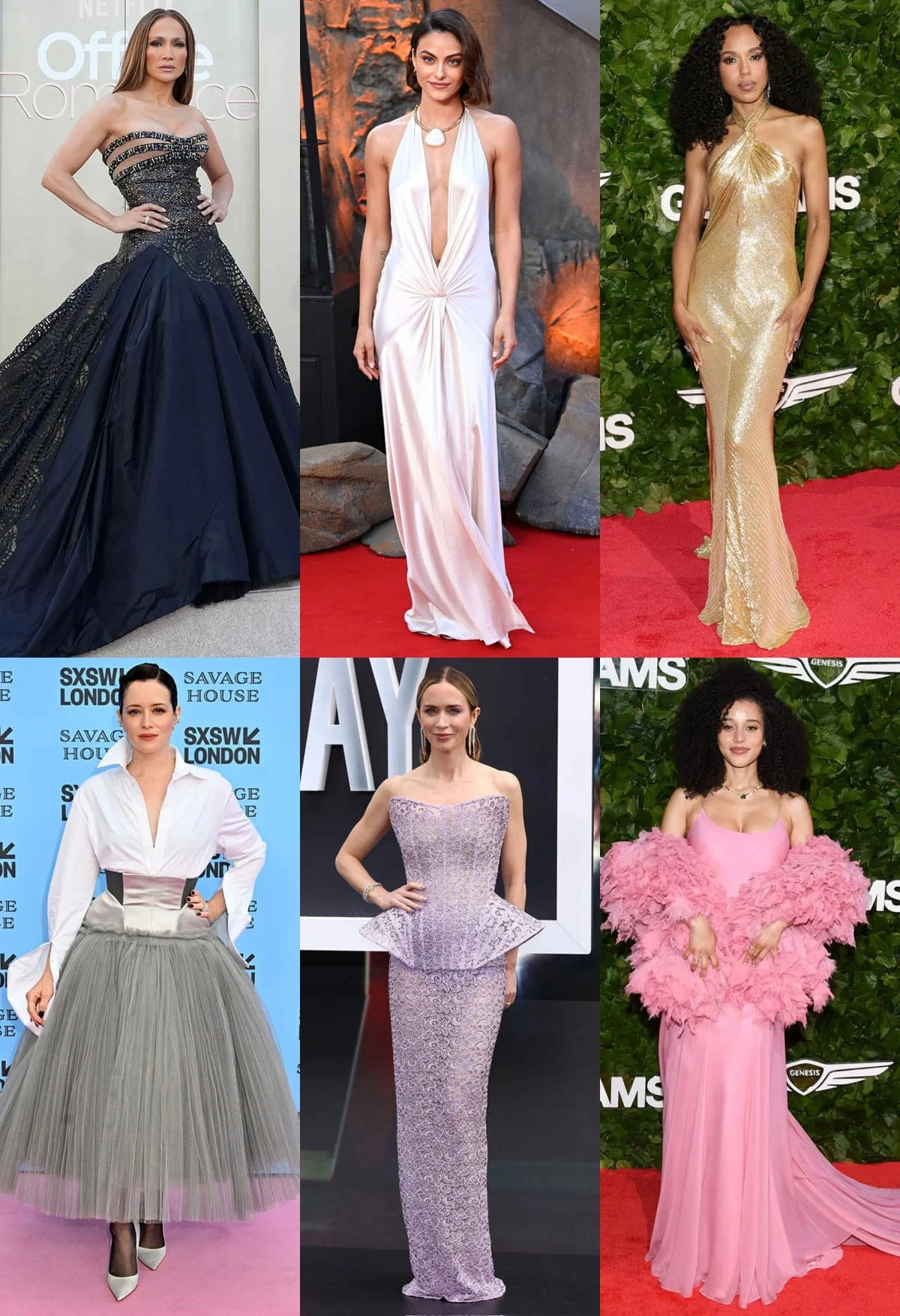
The recent cycle of global events has seen a resurgence in the dominance of "Power Houses" such as Versace and Chanel. Jennifer Lopez, a perennial figure in the fashion industry, reaffirmed her long-standing relationship with Atelier Versace, appearing in a series of custom silhouettes that emphasize the brand’s commitment to high-octane glamour and Italian craftsmanship. This partnership was mirrored by Miley Cyrus, whose appearance in Atelier Versace highlighted the brand’s ability to pivot between Lopez’s classic Hollywood allure and Cyrus’s rock-and-roll edge.
Simultaneously, Chanel has solidified its grip on the "Quiet Luxury" and "K-Pop Influence" sectors. Jennie, a member of the global phenomenon Blackpink and a long-time Chanel ambassador, continues to drive immense Media Impact Value (MIV) for the house. Her appearances in Chanel signify more than a style choice; they represent a calculated move to capture the Gen Z demographic. This strategy is complemented by the brand’s association with seasoned veterans like Michelle Pfeiffer, whose recent Chanel ensembles demonstrate the label’s cross-generational appeal. According to industry data from Launchmetrics, a single appearance by a global ambassador like Jennie can generate upwards of $4.3 million in MIV within 48 hours, illustrating the tangible economic weight of these fashion choices.
Method Dressing and the Narrative Shift
A significant trend observed throughout the 2023-2024 awards season is the rise of "method dressing," where actors align their red carpet wardrobe with the themes of their current projects. Jenna Ortega’s collaboration with Alexander McQueen serves as a prime example. Under the creative direction of the house, Ortega has embraced a gothic, architectural aesthetic that pays homage to her role in Wednesday, while simultaneously pushing the boundaries of contemporary tailoring.
Emily Blunt has also utilized this narrative approach, transitioning from the structured, period-appropriate elegance of Tamara Ralph Couture during the Oppenheimer press circuit to the sustainable luxury of Stella McCartney. This versatility allows actors to maintain a cohesive brand identity while supporting different facets of the industry, such as sustainability and independent couture.
The Business of the Red Carpet: Data and Market Impact
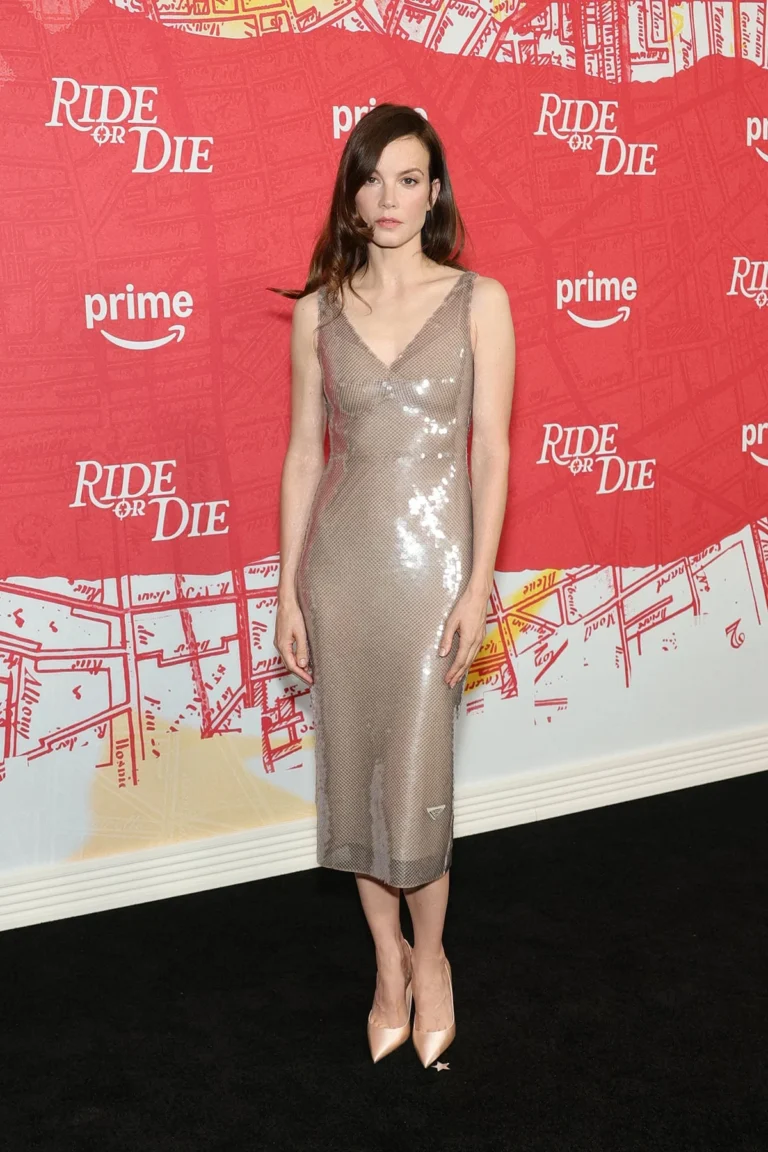
The financial implications of these fashion moments are profound. The luxury goods market, currently valued at approximately $354.8 billion globally, relies heavily on the visibility provided by the "Big Four" fashion weeks and major red carpet events. When Rosamund Pike appeared in Prada, it was not merely a personal style statement but a reinforcement of Prada Group’s 12% revenue growth in the last fiscal year, driven largely by its leather goods and ready-to-wear segments.
Supporting data suggests that consumers are 45% more likely to engage with a luxury brand after seeing it worn by a celebrity they follow. This is particularly evident in the "Camila Mendes Effect." By alternating between the whimsical, feminine designs of Anna October and the bold, provocative styles of Roberto Cavalli, Mendes appeals to two distinct consumer bases: the niche, trend-conscious buyer and the traditional luxury enthusiast. This dual-track strategy maximizes a celebrity’s marketability and a brand’s reach.
Chronology of Style: A Timeline of Key Appearances
The evolution of the current season’s fashion landscape can be traced through several pivotal moments:
- The Rise of Independent Voices (Early Season): Ayo Edebiri’s emergence as a fashion icon was cemented by her choice of Christopher John Rogers. This move signaled a shift toward celebrating Black queer designers on global stages, moving away from the safe bets of European conglomerates.
- The Return of Glamour (Mid-Season): Kerry Washington in Oscar de la Renta and Lili Reinhart in Valentino showcased a return to "Old Hollywood" silhouettes, providing a stable contrast to more experimental trends.
- The Royal Intervention (Spring): Catherine, Princess of Wales, surprised the industry by wearing Rodarte. Typically known for her patronage of British designers like Alexander McQueen or Erdem, her choice of the California-based label Rodarte indicated a broadening of her fashion diplomacy.
- The Avant-Garde Peak (Met Gala/Cannes): Claire Foy’s appearance in Matières Fécales (Fecal Matter) represented the season’s most radical departure from convention. By wearing a label known for its provocative, alien-esque aesthetic, Foy challenged the traditional boundaries of red carpet beauty.
Emerging Talents and the "New Guard"
While heritage brands command the largest budgets, the inclusion of emerging and niche designers is crucial for the industry’s vitality. Chase Infiniti’s appearance in Louis Vuitton highlights the brand’s commitment to scouting young talent under the direction of Nicolas Ghesquière. Similarly, Ellie Bamber’s choice of Calvin Klein Collection suggests a potential revival of the brand’s high-fashion aspirations, which have been somewhat muted in recent years in favor of its commercial underwear and denim lines.
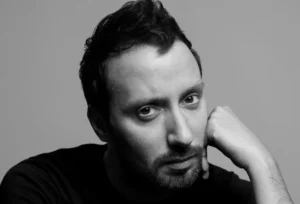
The "New Guard" is also characterized by a blending of classicism and modernism. Sarah Pidgeon’s selection of Tom Ford by Haider Ackermann is a notable example. Ackermann’s brief but impactful tenure at Tom Ford brought a sharp, intellectual edge to the brand’s signature sensuality, a move praised by critics for its sophistication. Meanwhile, Lily Rabe’s choice of La DoubleJ brought a much-needed infusion of print and color to a landscape often dominated by monochrome and metallics.
Official Responses and Industry Sentiment
While fashion houses rarely issue formal statements regarding specific red carpet "wins," the internal sentiment is reflected in contract renewals and creative director appointments. The success of Rosamund Pike’s Prada looks, for instance, coincides with the brand’s continued focus on "intellectual fashion," a niche that Miuccia Prada and Raf Simons have cultivated to great financial success.
Industry analysts note that the "celebrity-stylist-designer" triad is now more powerful than ever. Stylists like Elizabeth Stewart and Andrew Mukamal are credited with orchestrating these "fashion moments" that can revive a flagging brand or launch a new one into the stratosphere. The consensus among fashion editors is that the red carpet has become a "de facto runway," where the clothes are tested for real-world movement and photographic impact before hitting the retail market.
Broader Impact and Future Implications
The implications of these fashion choices extend far beyond the "Best Dressed" lists. They reflect broader societal shifts toward sustainability, inclusivity, and the blurring of lines between art and commerce. Jennifer Lopez’s transition from the structured Atelier Versace to the more experimental and floral-focused Richard Quinn suggests a move toward "fashion as art," where the garment is a sculpture as much as it is clothing.
Furthermore, the choice of labels like Matières Fécales by mainstream actors like Claire Foy indicates a growing appetite for subversion. As the digital landscape becomes increasingly saturated with "perfect" imagery, both celebrities and designers are looking for ways to shock and engage an audience that has become desensitized to traditional beauty.
In conclusion, the current state of celebrity fashion is a complex tapestry of business strategy, artistic expression, and cultural commentary. Whether it is the royal elegance of the Princess of Wales in Rodarte or the bold experimentation of Ayo Edebiri in Christopher John Rogers, these moments define the visual language of our time. As the industry looks toward the next fiscal year, the emphasis will likely remain on authenticity, narrative-driven dressing, and the strategic use of global ambassadors to navigate an increasingly fragmented luxury market. The red carpet is no longer just a walk; it is a global stage where the world’s most powerful brands compete for the most valuable commodity of the 21st century: attention.