



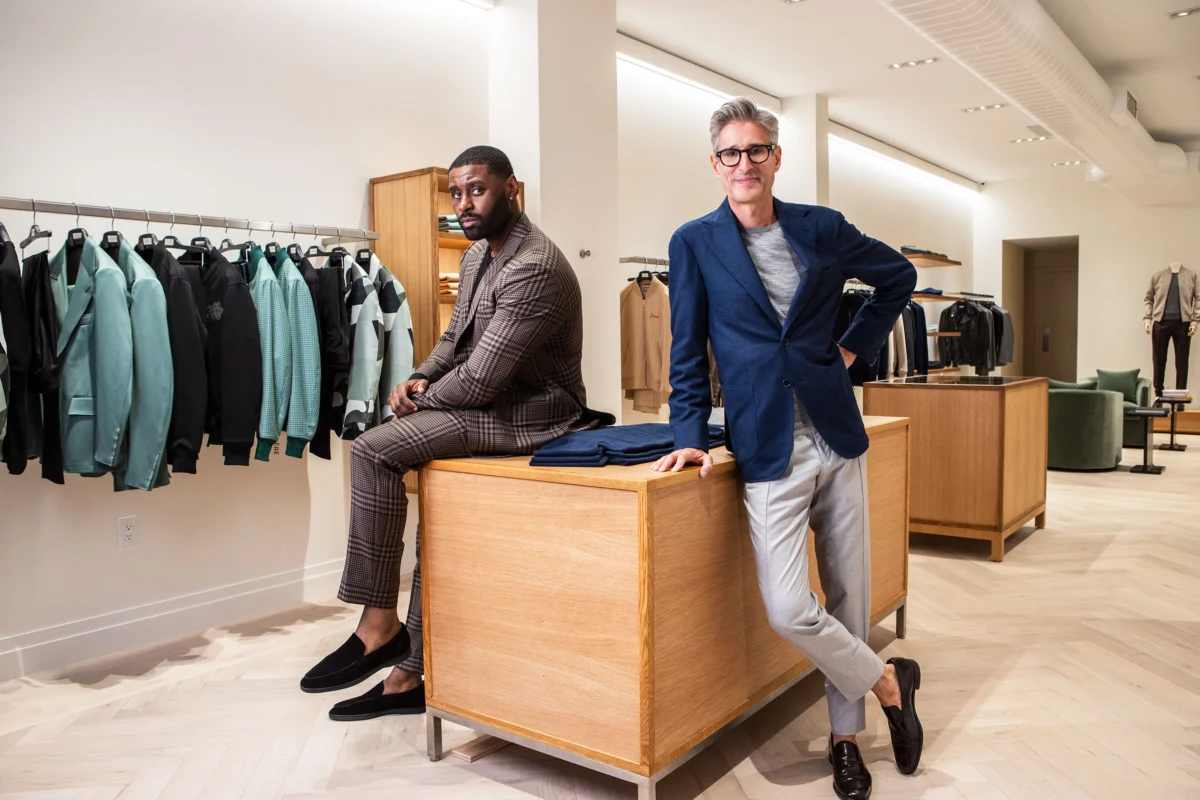
The intersection of Silicon Valley’s elite and the heights of New York’s luxury fashion scene has found a new focal point in Frère, a bespoke and ready-to-wear brand that is rapidly becoming the unofficial uniform for the world’s most influential tech leaders. While the brand only officially launched in March, it has already secured a client list that reads like a "who’s who" of global innovation and culture, including Apple CEO Tim Cook, music mogul and entrepreneur Jay Z, and Coinbase co-founder Fred Ehrsam. This momentum culminates this month with the opening of Frère’s first flagship boutique in Manhattan’s historic SoHo neighborhood, signaling a major shift in how the modern executive approaches professional attire.
Frère is positioning itself at the vanguard of the "quiet luxury" movement—a design philosophy that eschews loud logos and ostentatious branding in favor of impeccable tailoring, high-grade materials, and subtle sophistication. The brand’s offerings, which include $3,490 wool knit tracksuits and $5,990 cashmere overcoats, cater to a demographic that values exclusivity and craftsmanship over fast-fashion trends. By blending the precision of classic European tailoring with a contemporary aesthetic, Frère is successfully capturing a market of CEOs and founders who seek to project power through understated elegance.
A Leadership Pedigree: The Visionaries Behind the Brand
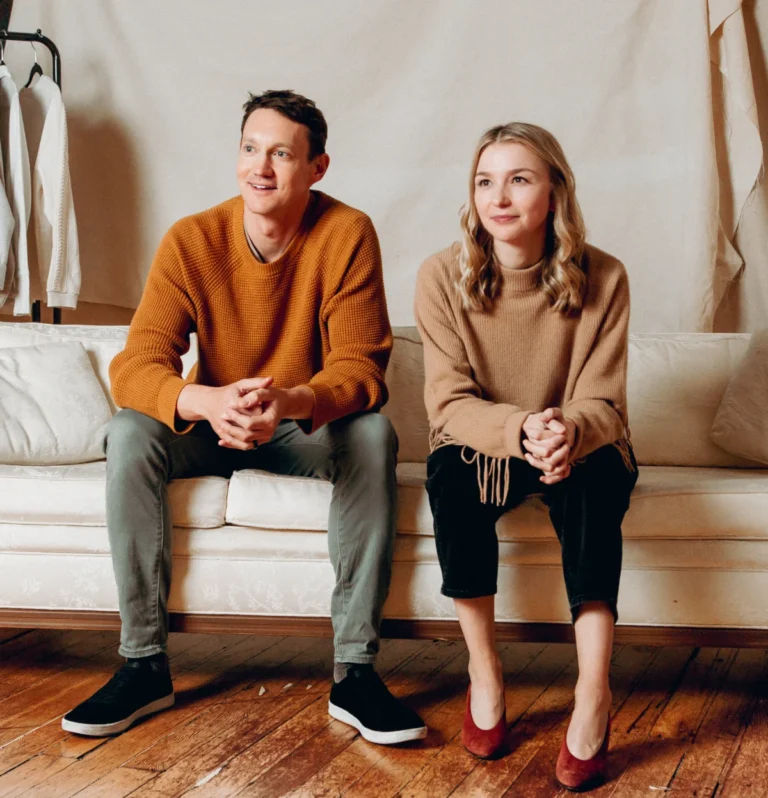
The rapid ascent of Frère is largely attributed to the complementary expertise of its co-founders, Davidson Petit-Frère and François Kress. The duo represents a strategic marriage between creative flair and seasoned corporate leadership in the luxury sector.
François Kress, who serves as the company’s CEO, brings a resume that is virtually unparalleled in the fashion industry. His career has seen him at the helm of some of the world’s most prestigious heritage brands. Kress previously served as the president of Fendi for North and South America before moving into the role of CEO and managing director for Bulgari in the same regions. His tenure also includes a stint as the president and CEO of the Prada Group in the United States. This deep institutional knowledge of the luxury supply chain, retail operations, and brand positioning has provided Frère with a professional foundation rarely seen in startup fashion labels.
On the creative side, Davidson Petit-Frère provides the brand’s aesthetic soul. Petit-Frère’s journey into fashion was unconventional; he began his career in luxury real estate, where he quickly realized the importance of the "power suit" in closing high-stakes deals. This realization led him to the world of bespoke tailoring, eventually launching Musika Frère, a brand that gained fame for its bold, sharp-shouldered suits and vibrant color palettes. After dressing global icons such as Beyoncé and NBA star Stephen Curry, Petit-Frère sought to evolve his vision into something more expansive and timeless.
"Frère blends classic tailoring with contemporary elements, allowing leaders in the world of tech and beyond to stand out subtly in environments where understated style often speaks the loudest," Petit-Frère told TechCrunch. This philosophy of "standing out subtly" is the cornerstone of the brand’s appeal to the tech community.
The Evolution of the Tech Uniform: From Hoodies to Cashmere
For decades, the "tech bro" aesthetic was defined by a deliberate lack of fashion. The archetype—characterized by Patagonia "power vests," branded startup hoodies, relaxed jeans, and functional sneakers—was a rebellion against the stiff, traditional corporate culture of Wall Street. Figures like Mark Zuckerberg and Steve Jobs famously adopted "uniforms" to reduce decision fatigue, a move that inadvertently turned the gray t-shirt and black turtleneck into symbols of digital disruption.
However, as the tech industry has matured and its leaders have become the primary architects of the global economy, the wardrobe has evolved. The current trend, often dubbed "Stealth Wealth," sees tech executives trading in their cotton hoodies for $1,000 neutral-toned knits from brands like Loro Piana and Brunello Cucinelli. This shift reflects a desire for maturity and refinement without returning to the restrictive three-piece suits of the 20th century.
Frère is entering this loop by offering garments that bridge the gap between casual and formal. The $3,490 knit tracksuit is perhaps the most salient example of this trend. It offers the comfort required for a long day of coding or back-to-back board meetings, yet the material and cut communicate a level of success that a standard cotton hoodie cannot match. Recent public appearances by Jeff Bezos and Mark Zuckerberg, featuring more tailored fits and high-end accessories like gold chains, suggest a growing appetite for individualized luxury within the sector.
The Strategic Significance of the SoHo Flagship
In an era where many direct-to-consumer brands are retreating from physical retail due to rising overhead costs, Frère’s decision to open a flagship store in SoHo is a calculated move. Located in one of the world’s premier shopping districts, the boutique serves as more than just a retail space; it is an immersive brand environment designed to educate the customer on the Frère lifestyle.
Interestingly, the brand has operated without an e-commerce platform since its March launch, with plans to debut its digital storefront later this month. This "physical-first" strategy is a hallmark of high-end luxury. By forcing the initial interaction to happen in person, Frère ensures that customers can feel the weight of the cashmere and witness the precision of the stitching firsthand.

"Beautiful products like ours need to be experienced firsthand, not just through a screen," Kress emphasized. This sentiment is backed by industry data suggesting that while luxury e-commerce is growing, over 75% of luxury purchases are still influenced by or completed in a physical store. For a brand specializing in bespoke and high-end ready-to-wear, the tactile experience is essential for justifying the premium price point.
Capitalizing on the Quiet Luxury Movement
The rise of Frère coincides with a broader cultural fascination with "Quiet Luxury," a trend amplified by television shows like Succession and social media platforms like TikTok. The movement prioritizes "investment pieces"—clothes that are designed to last a lifetime rather than a season.
Market analysts note that the luxury menswear market is currently outpacing womenswear in certain growth metrics, as men become increasingly invested in skincare, grooming, and high-end apparel. Frère’s focus on neutrals, timeless silhouettes, and exceptional craftsmanship aligns perfectly with this shift. By incorporating elements of Petit-Frère’s Haitian heritage into the designs, the brand also offers a unique cultural narrative that differentiates it from the traditional European houses.
"We saw an opportunity to reshape the menswear narrative by focusing on what will never go out of style: beautiful tailoring, timeless elegance, and exceptional craftsmanship," Kress noted. This focus on "timelessness" is a key selling point for tech leaders who value efficiency and long-term value.
Strategic Investment and the Path to Scalability
The business side of Frère is supported by a robust seed funding round that highlights the brand’s crossover appeal. The lead investor is Robert Nelsen, co-founder and managing director of ARCH Venture Partners. Nelsen is a titan in the biotech investment world, known for backing high-risk, high-reward scientific endeavors. His personal investment in a fashion brand underscores the "lifestyle" connection between high finance, tech innovation, and luxury.
"They make a helluva suit, plain and simple," Nelsen stated. "Frère blends timeless craftsmanship with a fresh perspective, and that’s what makes it stand out. For folks in tech, it’s about having style that feels personal but still professional, something that reflects who you are and where you’re going."
Nelsen is joined by a diverse group of angel investors, including Robert Hamwee of New Mountain Capital and Jay Z. The inclusion of Jay Z is particularly significant; the rapper and entrepreneur has a long history of influencing menswear trends and has successfully transitioned from streetwear icon to a symbol of "black excellence" and corporate sophistication. His backing provides Frère with immediate cultural capital that few other brands can claim.
The capital raised has been strategically deployed to build out a world-class design team and to secure the prime real estate in SoHo. The company is currently finalizing its seed round as it prepares for a broader digital and international push.
Broader Impact and Implications for the Fashion Industry
Frère’s success signals a changing of the guard in the luxury industry. For decades, the market was dominated by a handful of European conglomerates. However, the rise of Frère suggests that there is significant room for independent, founder-led brands that can speak directly to specific, high-value subcultures—in this case, the global tech elite.
The brand also highlights the increasing importance of "authenticity" in luxury. Davidson Petit-Frère’s transition from real estate to fashion, combined with his commitment to his heritage and his hands-on approach to design, resonates with a younger generation of wealthy consumers who want to know the story behind their clothes.
As Frère prepares to launch its e-commerce site and expand its ready-to-wear collection, the industry will be watching closely. If the brand can maintain its aura of exclusivity while scaling its digital presence, it may well become the blueprint for the modern luxury house: tech-backed, celebrity-endorsed, and rooted in the timeless art of the perfect fit.
The brand’s journey from a March launch to a SoHo flagship and a seed round backed by biotech billionaires and rap moguls is a testament to the power of niche positioning. In a world of fast-moving digital trends, Frère is betting that the ultimate luxury is something that takes time to make, time to wear, and a physical space to truly appreciate. For Tim Cook, Jay Z, and the next generation of leaders, that bet seems to be paying off.