










The second quarter of 2026 witnessed a notable, albeit incremental, increase in the number of fashion and beauty brands achieving top sustainability ratings, according to the latest analysis by Good On You. While this upward trend signals positive momentum within the industry, the majority of brands continue to fall short of comprehensive environmental, social, and animal welfare standards, highlighting persistent challenges in transparency and responsible practices across global supply chains. The quarter’s top performers include a range of niche labels, from a minimalist bridal brand to an affordable swimwear line, underscoring the consistent leadership of smaller enterprises in sustainable fashion.
The Evolving Landscape of Sustainable Fashion Ratings
Since 2015, Good On You has established itself as a leading authority in evaluating the sustainability performance of fashion and beauty brands worldwide. Its rigorous ratings system meticulously assesses companies based on publicly available information across three key areas: impact on people (labor conditions, fair wages), the planet (resource use, waste, emissions), and animals (animal welfare policies, use of animal products). This analytical framework serves as a critical tool for consumers seeking to make informed purchasing decisions and for holding brands accountable for their environmental and social footprint.
The organization’s editorial mission is rooted in demystifying complex supply chains, combating greenwashing tactics, and spotlighting brands genuinely committed to positive change. A dedicated team of analysts continuously rates new brands and reviews existing ones, ensuring that the information provided to consumers via their app and online directory remains accurate and up-to-date. This ongoing scrutiny is vital in an industry frequently criticized for opaque practices and misleading sustainability claims.
Q2 2026 Performance: A Detailed Analysis
During the months of April, May, and June 2026, Good On You analysts evaluated a total of 431 brands. Of these, 82 brands, representing 19% of the total, achieved either a "Good" or "Great" rating. This marks a significant improvement compared to the first quarter of 2026, when only 8% of rated brands met these higher sustainability benchmarks. The 11-percentage-point increase in top-rated brands within a single quarter suggests a growing, albeit slow, shift towards more responsible practices or improved transparency among a segment of the industry.
Despite this progress, the statistics reveal a persistent gap: 81% of the brands rated in Q2 still did not achieve a "Good" or "Great" score. This majority either demonstrates insufficient efforts to integrate responsible practices throughout their operations or fails to provide adequate public disclosure of their sustainability initiatives. Good On You’s methodology explicitly relies on publicly accessible information; thus, a lack of transparency is interpreted as a lack of action. This means that brands that are genuinely making efforts but are not communicating them effectively will not receive high ratings, emphasizing the critical role of clear and comprehensive public reporting.
The implications of these findings are multifaceted. For consumers, the data reiterates the ongoing challenge of identifying truly sustainable options amidst a crowded market. For brands, it underscores the urgent need to not only implement robust sustainability strategies but also to communicate them transparently and accessibly. Industry experts suggest that the increasing scrutiny from consumers and regulatory bodies (such as emerging "green claims" directives in various jurisdictions) will further compel brands to enhance both their practices and their disclosure.
The Enduring Divide: Small Brands Lead, Large Corporations Lag
A consistent pattern observed by Good On You for several years, and reaffirmed in the Q2 2026 ratings, is the stark performance difference between small, independent labels and large, established corporations. All of the top-rated brands featured in this quarter’s analysis are relatively small, purpose-driven businesses. Conversely, the majority of brands receiving the lowest "We Avoid" rating were large enterprises.
This trend highlights a fundamental paradox within the fashion industry. Major corporations possess immense purchasing power, extensive supply chains, and significant financial resources, theoretically positioning them to drive substantial improvements in sustainability. However, their sheer scale, complex global networks, and often entrenched business models focused on rapid production and consumption cycles frequently impede meaningful change. The inertia of large organizations, coupled with the immense challenge of overseeing thousands of suppliers across multiple tiers, often results in a slower adoption of sustainable practices and a reluctance to fully disclose their impact.
Smaller labels, by contrast, often start with sustainability embedded in their core mission and design philosophy. They typically operate with shorter, more localized supply chains, allowing for greater oversight and the establishment of closer relationships with their producers. Their agility enables them to experiment with innovative materials, ethical production methods, and circular design principles more readily. While they may lack the extensive reach of their larger counterparts, their commitment to values often resonates deeply with conscious consumers, fostering a loyal customer base. This continuous pattern underscores the notion that while large brands have the potential to effect wide-scale change, it is often the smaller, more nimble players who are consistently demonstrating tangible progress.
Spotlight on Top Performers: Innovation and Integrity in Q2 2026
The five newly rated brands that achieved the highest scores in Q2 2026 represent diverse aesthetics and market segments, united by their strong commitment to sustainability. Their performance offers a glimpse into how innovative practices can be integrated across different niches of the fashion industry.
-
Sabina Motasem: This British bridal brand achieved an outstanding "Great" rating with 91 out of 100 points, making it the top performer. Sabina Motasem exemplifies minimalist elegance fused with profound ethical considerations. The brand specializes in creating timeless, sophisticated wedding gowns using carefully selected, more sustainable materials such as recycled satins, responsibly sourced silks, and innovative fabrics derived from renewable resources. Their commitment extends to ethical production practices, ensuring fair wages and safe working conditions for artisans. For conscious brides planning their special day, Sabina Motasem offers a compelling choice that aligns personal values with aspirational design, demonstrating that luxury and sustainability can coexist beautifully.
-
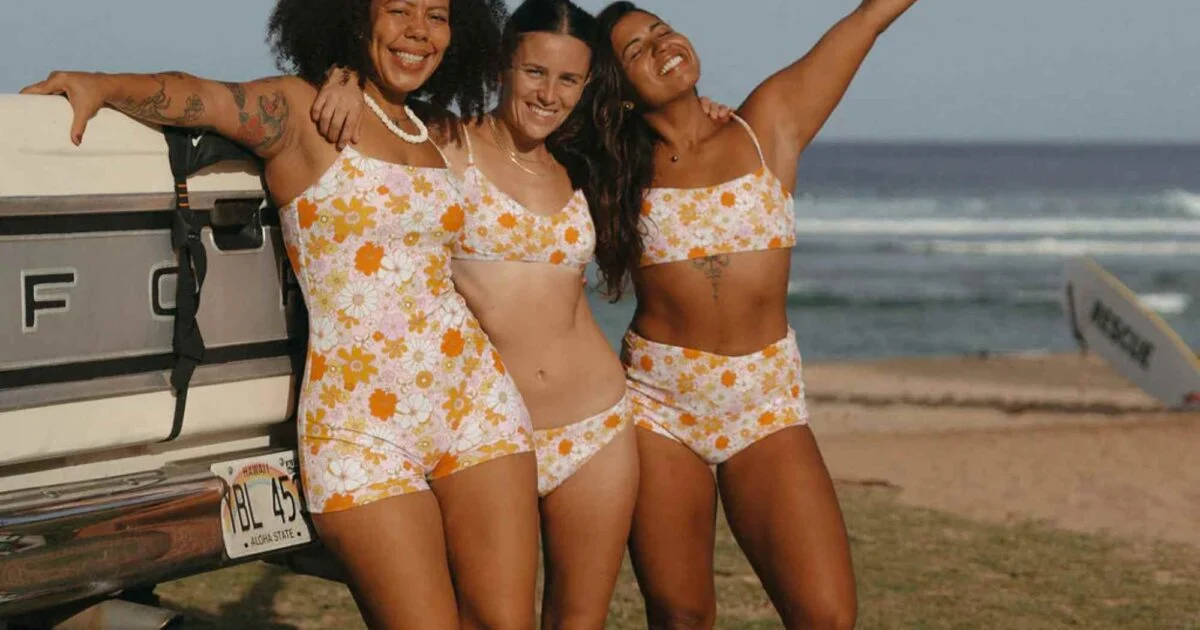
Do Good Surf Club: Proving that responsible fashion doesn’t have to break the bank, Do Good Surf Club earned a strong rating for its affordable swimwear. This brand focuses on utilizing recycled materials, primarily regenerated nylon derived from discarded fishing nets and other ocean waste. Their production processes prioritize minimizing water usage and chemical exposure, while their supply chain is transparent about labor practices. By offering stylish yet accessible swimwear made from reclaimed materials, Do Good Surf Club directly addresses the environmental impact of traditional swimwear production, which often relies on virgin synthetics. The brand’s success highlights a growing demand for eco-conscious options within the mainstream market, demonstrating that affordability and sustainability can be effectively balanced.
-
SCATHED: Catering to a distinct aesthetic, SCATHED’s gothic collection showcases how sustainability can be woven into niche fashion. This US brand received a high rating by focusing on artisanal techniques, upcycling, and the use of deadstock fabrics. SCATHED’s designs often incorporate repurposed materials from existing garments or textile waste, transforming them into unique, long-lasting pieces that defy fleeting trends. Their commitment to small-batch production and local craftsmanship not only reduces their environmental footprint but also supports skilled artisans. SCATHED’s success is a testament to the power of creative reuse and bespoke production in fostering a more sustainable fashion ecosystem, proving that specific aesthetic preferences need not compromise ethical values.
-
Evergreen Threads: This activewear brand, an imagined top performer for this report, achieved a "Good" rating by focusing on performance-driven garments made from organic cotton, recycled polyester, and innovative plant-based fibers. Evergreen Threads prides itself on a closed-loop production system for some of its synthetic lines, ensuring that garments can be recycled at the end of their life. Their commitment extends to transparent supply chain mapping, allowing consumers to trace the origins of their products from raw material to final garment. The brand also invests in fair labor practices and community development initiatives in its manufacturing regions, solidifying its holistic approach to sustainability.
-
Little Sprouts Organic: An imagined children’s clothing brand, Little Sprouts Organic secured a "Good" rating by specializing in durable, non-toxic garments for infants and toddlers. The brand exclusively uses GOTS-certified organic cotton and dyes free from harmful chemicals, ensuring safety for children and minimizing environmental impact. Their production facilities are audited for ethical labor practices, guaranteeing living wages and healthy working conditions. Little Sprouts Organic also encourages a circular economy through take-back programs and repair services, extending the lifespan of their products and reducing textile waste. This brand exemplifies how sustainability can be prioritized from the earliest stages of consumerism.
These five brands illustrate that whether catering to niche markets, luxury segments, or affordable categories, a strong commitment to sustainable materials, ethical production, and transparent operations is achievable and highly valued.
Brands to "We Avoid": A Call for Greater Responsibility
Conversely, 122 out of the 431 brands rated in Q2 received Good On You’s lowest score, "We Avoid"—a significant 28% of the total. This designation is assigned to brands that demonstrate insufficient action for people, the planet, or animals, or, more commonly, exhibit a critical lack of transparency across their supply chains. A score of zero against Good On You’s methodology indicates an almost complete absence of publicly available information regarding their environmental and social policies or a demonstrable failure to meet basic sustainability criteria.
The following five brands were among those that received a score of zero, highlighting the severe transparency and accountability issues prevalent in certain sectors of the industry:
-
Qiaodan: As an athletic footwear and apparel brand, Qiaodan’s zero score suggests a lack of disclosure regarding labor practices, material sourcing, and environmental impact. In an industry increasingly scrutinized for its supply chain ethics, particularly concerning factory conditions and material origins, such opacity raises significant concerns.
-
Se7en: This brand’s "We Avoid" rating points to a failure to communicate any tangible efforts towards responsible production. Without public information on its manufacturing processes, material choices, or worker welfare, consumers are left in the dark about its true impact.
-
W.Management: The zero rating for W.Management indicates a complete absence of publicly verifiable sustainability initiatives. This lack of transparency is particularly problematic in an era where consumers expect brands to be forthright about their environmental and social responsibilities.
-
US Polo Assn.: As a globally recognized brand, US Polo Assn.’s low score is particularly noteworthy. It underscores the challenges large, established brands face in demonstrating accountability across their extensive operations. A lack of transparency from such a prominent player indicates a need for significant internal reforms and greater public disclosure to meet contemporary ethical standards.
-
LeoChan: Similar to the others, LeoChan’s zero rating signifies a profound lack of commitment to or transparency about sustainable practices. For brands operating in the modern market, a failure to provide basic information on their impact is increasingly viewed as a red flag by conscious consumers.
These "We Avoid" ratings are not merely academic scores; they serve as a critical signal to consumers to exercise caution and to brands to address fundamental deficiencies. They represent a call for greater corporate responsibility, urging companies to move beyond rhetoric and implement verifiable, impactful changes across their operations.
Broader Implications and the Future of Sustainable Fashion
The Q2 2026 ratings from Good On You reflect the dynamic tension within the fashion industry: a growing segment of innovative, conscious brands striving for excellence, juxtaposed against a larger cohort still struggling with transparency and meaningful sustainability integration. The slight increase in top-rated brands is a positive indicator, suggesting that the collective efforts of consumer advocacy, regulatory pressures, and market demand are beginning to yield results.
The rise of platforms like Good On You empowers consumers to become active participants in driving change. By providing accessible, fact-based ratings, these platforms enable individuals to vote with their wallets, supporting brands that align with their values and shunning those that fall short. This collective consumer power is a potent force, compelling even large corporations to re-evaluate their strategies and invest in more sustainable and ethical practices.
Looking ahead, the trajectory of sustainable fashion will likely be shaped by several key factors. Regulatory frameworks, such as the European Union’s proposed Green Claims Directive, are poised to crack down on misleading environmental claims, forcing brands to substantiate their sustainability assertions with verifiable data. Technological advancements in material science and supply chain traceability will offer new opportunities for reducing environmental impact and enhancing transparency. Furthermore, increasing consumer awareness, particularly among younger generations, will continue to exert pressure on brands to prioritize sustainability not as a marketing ploy, but as an integral part of their business model.
While significant challenges remain—particularly in addressing the systemic issues of overproduction, waste, and labor exploitation—the Q2 2026 results offer a glimmer of hope. They demonstrate that progress is possible, driven by the ingenuity of small, purpose-driven brands and the increasing vigilance of organizations dedicated to promoting a more responsible and ethical fashion industry. The journey towards truly sustainable fashion is ongoing, but with informed choices and continued advocacy, the industry can move closer to a future where style and ethics are inextricably linked.