









Digital department store Freemans has officially launched a comprehensive brand overhaul, signaling a decisive move to solidify its position as the premier retailer for women over the age of 40. The strategic pivot, supported by a significant multi-million-pound marketing investment, marks the latest chapter in the company’s evolution from a traditional mail-order catalogue stalwart to a modern, digital-first department store. By integrating scientific principles of design with a high-profile celebrity-led campaign, the Bradford-based retailer is positioning itself to capture a demographic that controls the vast majority of household spending in the United Kingdom.
The relaunch, which includes a total redesign of the company’s digital interface, seeks to address the specific needs of its core customer base. The new website offers enhanced navigation and a curated, inspirational shopping experience, while simultaneously reviving a piece of the company’s heritage: the iconic handwritten F-signature, which has been absent from the brand’s visual identity since the 1950s.
A Strategic Shift in Visual Identity
In a departure from its previous aesthetic, which relied on a vibrant mango-coloured logo, Freemans has adopted a sophisticated, calming palette of deep greens and rich plums. The choice of these colours is not merely cosmetic; the company has employed applied colour psychology to enhance the digital experience. By utilizing a "signature green," the brand aims to reduce the visual processing strain often associated with screen fatigue, while the "chocolate plum" tones are intended to provide superior typographic clarity. Fluorescent highlights are used sparingly, serving only to draw the eye to essential deals and sales, ensuring that the interface remains both functional and accessible.
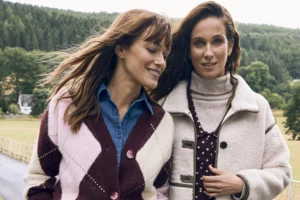
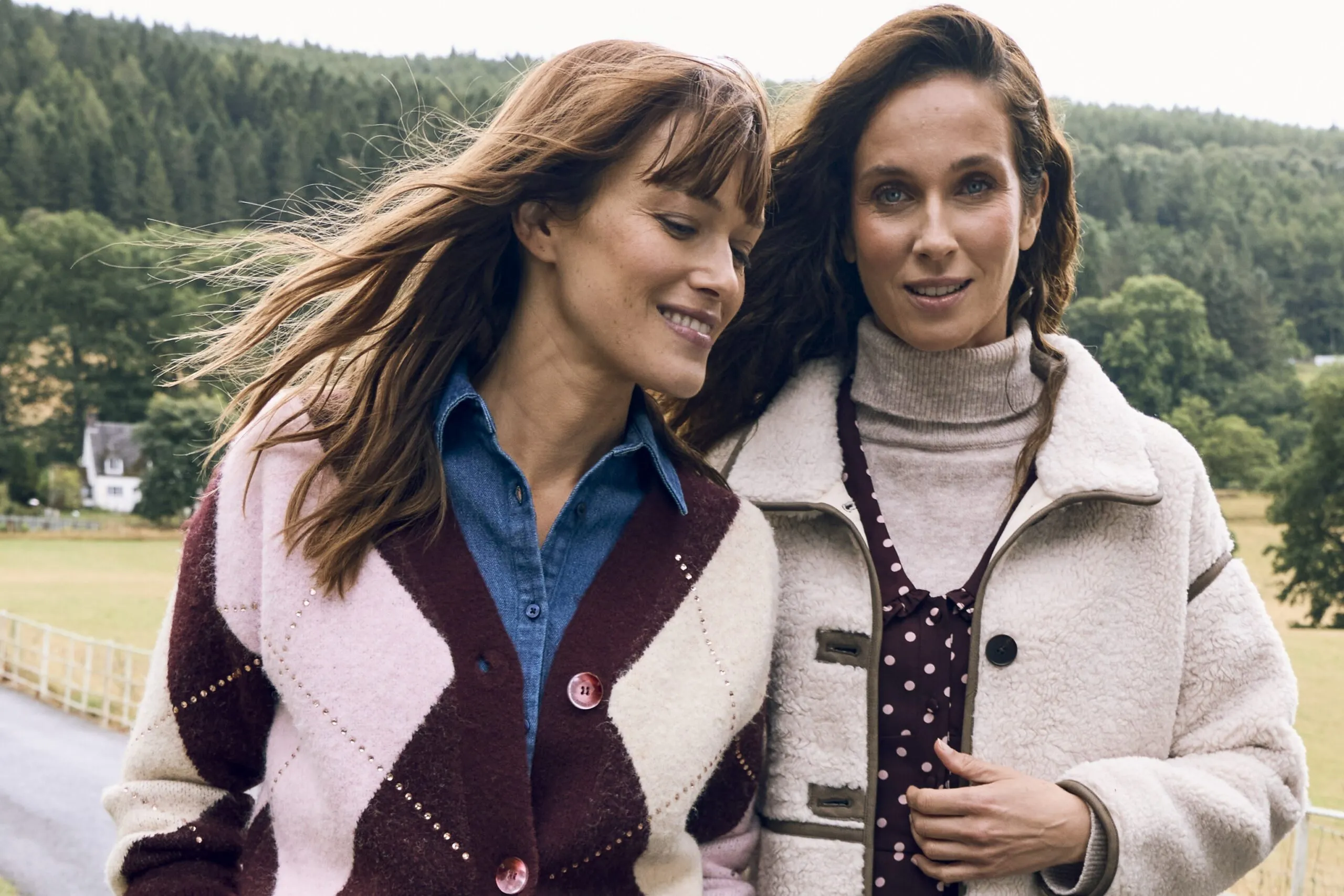
This design philosophy extends to the site’s editorial approach. The company has introduced a new style of photography that showcases a blend of own-brand collections and third-party ranges, framed by the new tagline: "Shopping is your department. And Freemans is your department store."
The Multi-Million Pound Campaign
The relaunch is being broadcast through a high-impact, multi-channel marketing campaign spanning the final quarter of the year. The campaign will feature across connected television (CTV), digital video platforms, national press, and radio. Crucially, the campaign leverages the influence of well-known female broadcasters over the age of 40, including Zoe Ball, Gaby Roslin, Kate Thornton, and Nicki Chapman.
The decision to feature these specific ambassadors is rooted in data. Freemans reports that women over the age of 40 represent a demographic that spends £92 billion annually in the UK and steers 93% of household purchasing decisions. By aligning the brand with relatable, high-profile figures, Freemans is attempting to foster a deeper connection with a demographic that the retail sector has often overlooked in its pursuit of younger, Gen Z consumers.
Chronology of a Digital Transformation
The current relaunch is the culmination of a six-year structural migration. For over a century, Freemans was synonymous with the traditional paper catalogue, a staple of British homes that empowered women to manage family finances during eras when they often lacked independent access to credit or banking.
The timeline of this transition highlights the scale of the company’s ambition:

- 1905–2021: The company operated as a pillar of the mail-order catalogue industry, with the "Catalogue Ladies" of the 1960s serving as a vital link between the brand and local communities.
- 2018–2021: Freemans began a phased withdrawal from print media, eventually retiring its traditional paper catalogue entirely three years ago after 118 years of publication.
- 2021–2024: The company focused on its digital pure-play transition, investing in backend infrastructure and the launch of a marketplace model to expand its product range.
- October 2026: The official launch of the new brand identity and website marks the end of the migration period and the beginning of a new phase focused on market expansion.
Financial Performance and Market Position
The transformation appears to be yielding results. According to the company’s latest financial accounts for the year ending 28 February, Freemans recorded a 9.4% increase in turnover, rising from £163.2 million to £178.5 million. This growth trajectory has persisted for six consecutive years, during which the retailer successfully crossed the milestone of one million active customers.
Furthermore, operational efficiency has improved significantly. The company reduced its operating loss from £12.6 million to £8.7 million, a 31% improvement. While the gross margin experienced a slight dip from 19.5% to 19.3%, the overall upward trend in turnover suggests that the shift toward a digital-first model is successfully insulating the business from the volatility that has plagued other traditional retailers.
Ownership and Future Outlook
Despite the positive momentum, Freemans remains in a period of potential transition. The company is currently owned by the German retail giant Otto Group, which has been exploring a sale of the business. While market observers have speculated on the timing and nature of such a sale, the company has not provided updates regarding the status of the process. Filings from September 2026 confirm that any potential acquisition or divestment has yet to be finalized.
Ann Steer, CEO of Freemans, addressed the rationale behind the current strategy, emphasizing that the brand’s focus remains steadfast despite broader market trends. "While much of the retail sector is focused on attracting the next generation of shoppers, we’ve remained steadfast in our commitment to a customer we know exceptionally well: women over 40, one of the most influential consumer groups in the UK," Steer said.
Analysis: Why the Over-40 Market Matters
The retail industry often fixates on the "youth market," viewing it as the primary driver of trends and long-term brand loyalty. However, the Freemans strategy highlights an often-ignored reality: the economic power of middle-aged and older women. This demographic is frequently at a stage in life where they possess higher disposable income and are responsible for the vast majority of household procurement, from fashion and homeware to gifts and essentials.
By pivoting to a "digital department store" model, Freemans is essentially digitizing the convenience that made its catalogues successful in the mid-20th century. The marketplace model allows the company to offer a wider variety of goods without the overheads of physical retail space, while the focus on user interface design addresses the friction that some older shoppers experience with cluttered, fast-fashion e-commerce sites.
The implications for the broader retail sector are clear. If Freemans continues to capture market share among women over 40, it will likely prompt other legacy retailers to reconsider their own demographic targeting. The success of the "Catalogue Ladies" of the past was built on community and trust; by leveraging digital tools to replicate this sentiment, Freemans is banking on the idea that even in a digital-first world, the core principles of retail—accessibility, trust, and brand identity—remain the most effective levers for growth.
As the company moves forward with its multi-million-pound campaign, the retail industry will be watching closely to see if this marriage of heritage, psychology, and digital innovation can sustain the company’s growth in an increasingly competitive e-commerce landscape. For now, Freemans has clearly signaled that its future lies not in chasing the trends of the young, but in serving the needs of those who command the household budget.