









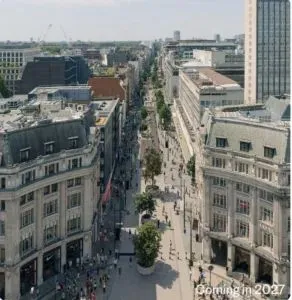
The long-awaited transformation of London’s Oxford Street officially commenced on 26 October 2026, marking a historic shift for one of the world’s most iconic retail thoroughfares. As the first phase of the pedestrianisation project moved from blueprint to reality, the property and retail sectors have largely expressed optimism, viewing the initiative as a necessary evolution to reclaim the street’s status as a premier global shopping destination. The removal of traditional traffic, including buses and taxis, represents the culmination of years of intense debate, political maneuvering, and urban planning challenges.
The Evolution of a Retail Icon
Oxford Street has served as the commercial heart of the United Kingdom for over a century. However, in the last two decades, it has struggled to maintain its luster. The rise of e-commerce, the shift toward experiential shopping, and the physical decline of the street’s infrastructure—characterized by chronic congestion and outdated streetscapes—had led many analysts to describe the area as being in a state of terminal decline.
The pedestrianisation project aims to reverse this trajectory by prioritizing the pedestrian experience. By widening footpaths, installing permanent seating, and integrating green spaces, the project seeks to move away from a "thoroughfare" model toward a "destination" model. This shift is intended to encourage dwell time, allowing consumers to transition from rapid, functional shopping trips to a more leisurely, leisure-led retail experience.
A Chronology of Change: The Road to Pedestrianisation
The journey to today’s pedestrianised landscape has been fraught with logistical and political hurdles. The concept of clearing Oxford Street of traffic dates back to the late 1990s, but it was not until the mid-2020s that a concrete plan gained enough political capital to proceed.

- 2017–2018: Early proposals for full pedestrianisation were met with significant resistance from local residents and transport authorities, who feared the displacement of traffic into surrounding residential boroughs.
- 2020–2022: The COVID-19 pandemic acted as an accelerant for the project. With footfall plummeting and the retail sector in crisis, city officials began experimenting with temporary widening and traffic management to support social distancing.
- 2024: A renewed master plan was unveiled, focusing on a phased approach that prioritized the most congested central section of the street, spanning from Marble Arch to Oxford Circus.
- 2025: Significant infrastructure works, including the rerouting of bus corridors and the finalization of delivery access windows for commercial retailers, were completed.
- 26 October 2026: The official launch of the pedestrianized zone.
Supporting Data and Economic Projections
The economic stakes are significant. Prior to the project’s commencement, data from the New West End Company indicated that Oxford Street attracted approximately 500,000 visitors daily. However, retail conversion rates had been stagnating compared to neighboring districts like Regent Street or Carnaby Street, which had already benefited from improved public realm investments.
Urban planning studies suggest that pedestrianisation can increase retail footfall by as much as 20% to 30% in the first three years post-implementation. Furthermore, property experts note that the "pedestrian premium"—the increase in commercial rental value for properties on car-free streets—could see a stabilization of prime rental rates in the area. While initial construction and transition costs were estimated to be in the hundreds of millions, the long-term tax revenue generated by increased tourism and higher-value retail occupancy is projected to provide a net positive return to the Greater London Authority over the next decade.
Official Responses and Stakeholder Sentiment
The reception from the business community has been overwhelmingly positive, albeit tempered with pragmatic concerns regarding logistics. Retailers, particularly those operating flagship stores, have praised the move for creating a safer and more pleasant environment for shoppers.
A spokesperson for a leading high-street retail conglomerate noted: "The removal of the heavy bus traffic significantly reduces noise and air pollution, making the street more inviting for families and tourists alike. We are now able to utilize the street frontage in ways that were previously impossible, effectively turning the street itself into part of our experiential footprint."
However, the hospitality and logistics sectors have raised valid points regarding the "last mile" delivery process. With private vehicles no longer allowed access during peak hours, businesses are having to adapt to strict delivery windows and off-site consolidation centers. While some logistics firms initially voiced concerns regarding the cost of these transitions, the majority have signaled that the benefits of a modernized, high-footfall environment outweigh the initial operational adjustments.
Broader Impact: The "Oxford Street Effect"
The pedestrianisation of Oxford Street is not an isolated event; it is part of a broader global trend of "de-car-bonizing" urban centers. From New York’s Times Square to Madrid’s Gran Vía, cities worldwide have demonstrated that reclaiming space for people can revitalize failing commercial districts.
The impact on London’s broader retail strategy is expected to be profound. By creating a continuous, high-quality pedestrian artery, the city is effectively linking several key cultural and retail hubs. This connectivity is expected to increase the average "basket size" of consumers, as they spend more time traversing the length of the street rather than rushing between transport nodes.
Furthermore, the environmental implications are substantial. The reduction in heavy bus and taxi traffic is expected to lead to a measurable improvement in local air quality, aligning with London’s broader net-zero climate goals. For the city’s environmental regulators, this is a landmark victory in the fight to reduce urban heat island effects and particulate matter pollution in the city center.
Challenges and Future Considerations
Despite the celebrations, the project is not without its critics. Concerns remain regarding the displacement of traffic into side streets and the impact on elderly or disabled visitors who rely on doorstep taxi drop-offs. The city has implemented a series of "mobility hubs" and enhanced shuttle services to mitigate these issues, but the effectiveness of these solutions will be closely monitored by urban planners and accessibility advocates over the coming months.
There is also the question of long-term maintenance. A pedestrianized street requires a different level of upkeep than a roadway—focusing on cleaning, landscaping, and event management. The success of the project will depend on the city’s ability to maintain a high standard of public realm management. Should the street become cluttered with unauthorized vendors or fall into disrepair, the "premium" status could quickly evaporate.
Conclusion: A New Chapter for London
As the dust settles on the opening day, the consensus among industry leaders is one of cautious but firm optimism. The pedestrianisation of Oxford Street is more than just an infrastructure project; it is a statement of intent for the future of the British high street. By prioritizing the human experience over vehicular transit, London has signaled that it intends to remain a global leader in retail, culture, and urban living.
The true test will lie in the months ahead as the project moves from its introductory phase into long-term operation. If the data holds, and if the city can effectively manage the logistical nuances, Oxford Street is well-positioned to undergo a renaissance, reclaiming its title as the undisputed shopping capital of Europe. The stakeholders have spoken, and for now, the path forward—quite literally—is clear. The challenge now is to ensure that the space remains as vibrant, diverse, and accessible as the city it represents.