









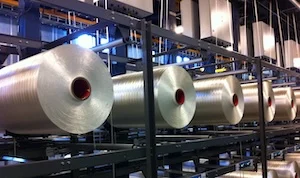
CHESHIRE, England — Fiber handling and composites technology specialist Cygnet Texkimp has announced the successful development of a new Very Heavy Duty (VHD) creel solution, a pioneering piece of engineering capable of managing 500kg packages of fiber. This innovation, developed as part of a strategic industry collaboration, marks a significant milestone in the carbon fiber manufacturing sector, aiming to drastically enhance operational efficiency and meet the rising global demand for high-performance composite materials. The development represents a substantial leap from the existing industry standard, which has relied on fiber packages weighing approximately 350kg for over a decade. By increasing package capacity by more than 40 percent, Cygnet Texkimp is addressing the critical need for longer continuous run cycles and reduced operational downtime in the production of carbon fiber.
A New Benchmark in Fiber Handling Technology
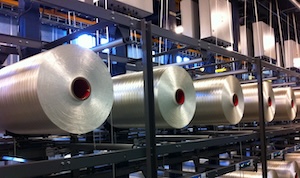
The introduction of the 500kg VHD creel is designed specifically to handle polyacrylonitrile (PAN) precursor fiber, the primary raw material used in the production of carbon fiber. In a typical carbon fiber production line, these large bobbins of precursor fiber must be unwound with extreme precision before entering the oxidation and carbonization stages. The ability to handle 500kg packages allows manufacturers to extend the duration of their production runs significantly.
Historically, the carbon fiber industry has been constrained by the physical limits of fiber packages. For years, the 350kg bobbin was considered the upper limit of manageable weight for standard creel systems. However, as the global demand for carbon fiber expands across the aerospace, automotive, and renewable energy sectors, the pressure to optimize throughput has never been higher. The new VHD creel system from Cygnet Texkimp allows for a higher volume of material to be processed without the frequent interruptions required for package changeovers. This transition is expected to provide a competitive edge to manufacturers looking to scale up their operations while maintaining high standards of quality and consistency.
Technical Specifications and Engineering Excellence
The 500kg VHD creel is not merely a larger version of its predecessors; it incorporates sophisticated engineering to manage the immense weight and momentum of half-ton fiber packages. One of the primary challenges in handling such large bobbins is maintaining consistent tension. Even slight fluctuations in tension during the unwinding process can lead to fiber breakage or inconsistencies in the final carbon fiber product, which can be catastrophic in high-stakes applications like aerospace components or pressure vessels.
To mitigate these risks, Cygnet Texkimp has equipped the system with an advanced electronic tension control system. This system utilizes a closed-loop dancer arm mechanism, which constantly monitors the tension of the fiber as it is drawn off the bobbin. By making real-time adjustments, the mechanism ensures near-constant tension regardless of the package’s diminishing diameter or the speed of the production line.
Furthermore, the physical handling of 500kg bobbins presents logistical and safety challenges for factory operators. To address this, the solution includes an operator-managed lifter-loader system. This specialized equipment is designed to safely unload packages from the winding system and load them onto the creel with minimal manual effort. For facilities seeking even higher levels of efficiency, Cygnet Texkimp offers bespoke handling solutions that incorporate advanced automation, further reducing the reliance on manual labor and minimizing the risk of workplace injuries associated with heavy lifting.
The Evolution of Carbon Fiber Production: A Chronology of Capacity
The development of the 500kg VHD creel is the latest chapter in a decades-long evolution of carbon fiber manufacturing technology. Understanding the significance of this leap requires a look at the trajectory of the industry:
- The Early Era (1970s – 1990s): Carbon fiber production was largely a niche endeavor, primarily serving the high-end aerospace and defense sectors. Fiber packages were relatively small, often weighing less than 50kg, as the focus was on material properties rather than mass-market volume.
- The Standardization Phase (2000s – 2010s): As applications for carbon fiber expanded into commercial aviation (e.g., the Boeing 787 Dreamliner and Airbus A350), the industry moved toward larger 250kg to 350kg packages. During this period, Cygnet Texkimp established itself as a market leader, deploying over 70 VHD creels globally, which currently process more than 24,000 bobbins of fiber.
- The High-Volume Industrial Shift (2020 – 2025): The rise of electric vehicles (EVs), large-scale wind turbine blades, and hydrogen storage tanks necessitated a shift toward "industrial grade" carbon fiber. This often involves higher tow counts, such as 24k or 48k fibers, which require faster line speeds and more robust handling systems.
- The 500kg Breakthrough (2026): Recognizing that the 350kg limit was becoming a bottleneck for the next generation of "mega-factories," Cygnet Texkimp initiated the development of the 500kg system to support the industry’s transition toward sovereign manufacturing capabilities and unprecedented economies of scale.
Strategic Insights from Cygnet Texkimp
Peter Stevenson, Director of Projects at Cygnet Texkimp, emphasized that this technological advancement was driven by direct consultation with global industry leaders. "A 500kg bobbin offers an immediate win over a 350kg bobbin in terms of line efficiency by extending the length of continuous operation that can be achieved," Stevenson stated. "The creel also supports the work of manufacturers to process higher tow count fibers, such as 24k or 48k tows, and achieve faster line speeds by increasing the size and weight of the PAN precursor bobbin."
Stevenson also highlighted the geopolitical and economic drivers behind the technology. "We’ve developed this new capability as part of our ongoing consultation with the industry and driven by sustained growth in carbon fiber production capacity globally. In particular, the technology addresses the needs of a growing number of high-volume industrial applications around the world, many of which are designed to establish new sovereign capability."
The mention of "sovereign capability" refers to a growing trend where nations are investing in domestic carbon fiber supply chains to ensure national security and economic independence. As carbon fiber becomes a critical material for energy infrastructure and defense, the ability to manufacture it efficiently on home soil has become a strategic priority for many governments.
Economic Implications and Industry Impact
The shift to 500kg packages is expected to have a profound impact on the unit economics of carbon fiber production. In a continuous manufacturing process like carbonization, every time a bobbin runs out, a new one must be spliced in. While automated splicing technology exists, each changeover represents a point of potential failure and a moment of reduced efficiency.
By moving from 350kg to 500kg bobbins, manufacturers can reduce the number of changeovers by approximately 30 percent. This reduction leads to:
- Lower Labor Costs: Fewer manual interventions are required to manage the creel room.
- Reduced Material Waste: Splicing often results in a small amount of "off-spec" fiber that must be discarded. Fewer splices mean less waste.
- Increased Annual Throughput: Over the course of a year, the minutes saved during each changeover aggregate into days of additional production time.
Industry analysts suggest that this technology will be particularly beneficial for the burgeoning hydrogen economy. High-pressure hydrogen storage tanks require vast quantities of carbon fiber, and the cost of the fiber remains a significant barrier to the widespread adoption of hydrogen-powered transport. Efficiency gains in the precursor stage, facilitated by Cygnet Texkimp’s new creel, could play a role in driving down the overall cost of these storage solutions.
Market Context: The Global Demand for Composites
The release of the 500kg VHD creel comes at a time when the global carbon fiber market is projected to grow at a compound annual growth rate (CAGR) of 10-12% through the end of the decade. This growth is fueled by several factors:
- Aerospace Recovery and Expansion: Post-pandemic travel demand and the push for more fuel-efficient aircraft are driving a resurgence in composite-heavy airframes.
- Automotive Light-weighting: As EV manufacturers seek to extend battery range, reducing vehicle weight through carbon fiber components has become more attractive.
- Wind Energy: Next-generation offshore wind turbines feature blades exceeding 100 meters in length, which require carbon fiber reinforcements for stiffness and weight reduction.
- Infrastructure: Carbon fiber is increasingly used in the reinforcement of aging bridges and buildings, offering a corrosion-resistant alternative to steel.
Cygnet Texkimp’s position as a dominant supplier of creel technology puts them at the center of this expansion. With more than 70 VHD creels already in operation globally, the company’s latest offering is likely to become the new standard for greenfield carbon fiber plants currently under construction in North America, Europe, and Asia.
Future Outlook and Automation
Looking ahead, the integration of the 500kg VHD creel is expected to coincide with the broader "Industry 4.0" movement. Cygnet Texkimp is already exploring ways to further automate the fiber handling process, including the use of Automated Guided Vehicles (AGVs) to transport 500kg bobbins from the warehouse directly to the creel loader.
By combining massive weight capacity with digital monitoring and robotic handling, the carbon fiber factory of the future will be capable of running with minimal human intervention, maximizing both safety and output. The 500kg VHD creel is a foundational component of this vision, providing the physical infrastructure necessary to support the high-speed, high-volume production demands of the late 2020s.
As manufacturers begin to adopt this new technology, the focus will likely shift toward optimizing the next stages of the production line—such as the oxidation ovens and carbonization furnaces—to keep pace with the increased volume of fiber being fed by Cygnet Texkimp’s latest innovation. The Cheshire-based company has once again demonstrated its ability to anticipate industry bottlenecks and provide engineering solutions that move the entire composites sector forward.