









The Genesis of Alta and the Clueless Inspiration
For decades, the 1995 film Clueless served as the North Star for fashion technology. The scene in which protagonist Cher Horowitz uses a desktop computer to cycle through her wardrobe and "match" outfits became a cultural touchstone for what the future of shopping could look like. However, for nearly thirty years, the technical infrastructure required to realize this vision—high-fidelity 3D modeling, rapid image processing, and personalized data sets—remained out of reach for the average consumer.
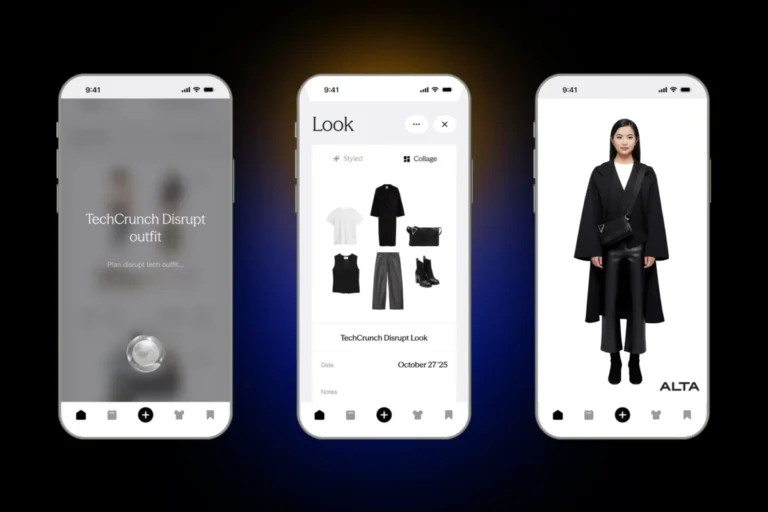
Jenny Wang founded Alta to bridge this gap. By leveraging recent breakthroughs in generative AI and computer vision, Wang has transformed the "digital closet" from a movie trope into a functional utility. The platform allows users to upload photos of their own clothing, create a digital twin of their wardrobe, and generate a virtual avatar that reflects their own body type and likeness. Unlike earlier attempts at virtual try-ons that often felt like static "paper doll" experiences, Alta uses AI to simulate how fabrics drape and how different pieces layer together in real-time.
Strategic Funding and an All-Star Investor Roster
The company’s growth was accelerated by an $11 million funding round led by Menlo Ventures, a firm known for its early bets on transformative technologies. The round was notable not just for its size, but for the strategic diversity of its participants. Investors included the Anthology Fund, the venture arm of the AI research company Anthropic, signaling the high-level technical complexity behind Alta’s styling engine.
Beyond technical VCs, the round attracted significant figures from the fashion and e-commerce industries. Supermodels Karlie Kloss and Jasmine Tookes participated, lending the brand "high-fashion" credibility. Additionally, Jenny Fleiss, the co-founder of Rent the Runway, joined the round, bringing expertise in the logistics of circular fashion and digital-first retail. This confluence of AI expertise and fashion industry veteran support has positioned Alta as the primary bridge between the Silicon Valley tech stack and the New York fashion world.
Launch Milestones and Market Adoption
Since its official launch in 2023, Alta has seen rapid adoption. The app was quickly recognized by Time and Vogue as one of the most significant innovations of the year, a distinction that helped propel it to a mass audience. According to internal data shared by Wang, the platform has facilitated the generation of over 100 million outfits. This volume of data provides Alta with a unique insight into consumer styling preferences, trends, and wardrobe compositions—data that is increasingly valuable to brands looking to personalize their offerings.
The company’s initial growth was bolstered by partnerships with the Council of Fashion Designers of America (CFDA) and the social commerce giant Poshmark. These collaborations allowed Alta to tap into existing communities of fashion enthusiasts and resellers. However, the company’s most recent move represents a departure from being a standalone destination to becoming an infrastructure provider for the broader e-commerce ecosystem.
The Public School Integration: A New Era for NYFW
During the most recent New York Fashion Week (NYFW), Alta unveiled its first major enterprise integration with Public School New York. This partnership coincides with the "grand re-debut" of Public School, the storied streetwear brand led by designers Dao-Yi Chow and Maxwell Osborne. After a multi-year hiatus, the designers sought to return to the market with a digital strategy that reflected the current technological climate.
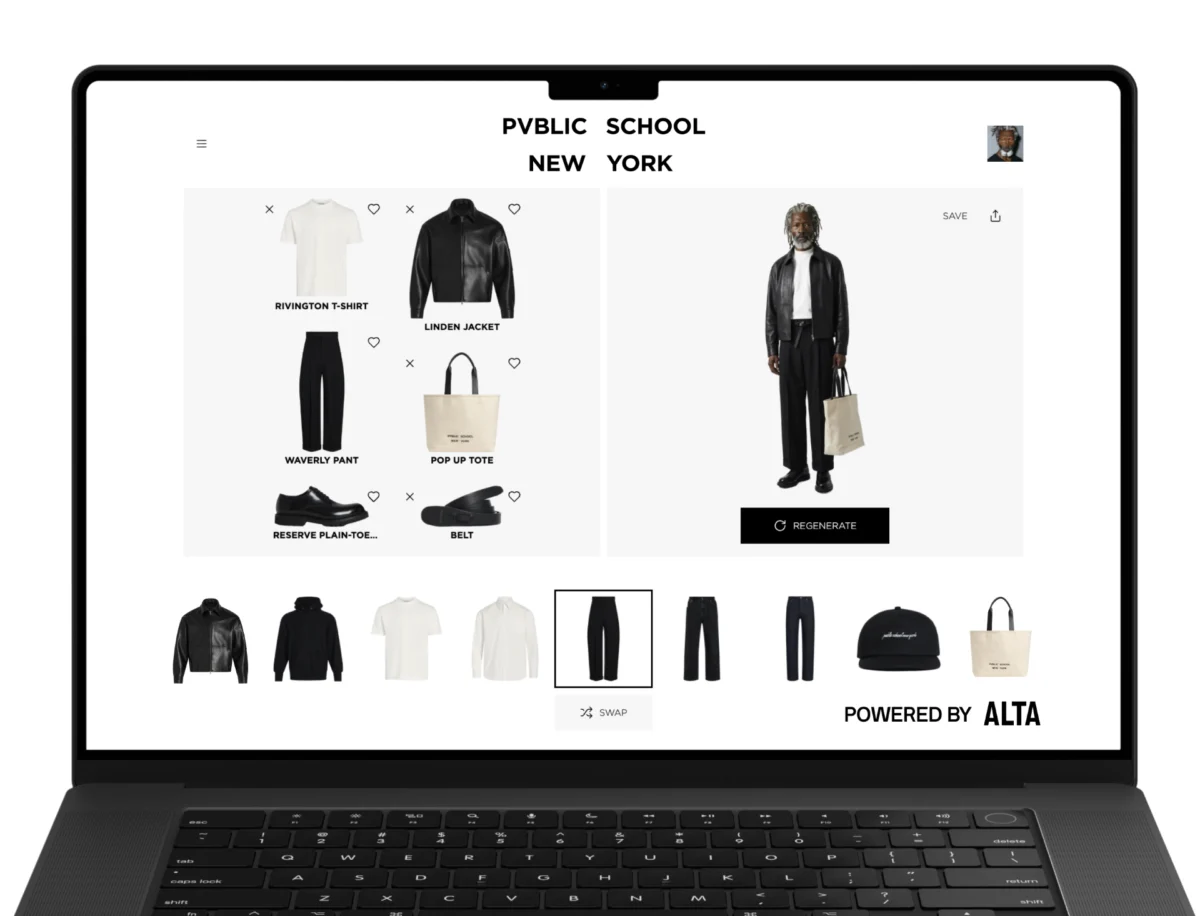
The integration manifests as a "Style with Alta" feature on the Public School website. When a customer views a product, such as the Linden Jacket, they can click an icon that redirects them to a personalized styling interface. Here, they can see the item on their own Alta avatar, styled alongside other pieces from the collection or even items from their own digital closet.
Dao-Yi Chow emphasized that the decision to partner with Alta was born from a need to evolve. "It’s not 2015 anymore," Chow noted, acknowledging that traditional e-commerce imagery is no longer sufficient to engage modern consumers. For Public School, the technology serves as a tool to extend their storytelling and allow consumers to experience the brand’s aesthetic in a participatory way, even if they cannot visit a physical showroom.

Technical Benchmarking: Speed and Complexity
A critical factor in Alta’s competitive strategy is its technical performance relative to legacy fashion brands. While companies like Zara and Balmain have experimented with digital avatars in the past, these experiences have often been plagued by slow load times and limited functionality.
Wang highlighted that Alta’s engine is capable of rendering up to eight items of clothing on an avatar within seconds. In contrast, existing solutions used by mass-market retailers often limit users to four items and can take up to two minutes to process the image. In the world of e-commerce, where every second of latency correlates to a drop in conversion rates, Alta’s speed is a significant differentiator. By reducing the friction between "browsing" and "visualizing," Alta aims to provide a seamless experience that mirrors the speed of physical dressing.
The Rise of Agentic Commerce and the Data Layer
Looking toward the future, Wang views the current avatar technology as the foundation for what she calls "agentic commerce." This concept involves AI agents that can autonomously make shopping decisions or provide highly curated recommendations based on a deep understanding of the user’s preferences.
For agentic commerce to function effectively, the AI requires a comprehensive "data layer." This layer includes:
- The Digital Closet: An inventory of what the user already owns to ensure new purchases are complementary.
- Style Preferences: Analysis of past "outfit generations" to understand aesthetic leanings.
- The Personal Avatar: Accurate data regarding body measurements, likeness, and how different silhouettes fit the individual.
"We need a data layer that understands the shopper’s style preferences, such as their closet, past purchases, and their avatar, likeness, and body," Wang explained. By positioning Alta as this "personal identity layer," the company seeks to become the central nervous system for AI-driven shopping across the internet.
Broader Implications for the Fashion Industry
The implications of Alta’s technology extend beyond consumer convenience. The fashion industry is currently grappling with high return rates—often exceeding 30% for online purchases—largely driven by "fit and style" dissatisfaction. By providing a more accurate virtual try-on experience, Alta has the potential to significantly reduce the environmental and financial costs associated with returns.
Furthermore, the data generated by Alta’s platform offers brands a window into how consumers are actually "wearing" their clothes in the digital space. This "pre-purchase" data can inform manufacturing volumes and design choices, helping brands move toward a more demand-driven production model.
As Alta continues to announce new partnerships and expand its integration capabilities, the "Clueless" closet is moving from a nostalgic dream to a fundamental component of the digital economy. With the backing of both Silicon Valley’s AI elite and the fashion world’s most influential figures, Jenny Wang is not just building an app; she is defining the infrastructure for the next generation of consumer identity in the digital age.
The success of the Public School integration serves as a blueprint for other designers. By embedding personal avatar technology directly into their own websites, brands can reclaim the customer relationship from third-party platforms while offering a level of personalization that was previously impossible. As Wang noted, the goal is for Alta to be the universal identity layer that follows the consumer across the web, making every digital storefront a personalized fitting room.