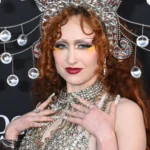




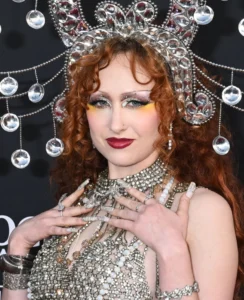

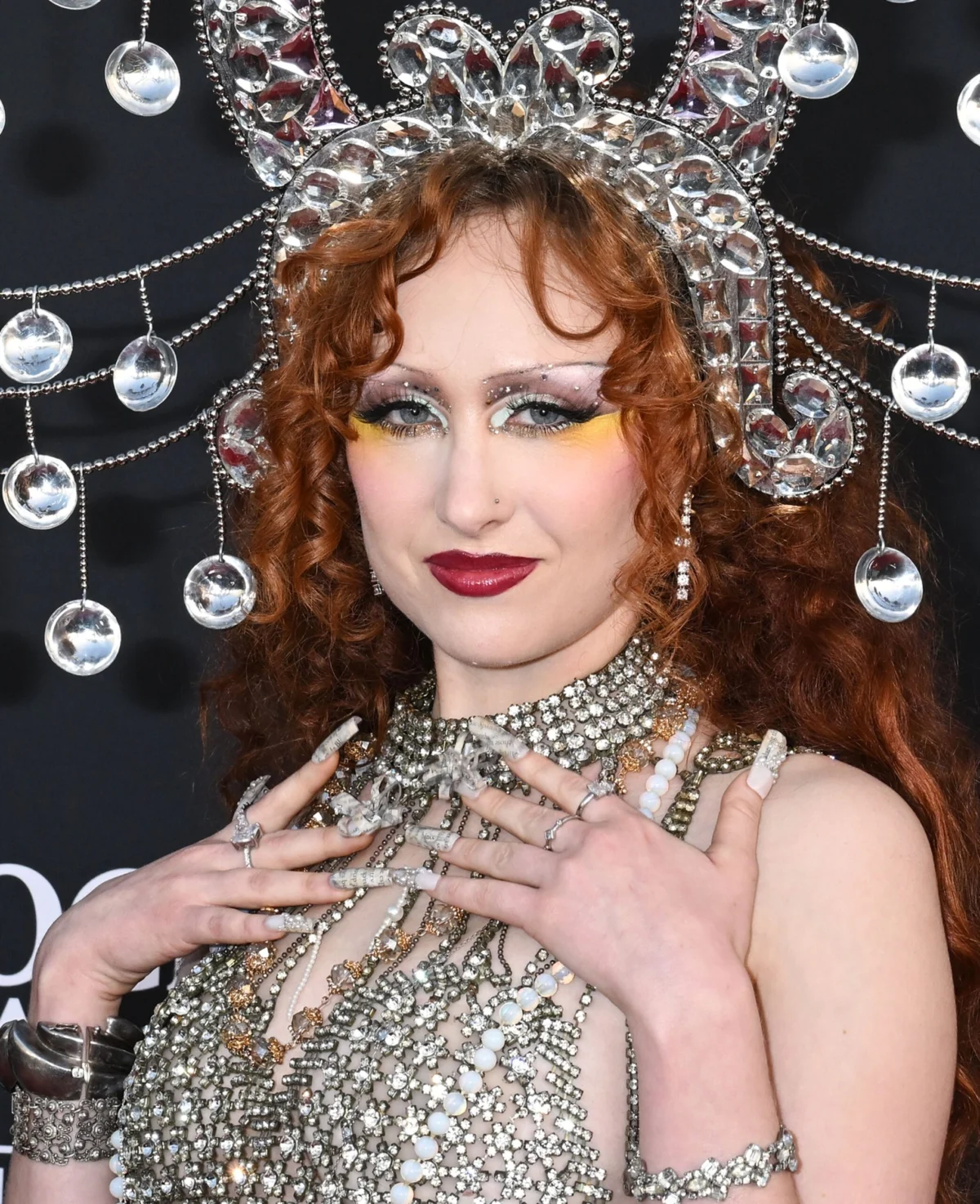
While the era of MTV’s Total Request Live (TRL) officially concluded in 2008, the aesthetic legacy of the early 2000s continues to exert a profound influence on modern pop culture, as evidenced by Chappell Roan’s recent appearance at the National PrEP Day gathering at The Abbey in West Hollywood. The Grammy Award-winning artist, known for her theatrical performance style and penchant for transformative beauty looks, arrived at the event sporting a hairstyle that served as a direct aesthetic callback to the high-contrast, Y2K-era trends that once defined the music video countdown circuit.
A Chronology of the 2000s Revival
The evolution of early 2000s hair trends—characterized by pin-straight textures, high-contrast highlights, and experimental bangs—has been a gradual process within the fashion industry. For the better part of the last two decades, the "beach wave" and natural textures dominated celebrity styling. However, the post-pandemic era has seen a definitive pivot.
In 2022 and 2023, the industry noted a sharp increase in interest regarding "chunky" highlights, often referred to as "money pieces" or "chunky ribbons," which mimic the aesthetic once popularized by figures such as Kelly Clarkson, Avril Lavigne, and Christina Aguilera. By early 2024, data from professional hair colorists suggested a 30% rise in client requests for high-contrast, multi-tonal coloring services. Chappell Roan’s appearance serves as a high-profile validation of this shift, marking a transition from subtle, sun-kissed balayage to deliberate, graphic color placement.
The Anatomy of the Look
At the National PrEP Day gathering, Roan debuted a hairstyle conceptualized by stylist Virginie Pineda. The transformation involved abandoning her signature voluminous curls in favor of a pin-straight, crimson-red base. Interspersed throughout this saturated red were chunky, strawberry-blonde highlights. This specific color palette—a deep, vibrant red contrasted with pale, cool-toned streaks—is a technical reference to the "block coloring" techniques common between 2002 and 2005.
The structural elements of the look extended beyond color. The hair was cut into choppy "baby bangs" that sat significantly above the eyebrows. Historically, baby bangs have served as a bold, avant-garde stylistic choice, often associated with high-fashion runways and subcultural movements. Their resurgence, recently championed by celebrities such as Florence Pugh and now Roan, indicates a move away from the "curtain bangs" that dominated 2020–2022.
Complementing the hair, makeup artist Dee utilized a vivid, saturated palette that mirrored the playfulness of early 2000s magazine spreads. The application featured cerulean blue, daffodil yellow, and orchid pink, with a highly editorialized blush placement that extended from the cheekbones to the temples. This approach to color-blocking is consistent with the maximalist beauty trends that have recently emerged on platforms like TikTok and Instagram, where users are increasingly rejecting "no-makeup makeup" in favor of more performative, artistic expressions.
Contextualizing National PrEP Day
The event, held at the iconic West Hollywood venue The Abbey, was organized to promote awareness of Pre-Exposure Prophylaxis (PrEP), a highly effective medication used to prevent the transmission of HIV. The gathering brought together a diverse group of stakeholders, including musicians such as Christina Aguilera and Tinashe, to emphasize the importance of sexual health education and medical access.
Roan’s role at the event was multifaceted. Beyond providing a visual spectacle, she engaged in a DJ set. While the artist characterized her contribution on social media as a low-pressure endeavor—jokingly noting she was there to "vibe"—the presence of high-profile artists at public health advocacy events provides a significant boost to awareness. Historically, the intersection of pop music and public health advocacy has been a potent combination; the involvement of figures with large, younger demographics—like Roan’s Gen Z-heavy fanbase—is vital for the dissemination of health-related information.

Supporting Data and Industry Analysis
The trend toward 2000s-inspired beauty is not merely a stylistic preference; it is backed by a shift in consumer demand. According to recent reports from beauty analytics firms, searches for "Y2K hair" and "chunky highlights" have seen a consistent year-over-year increase of approximately 45%.
Industry experts suggest that this trend is a "cyclical correction." As noted by trend forecasters, beauty cycles typically span 20 years. The return of the 2000s is, therefore, on schedule. However, the current iteration differs from the original in its technical execution. While 2000s-era chunky highlights were often achieved through aggressive, bleach-heavy methods that frequently resulted in hair damage, modern colorists are utilizing bond-building treatments and specialized toners to achieve the same visual impact with significantly less compromise to the hair’s integrity.
Furthermore, the "straightened" hair aesthetic that Roan showcased is now being achieved with advanced thermal tools that offer better heat protection than the heavy, non-adjustable flat irons that were standard two decades ago. This technological evolution allows for the "glass hair" finish—a sleek, ultra-shiny look—that is currently trending alongside high-contrast colors.
The Impact of Celebrity Influence
The influence of a celebrity like Chappell Roan on current beauty standards cannot be overstated. By leaning into these bold, nostalgic choices, she validates the trend for a massive audience, essentially granting "permission" for consumers to experiment with high-contrast color and unconventional cuts.
In the retail sector, this translates to increased sales in specific hair-dye categories, particularly "vivid" and "fantasy" colors. Major hair care brands have already begun responding to this shift by releasing at-home kits specifically designed for high-contrast application, a departure from the "natural" hues that dominated the market throughout the early 2020s.
Broader Implications for Beauty Culture
The adoption of such a specific aesthetic by an artist of Roan’s stature signals a broader move toward "identity-based" beauty. Instead of aiming for a universally flattering or "natural" appearance, the trend points toward beauty as a form of costume or character work. This aligns with the "camp" aesthetic that has been bubbling under the surface of mainstream pop culture for several years.
By choosing a style that is so inherently linked to the specific visual language of the TRL era, Roan is not just participating in a trend; she is acknowledging the power of cultural memory. Her ability to synthesize these past elements—the baby bangs of the early 2000s, the chunky highlights, and the vivid, theatrical makeup—into a cohesive, modern look demonstrates a sophisticated understanding of image curation.
As the beauty industry continues to navigate the post-digital landscape, the reliance on historical references is likely to grow. The "Chappell Roan effect" suggests that the coming seasons will be defined by further experimentation with color and shape, as the public moves further away from the minimalist, "clean girl" aesthetic that defined the start of the decade.
For the general public, the lesson is clear: beauty is moving toward a more expressive, high-maintenance, and intentional phase. Whether this will lead to a long-term return to the high-contrast, high-effort routines of the early 2000s remains to be seen, but for now, the industry is firmly committed to the revival of the Y2K aesthetic, with Chappell Roan leading the charge.