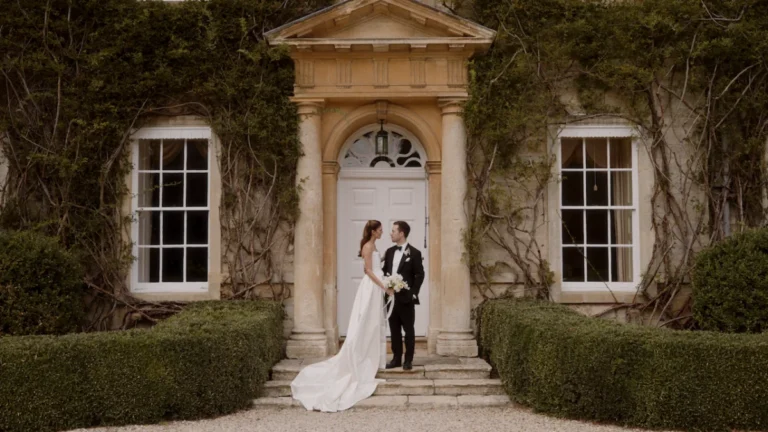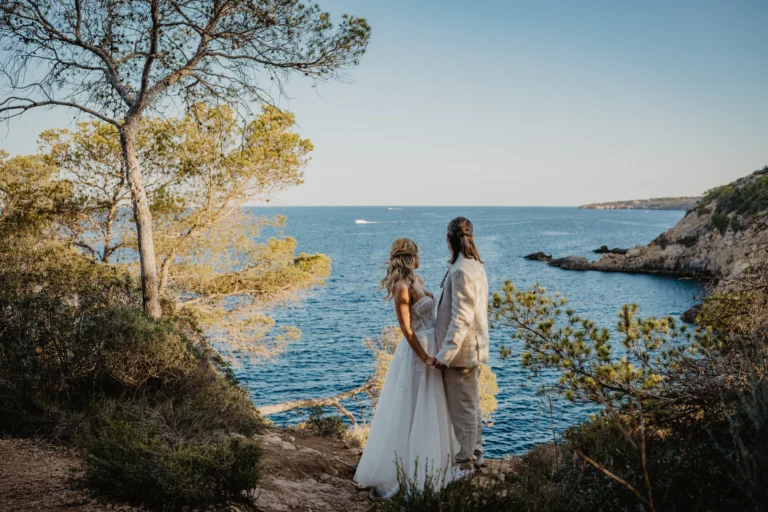








Choosing a wedding photographer is a critical decision that balances aesthetic preference with the necessity of personal rapport, a dynamic that Hampshire-based photographer Benjamin Stuart has navigated for over two decades. As the wedding industry shifts away from the traditional, highly staged photography of the early 2000s toward a more candid, editorial style, Stuart’s practice has emerged as a case study in how professional photography can document emotional narratives without compromising the authenticity of the event. Operating across the UK, Europe, and international destinations including the Cotswolds, Surrey, and Berkshire, Stuart’s work is defined by a "relaxed editorial" approach—a methodology that prioritizes the couple’s presence over the mechanics of a photoshoot.
The Evolution of Wedding Photography Standards
The trajectory of professional wedding photography has undergone a significant transformation since the early 2000s. Industry reports from organizations such as the Wedding Photojournalist Association (WPJA) indicate a sharp decline in demand for "posed-only" portraiture, with a concurrent rise in documentary-style, narrative-driven imagery. During the early 2000s, the industry was often characterized by rigid direction and high-intensity staging. Modern standards, by contrast, emphasize unobtrusive observation.
Stuart’s career reflects this shift. Transitioning from a seven-year tenure as a cameraman in the high-pressure environment of commercial live events, Stuart sought to replace the industrial scale of big-budget productions with a more intimate, human-centric focus. This transition occurred during a period when the industry was shedding its reputation for abrasive directives and impersonal service. For couples planning nuptials today, the expectation for high-quality, editorial-grade imagery has risen; however, the challenge remains to achieve this aesthetic without forcing the subjects into a performative state.
Chronology of a Professional Shift
Stuart’s philosophy was crystallized during his own marriage 15 years ago, an experience he cites as the primary catalyst for his entry into the field. This personal milestone allowed him to observe the industry from the client’s perspective, identifying a gap in the market for a photographer who could balance technical expertise with emotional intelligence.
- 2005–2010 (The Foundational Years): Development of technical skills within the live event sector, focusing on high-speed, high-pressure environments.
- 2010–2015 (The Transition): Initial entry into the wedding sector, marking a departure from the "shouting" culture of legacy wedding photography.
- 2015–Present (The Editorial Era): Refinement of the "relaxed editorial" style, which utilizes subtle guidance to facilitate genuine expression rather than forced poses.
Data-Driven Insights into Client Needs
Market research within the wedding industry highlights that "feeling comfortable" is consistently cited by 85% of couples as the most significant factor in selecting a photographer, often ranking higher than portfolio aesthetics or pricing. This psychological comfort is essential for producing high-quality imagery; when subjects feel nervous or self-conscious, their body language becomes constrained, which directly impacts the visual output.
Stuart addresses this by focusing on "loving connections." His workflow is not a series of commands but an ongoing dialogue. By spending time understanding a couple’s values before the wedding day, he ensures that his presence is felt as a support mechanism rather than a distraction. This aligns with broader trends in luxury event planning, where the focus has shifted from the "spectacle" of the event to the "meaning" of the union.
Technical Methodology and Editorial Balance
The challenge for any contemporary photographer is the intersection of "capturing" and "guiding." Stuart defines his work as an editorial process that requires subtle intervention. "I don’t believe a wedding should ever feel like a photoshoot," Stuart notes, yet he acknowledges that even the most candid moments benefit from an expert eye regarding light, composition, and timing.
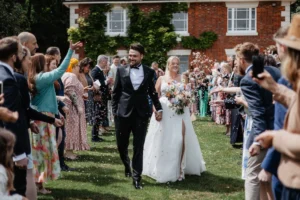
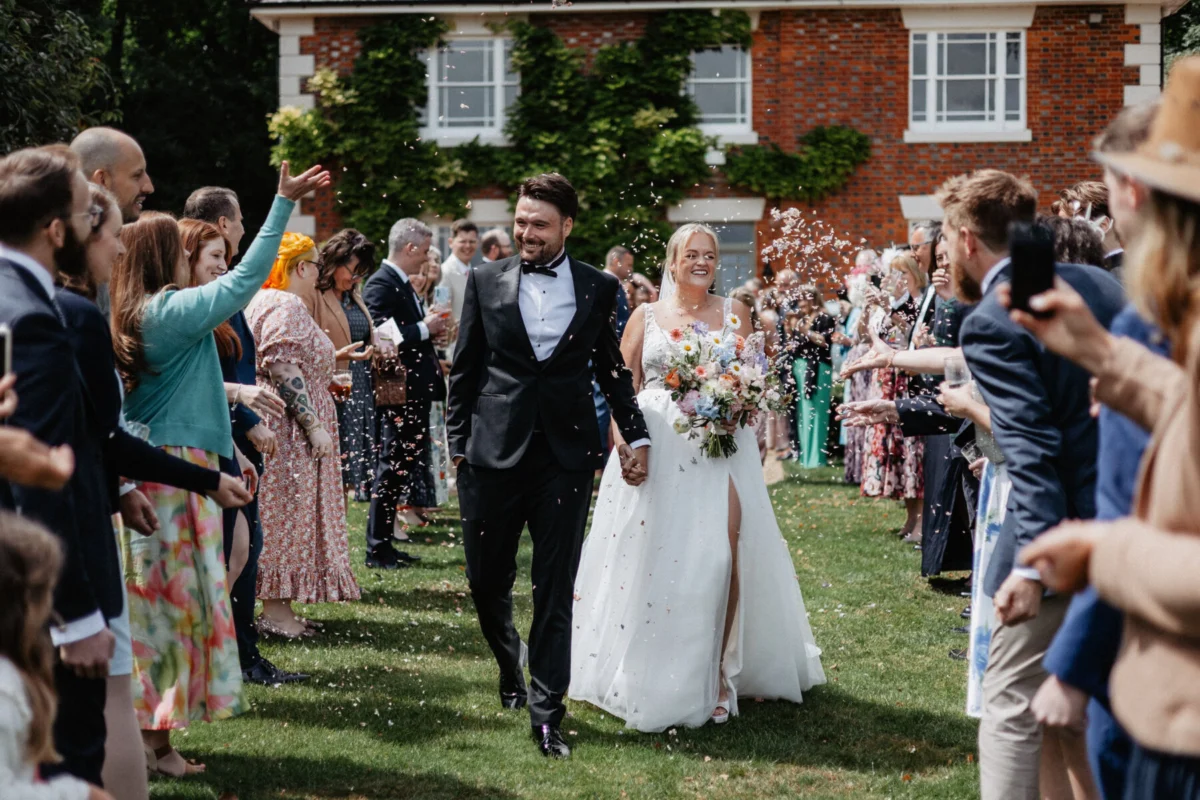
This approach is rooted in the understanding that the most memorable photographs—those depicting genuine laughter, quiet reflection, or fleeting interactions—are often the result of an environment where the subjects are at ease. By providing gentle, clear direction, Stuart ensures that the couple remains present in their celebration. He emphasizes that the photographer’s role is to act as a witness to the "tribe" that the couple has assembled, capturing the interpersonal dynamics that define the day.
Analyzing the "Performance" vs. "Reflection" Paradigm
There is currently an ongoing discourse among wedding professionals regarding whether a wedding is a performance or a private reflection. Stuart argues that while a wedding inherently contains a structural, performative element—such as legal requirements and logistical management—these aspects are secondary to the primary function of the day: the public declaration of a new marriage.
His work reflects this by focusing on the "reflection" of the couple’s values. In his view, a successful photograph is one that serves as a conduit for memory, allowing the couple to feel the emotion of the moment rather than simply viewing a documentation of it. This requires the photographer to have the instinct to identify moments that possess emotional weight—such as a parent’s private reflection or the unscripted interactions between guests—rather than simply recording the standard set of ceremony highlights.
Broader Implications for the Wedding Industry
The success of Stuart’s approach suggests a maturing of the wedding photography sector. As couples become increasingly sophisticated in their visual preferences, the demand for photographers who can offer both technical editorial quality and an empathetic, low-pressure presence is expected to grow. The implication for the industry is clear: the future of high-end wedding documentation lies in the ability to bridge the gap between artistic composition and the preservation of human intimacy.
For couples navigating the planning process, the lesson is that the technical skill of a photographer is only half of the equation. The other half is the intangible ability of the professional to hold space for the couple’s emotions. Stuart’s mantra, "Be present in your day, I’ll do the rest," serves as a professional guarantee that the technical requirements of the event will be managed, leaving the couple free to engage with their guests and their partners.
Conclusion
As the wedding industry continues to evolve, the distinction between a technician and an artist becomes more apparent. By blending a background in commercial production with a deep respect for the personal nature of marriage, Benjamin Stuart has established a practice that serves as a template for modern wedding documentation. His emphasis on the "real" over the "staged" provides a framework that allows for both editorial beauty and emotional honesty, ensuring that the visual record of a wedding serves as an accurate, poignant reflection of the day itself. For those seeking a photographer capable of navigating the chaos of a wedding with calm and clarity, the focus remains on finding a professional who prioritizes the human connection above all else.