









The intersection of generative artificial intelligence and the trillion-dollar global fashion industry has reached a significant milestone as Alta, a pioneer in digital closet technology, transitions from a viral consumer app to a critical enterprise solution. Founded by Jenny Wang, Alta recently secured $11 million in a funding round led by Menlo Ventures, signaling a robust investor appetite for "agentic commerce"—a future where AI agents manage personal shopping and styling based on a deep understanding of a user’s physical likeness and aesthetic preferences. The capital infusion, which included participation from high-profile figures such as models Karlie Kloss and Jasmine Tookes, as well as the Anthropic-backed Anthology Fund, underscores the platform’s potential to redefine how consumers interact with apparel in a digital-first economy.
The Evolution of the Digital Closet: From Cinema to Commerce
For decades, the concept of a computerized wardrobe assistant remained a staple of science fiction and 1990s pop culture. Most notably, the 1995 film "Clueless" featured protagonist Cher Horowitz using a primitive desktop interface to mix and match her plaid ensembles. While that cinematic moment captured the imagination of a generation, the underlying technology required to replicate it—specifically the ability to accurately render how different fabrics drape over diverse body types—has only recently become viable through advancements in computer vision and generative AI.
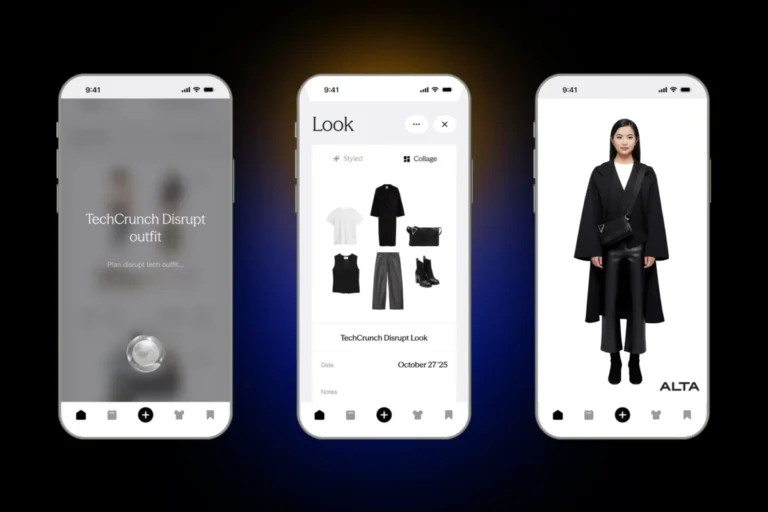
Alta’s platform allows users to digitize their physical closets, creating a virtual inventory of the clothes they already own. By leveraging proprietary AI, the app enables users to "try on" these garments on a personalized virtual avatar that mirrors their real-world proportions and likeness. Since its launch in 2023, the platform has seen explosive growth, with more than 100 million outfits generated. This level of engagement has caught the attention of major industry players, leading to accolades from publications like Time and Vogue, which recognized the technology as one of the most significant innovations of the past year.
Strategic Capital and the Rise of Agentic Commerce
The $11 million seed round led by Menlo Ventures represents more than just a financial boost; it is a strategic endorsement of Alta’s long-term vision. Menlo Ventures, an early backer of tech giants like Uber and Roku, has increasingly focused on the generative AI stack. The inclusion of the Anthology Fund—a venture partnership between Menlo and AI research firm Anthropic—suggests that Alta is being positioned as a leader in the "identity layer" of consumer AI.
Other investors in the round include Jenny Fleiss, co-founder of Rent the Runway, and the founder of Poshmark. The involvement of these e-commerce veterans points to a broader industry trend: the shift toward personalized, data-driven shopping experiences. Jenny Wang has articulated a vision where Alta serves as a "data layer" for the shopper’s life. This layer encompasses style preferences, past purchase history, and a precise digital twin. In the emerging world of agentic commerce, an AI assistant could use this data to autonomously find, style, and even purchase clothing that is guaranteed to fit the user’s body and existing wardrobe.
New York Fashion Week and the Public School Integration
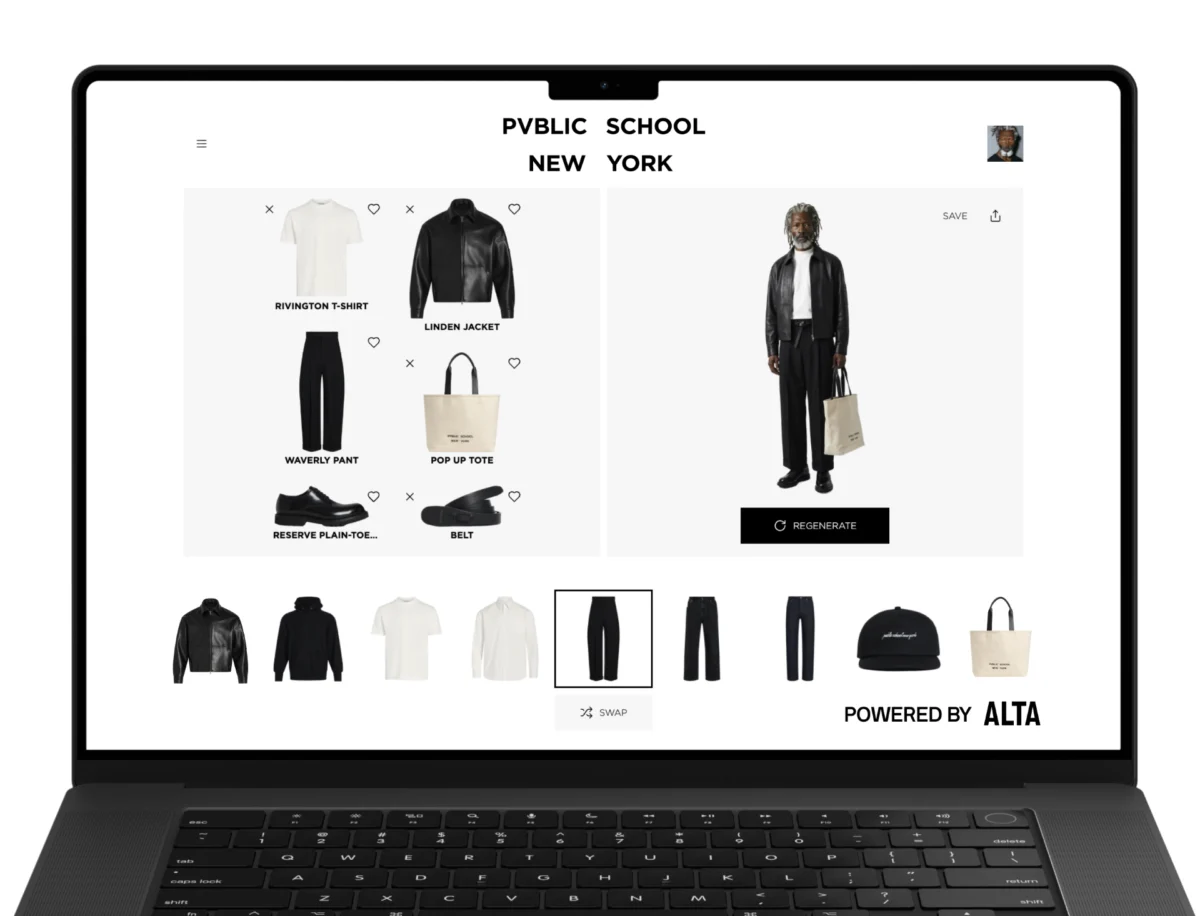
During the most recent New York Fashion Week (NYFW), Alta demonstrated the practical application of its technology through a high-profile partnership with the fashion label Public School New York. This collaboration marked the first time a designer has embedded Alta’s personal avatar and styling technology directly into an e-commerce storefront.
Public School, led by designers Dao-Yi Chow and Maxwell Osborne, returned to the runway after a multi-year hiatus. For their grand re-debut, the designers sought a way to bridge the gap between the runway show and the consumer’s home. By integrating a "Style with Alta" button on their product pages, the brand allows shoppers to see how new collection pieces, such as the Linden Jacket, would look on their own Alta avatar before committing to a purchase.
Dao-Yi Chow emphasized that the decision to partner with Alta was born out of a necessity to view technology as a business partner rather than a mere novelty. "It’s not 2015 anymore," Chow noted, acknowledging that the modern consumer expects a high level of digital interaction. For Public School, the technology serves as an extension of their storytelling, allowing customers to experience the brand’s aesthetic in a personalized, immersive way that traditional photography cannot replicate.
Technical Superiority and Competitive Landscape
The virtual try-on (VTO) market is becoming increasingly crowded as legacy retailers and tech giants experiment with digital twins. Brands like Zara and Balmain have previously introduced digital avatars to their platforms, but these efforts have often been criticized for high latency and limited functionality.

Jenny Wang highlighted that Alta’s competitive edge lies in its speed and capacity. While existing solutions from retailers like Zara often limit users to trying on four items at a time—with a rendering process that can take up to two minutes—Alta’s technology allows users to layer at least eight items simultaneously, with results appearing in seconds. This efficiency is crucial for maintaining consumer engagement in a mobile-first environment.
Furthermore, Alta’s integration strategy sets it apart. While it maintains a standalone consumer app that functions as a "digital closet," its enterprise-facing solutions allow its technology to live on third-party brand websites. This creates a seamless ecosystem where a user’s "Alta identity" follows them across the web, enabling a consistent try-on experience regardless of the retailer.
Partnerships and Industry Impact
Beyond its work with individual designers, Alta has established foundational partnerships with major fashion organizations. Its collaboration with Poshmark, one of the world’s largest resale platforms, provides a logical use case for digital closets: if a user can see how a pre-owned item fits into their existing wardrobe, the likelihood of a successful transaction increases.
Additionally, Alta’s partnership with the Council of Fashion Designers of America (CFDA) positions the company at the heart of the American fashion establishment. By working with the CFDA, Alta is helping to set the standards for how digital fashion and AI-driven commerce will be integrated into the industry’s future.
From an economic perspective, the widespread adoption of Alta’s technology could address one of the fashion industry’s most expensive problems: returns. In the United States alone, e-commerce return rates for apparel often exceed 30%, largely due to issues with fit and style mismatch. By providing a high-fidelity virtual try-on experience, Alta has the potential to significantly reduce these rates, thereby increasing margins for retailers and reducing the environmental impact associated with return logistics.
The Future: Alta as the Identity Layer for AI Shopping
As Alta continues to expand, Jenny Wang remains focused on the concept of the "personal identity layer." In her view, the future of shopping will not be defined by browsing endless grids of products, but by AI agents that understand the nuances of a user’s physical form and personal taste.
"For agentic commerce to truly work, we need a data layer that understands the shopper’s style preferences, such as their closet, past purchases, and their avatar, likeness, and body," Wang explained. By building this data layer now, Alta is positioning itself as the indispensable infrastructure for the next generation of retail.
The company’s roadmap includes more brand integrations and enhanced AI capabilities that will allow for even more realistic fabric simulations and lighting effects. As more brands follow the lead of Public School New York, the "Clueless" dream of a fully automated, personalized wardrobe assistant is moving closer to becoming a universal standard for the global consumer.
In a market where fashion brands are desperate to find new ways to connect with Gen Z and Alpha consumers—demographics that have grown up with digital identities in gaming and social media—Alta provides a bridge between the physical and the virtual. By combining the nostalgia of 90s tech-optimism with the cutting-edge power of generative AI, Alta is not just changing how people get dressed; it is redefining the very nature of personal style in the digital age.