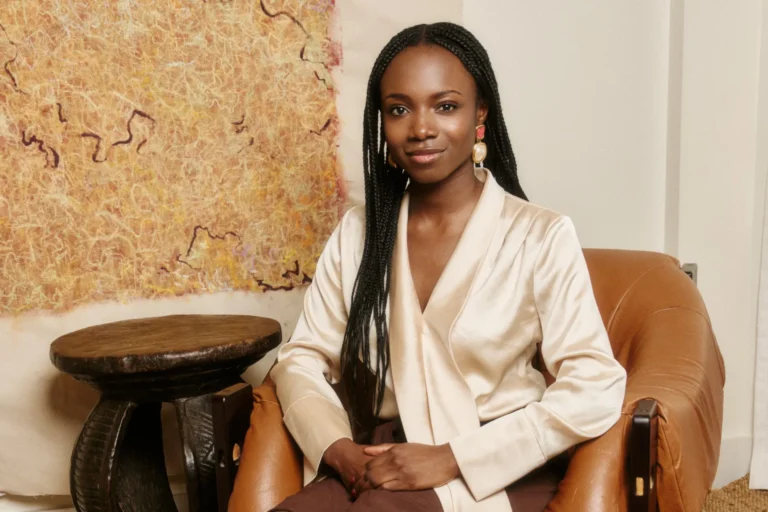









The intersection of high fashion and generative artificial intelligence has reached a new milestone as Alta, a fashion technology startup founded by Jenny Wang, transitions from a conceptual "digital closet" to a fully integrated retail solution. Following a successful $11 million funding round led by Menlo Ventures, Alta is moving beyond its initial premise—inspired by the iconic 1990s film "Clueless"—to become a foundational layer for the future of digital identity and automated commerce. The company’s recent activities during New York Fashion Week (NYFW) underscore its rapid expansion, marked by high-profile collaborations and a technological infrastructure that outpaces established legacy retailers.
The Evolution of the Digital Closet: From Fiction to Functional Tech
For decades, the automated wardrobe featured in the 1995 film "Clueless" served as the gold standard for futuristic fashion technology. In the film, protagonist Cher Horowitz uses a desktop computer to navigate a digital inventory of her clothing, allowing her to visualize outfits before physically putting them on. While various apps have attempted to replicate this experience over the last twenty years, Alta has utilized advancements in computer vision and generative AI to finally bridge the gap between cinematic fiction and consumer reality.
Alta’s platform allows users to digitize their existing wardrobes and create personalized virtual avatars that accurately reflect their physical likeness and proportions. Unlike early iterations of fashion tech that relied on static 2D overlays, Alta utilizes sophisticated AI to simulate how fabrics drape and interact with the human form. This capability has resonated deeply with the modern consumer; since its official launch in 2023, the platform has facilitated the generation of more than 100 million outfits. This volume of engagement caught the attention of the industry’s highest tastemakers, leading to Alta being named one of the best innovations of the year by both Time and Vogue.
Strategic Funding and the Influence of All-Star Investors
The rapid scaling of Alta’s infrastructure was made possible by an $11 million investment round that drew a diverse coalition of backers from the worlds of venture capital, artificial intelligence, and professional fashion. Led by Menlo Ventures, the round included participation from the Anthology Fund—the venture arm of the AI safety and research company Anthropic. The involvement of an AI-focused fund highlights Alta’s position not just as a lifestyle app, but as a sophisticated data and machine learning enterprise.
The investor roster also features prominent figures from the fashion industry, including supermodels Karlie Kloss and Jasmine Tookes, as well as Jenny Fleiss, the co-founder of Rent the Runway. These investors bring more than just capital; they provide a strategic bridge to the luxury and resale markets. The inclusion of Poshmark’s leadership as angel investors further signals the platform’s potential to revolutionize the secondary fashion market by allowing users to "try on" used clothing before purchase, potentially reducing the high rate of returns that plagues the e-commerce sector.
A Landmark Integration: The Public School New York Collaboration
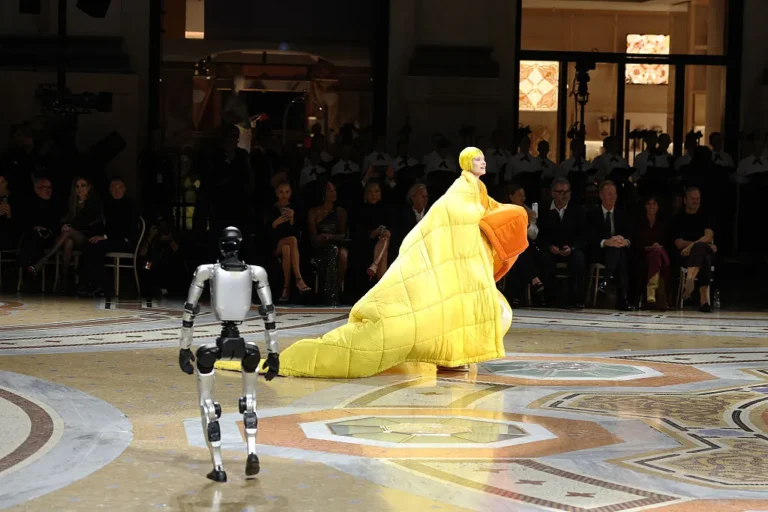
The most significant development in Alta’s recent trajectory is its shift from a standalone consumer app to an enterprise-grade integration tool. During the most recent New York Fashion Week, Alta unveiled its first major brand integration with Public School New York (PSNY). This partnership coincided with the grand re-debut of Public School, a brand that had been on a multi-year hiatus.
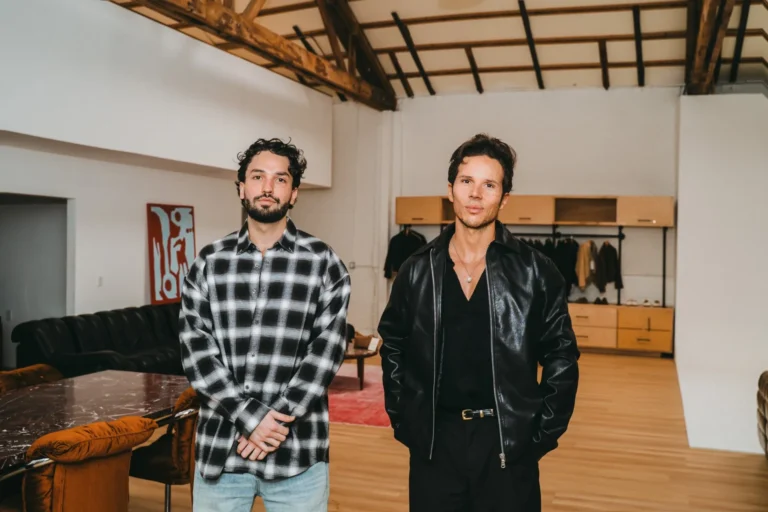
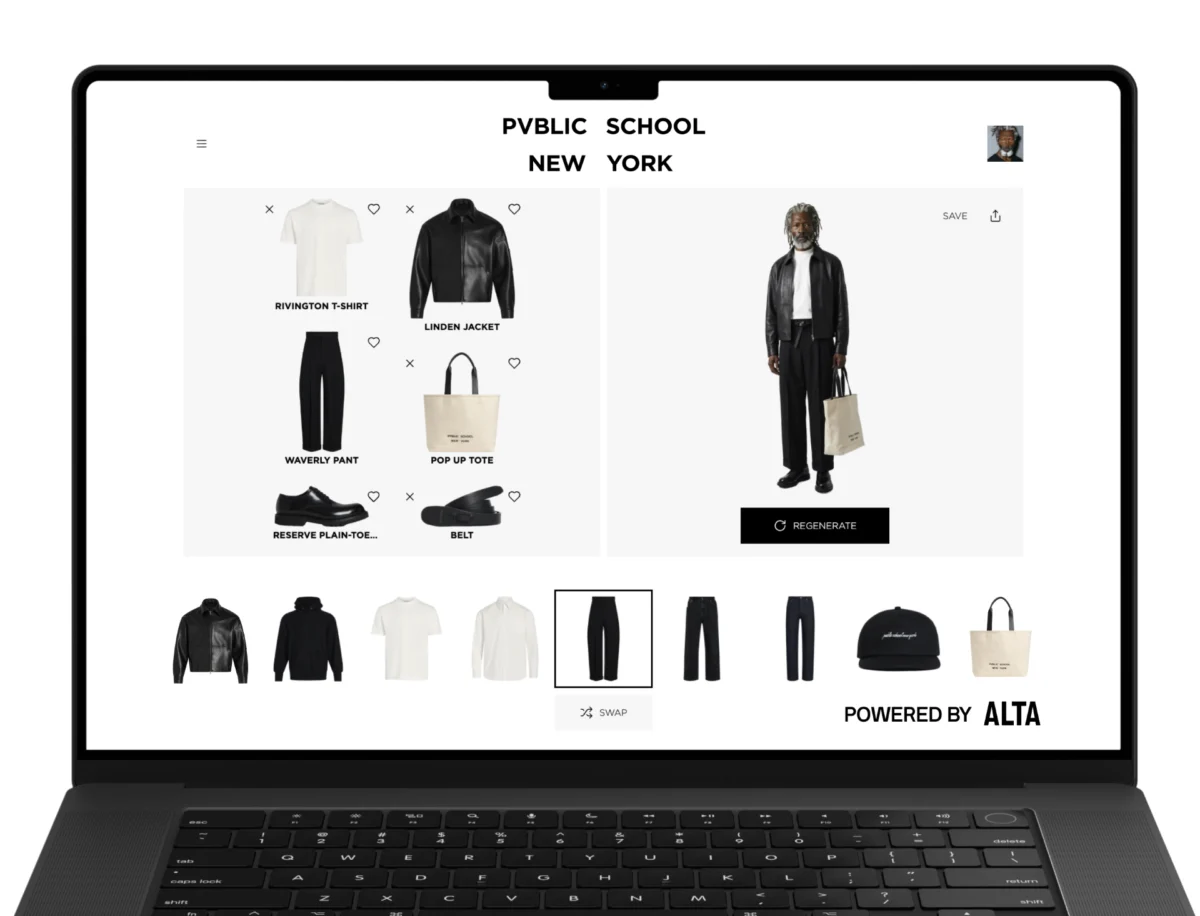
Designers Dao-Yi Chow and Maxwell Osborne, the creative forces behind Public School, sought a way to modernize their brand’s interaction with consumers as they returned to the spotlight. The integration allows shoppers on the Public School website to click a "Style with Alta" icon on product pages. This action redirects the user to the Alta interface, where they can instantly see how a specific item—such as the Linden Jacket—looks on their personalized avatar.
"We have to look at tech as a partner in the business today," Dao-Yi Chow stated during the launch. "It’s not 2015 anymore. We want to be thoughtful on how we use tech and AI, not as a design tool but as a tool to extend our storytelling and a tool to interact with the consumer and have them experience the brand even if they can’t do so in person."
This collaboration marks one of the first instances where a high-end designer has embedded personal avatar and styling technology directly into their proprietary e-commerce stack. It represents a shift from passive browsing to active, personalized engagement.

Technical Superiority and the Competitive Landscape
The virtual try-on (VTO) market is becoming increasingly crowded, with retail giants like Zara and luxury houses like Balmain experimenting with digital avatars. However, Jenny Wang notes that Alta’s competitive advantage lies in its processing speed and complexity.
Current industry standards for VTO often involve significant latency. For example, similar systems deployed by Zara typically allow an avatar to wear a maximum of four items simultaneously, with a rendering time that can exceed two minutes. In contrast, Alta’s proprietary engine allows an avatar to be styled with at least eight different items in a matter of seconds. This reduction in friction is critical for maintaining consumer engagement in an era of short attention spans and "instant gratification" shopping.
Furthermore, Alta’s technology is designed to be "cross-platform." While most brand-specific avatars are siloed within a single ecosystem, Alta aims to create a portable digital identity. A user’s Alta avatar, which contains their measurements, style preferences, and existing closet data, can theoretically travel with them across various brand websites, creating a cohesive and personalized shopping experience across the entire internet.
Chronology of Alta’s Development
- 2022–Early 2023: Initial development phase focusing on AI cloth-simulation and avatar customization.
- 2023: Official launch of the Alta consumer app. The platform gains immediate traction among Gen Z and millennial users interested in digital organization.
- Late 2023: Recognition by Time and Vogue as a top innovation, leading to a surge in user acquisition and 100 million outfits generated.
- Mid-2024: Closing of the $11 million funding round led by Menlo Ventures and the Anthology Fund.
- 2025–2026 (Current Cycle): Expansion into enterprise integrations, marked by the partnership with the Council of Fashion Designers of America (CFDA) and the technical launch with Public School New York.
Broader Implications: Agentic Commerce and Sustainability
The long-term vision for Alta extends beyond simple visualization. Jenny Wang describes the platform as the "personal identity layer for the future of consumer AI." This leads into the emerging concept of "agentic commerce"—a system where AI agents, acting on behalf of the consumer, can make purchasing decisions or recommendations based on a deep understanding of the user’s physical needs and aesthetic tastes.
"For agentic commerce to truly work, we need a data layer that understands the shopper’s style preferences, such as their closet, past purchases, and their avatar, likeness, and body," Wang explained. By centralizing this data, Alta positions itself as the intermediary that helps AI "shoppers" navigate the vast world of retail.
From a sustainability perspective, the implications are equally profound. The fashion industry is currently responsible for approximately 10% of global carbon emissions, a figure exacerbated by the massive logistics chain required to handle e-commerce returns. Industry data suggests that nearly 30-40% of online clothing purchases are returned, often due to poor fit or a mismatch in style expectations. By providing a high-fidelity virtual try-on experience, Alta has the potential to significantly lower return rates, thereby reducing the carbon footprint associated with shipping and the waste generated by unsellable returned inventory.
Market Analysis and Future Outlook
The global virtual fitting room market was valued at approximately $4.03 billion in 2022 and is projected to grow at a compound annual growth rate (CAGR) of over 20% through 2030. Alta’s entry into this market comes at a time when brands are desperate to find new ways to engage customers outside of traditional social media advertising.
By partnering with the CFDA and Poshmark, Alta is positioning itself at both the "new" and "used" ends of the fashion lifecycle. As more brands follow the lead of Public School New York, the industry may see a shift where the "digital twin" of a garment becomes as important as the physical item itself.
As Alta continues to announce new partnerships in the coming months, the focus will likely remain on refining the accuracy of its AI and expanding its "wishlist" functionality. The goal is a seamless ecosystem where a user can see an item on a website, instantly "try it on" their avatar, see how it coordinates with clothes they already own, and complete a purchase with the confidence that the item will fit both their body and their lifestyle. In doing so, Jenny Wang is not just bringing a movie trope to life; she is rearchitecting the fundamental relationship between the consumer and the closet.