





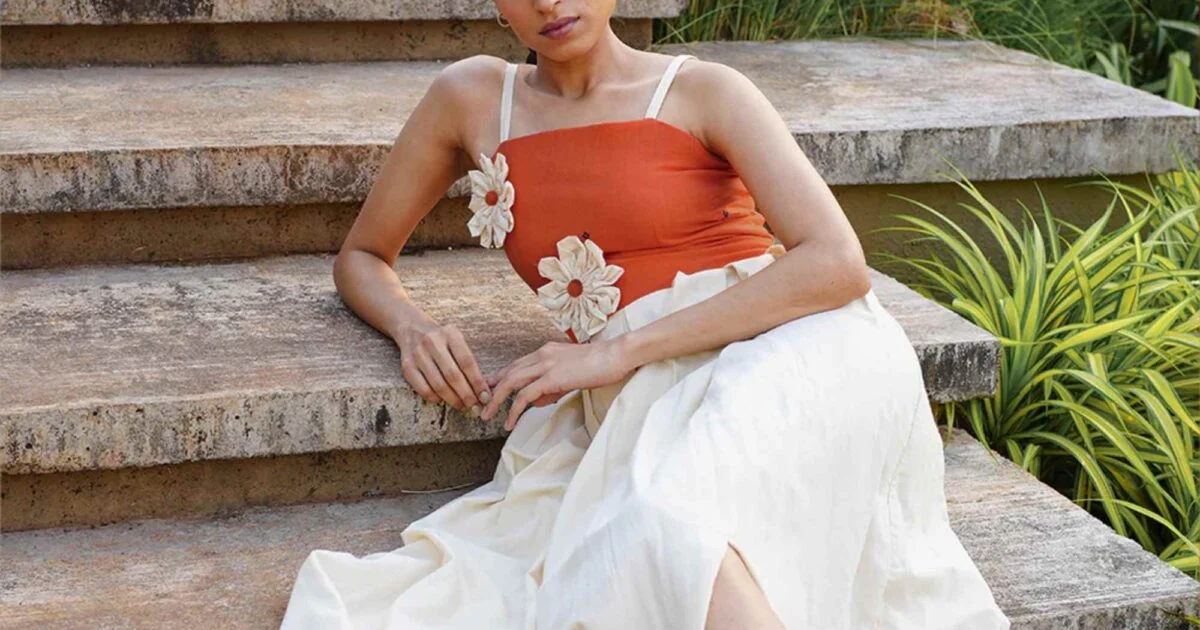
As wedding invitations fill calendars, signaling the joyous return of event season, guests increasingly face a familiar dilemma: the desire for a fresh, celebratory outfit versus a growing commitment to environmental responsibility. The fashion industry, historically a significant contributor to global pollution and waste, is under scrutiny, prompting a shift towards more sustainable practices, even for special occasions. This evolving landscape means wedding guests now have a broader, more conscious array of options, moving beyond the traditional cycle of single-use fast fashion.
The challenge for many attendees lies in finding an ensemble that not only adheres to dress codes and personal style but also aligns with ethical and environmental values. The pressure to acquire a new, ‘picture-perfect’ outfit for each celebration often clashes with the principles of sustainability. However, a curated approach, leveraging innovative brands and consumption models, demonstrates that elegance and eco-consciousness can coexist harmoniously. Organizations like Good On You play a pivotal role in guiding consumers, employing a rigorous ratings system to assess brands’ impact on people, the planet, and animals, thereby simplifying the journey towards responsible purchasing.
The Environmental Footprint of Occasionwear
The "wedding season" phenomenon, typically spanning spring and summer, drives a significant portion of occasionwear sales. Historically, this has perpetuated a cycle of rapid consumption, with garments often purchased for a single event and then relegated to the back of the closet or, worse, to landfills. The environmental toll of this fast-fashion mentality is immense. According to the U.S. Environmental Protection Agency (EPA), textile waste accounted for 11.3 million tons in municipal solid waste in 2018, with a significant portion ending up in landfills, where synthetic fibers can take hundreds of years to decompose. The production of new garments also demands vast resources, including immense quantities of water, energy, and often hazardous chemicals, contributing to greenhouse gas emissions and water pollution.
For instance, producing a single cotton dress can require thousands of liters of water, while the dyeing process introduces toxic chemicals into water systems in many parts of the world. The carbon footprint extends from raw material extraction to manufacturing, shipping, and even the end-of-life disposal. A recent report by the Ellen MacArthur Foundation highlighted that less than 1% of clothing is recycled into new clothing, underscoring the predominantly linear model of production and consumption that has long dominated the industry. This data provides critical context for understanding why conscious choices in occasionwear are more vital than ever.
Shifting Paradigms: The Evolution of Sustainable Event Dressing
The movement towards sustainable event dressing is not a sudden trend but an evolution, gaining momentum over the last decade as consumer awareness of environmental and social issues has grown. Early adopters focused on vintage finds and bespoke tailoring, but the landscape has since diversified significantly.
One of the most transformative developments has been the rise of outfit rental platforms. Companies like Rent the Runway, a pioneer in the space founded in 2009, demonstrated the viability and appeal of a circular fashion model. Following its success, numerous other platforms emerged globally, including Hurr and By Rotation in the UK, Vow to be Chic for bridal parties, Glam Corner in Australia, and MyWardrobe. These services allow consumers to access high-quality, often designer, garments for a fraction of the retail price, minimizing individual consumption and maximizing the lifespan of each item. This model addresses both the desire for novelty and the imperative for sustainability, with platforms reporting significant reductions in the environmental impact per wear compared to traditional purchasing. For example, a single dress rented multiple times can displace the production of several new garments. The global online clothing rental market was valued at approximately USD 1.3 billion in 2019 and is projected to reach USD 2.2 billion by 2026, indicating robust growth and consumer acceptance.
Concurrently, the secondhand market has experienced a resurgence, driven by online marketplaces and a renewed appreciation for pre-owned items. Platforms like Vestiaire Collective, The RealReal, and thredUP have made it easier than ever to buy and sell pre-loved luxury and everyday wear, extending the life cycle of garments and reducing demand for new production. This aligns with the "reduce, reuse, recycle" mantra, with reuse being the most impactful in terms of resource conservation.
Finally, the increasing availability of brands committed to sustainable and ethical production has provided a crucial third pillar for conscious consumers. These brands often prioritize lower-impact materials, ethical labor practices, transparency in their supply chains, and design for longevity. This shift reflects a broader industry movement towards greater accountability, influenced by consumer demand and, increasingly, regulatory pressures aimed at fostering a more circular economy.
Strategies for the Sustainable Wedding Guest
For those navigating the current wedding season, several actionable strategies can help ensure their attire is both stylish and sustainable:
-
Re-wear and Re-style What You Already Own: This is arguably the most sustainable option. Before considering any new purchase, delve into your existing wardrobe. A garment worn once can be transformed with different accessories, shoes, or layering pieces. A formal dress might be made more casual with a denim jacket for a garden wedding, or a suit jacket paired with different trousers and a shirt for another event. This approach not only saves money but also dramatically reduces the environmental impact associated with new production. Fashion stylists increasingly advocate for capsule wardrobes and versatile pieces, encouraging creativity over constant acquisition.
-
Explore Secondhand Options: The pre-loved market offers a treasure trove of unique and high-quality items at accessible prices. Online platforms and local consignment stores provide opportunities to find designer pieces or one-of-a-kind vintage gowns that stand out from mass-produced items. This method diverts clothing from landfills and supports a circular economy.
-
Utilize Outfit Rental Services: For high-end or specific occasionwear that you don’t anticipate wearing frequently, rental is an excellent choice. Platforms offer a vast selection, from elegant gowns to sharp suits, allowing guests to sport different looks for various events without the financial and environmental burden of ownership. Many rental services also handle professional cleaning, ensuring garments are pristine for each user. "The rental economy is fundamentally changing how people think about fashion," notes a spokesperson from Hurr Collective. "It’s about access to variety and luxury, without the long-term commitment or environmental cost."
-
Invest in Consciously Produced New Attire: When buying new is the preferred or necessary option, prioritize brands committed to sustainability. This means looking for transparency in their supply chain, the use of lower-impact materials, ethical labor practices, and a focus on durability and timeless design. While these items may have a higher upfront cost than fast fashion alternatives, they are designed to last, offering better value per wear and a significantly reduced environmental footprint over their lifetime.
Curated Brands for the Conscious Guest
For guests choosing to purchase new, Good On You curates a list of top-rated brands that prioritize sustainability without compromising style. These brands represent a spectrum of price points and aesthetics, ensuring options for various budgets and preferences.
Apparel for Every Occasion:
- OMNES: This UK-based brand champions affordability alongside responsibility, crafting high-quality womenswear. Their mission explicitly states a desire "to help change the way you shop, wear and think about clothing," advocating for industry-wide shifts. Available in sizes 6-20, OMNES focuses on creating pieces that are both fashionable and enduring.
- Ninety Percent: A British label with a revolutionary profit-sharing model, donating 90% of its profits to charitable causes and its garment makers. This level of transparency and direct social impact is exemplary. Their stylish womenswear, available in UK sizes 2XS-2XL, is made with a clear commitment to ethical production.
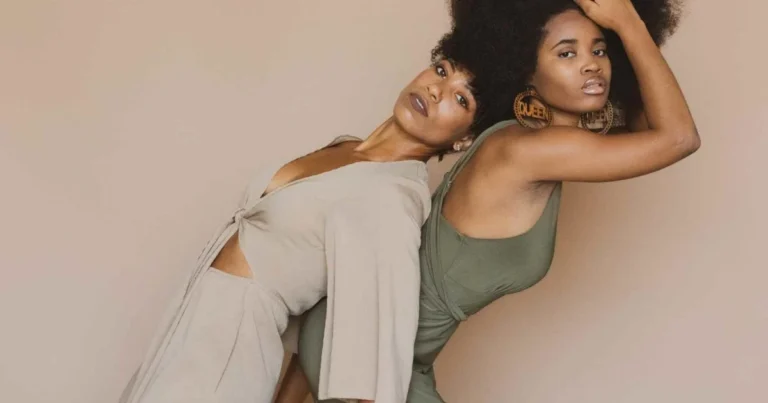
- Jiwya: Embracing heritage techniques, Jiwya utilizes lower-impact, plant-based materials and traditional methods like hand-spinning and hand-weaving. This approach not only minimizes environmental impact but also supports artisan communities, preserving valuable craft traditions.
- Coco & Kandy: Specializing in uncomplicated, high-quality clothes ideal for warm weather, this Bulgarian brand uses lower-impact materials and maintains a transparent supply chain, with regular supplier visits to ensure ethical standards.
- AYANI: Offering "affordable luxury," AYANI designs timeless, feminine pieces focused on comfort and confidence. Their commitment to sustainability is woven into their brand ethos, providing elegant options for discerning guests.
- Christy Dawn: A US brand renowned for its vintage-inspired women’s clothing and footwear, locally made using surplus (deadstock) fabric. This innovative use of leftover materials significantly reduces textile waste, embodying a truly circular approach. They offer standard sizes XS-XL, along with Extended and Petite collections.
- The Summer House: Based in India, this brand creates beautiful womenswear from locally sourced, lower-impact fabrics. Their partnership with local artisans and NGOs provides crucial economic opportunities, demonstrating a strong social commitment alongside environmental stewardship.
- SeamsFriendly: A standout for its customizable tailored pieces for all body types. SeamsFriendly utilizes lower-impact materials like organic cotton and linen, but its true innovation lies in allowing customers to customize designs—from neck style to garment length, fabric, and more. This "made-to-order" model drastically reduces overproduction and waste, ensuring a perfect fit and promoting longevity. They offer an extensive size range, including custom sizing for womenswear (bust 26"-70", waist 19"-63") and menswear (chest 34"-76"), plus a kids’ range. Their current offer of an exclusive 10% off with code SF-GY10 (ends 30 JUL) makes sustainable luxury more accessible.
- OhSevenDays: Founded by Megan Mummery, this brand exemplifies circularity by reclaiming end-of-roll fabrics from Istanbul’s garment factories. They transform "fast fashion’s leftovers" into sharp, wearable womenswear (sizes XS-XL or custom), proving that waste can be a resource.
- SANTICLER: An US-based label dedicated to creating timeless collector’s pieces. They minimize waste and use lower-impact materials such as GOTS-certified cotton and responsibly sourced wool, offering sophisticated designs in sizes XS-L.
- Akyn: Founded by sustainable fashion luminary Amy Powney, Akyn offers contemporary and timeless womenswear crafted from lower-impact materials, reflecting a deep understanding of ethical production.
- ASKET: Since 2015, ASKET has focused on timeless wardrobe essentials, eschewing seasonal collections for a single, permanent collection. Their revolutionary sizing (2XS-2XL) and fair pricing model, achieved by selling directly to consumers, represent a paradigm shift towards conscious consumption.
- Facettes Studio: This Parisian brand offers "wardrobe essentials for the multifaceted woman," using upcycled materials and banning polyester and polyamide. Their commitment extends to providing repairs and alterations, further promoting garment longevity (sizes FR 34-44).
- CARPASUS: A Swiss menswear brand specializing in fine shirts, ties, socks, and pocket squares. They use GOTS-certified cotton, manufacture locally to reduce their carbon footprint, trace their supply chain, and ensure living wages for workers (EU sizes 36-46).
- Opera Campi: This Italian brand, established in 2017, produces premium garments from locally sourced raw materials. Their balanced approach to sustainability includes donating 4% of profits to social causes and offering inclusive sizing from 3XS-3XL.
- Artknit Studios: Adhering to the motto "buy less, buy better," Artknit Studios creates timeless knitwear from 100% lower-impact materials, made responsibly by Italian artisans who are committed to anti-waste practices (sizes XS-XXL).
Accessories with Integrity:
- FUTURA Jewelry: A New York-based brand crafting each piece with mercury-free 18kt Certified Fairmined Ecological gold. This commitment ensures gold is sourced from mines that avoid toxic chemicals, significantly reducing environmental damage and supporting responsible mining communities.
- Bario Neal: Specializing in custom jewelry, Bario Neal uses conflict-free diamonds, reclaimed precious metals, and ethically sourced gemstones. Their dedication to transparency and responsible sourcing sets a high standard in the fine jewelry industry.
- ARTICLE22: This brand embodies extraordinary innovation. Each piece of jewelry is handcrafted in Laos using recycled materials from Vietnam War bombs, plane parts, and other aluminum scraps. Beyond its environmental impact, ARTICLE22 provides sustainable income for local artisans, helps clear unexploded ordnance, and donates to community development, making a profound social and environmental difference. Available in sizes S-XL.
- Mashu: A British vegan accessories label creating stylish handbags from vegan leather alternatives, including interiors made from recycled polyester. Mashu demonstrates that high fashion can be entirely free from animal products while maintaining a "Good" environmental rating. Their Iris Creme Bag, shipping internationally, is a testament to this blend of ethics and aesthetics.
Footwear with a Conscience:
- ESSÄN: "I founded ESSÄN in 2016 as a response to a fashion cycle that overproduces more than it carefully crafts, chases trends more than it determines classics, and wastes more than it sustains," states founder Marre Muijs. The brand limits production, uses low-waste cutting techniques, and maintains a single, permanent collection, championing longevity over transient trends.
- Agazi: A Polish vegan footwear brand offering sneakers, sandals, heels, and flats. They utilize innovative non-animal-derived materials such as hemp, apple skin, and grape-based alternative leathers, showcasing the potential for sustainable and cruelty-free shoe production.
Broader Impact and Future Implications
The growing emphasis on sustainable wedding guest attire reflects a broader societal shift towards conscious consumption. The collective choices of individual guests, multiplied across countless events, send a powerful message to the fashion industry: sustainability is no longer a niche concern but a mainstream expectation.
This movement has several profound implications. Environmentally, it drives demand for lower-impact materials, ethical manufacturing processes, and circular business models, potentially reducing textile waste, pollution, and carbon emissions. Economically, it supports innovative small-to-medium ethical brands, fostering a more diverse and resilient fashion ecosystem beyond the dominance of fast fashion giants. Socially, it promotes fair labor practices, supports artisan communities, and enhances transparency across global supply chains.
Looking ahead, the trend is likely to accelerate. Further technological advancements in sustainable materials, improved recycling infrastructure, and greater accessibility of rental and secondhand options will continue to empower consumers. Industry reports suggest that consumer sentiment overwhelmingly favors sustainable brands, with a significant percentage of shoppers willing to pay more for ethically produced goods. As awareness deepens and sustainable choices become more convenient, the aspiration for a truly guilt-free celebration, from the decor to the guests’ attire, inches closer to reality.
The wedding season, a time of celebration and hope, serves as a poignant reminder that every choice, no matter how small, contributes to the larger narrative of a sustainable future. By embracing re-wearing, renting, and consciously purchasing from ethical brands, wedding guests can not only dress to the nines but also play an active role in shaping a more responsible fashion industry.
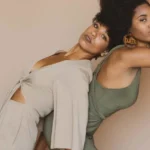
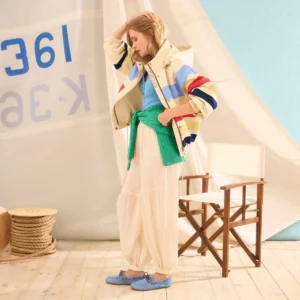
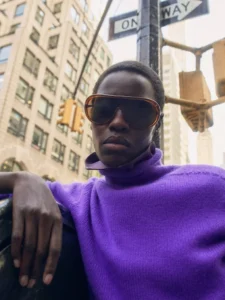
Editor’s note: Feature image via Jiwya, all other images via brands mentioned. Good On You publishes the world’s most comprehensive ratings of fashion and beauty brands’ impact on people, the planet and animals.
This article was updated on 4 June 2026. Our editors frequently make updates to articles to ensure they’re up to date. We refreshed our round-up of brands and products.