









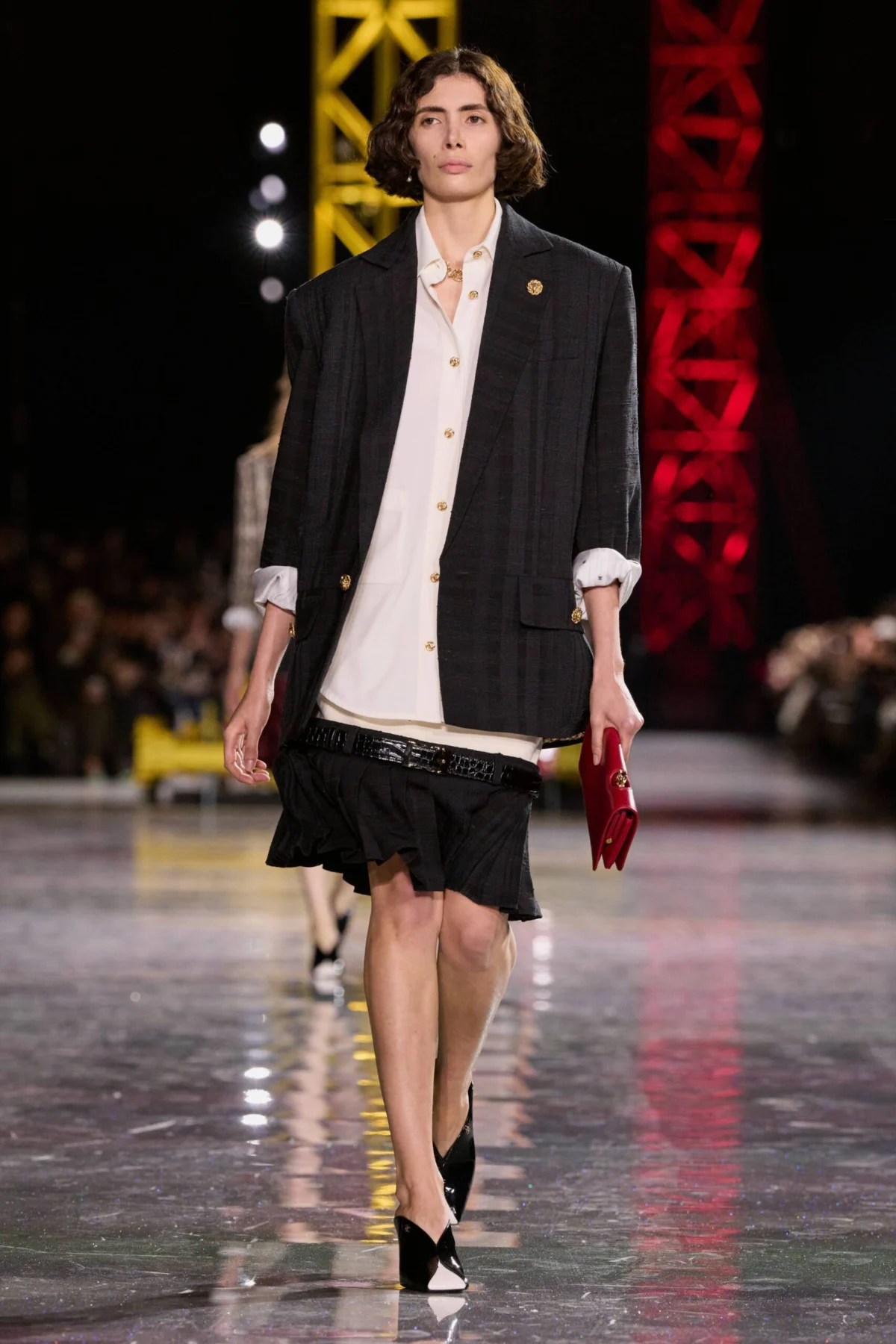
The fashion world turned its gaze toward the windswept shores of Biarritz, France, this week as Matthieu Blazy unveiled his inaugural Cruise collection for Chanel. The choice of location was far from incidental; it served as a profound homecoming for the storied maison, marking a return to the very roots where Gabrielle “Coco” Chanel opened her first couture house in 1915. Amidst the Atlantic surf and the Belle Époque architecture, the Resort 2027 runway presented a cohesive vision of "beach-to-city" dressing, blending the relaxed spontaneity of coastal life with the rigorous sophistication that has defined the house for over a century.
The collection itself was a masterclass in balancing heritage with contemporary utility. Blazy’s direction leaned heavily into high-contrast textures—pairing retro-inspired swimwear with airy, translucent layers and reimagining the classic Chanel tweed for a more temperate climate. Observers noted that while the aesthetic paid homage to the 1910s and 20s, the execution was decidedly modern, favoring relaxed tailoring and versatile separates designed for a global clientele. Among the many accessories showcased, the oversized striped Chanel bag featured in look 51 emerged as the early favorite for commercial success, with industry analysts predicting it will dominate social media and retail demand in the coming season.
Historical Context: The Biarritz Connection
To understand the significance of this show, one must look back to 1915. During the height of the First World War, Gabrielle Chanel recognized that the wealthy elite had fled Paris for the relative safety and leisure of Biarritz. It was here that she established her first true couture salon, moving beyond the millinery that had launched her career in Paris and Deauville. Biarritz provided the backdrop for Chanel’s revolution in women’s sportswear, influenced by the Basque coast’s rugged beauty and the active lifestyle of its residents.
By returning to Biarritz for the Cruise 2027 collection, Blazy effectively signaled a "back-to-basics" approach focused on the brand’s DNA: independence, movement, and effortless chic. The collection echoed the silhouettes of the early 20th century—long lines, dropped waists, and a rejection of the restrictive corsetry of the era—while updating them with technical fabrics and 21st-century proportions.
Front Row Dynamics: A Study in Subdued Sophistication
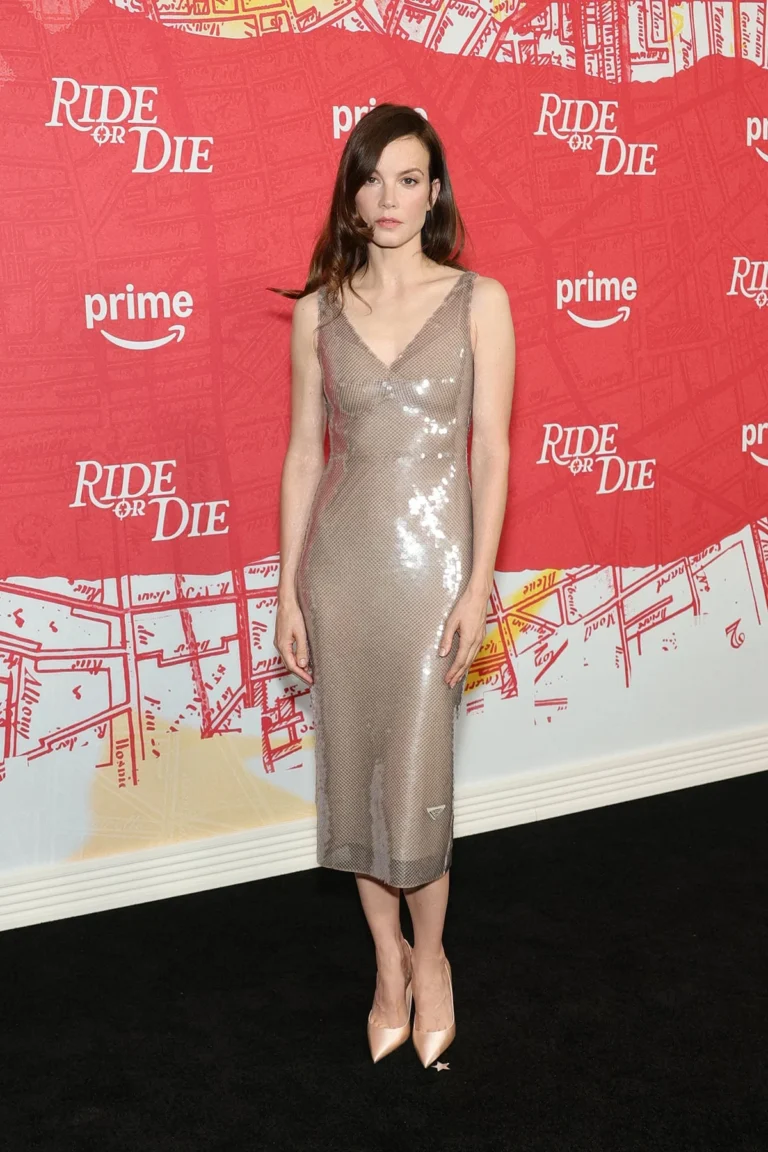
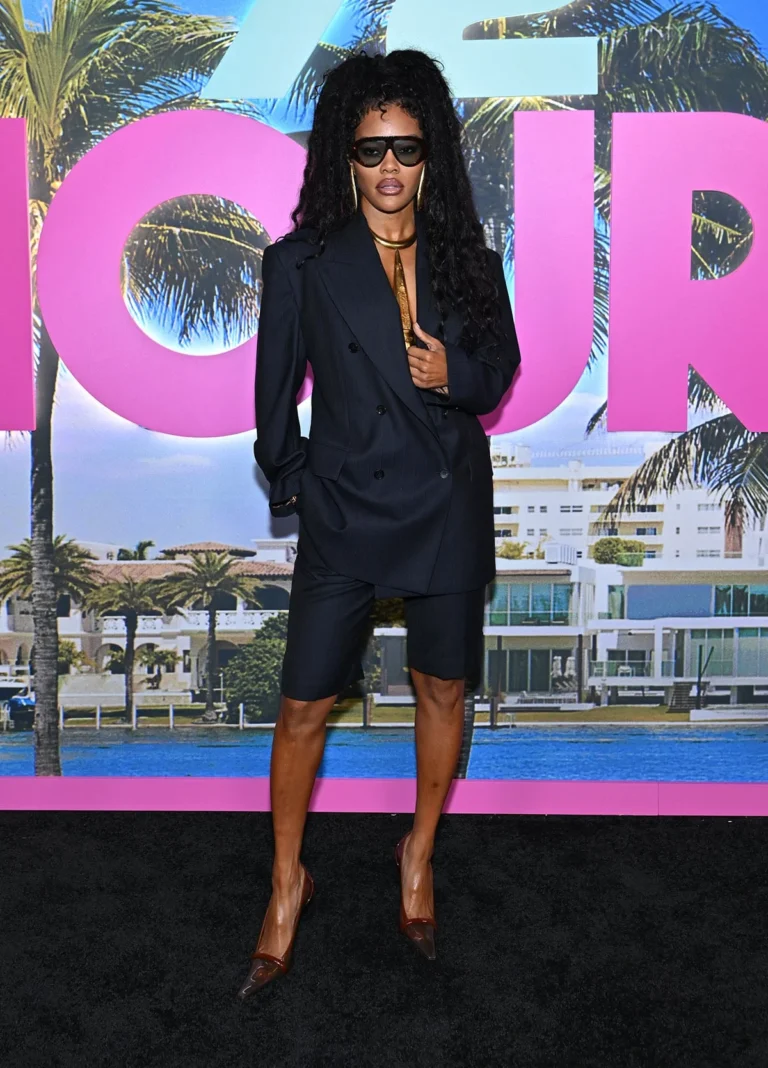
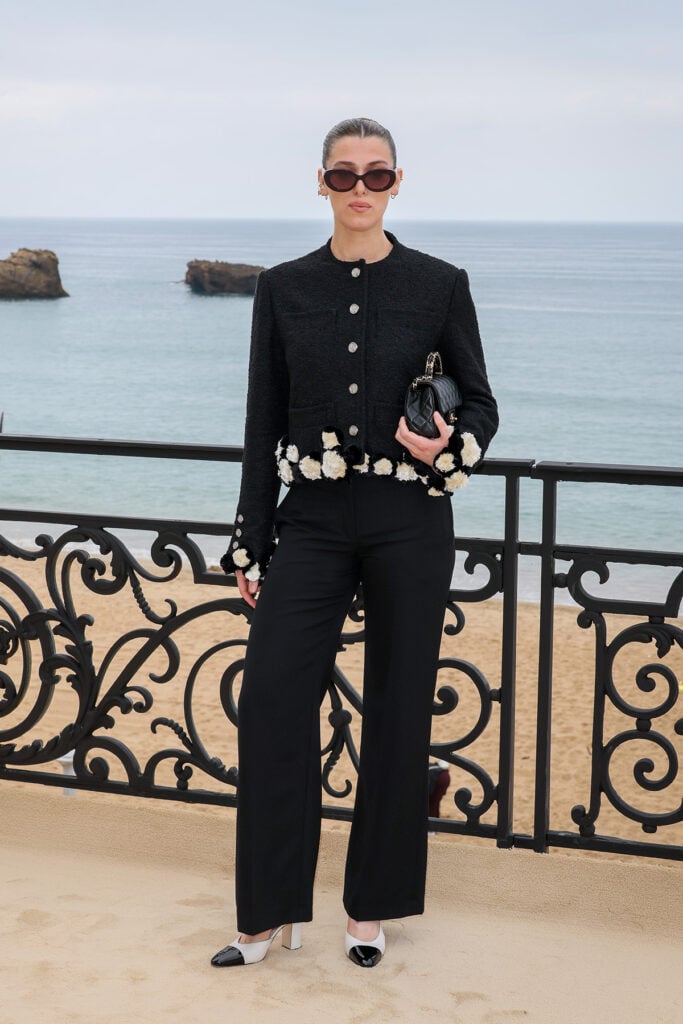
While the runway was a celebration of coastal light and movement, the front row adopted a more tempered, intellectual tone. The guest list was a curated mix of long-time brand ambassadors and contemporary cultural icons, most of whom opted for a palette of black, white, and navy, allowing the collection’s nautical themes to take center stage.
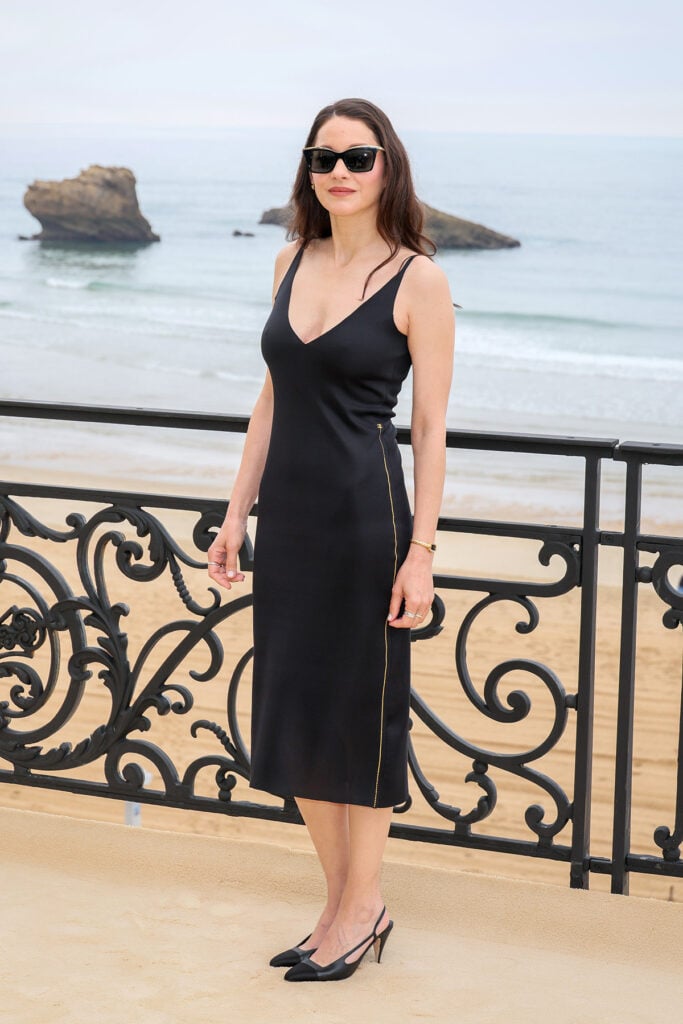
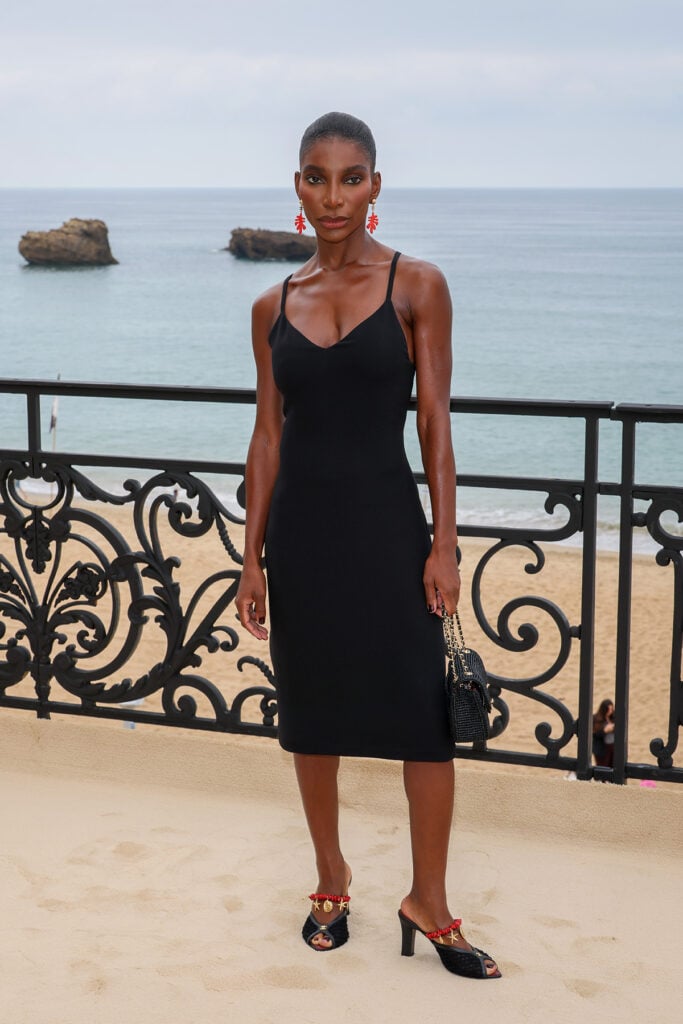
Michaela Coel and Marion Cotillard, two of the house’s most prominent faces, offered contrasting takes on the classic Little Black Dress (LBD). Cotillard’s look was traditional and quintessentially French, emphasizing a timeless silhouette. In contrast, Coel’s ensemble utilized vibrant accessories to cut through the monochrome, providing a sharp, modern edge that reflected her own adventurous style.
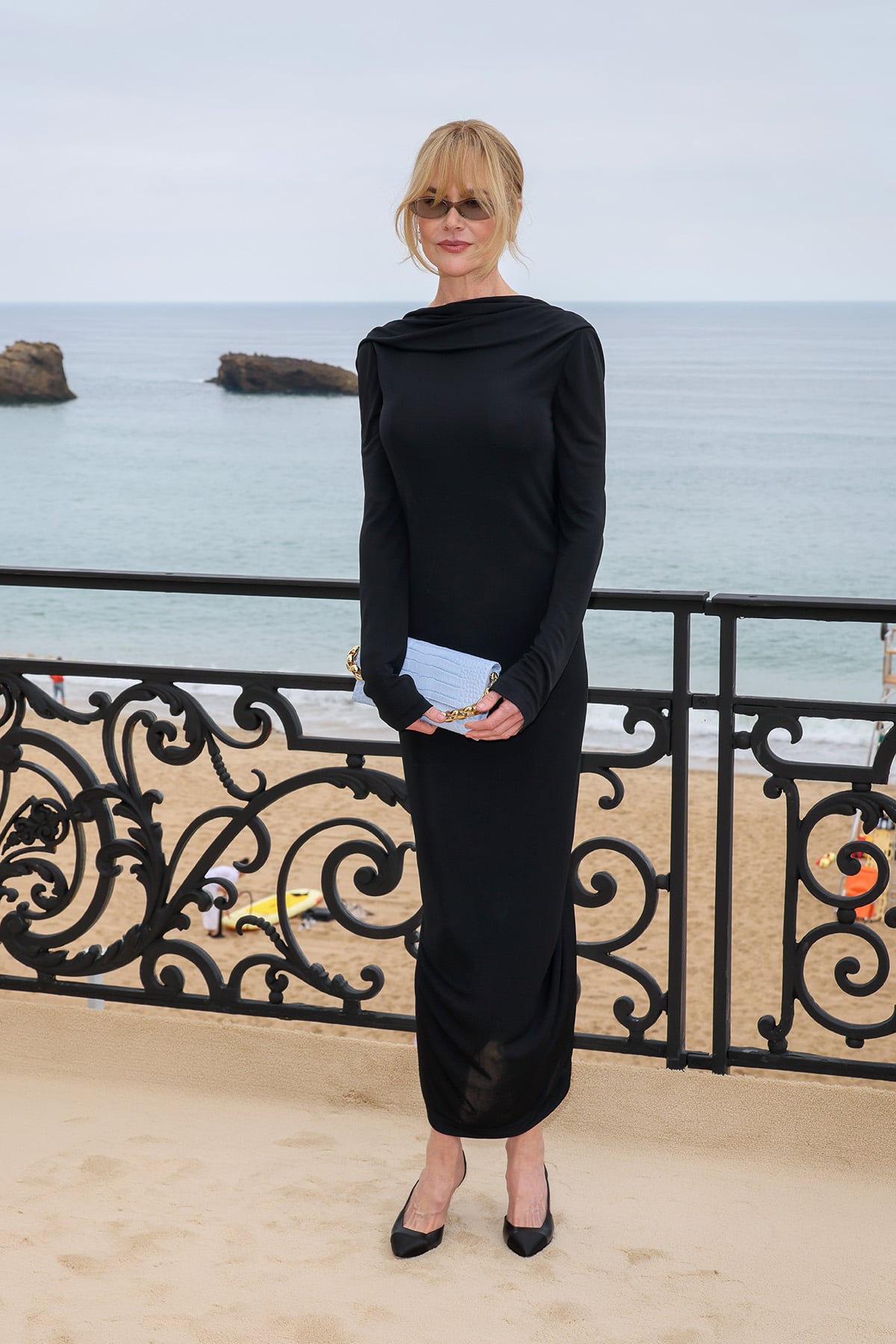
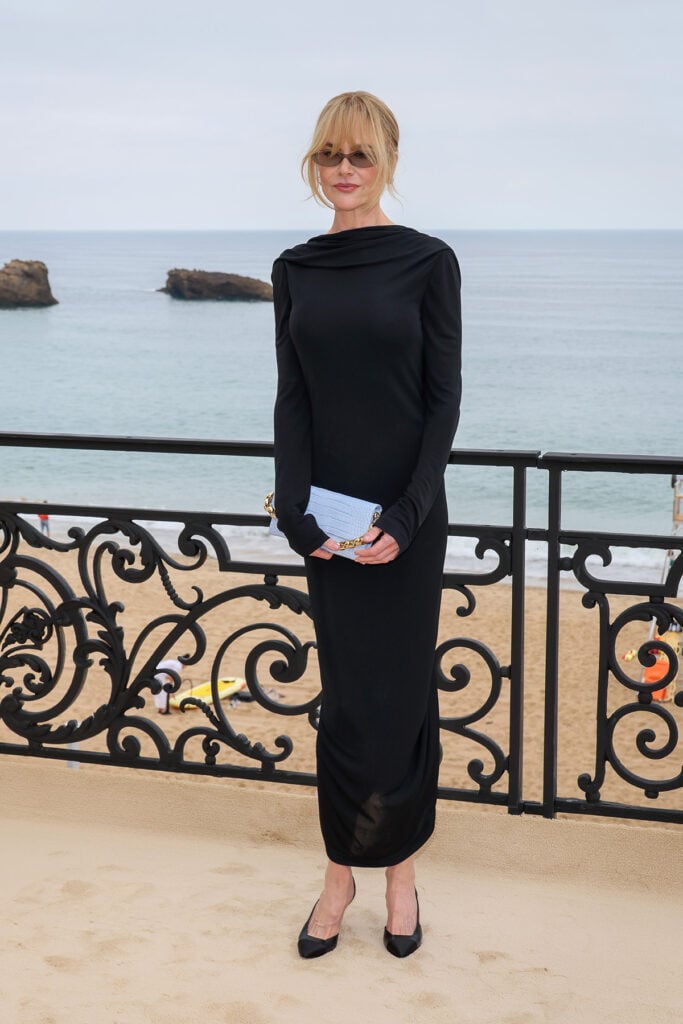
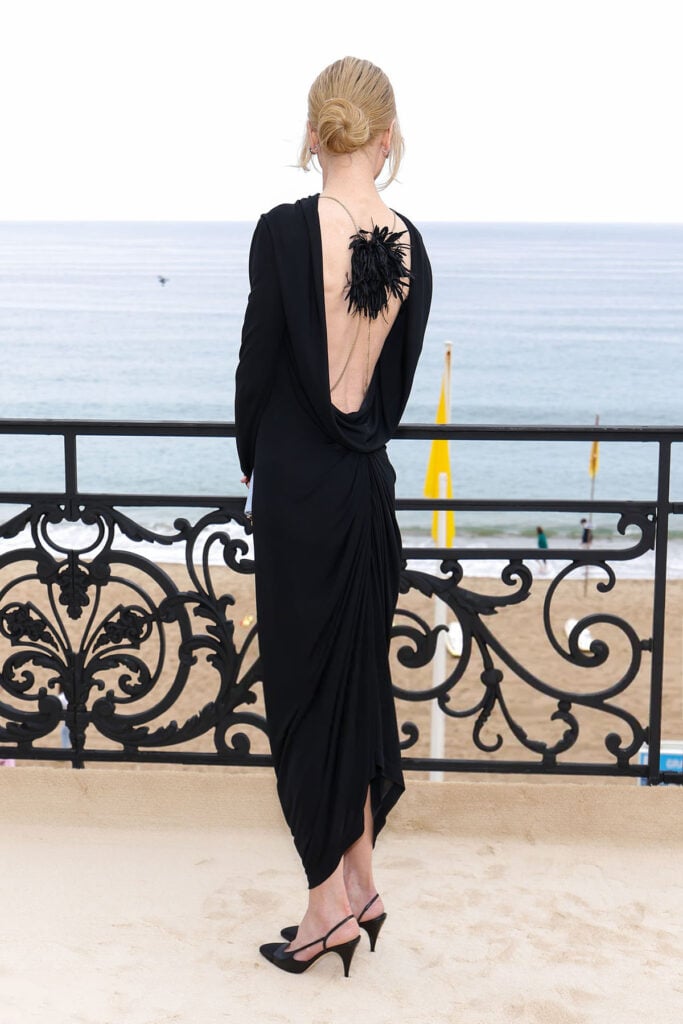
Nicole Kidman, who recently returned as a Chanel brand ambassador, made a significant impression in a black dress from the Fall 2026 collection. While the front of the garment was characterized by a minimalist, high-neck design, the open-back detail provided a dramatic focal point. Fashion critics noted that Kidman’s choice underscored the brand’s current trajectory: a focus on "quiet luxury" that reveals its complexity through construction rather than overt branding.
The Evolution of the Chanel Silhouette
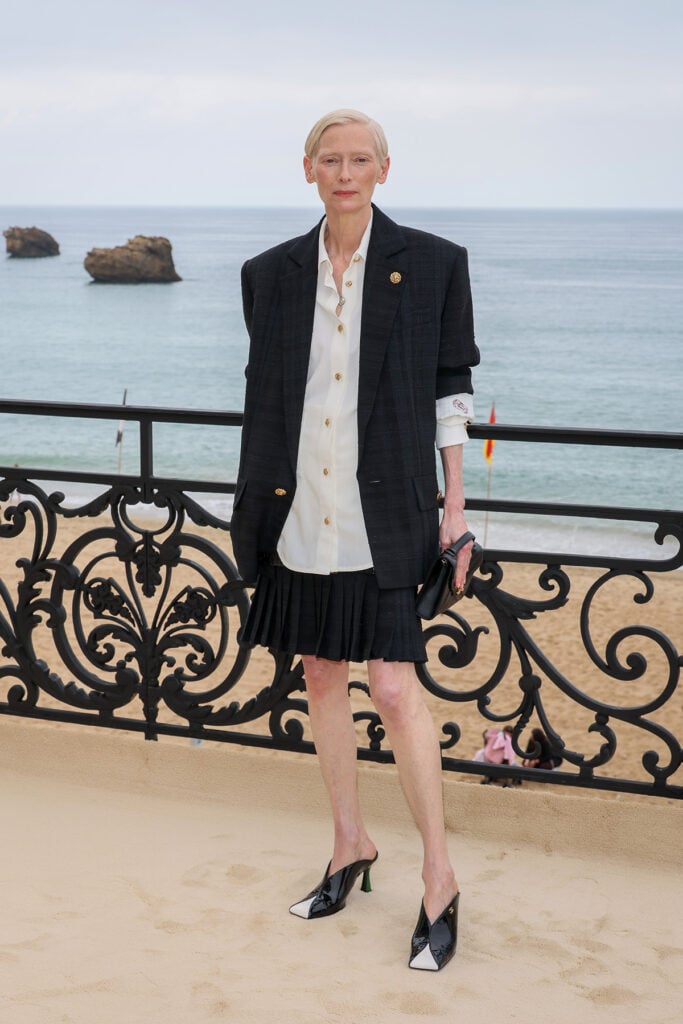
The Cruise 2027 show also highlighted subtle shifts in the brand’s signature garments. Tilda Swinton, known for her avant-garde approach to tailoring, surprised many by incorporating a mini skirt into her ensemble. Paired with a structured, tailored top and the iconic two-tone mules, the look was a departure from her usual floor-sweeping silhouettes but remained firmly within her stylistic wheelhouse.
This theme of generational evolution was further emphasized by the presence of Honor Swinton Byrne. Wearing a floral-embellished Chanel suit, Byrne’s look mirrored the aesthetic sensibilities of her mother, Tilda, suggesting a fluid exchange of style between generations—a core component of Chanel’s enduring appeal.
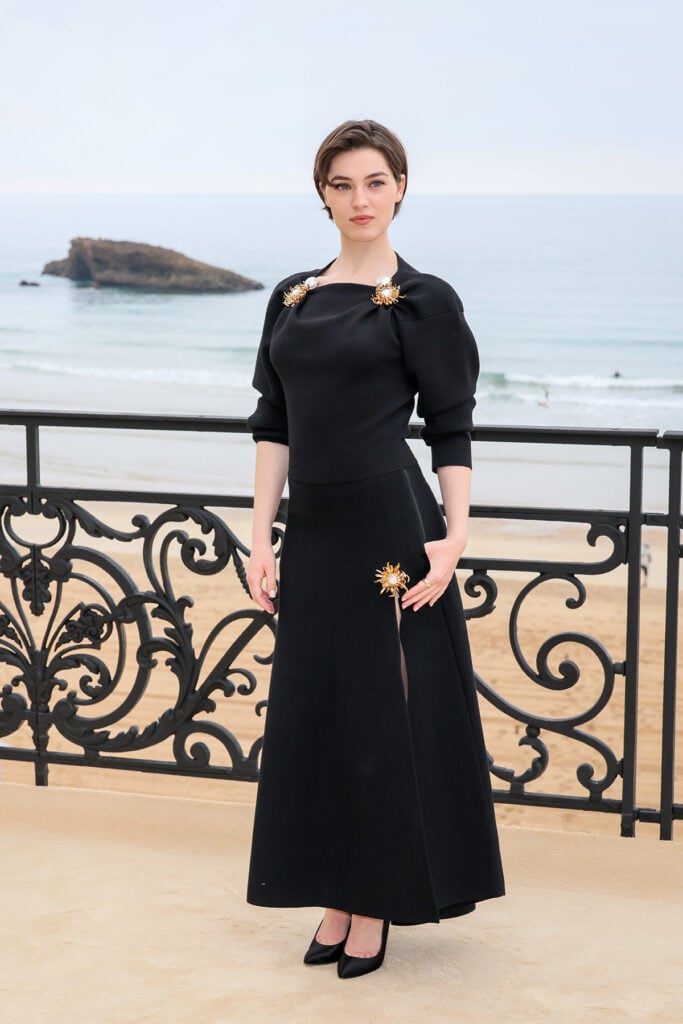
Anamaria Vartolomei provided another perspective on the house’s range. Her look featured heavy gold accents and a more traditional structure. While some observers felt the tone skewed toward an older demographic, others argued it demonstrated the versatility of Blazy’s vision, proving that the collection could cater to both the experimental youth and the classic Chanel loyalist.
Breaking the Monochrome: A$AP Rocky and the New Menswear
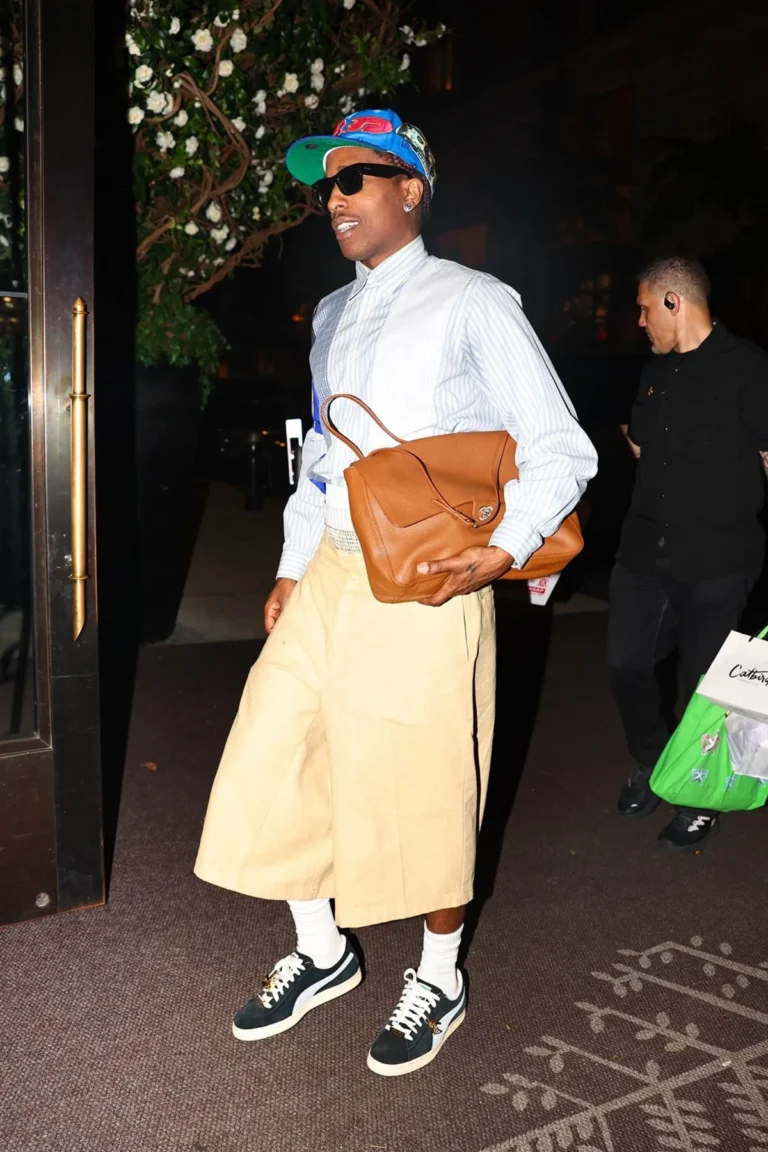
Amidst a sea of black and white, A$AP Rocky provided a necessary jolt of color and personality. His ensemble broke from the established "front row uniform," featuring relaxed trousers, a western-leaning jacket, and a bold red shirt. The most talked-after elements of his outfit, however, were the pink Chanel bag and matching mini ballet flats.

The rapper’s choice was not merely a fashion statement but a personal one, as he noted the accessories were a nod to his daughter, Riot Rose Mayers. This inclusion of menswear—and the blurring of gender lines through accessories—signals Chanel’s continued interest in expanding its reach within the luxury menswear market, a sector that has seen significant growth over the past five years.
The Commercial Power of the Cruise Collection
In the luxury fashion cycle, Cruise (or Resort) collections are often the most commercially significant. Unlike the more conceptual Fall/Winter or Spring/Summer lines, Cruise collections typically remain on the sales floor for up to eight months—the longest duration of any seasonal release.
Blazy’s focus on "beach-to-city" dressing is a strategic move to capture this market. By offering pieces that are as functional on a Mediterranean yacht as they are in a Parisian boardroom, Chanel is positioning itself to capitalize on the increasing "bleisure" (business-leisure) travel trend. The oversized bag from Look 51 is a prime example of this strategy; it serves as a functional travel tote while maintaining the high-fashion status required for urban environments.
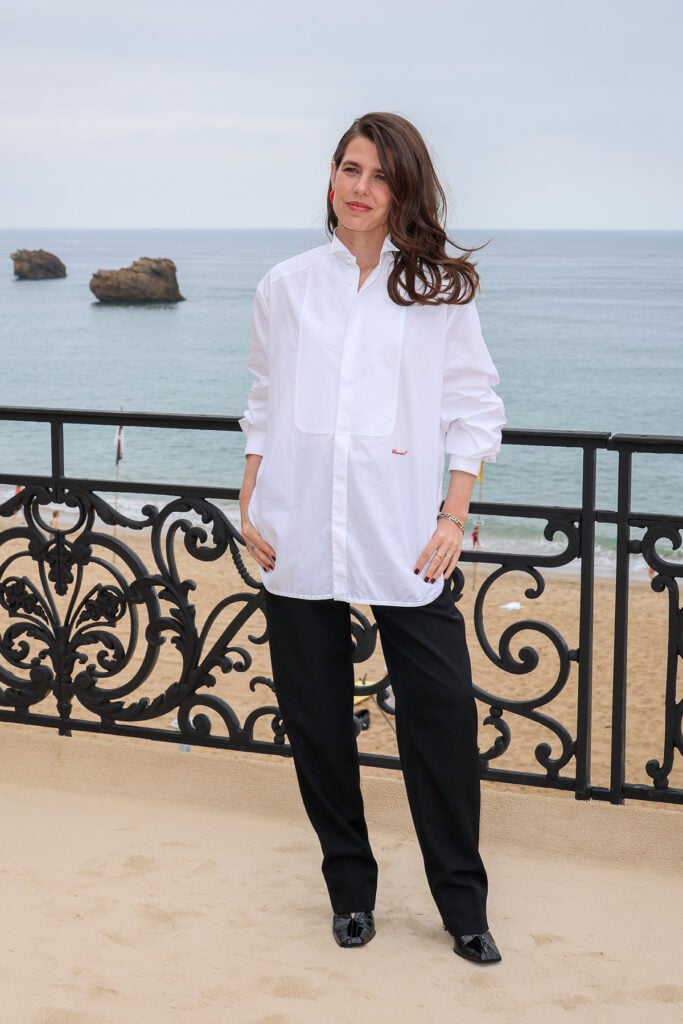
According to market data from the previous fiscal year, accessories account for over 50% of Chanel’s annual revenue. The emphasis on new bag silhouettes and the "bib shirt" (seen on Charlotte Casiraghi and previously on Jacob Elordi and Jessie Buckley) suggests that the house is doubling down on high-margin items that have high visibility on digital platforms.
The Return of the Bib Shirt and Traditional Motifs
Charlotte Casiraghi’s appearance in the Chanel Spring 2026 bib shirt confirmed the garment’s status as a new staple for the house. The bib shirt has seen a steady rise in popularity since its debut, appearing on a wide range of celebrities across different genders and styles. Its presence in Biarritz reinforces the idea of a "permanent collection" within the seasonal shifts—pieces that remain relevant across multiple years.
The use of traditional Basque motifs and nautical stripes throughout the Cruise 2027 collection also served to ground the brand in its geographical history. This "locational storytelling" is a tactic increasingly used by luxury brands to create a sense of authenticity and exclusivity, making the show not just a display of clothes, but a cultural event tied to a specific place and time.

Broader Implications for the House of Chanel
The Biarritz show marks a pivotal moment for Chanel under Matthieu Blazy’s creative direction. By successfully navigating the house’s vast archives while introducing contemporary elements like gender-fluid accessories and relaxed tailoring, Blazy has demonstrated a sophisticated understanding of the brand’s dual identity as both a historical institution and a modern trendsetter.
The subdued nature of the front row, punctuated by the high-energy presence of figures like A$AP Rocky, reflects a brand that is comfortable in its skin. It does not feel the need to shout to be heard, relying instead on the quality of its craftsmanship and the strength of its heritage.
As the fashion industry continues to grapple with shifting consumer values and an increasingly digital landscape, Chanel’s return to Biarritz serves as a reminder of the power of physical history. The Cruise 2027 collection is a testament to the idea that to move forward, one must occasionally look back to where it all began.
Future Outlook and Industry Reaction
Initial reactions from fashion critics and retail buyers have been overwhelmingly positive. The collection is praised for its "wearability"—a term that was once a slight in the high-fashion world but is now a coveted attribute in a market that prizes utility and longevity.
"Blazy has managed to make Chanel feel breezy again," noted one senior fashion editor. "The heavy weight of the brand’s history is there, but it doesn’t feel burdensome. It feels like a summer wind off the Atlantic."
As these pieces begin to hit boutiques in the coming months, the industry will be watching closely to see if the commercial performance matches the critical acclaim. If the early buzz surrounding the "Look 51" bag and the "beach-to-city" tailoring is any indication, Chanel’s Biarritz homecoming will be remembered as one of the most successful chapters in the brand’s modern history. The fusion of Gabrielle Chanel’s 1915 spirit with Matthieu Blazy’s 2027 vision has created a collection that is not just a tribute to the past, but a roadmap for the future of the maison.