










The profound truth articulated by James Baldwin – "You think your pain and your heartbreak are unprecedented in the history of the world, but then you read" – encapsulates the transformative power of literature. It is this very principle that underpins the return of the Aesop Queer Library to London, marking its sixth consecutive year as a beacon of solace, solidarity, and revelation. From July 3rd to 5th, Aesop’s Soho store will once again shed its usual retail facade, transforming into a vibrant literary hub filled exclusively with books by LGBTQIA+ authors from across the globe, all offered free of charge to visitors. This initiative is more than a mere book giveaway; it is a meticulously curated experience designed to open eyes, bridge divides, and affirm identities, fostering connections between readers and narratives they might otherwise never encounter.
A Decade of Literary Activism: The Aesop Queer Library’s Journey
The Aesop Queer Library began as a singular act of literary generosity and has steadily grown into a celebrated annual event, embodying a tangible commitment to the LGBTQIA+ community. Since its inception, the initiative has sought to address the historical underrepresentation of queer voices in mainstream publishing and retail spaces. By dedicating prime retail real estate to queer literature, Aesop not only champions these narratives but also creates a uniquely accessible and welcoming environment for discovery. The concept is elegantly simple yet powerfully impactful: customers are invited to browse a diverse collection of titles and take home any book that resonates with them, completely free, removing economic barriers to accessing queer stories and thought. This model reflects a deeper understanding of community engagement, moving beyond transactional relationships to foster cultural enrichment and support.
Over the years, the Queer Library has expanded its reach and influence, becoming a landmark event during Pride Month celebrations in London. Each iteration has brought new themes and curated lists, reflecting the evolving landscape of queer literature and contemporary discussions within the community. The continuity of this event for six years underscores its significance and the sustained demand for spaces that celebrate and uplift LGBTQIA+ experiences through the written word. It serves as a testament to the enduring power of literature as a tool for advocacy, education, and personal growth, reinforcing the idea that stories can indeed change lives and perspectives.
"Body of Work": Exploring Queer Identity Through Form and Experience
This year’s theme, "Body of Work," delves into the multifaceted ways queer literary voices utilize the body as a canvas for power, pleasure, resistance, and renewal. It invites readers to explore narratives where the physical form is not merely a vessel but a central site of identity, struggle, and triumph. This theme is particularly poignant in the context of queer experiences, where bodies have often been sites of contention, judgment, and political discourse, but also profound self-expression, joy, and connection.
The featured title for this year, The Log Books: Voices of Queer Britain and the Helpline that Listened by Adam Zmith and Tash Walker, serves as a powerful anchor for the "Body of Work" theme. This book meticulously resurfaces the history of Switchboard, the pioneering LGBTQIA+ helpline, offering an intimate glimpse into the lives and struggles of queer individuals across decades. As K Bailey Obazee, founder of PRIM and OKHA, the queer and Black book club, eloquently states, "This is a book that takes us back in time… it highlights just how far we’ve come as a society, from Section 28 in the 80s to Same-Sex Marriage in 2013."
The historical context provided by The Log Books is crucial. Section 28, enacted in 1988, prohibited the "promotion of homosexuality" by local authorities and in schools, casting a long shadow over LGBTQIA+ lives in the UK until its repeal in 2003 (England and Wales) and 2000 (Scotland). Its impact was profound, fostering an environment of fear and silence. The journey from this oppressive legislation to the legalization of same-sex marriage in 2013 represents a monumental shift in societal attitudes and legal frameworks, largely propelled by the relentless efforts of activists and support networks like Switchboard. Obazee’s observation that "the work by volunteers made that journey possible and this book gives us a look into that journey" underscores the invaluable contribution of grassroots efforts and the human stories behind legislative changes. The Log Books thus becomes a vital archive, celebrating resilience and providing essential historical memory for a community whose past has often been deliberately erased or marginalized.
Curating Black Queer Literary Excellence: The OKHA Book Club at Aesop Spitalfields
In a significant extension of the Queer Library experience, K Bailey Obazee is also hosting a dedicated Reading Room at Aesop Spitalfields, featuring a special OKHA book club session. OKHA, a queer and Black book club, plays a crucial role in amplifying voices that often navigate multiple layers of marginalization within broader literary and queer spaces. Obazee’s curated list for Dazed, presented as part of this initiative, highlights five essential titles by queer Black writers, offering diverse perspectives and narratives that enrich the "Body of Work" theme.
-
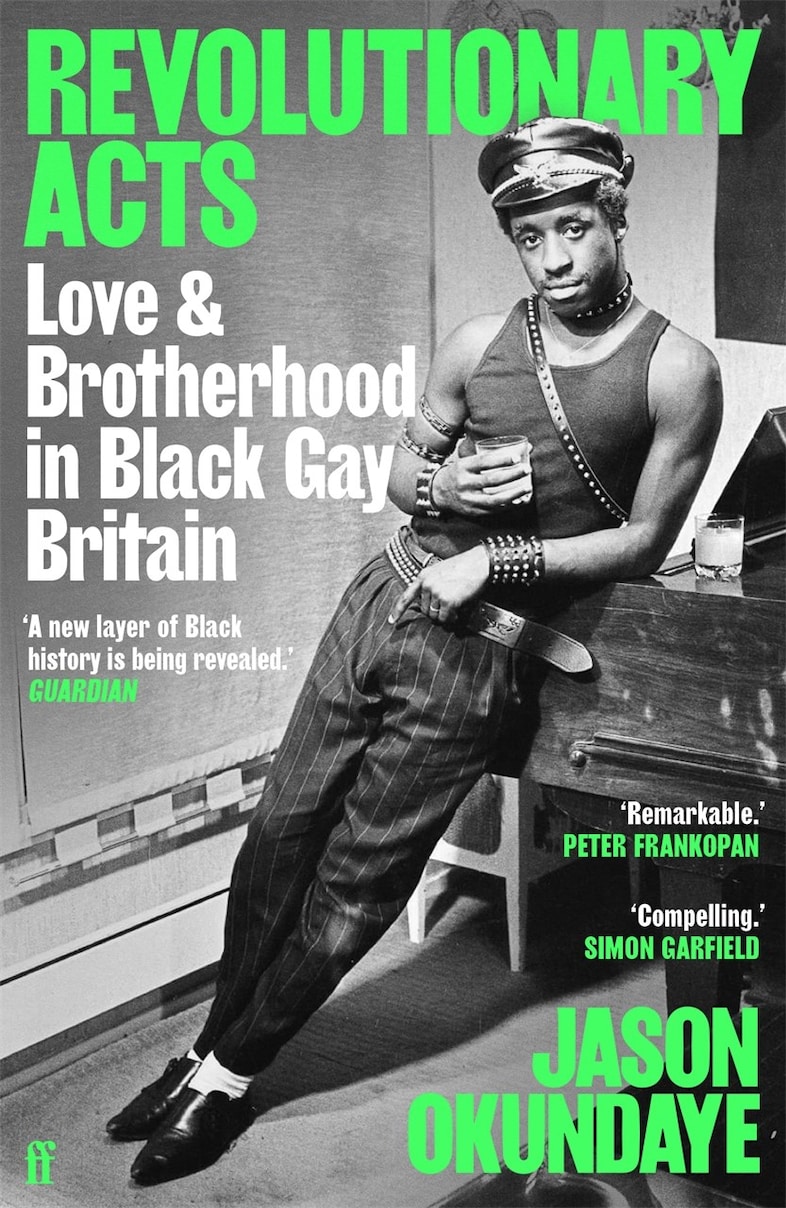
Revolutionary Acts: Love & Brotherhood in Black Gay Britain by Jason Okundaye
- This seminal work by Jason Okundaye is a meticulously researched and deeply compassionate exploration of an elder generation of Black gay men in Britain. Okundaye’s interviews capture their spirited lives, filled with courage, charisma, and humour, providing a much-needed historical record. The book traces their journeys and arrivals to South London from the 1970s through the 1990s, detailing experiences of nightlife, resistance, political activism, love, loss, and the everyday complexities of their lives. Obazee praises the book for its historical significance, calling it "a time capsule for queer life until now." It fills a critical gap in British queer history, offering an honest and intimate portrayal of Black male queer experiences in London, a perspective often overlooked in broader historical narratives. The work serves as both an inspiring and educational resource, ensuring that these vital stories of resilience and community are preserved and celebrated.
-
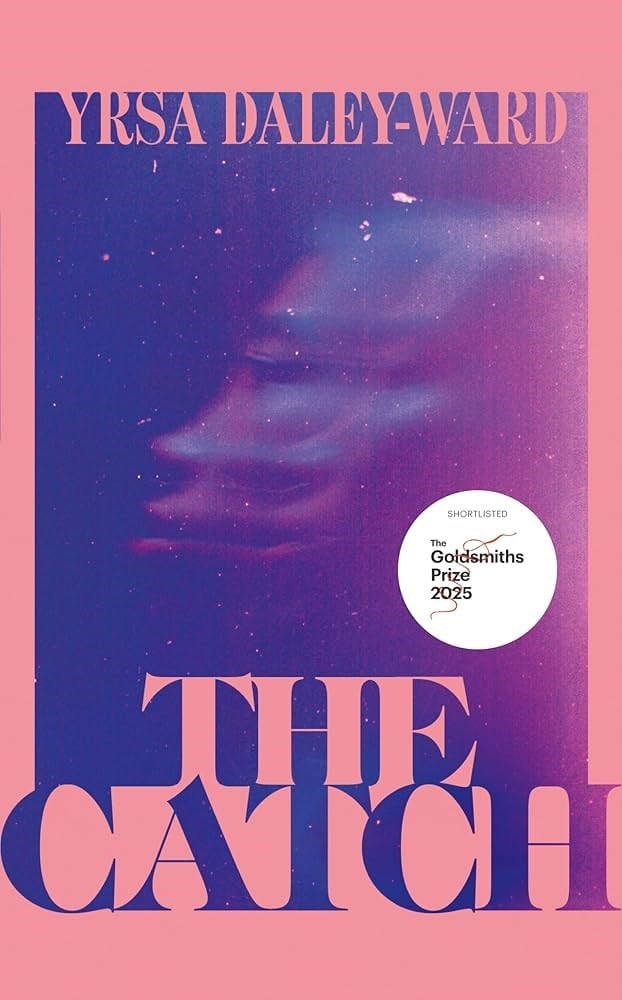
The Catch by Yrsa Daley-Ward
- Yrsa Daley-Ward’s The Catch is a psychological thriller that challenges perceptions of reality, grief, and familial bonds. It follows twin sisters Clara and Dempsey, whose lives have been irrevocably shaped by their mother’s mysterious disappearance into the Thames. Years later, Clara encounters a woman in London who eerily resembles their mother, Serene, yet appears untouched by time and without children. This encounter ignites a profound conflict between the sisters, forcing them to confront their pasts, their differing interpretations of truth, and the enduring trauma of their mother’s absence. Obazee describes it as a "psychological head spinner that tackles grief, motherhood, gender, mental illness and generational trauma, playing with the lines of reality throughout." Daley-Ward, known for her lyrical prose and unflinching exploration of complex emotional landscapes, invites readers into a narrative that is as unsettling as it is insightful, prompting introspection on the nature of memory, identity, and the elusive boundaries of truth.
-
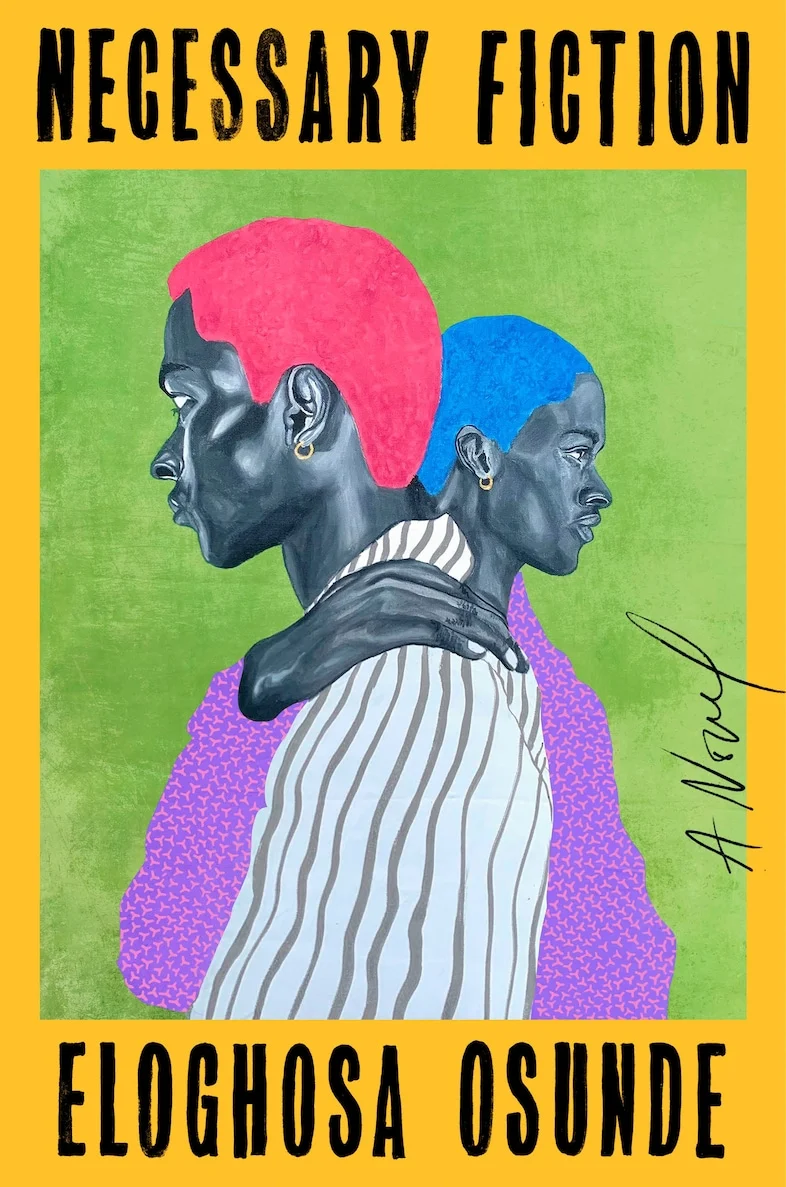
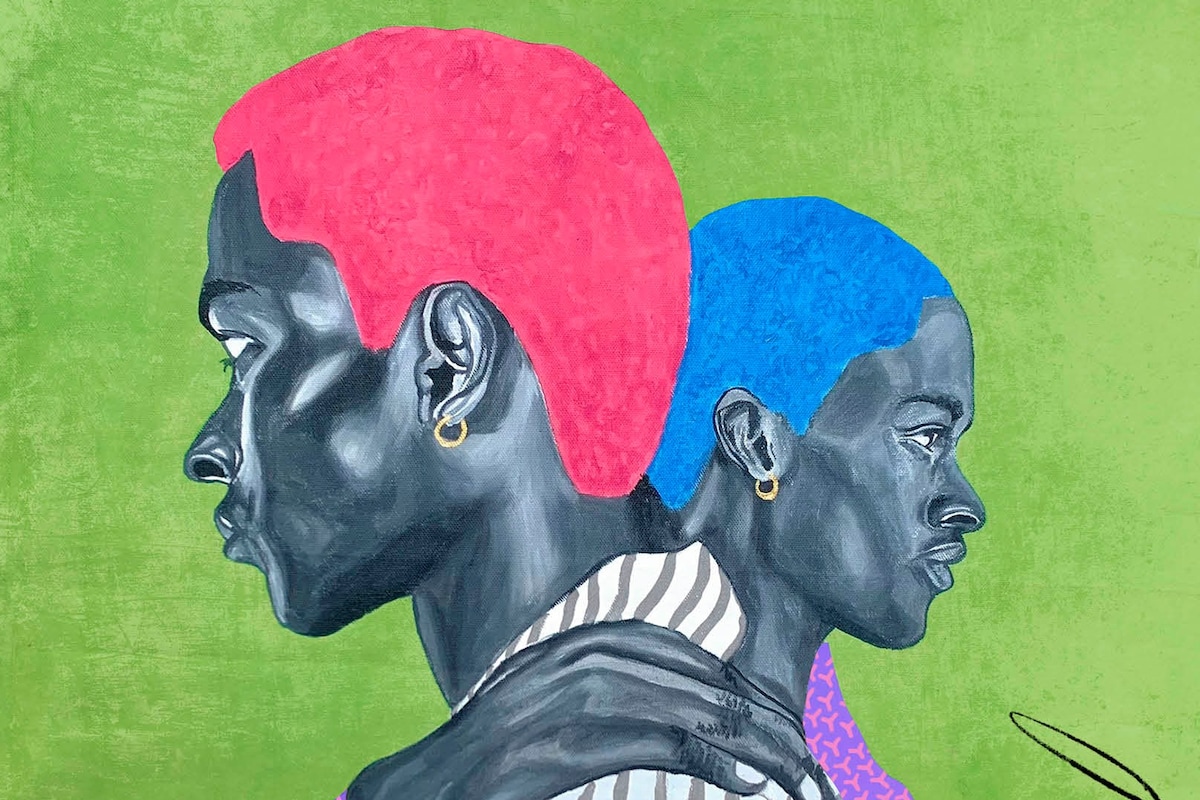
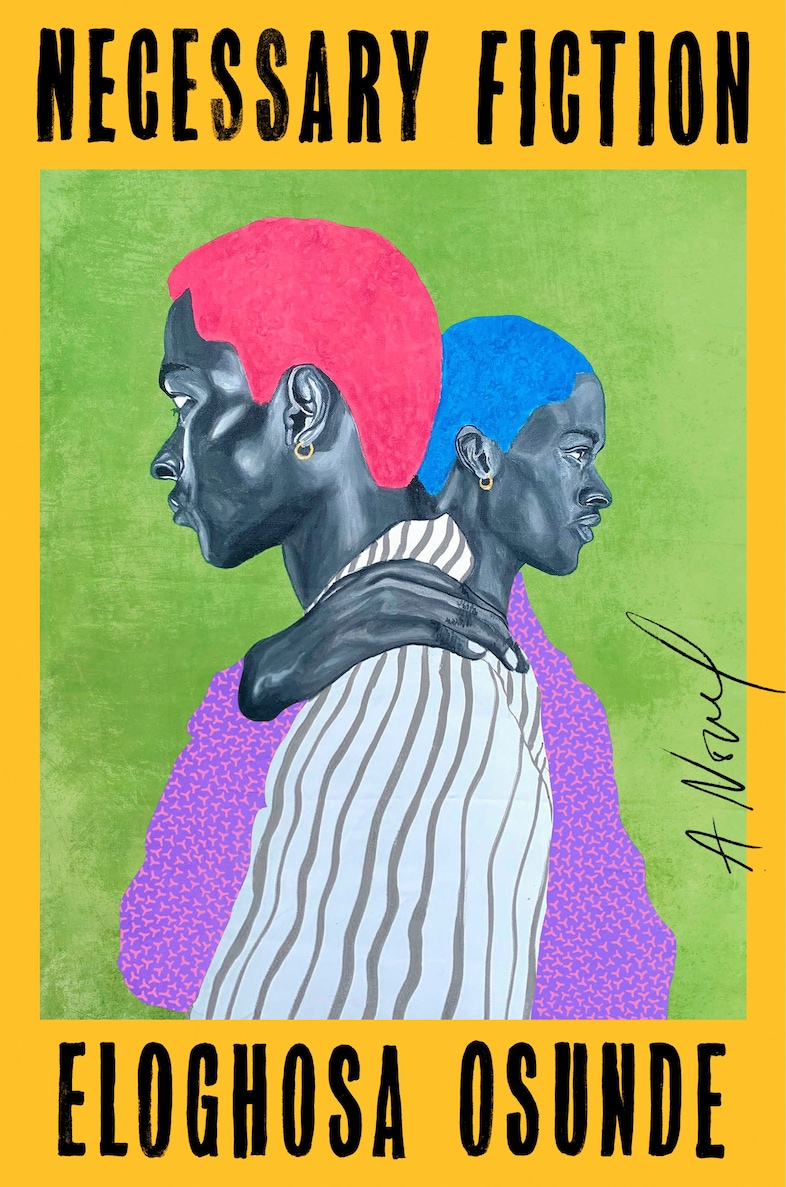
Necessary Fiction by Eloghosa Osunde
- Eloghosa Osunde’s Necessary Fiction offers a vibrant and defiant portrait of queer life in contemporary Lagos, Nigeria. The novel introduces a rolling cast of unforgettable characters who navigate the intricacies of love in its myriad forms, pushing the boundaries of their relationships with partners, family, and friends. Through their interconnected stories of forming and breaking unexpected connections, Osunde illuminates the nuanced realities of being queer in a society where acceptance can be conditional and often precarious. Obazee highlights the book’s ability to showcase the "rich in love, culture, joy and care" that exists in Nigeria, while simultaneously confronting the harsh realities of conditional love based on one’s openness about their queer identity. In a country where anti-LGBTQIA+ laws are still deeply entrenched, Osunde’s work is a brave and essential act of storytelling, creating a necessary fiction that reflects and challenges the lived experiences of queer Nigerians. It’s a powerful testament to the enduring human need for love and belonging, even in the face of significant societal adversity.
-
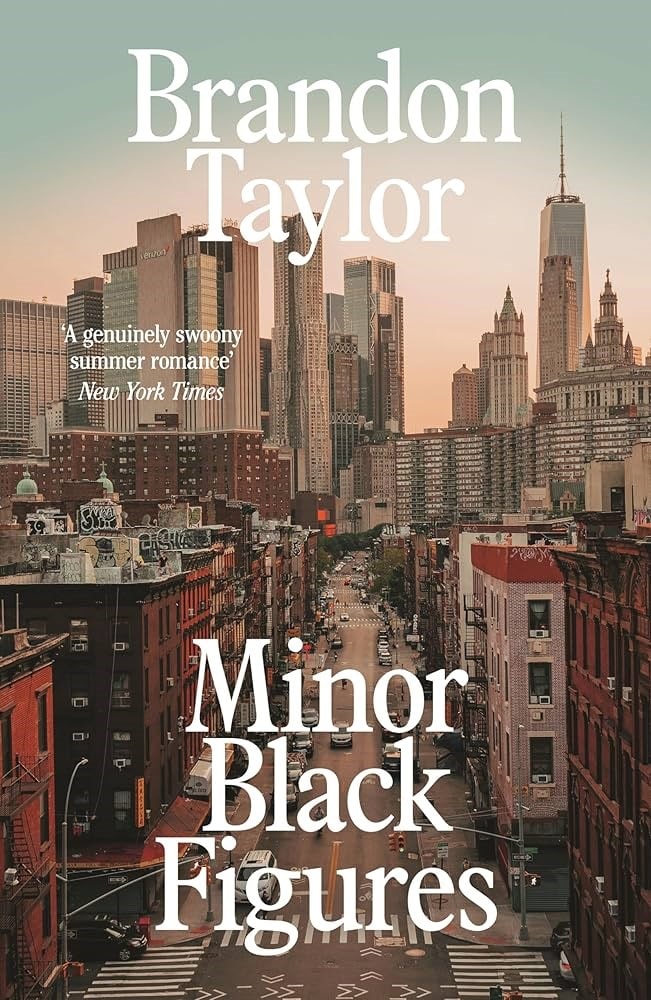
Minor Black Figures by Brandon Taylor
- Brandon Taylor’s Minor Black Figures delves into the intricate world of art, identity, and desire within the contemporary Manhattan art scene. The story centers on Wyeth, a young Black painter new to New York, as he strives to find his place and voice amidst its competitive landscape. He forms an unlikely connection with Keating, a white former priest grappling with his faith. Despite their apparent differences, Keating offers Wyeth a new lens through which to perceive the world. However, as their relationship deepens, the stark contrasts between them become more pronounced, forcing them to confront what they are willing to risk for both artistic expression and love. Obazee praises the book for its exploration of "the legacy of Black artists" and its "erotic energy," noting the "meticulous descriptions and conversations between characters." Taylor, celebrated for his sharp psychological insights and evocative prose, crafts a narrative that is both intellectually stimulating and emotionally resonant, offering a profound meditation on creativity, race, sexuality, and the complexities of human connection.
-
Giovanni’s Room by James Baldwin
- No discussion of queer literature would be complete without James Baldwin’s seminal Giovanni’s Room, a title that also features among the 33 books in Aesop’s main Queer Library collection. Set in 1950s Paris, the novel follows David, a young American whose life takes an unexpected turn when he meets Giovanni, a handsome Italian barman, while his fiancée is on vacation. Their intense affair forces David to confront his hidden desires and the societal pressures that compel him towards a "safe" heterosexual future. His eventual rejection of Giovanni for a life he believes he "should" lead leads to profound tragedy, longing, and regret. Obazee reflects on the enduring impact of the story, noting its incredible character building and the immersive quality that makes readers feel "in the room." Giovanni’s Room remains a classic for its unflinching depiction of internal conflict, the destructive power of self-denial, and the harsh realities of living as a queer person in a heteronormative world. Its themes of love, betrayal, and the search for authentic selfhood continue to resonate deeply with readers decades after its initial publication, underscoring Baldwin’s unparalleled ability to articulate the universal human experience through a queer lens.
Broader Impact and Philanthropic Endeavors
Beyond its direct literary offerings, the Aesop Queer Library initiative extends its impact through significant philanthropic contributions. The Aesop Foundation will be donating to two vital charities: Switchboard and Not a Phase. Switchboard, as highlighted by The Log Books, has been a lifeline for the LGBTQIA+ community for over five decades, providing support, information, and a listening ear. Its continuous operation, run by dedicated volunteers, has been instrumental in navigating periods of intense social and legal adversity, offering a safe space for individuals to explore their identities and seek help.
Not a Phase is a nationwide trans+ charity dedicated to supporting and empowering the trans, gender non-conforming, and non-binary community. In an era where trans rights are increasingly under attack in various parts of the world, and access to affirming care and safe spaces remains a significant challenge, the work of organizations like Not a Phase is more crucial than ever. They provide vital services, advocacy, and community-building initiatives that directly address the unique needs and vulnerabilities of trans+ individuals.
Aesop’s financial support for these organizations demonstrates a holistic approach to community engagement, linking cultural celebration with direct aid. This synergy amplifies the overall impact, ensuring that the spirit of inclusivity fostered by the Queer Library translates into tangible support for those on the front lines of LGBTQIA+ welfare and advocacy. Such corporate responsibility sets an important precedent, illustrating how businesses can leverage their platforms and resources to effect positive social change beyond their commercial interests.
The Enduring Power of Queer Literature in a Changing World
The Aesop Queer Library, through its annual return and its thoughtful curation, reaffirms the enduring and essential power of literature. James Baldwin’s insight that reading can transcend individual pain by connecting us to a shared human experience resonates deeply with the mission of this initiative. Queer literature, in particular, offers a unique mirror and window: a mirror for LGBTQIA+ individuals to see their own experiences reflected, affirmed, and celebrated, fostering a sense of belonging and reducing feelings of isolation. Simultaneously, it acts as a window for allies and those outside the community to gain empathy, understanding, and a richer appreciation for the diverse tapestry of human existence.
In an increasingly digitized and often fragmented world, the act of picking up a physical book remains a powerful, intimate experience. Initiatives like the Aesop Queer Library ensure that these vital stories not only survive but thrive, reaching new audiences and continuing to inspire dialogue, foster acceptance, and drive progress. The event stands as a powerful reminder that literary spaces are not just about books; they are about building communities, preserving histories, and envisioning more inclusive futures, one free book at a time. The continued success and expansion of this library highlight a persistent need for such spaces, cementing its role as a significant cultural event in London’s Pride calendar and beyond.