

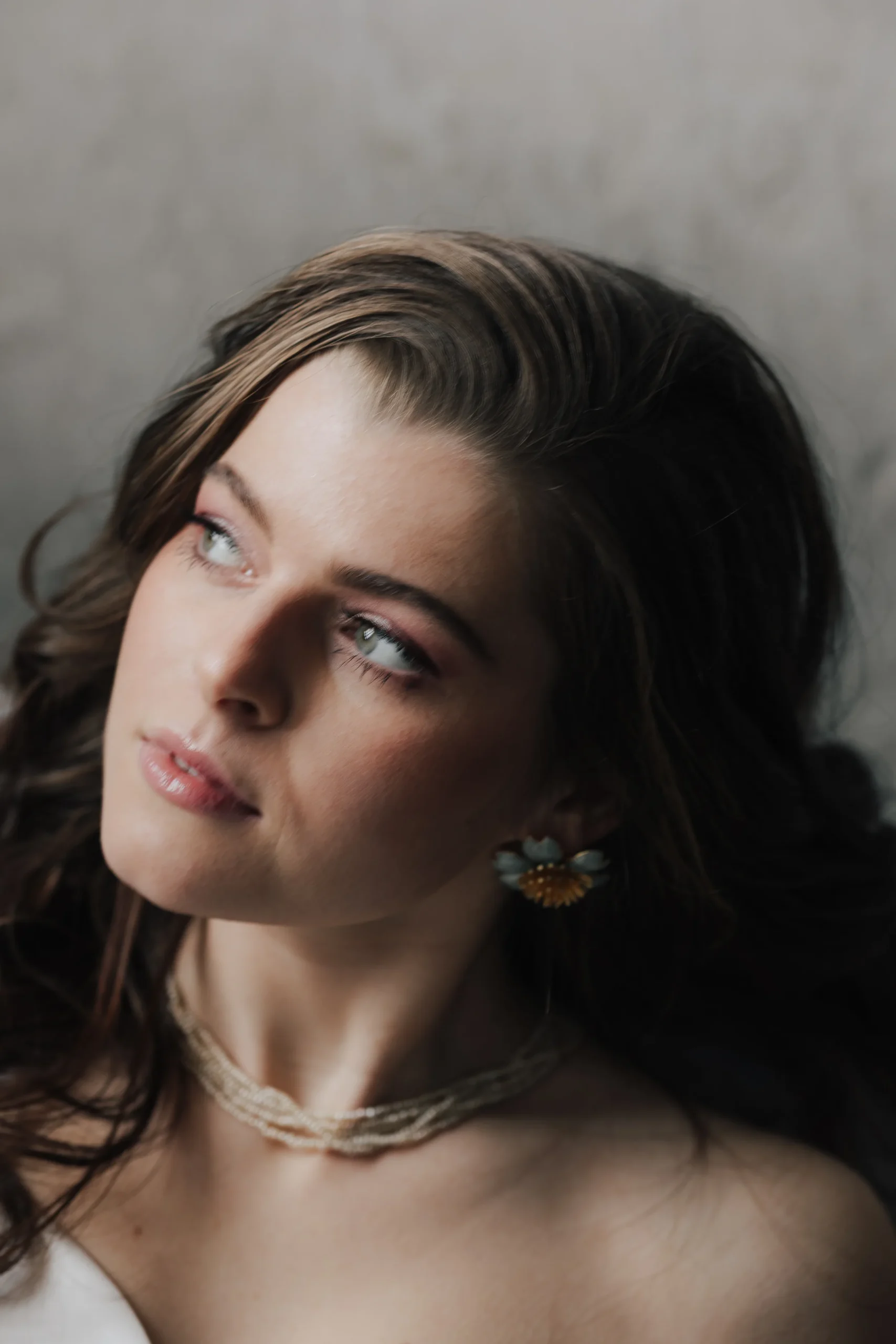
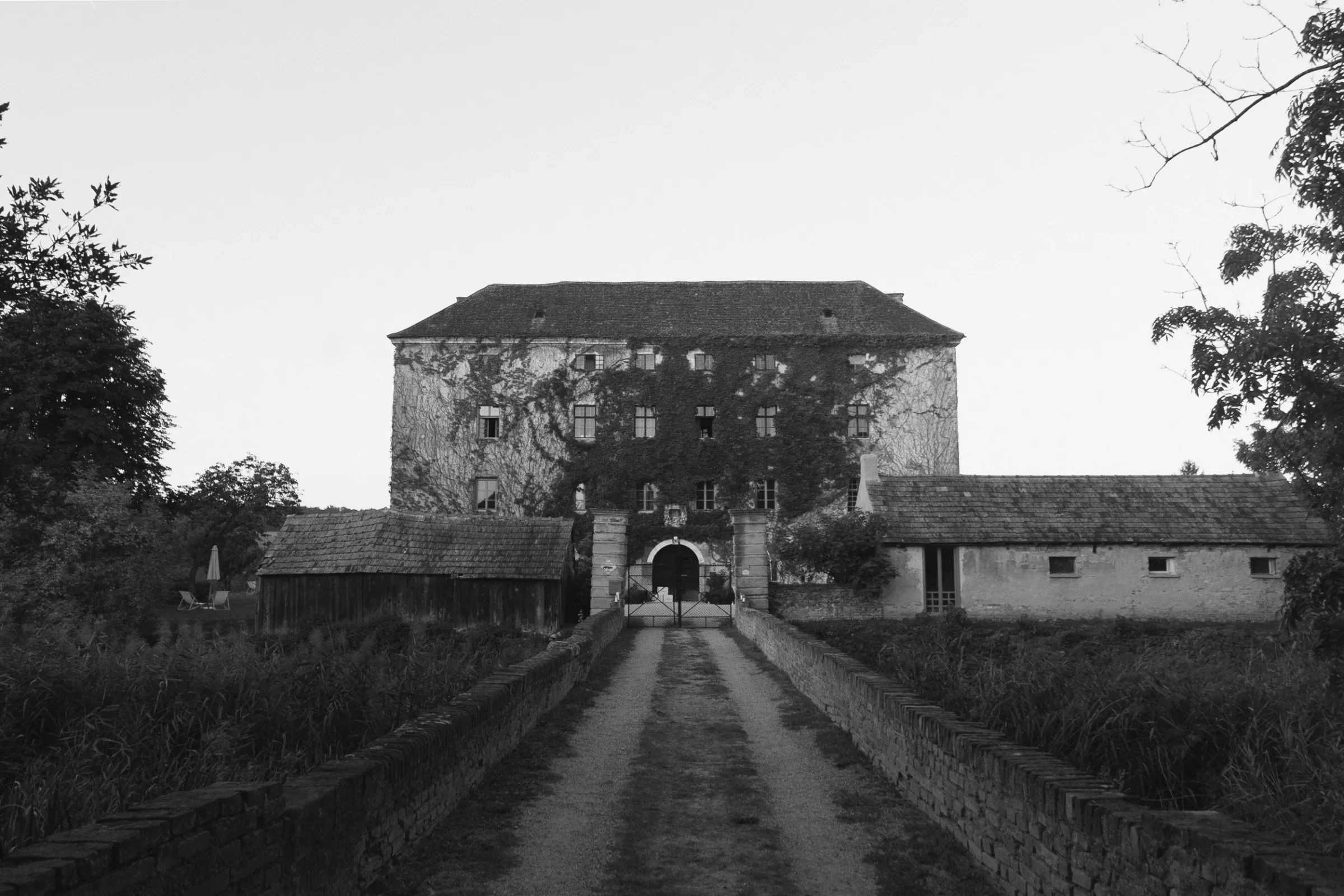
Castle Haggenberg, a historic Baroque landmark situated in the Weinviertel region north of Vienna, recently served as the primary site for a comprehensive bridal editorial aimed at blending 17th-century artistic heritage with contemporary wedding aesthetics. The project, led by Vienna-based photographer Ella Széchenyi, focused on the intersection of architectural history and modern styling, utilizing the castle’s preserved frescoes and stucco ceilings as the foundational elements of the visual narrative. Rather than treating the venue as a passive backdrop, the creative team implemented a strategy where the site’s specific historical details—ranging from mythological iconography to a distinct pastel color palette—informed every aspect of the production, including floral design, confectionery art, and bridal fashion.
Architectural Context and Historical Significance
Castle Haggenberg represents a significant example of the Baroque transformation that swept through Lower Austria during the late 17th century. Originally a medieval structure, the castle underwent extensive renovations that introduced the ornate "faded grandeur" characteristic of the era. The interior is defined by its expansive frescoes, which feature a spectrum of soft blush, faded pink, delicate green, and powdery blue tones. These artworks are populated by mythological figures and cherubs, reflecting the late-Baroque fascination with classical antiquity and poetic allegory.
The Weinviertel region, where the castle is located, is traditionally known for its rolling hills and viticulture. However, sites like Castle Haggenberg are increasingly being recognized for their role in the "heritage tourism" and destination wedding sectors. The castle’s preservation of "playful imperfections"—such as weathered walls and a visible patina—offers a counter-narrative to the highly polished, modern venues often sought for commercial editorials. For this project, the creative team prioritized these authentic traces of time, arguing that the "magic" of the venue lies in its lived-in history rather than a sterilized restoration.
Project Chronology and Execution
The editorial was the culmination of a multi-month planning phase that began after a preliminary scouting visit to the site. The execution took place in March, a period chosen to capture the specific quality of early spring light in Lower Austria.
The production followed a structured timeline, moving through different sectors of the castle to utilize varying light conditions and architectural moods:
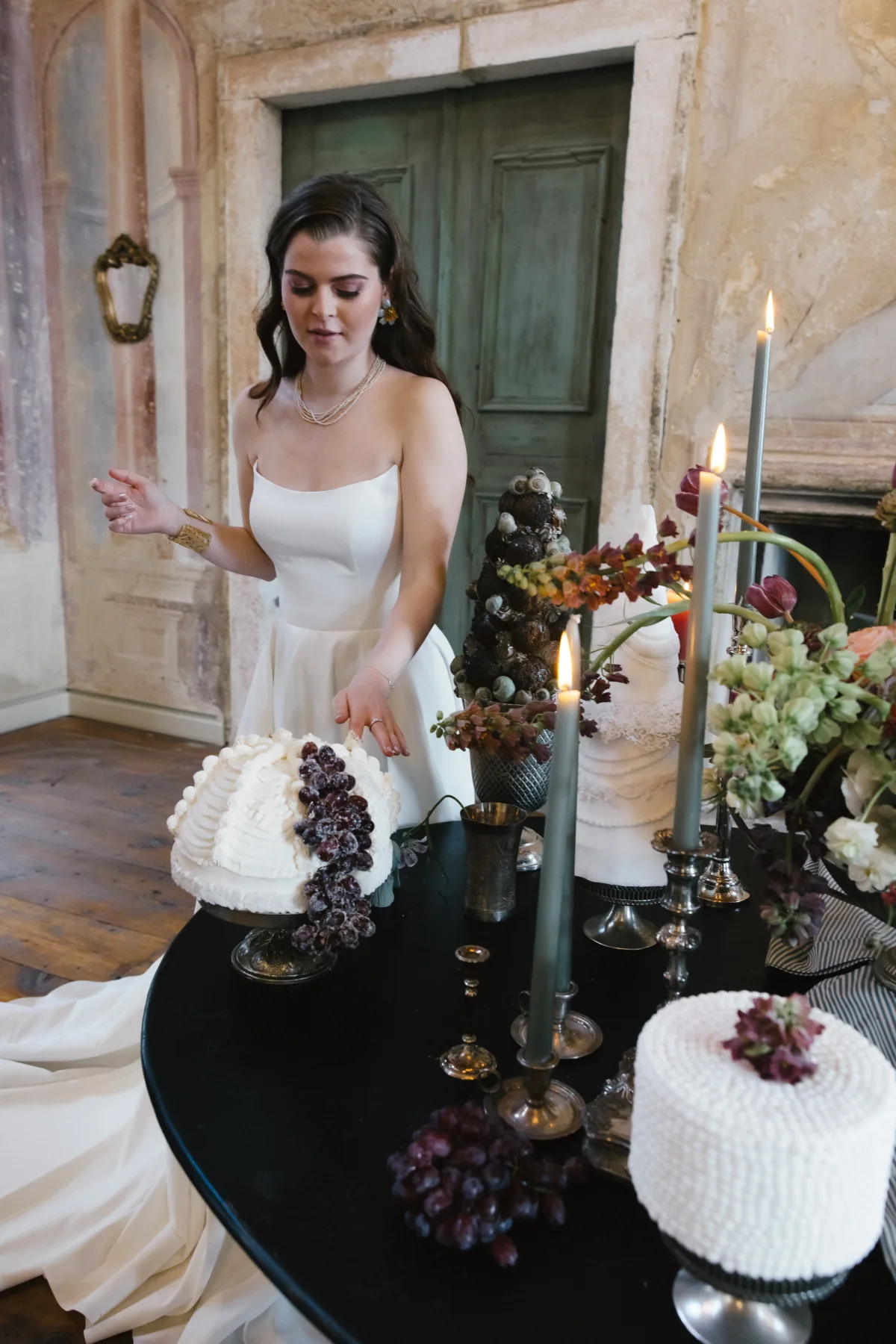
- The Grand Ballroom (Mid-day): The center of the production was the ballroom, where the team staged an opulent tablescape. This phase focused on the "Paradise" concept, integrating high-end culinary art with floral installations.
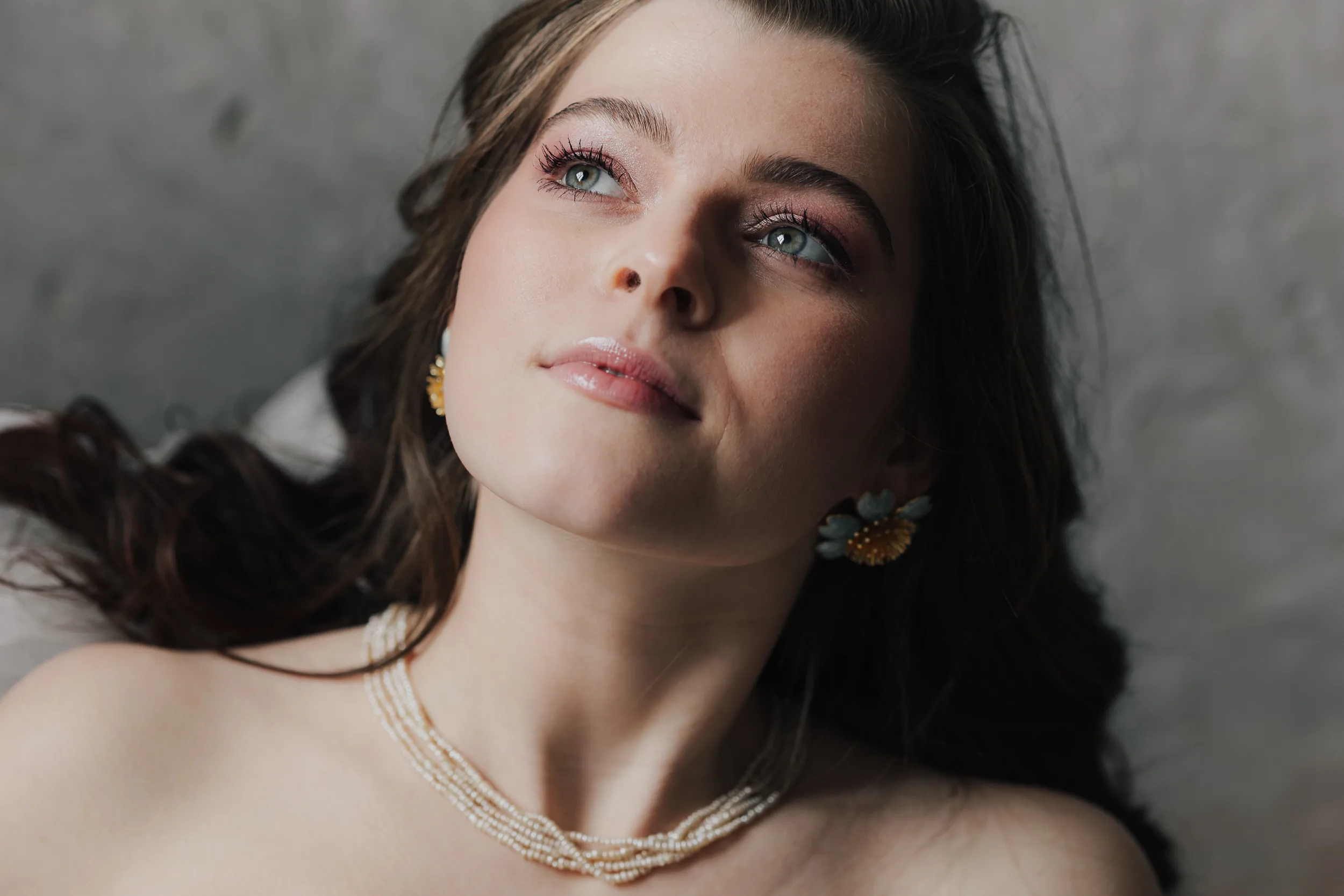
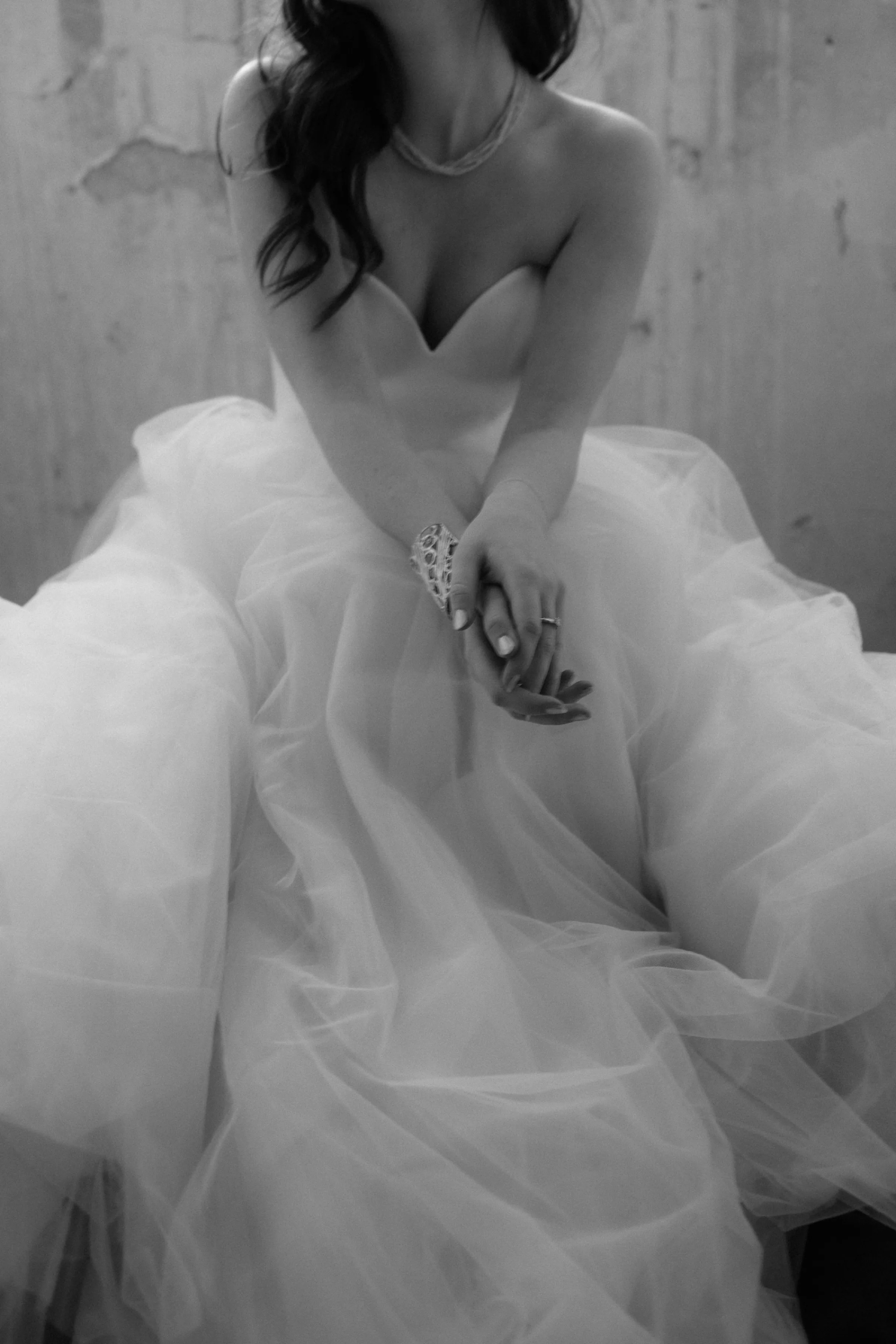
- The Grand Staircase (Afternoon): As the sun moved, the team utilized a secluded corner featuring a green velvet sofa. This segment was designed to capture high-contrast shots, utilizing soft, directional light streaming from large windows to highlight the textures of handcrafted tulle and silk.
- The Castle Gardens (Golden Hour): In the late afternoon, the production moved outdoors to the castle’s moats and gardens. This phase required a rapid styling transition to capture the "spring sun" as it set, shifting the aesthetic toward a more modern, fashion-forward bridal look.
- The Historic Bedrooms (Evening): The final scene was staged in one of the castle’s bedrooms, characterized by grand mirrors and weathered glass. This segment was intended to evoke a sense of "wild glamour," contrasting the formality of the earlier ballroom scenes with a more untamed, celebratory atmosphere.
Collaborative Artistry and Technical Specifications
The editorial brought together a specialized group of Austrian wedding vendors, each tasked with translating the castle’s Baroque motifs into their respective mediums.
Isabelle Kliaras, a renowned cake artist, developed a series of confections designed to "blend seamlessly" into the ballroom’s frescoes. By mirroring the shape and color palette of the 17th-century plasterwork, Kliaras’s work aimed to create a visual illusion where the culinary elements appeared as extensions of the architecture. This approach reflects a broader trend in the high-end wedding market toward "site-specific" design, where every element is customized to the venue’s history.
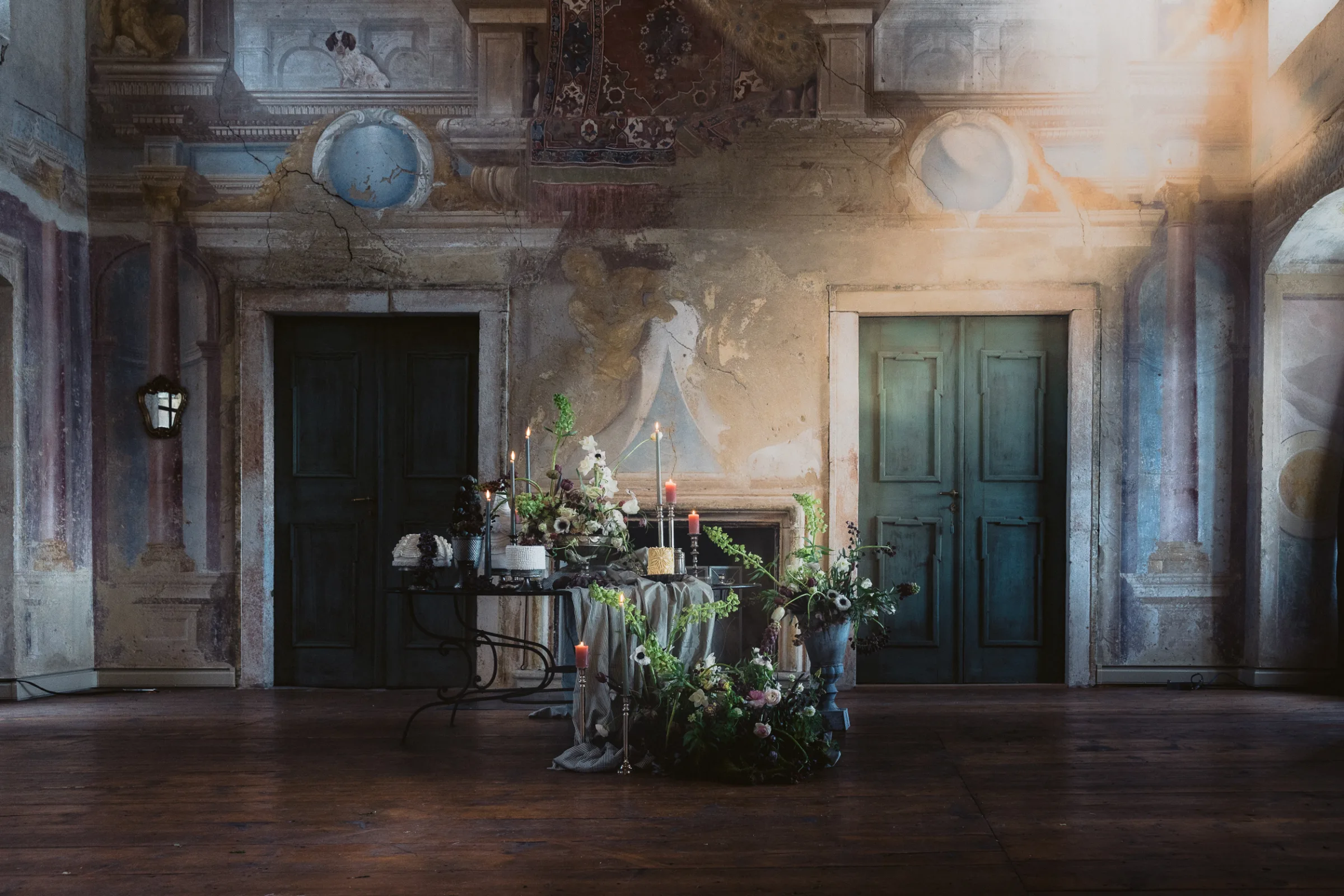
The floral arrangements, curated by Ulrike Siegl-Kospach, utilized a "casual luxury" philosophy. Instead of rigid, traditional bouquets, the florals were arranged alongside passion fruits and silver tableware to mimic a Dutch still-life painting. This "painterly" approach was reinforced by the use of fabrics in solid colors and subtle stripes, adding a layer of texture that complemented the castle’s faded walls.
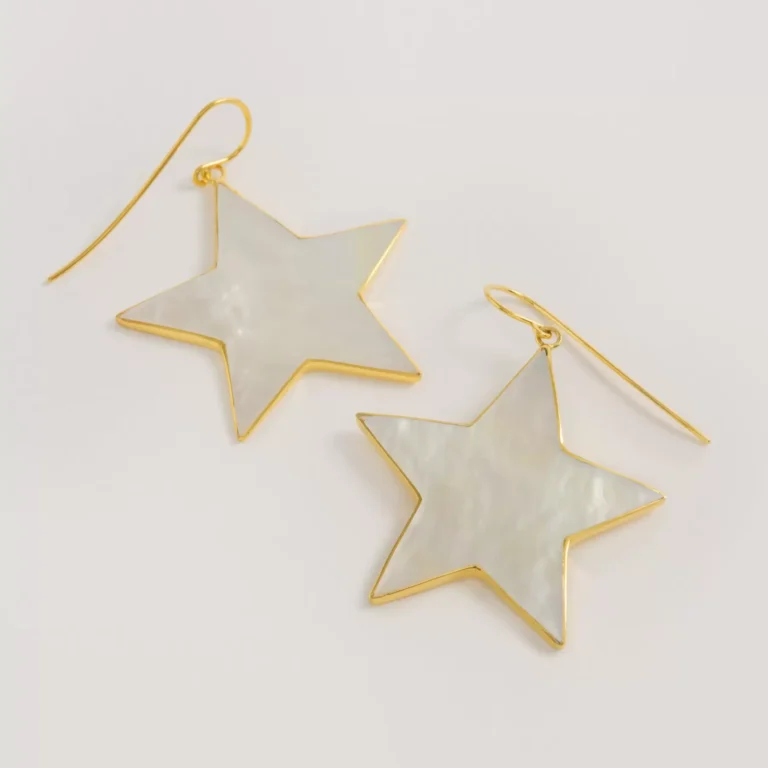
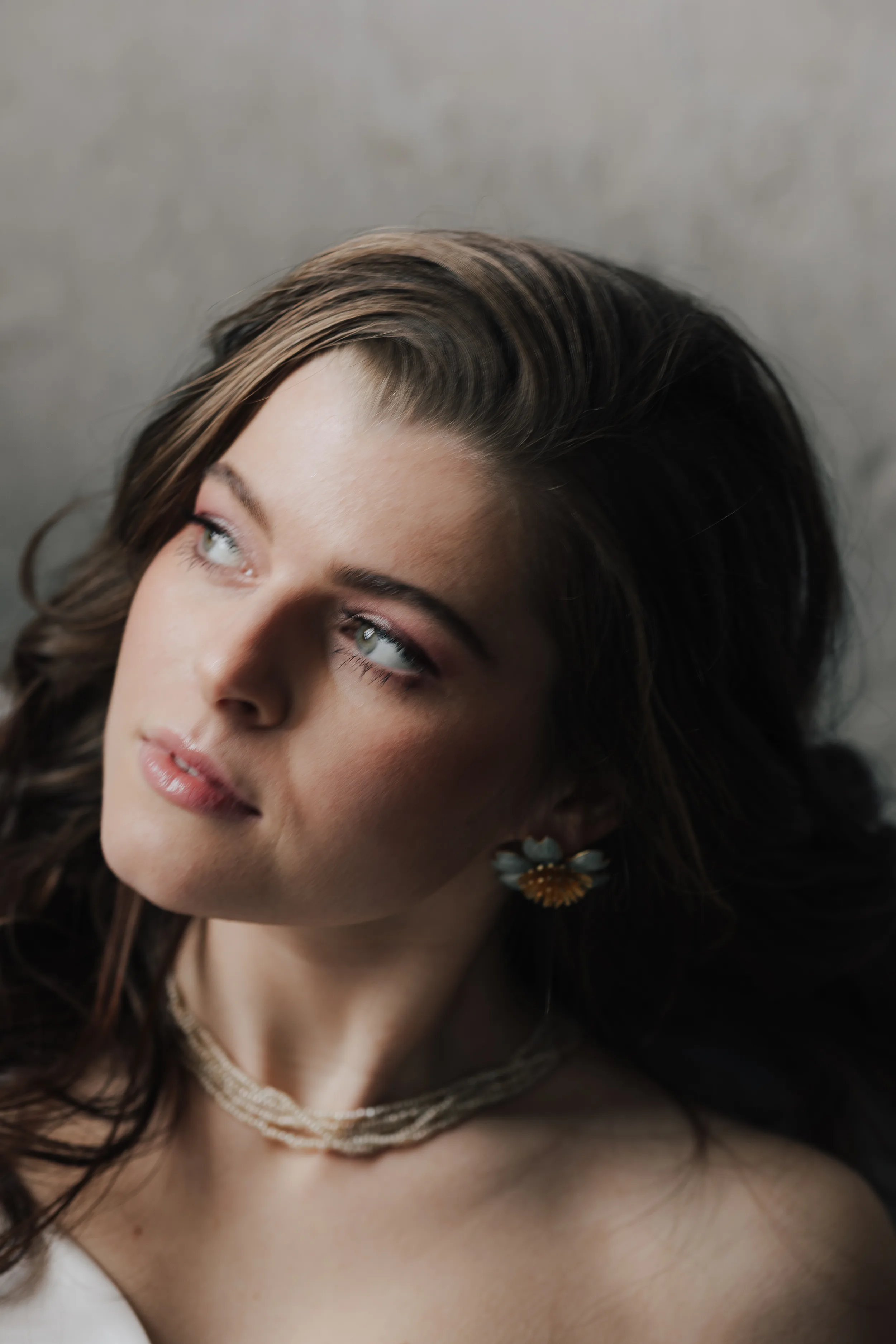
Fashion selections were divided between two primary designers: Tamara Koch Kabicher and Saria Stark. The attire included a mix of hand-sewn tulle skirts and timeless gowns, paired with opulent jewelry from IST Jewellery. The styling choice to move away from "classic bridal white" in footwear—opting instead for colors that echoed the jewelry and frescoes—was a deliberate move to align the editorial with contemporary fashion trends that favor personal expression over traditional norms.
Data and Market Analysis: The Rise of Heritage Editorials
The Haggenberg project arrives at a time when the Austrian wedding industry is seeing a shift in consumer behavior. According to industry data, there has been a 15% increase in demand for "heritage venues" across Europe over the last three years. Couples are increasingly seeking locations that offer a sense of "timelessness" and "authenticity," often prioritizing historical character over modern amenities.
Furthermore, the editorial photography sector is moving away from heavily posed, "perfect" imagery. Ella Széchenyi’s approach—focusing on genuine moments, thoughtful composition, and the celebration of imperfection—aligns with the "Editorial Realism" trend. This style prioritizes the narrative of the day and the atmosphere of the venue over staged clichés. For photographers based in hubs like Vienna, the ability to blend editorial fashion techniques with documentary-style storytelling has become a significant competitive advantage in the European destination wedding market.
The economic impact of such productions extends beyond the immediate team. High-quality editorials serve as critical marketing collateral for venues like Castle Haggenberg, positioning them for international visibility. In the Weinviertel region, the promotion of historic castles as wedding venues contributes to the local economy by driving demand for catering, hospitality, and specialized artisan services.
Professional Implications and Industry Response
While official statements from the venue management were not part of the creative brief, the collaboration suggests a symbiotic relationship between heritage sites and the creative industry. By allowing photographers and stylists to interpret the space, these historic landmarks are "re-activated" for a modern audience.
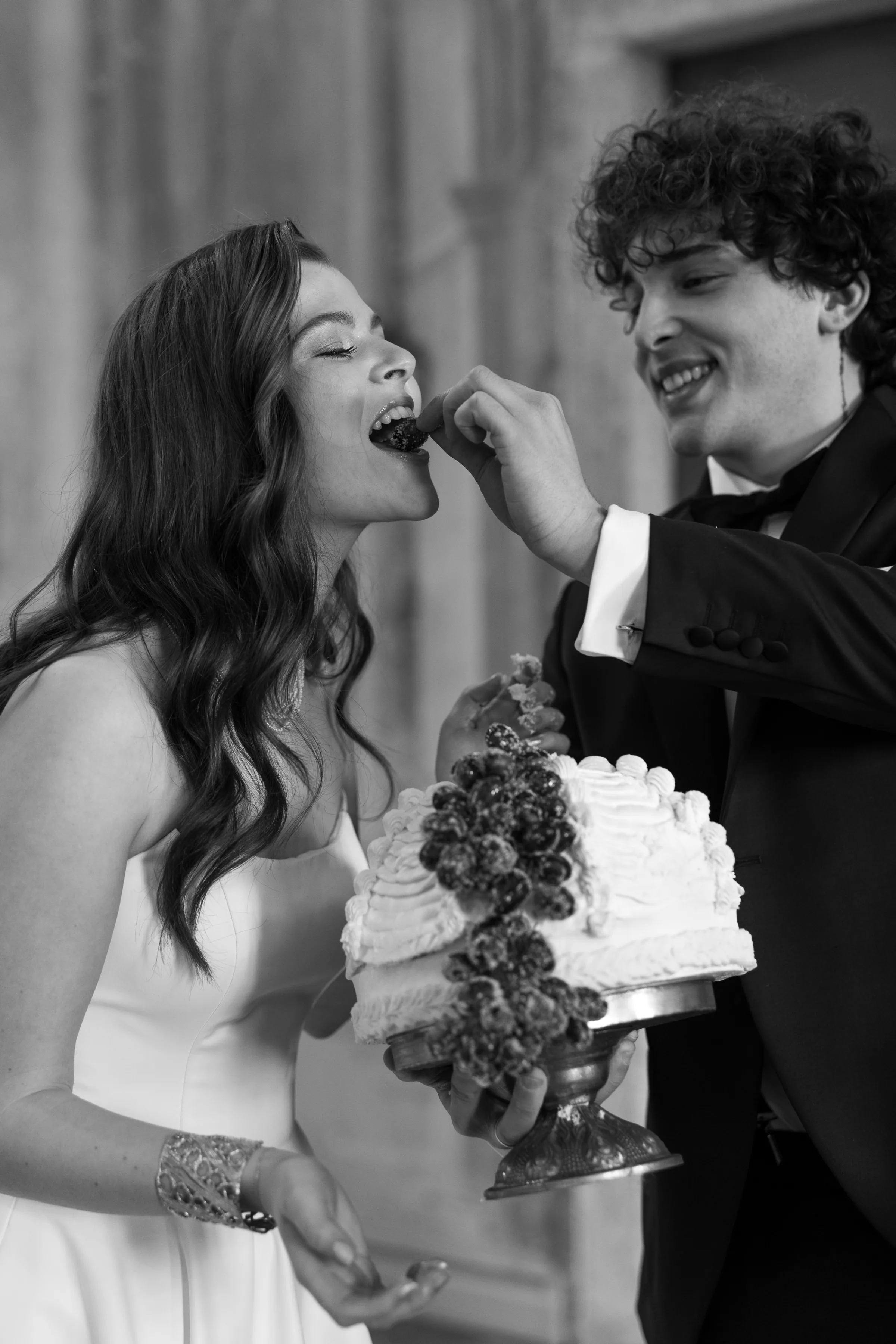
Isabelle Kliaras noted that the castle’s environment provided a rare opportunity to move beyond standard wedding confections into the realm of "edible art." The creative team collectively expressed a desire to move away from "polished perfection," a sentiment that is increasingly echoed by wedding planners who advocate for "slow weddings"—events that prioritize the experience and the environment over a checklist of traditional requirements.
Broader Impact on Wedding Aesthetics
The Castle Haggenberg editorial serves as a case study in how historical research can enhance modern commercial projects. By identifying the specific color codes of the 17th-century frescoes (the soft blushes and delicate greens), the team created a cohesive visual language that feels both ancient and fresh.
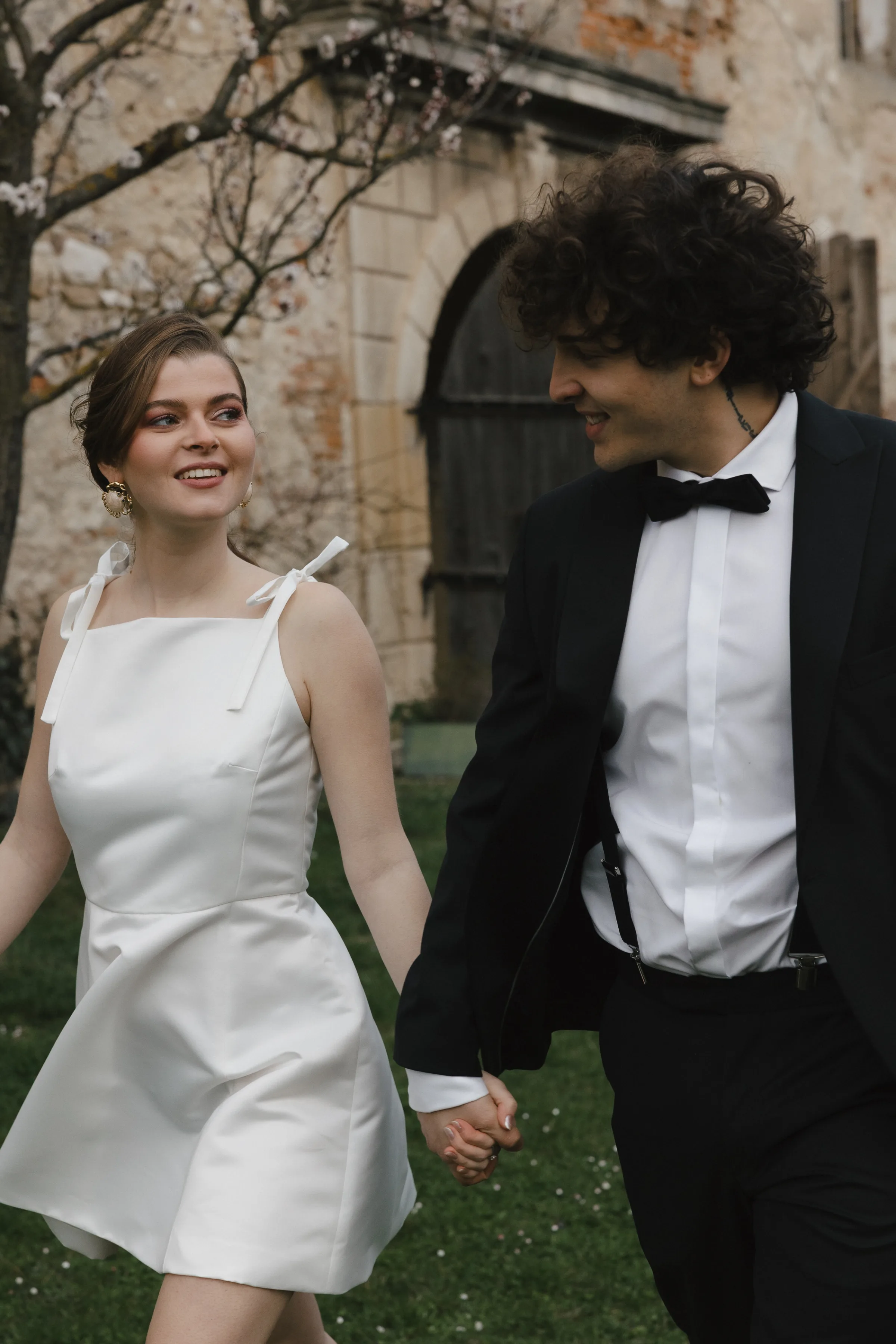
This project also highlights the importance of light in architectural photography. Széchenyi’s use of natural light to illuminate the "faded Baroque patina" emphasizes the texture of the materials—the velvet, the tulle, the weathered wood, and the silver. This focus on materiality is a hallmark of high-end editorial work, providing a sensory experience for the viewer that goes beyond simple documentation.
In conclusion, the Castle Haggenberg editorial is more than a showcase of bridal fashion; it is a deliberate exploration of how history and modernity can coexist. As the wedding industry continues to evolve, the integration of architectural heritage, fine art principles, and authentic storytelling is likely to remain a dominant force in the luxury market. The project stands as a testament to the enduring appeal of the Baroque spirit and its ability to inspire new generations of artists and couples alike.