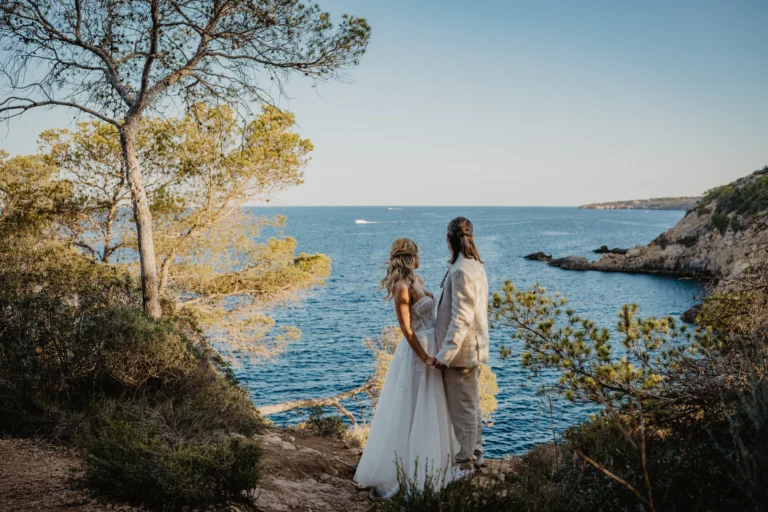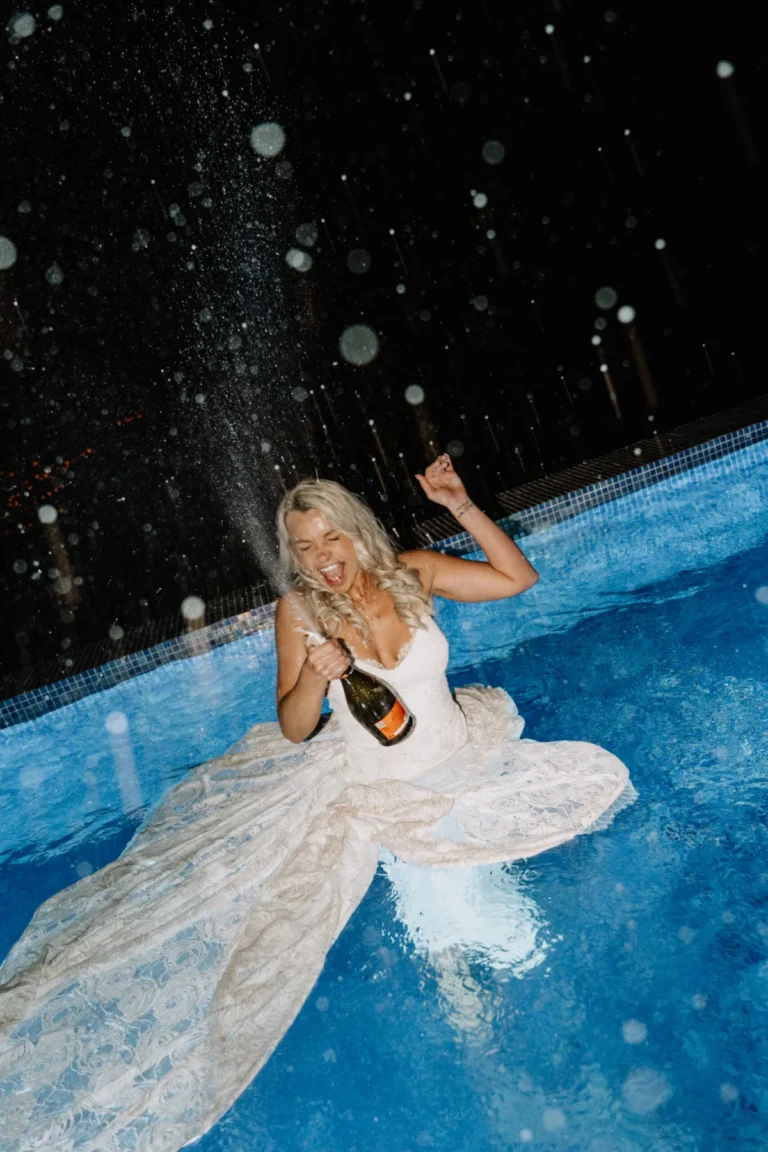








The destination wedding of Rosie and Kiran, held in May at the Pousada Palacio De Estoi in the Algarve, Portugal, serves as a prominent example of the growing trend toward "quiet luxury" and highly personalized international celebrations. The event, which spanned several days, successfully balanced the formal requirements of a black-tie affair with a relaxed, intimate atmosphere that prioritized family history and authentic emotional connections over traditional wedding tropes. Set against the backdrop of one of Portugal’s most celebrated examples of Rococo architecture, the nuptials highlighted the increasing appeal of the Algarve not only as a seasonal tourist hub but as a premier location for high-end, culturally resonant matrimonial events.

The Historic Backdrop: Pousada Palacio De Estoi
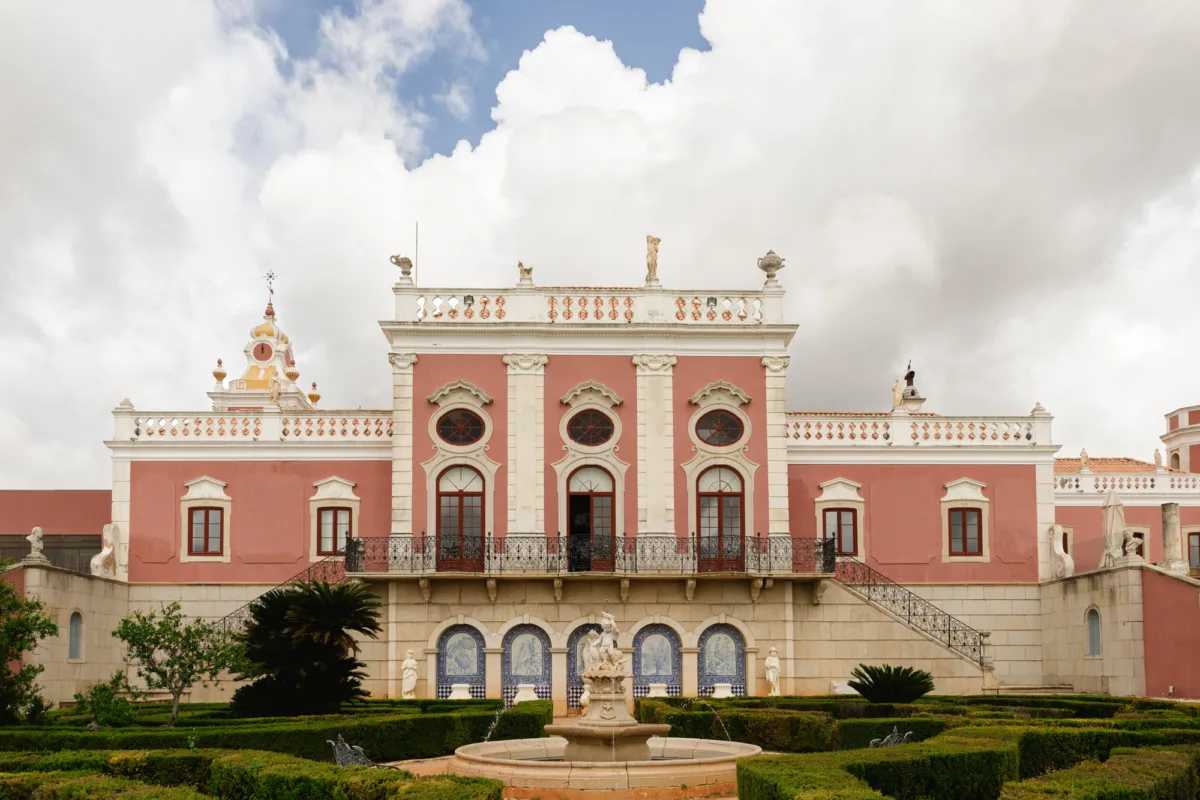
The choice of the Pousada Palacio De Estoi as the primary venue provided a distinct architectural narrative for the wedding. Located in the village of Estoi, near Faro, the palace is a 19th-century masterpiece known for its distinctive "faded pink" façade, ornate grand staircases, and lush gardens inspired by the French style of Versailles. Originally commissioned by the Viscount of Estoi and completed in 1909 after nearly two decades of construction, the palace was restored and converted into a luxury "Pousada"—a state-managed historic hotel—in the early 21st century.
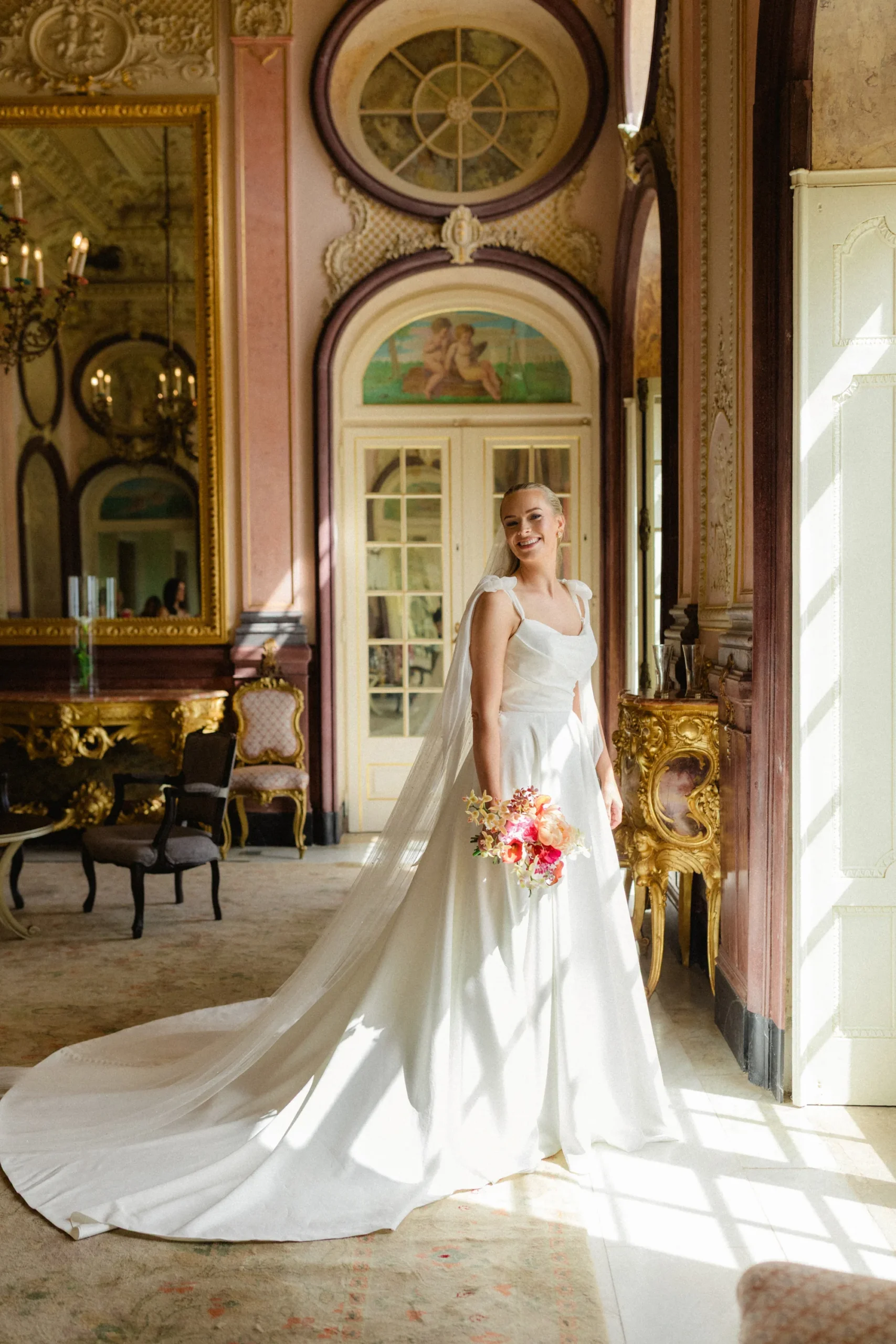
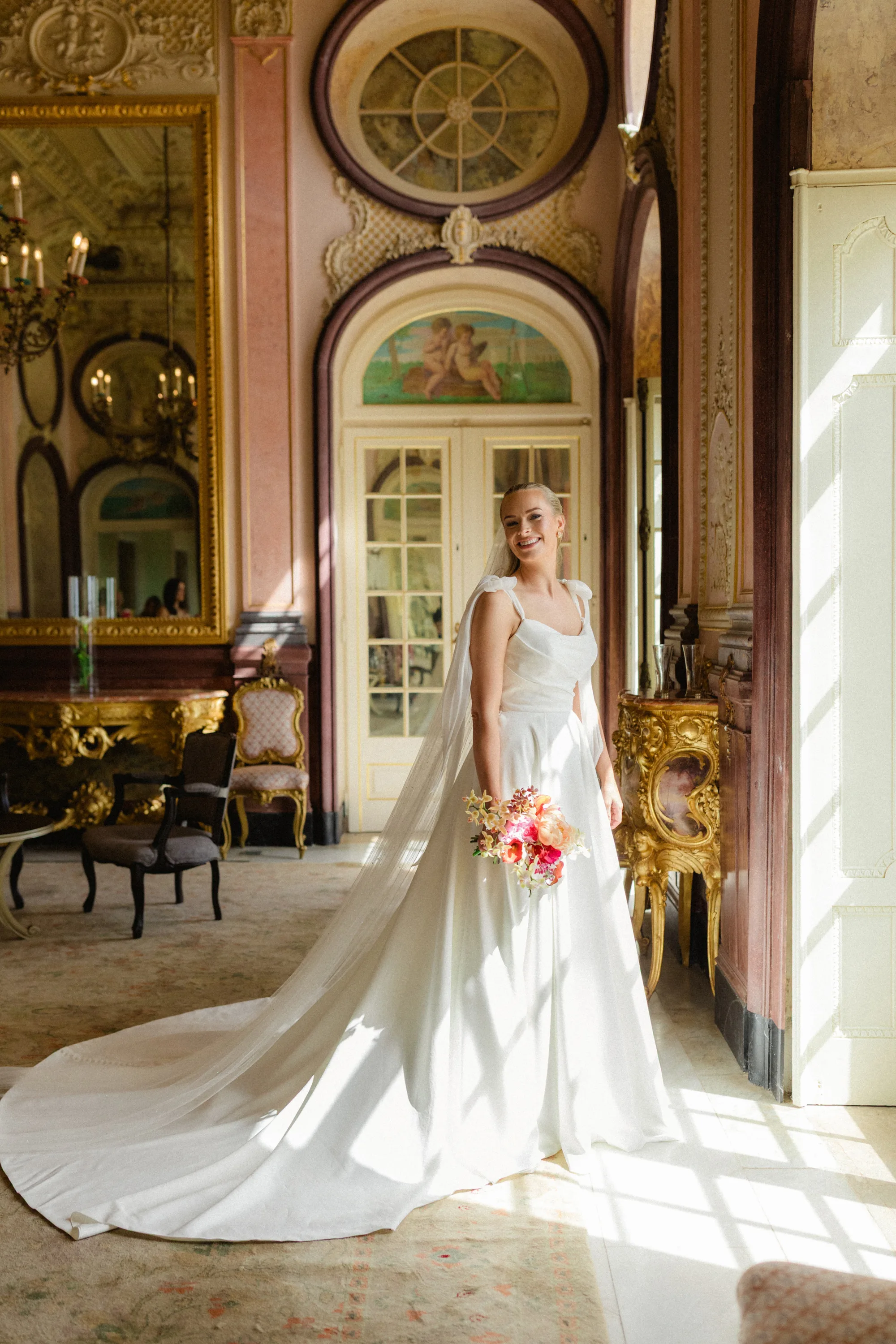
For Rosie and Kiran, the venue’s aesthetic dictated much of the wedding’s design language. The couple opted for a "simple and elegant" approach, deliberately avoiding what they described as an "overly weddingy" atmosphere. Instead, they utilized a color palette that complemented the existing terracotta, pink, and gold hues of the palace’s exterior and interior. This integration of event design with historic preservation is a hallmark of modern luxury weddings, where the venue is treated as a primary character in the visual storytelling rather than a mere backdrop.
A Narrative Rooted in Digital Connection and Global Travel
The couple’s journey to the altar reflects the contemporary landscape of modern relationships. Having met through the Hinge dating algorithm, Rosie and Kiran’s partnership was founded on proximity and shared interests, eventually leading to a proposal in Port Antonio, Jamaica. The engagement took place at the GeeJam Hotel, following a day at the secluded Fisherman’s Cove. This international trajectory—from a London-based meeting to a Caribbean proposal and a Portuguese wedding—underscores the globalized nature of the modern professional class’s milestones.
In choosing Portugal for their ceremony, the couple prioritized accessibility for their international guest list. The proximity of Estoi to Faro International Airport facilitated a streamlined travel experience for family and friends. By hosting the entirety of the guest list within the palace hotel, the couple transformed the wedding from a single-day event into a multi-day immersive experience, a format that industry analysts suggest is becoming the standard for destination weddings in the post-pandemic era.
Logistical Challenges and the Realities of Self-Planning
While many couples of their demographic employ full-service wedding planners, Rosie and Kiran managed the majority of the preparations themselves. This "hands-on" approach allowed for a higher degree of personalization but also introduced the inherent risks of self-coordination. On the day of the wedding, the designated on-site coordinator fell ill, leaving the hotel staff to manage the operational flow.
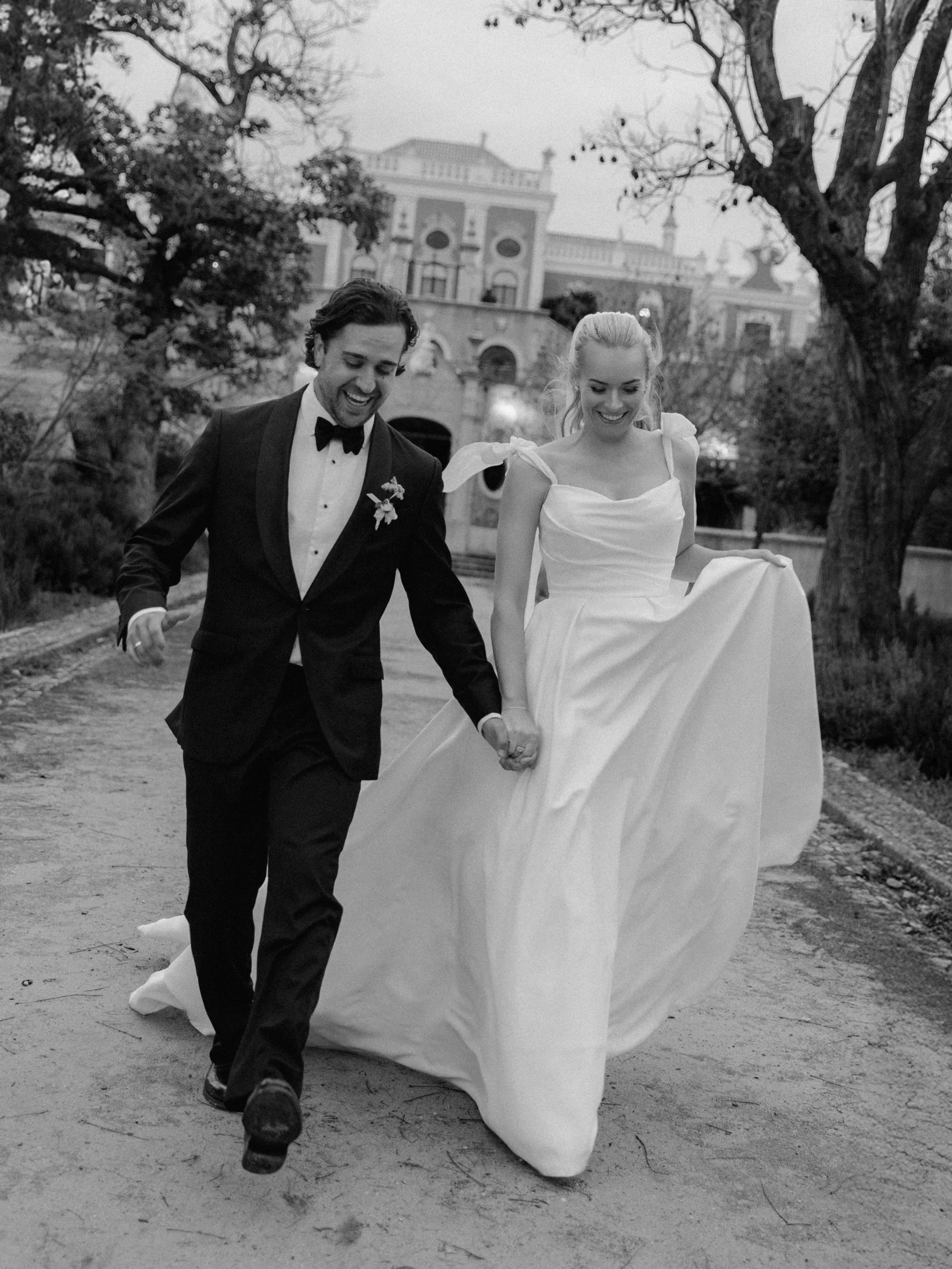
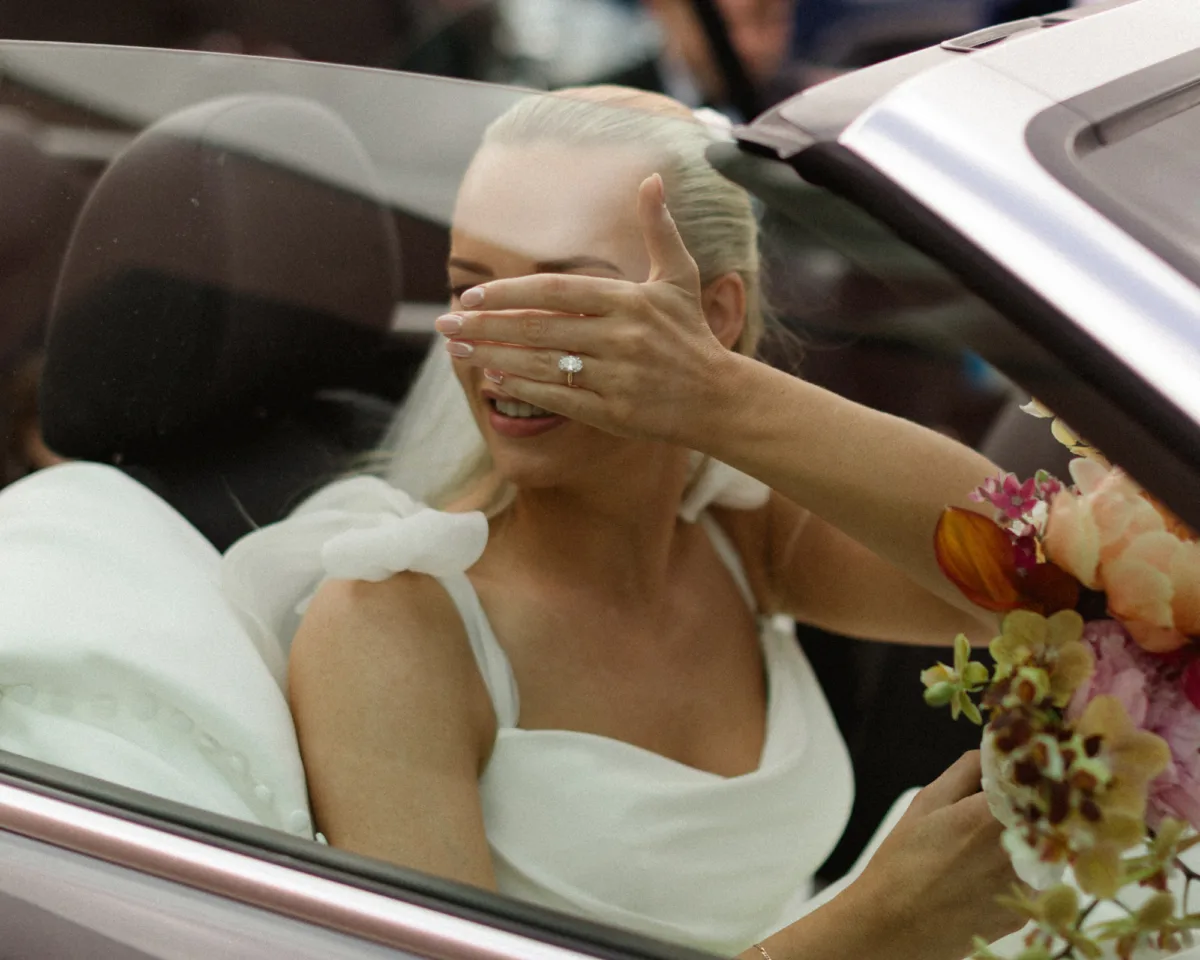
The day was further marked by a minor logistical complication when the bridal party found themselves temporarily locked out of the venue, causing a delay in the ceremony. Rosie described the incident as having a "rom-com" quality, illustrating a broader psychological trend among modern couples to embrace imperfection and spontaneity. Despite these hurdles, the event proceeded with a high degree of success, suggesting that the infrastructure of the Pousada system is robust enough to handle complex events even in the absence of primary coordinators.
Sartorial Choices and the Significance of Family Heirlooms
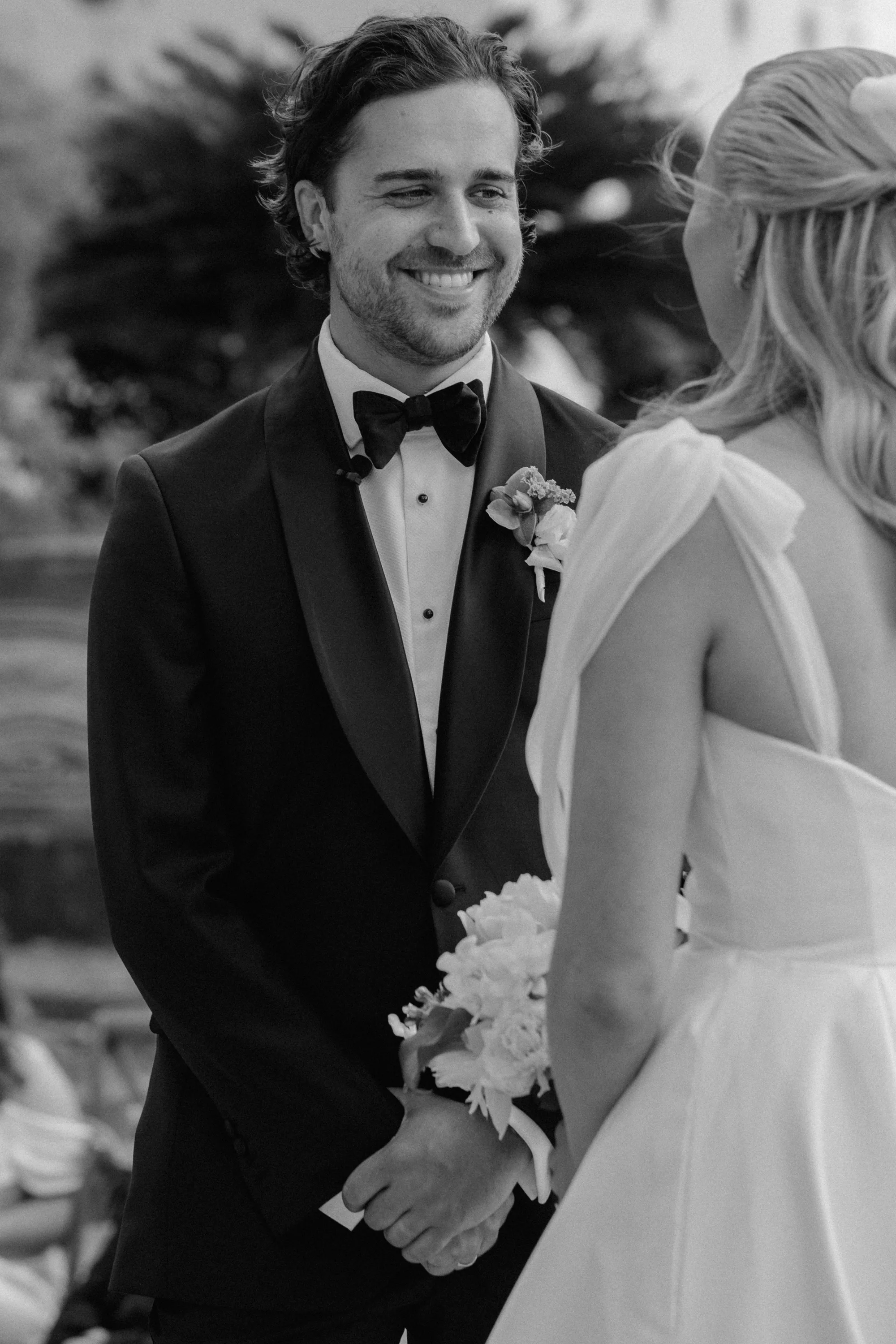
Rosie’s choice of attire and accessories provided a bridge between contemporary fashion and familial heritage. She wore a gown by Mori Lee, characterized by a dramatic train and organza shoulder bows, reflecting a blend of classic romanticism and modern structured design. However, the most significant elements of her ensemble were the items that carried generational weight.
The jewelry worn by the bride included pieces belonging to her grandparents, a choice that integrated her family’s history into the physical presence of the ceremony. The wedding bands themselves were deeply symbolic; Kiran’s ring, sourced from Ivy Jewellers in Hatton Garden, was engraved with the date "11.03.50"—the wedding date of Rosie’s grandparents. To further honor this legacy, the couple held their legal civil ceremony in London exactly 75 years after that date, prior to the Portuguese celebration. This focus on "heritage branding" within a wedding is a growing trend among couples looking to anchor their new union in established family narratives.
Musicality and Personalization: A Multi-Generational Ceremony
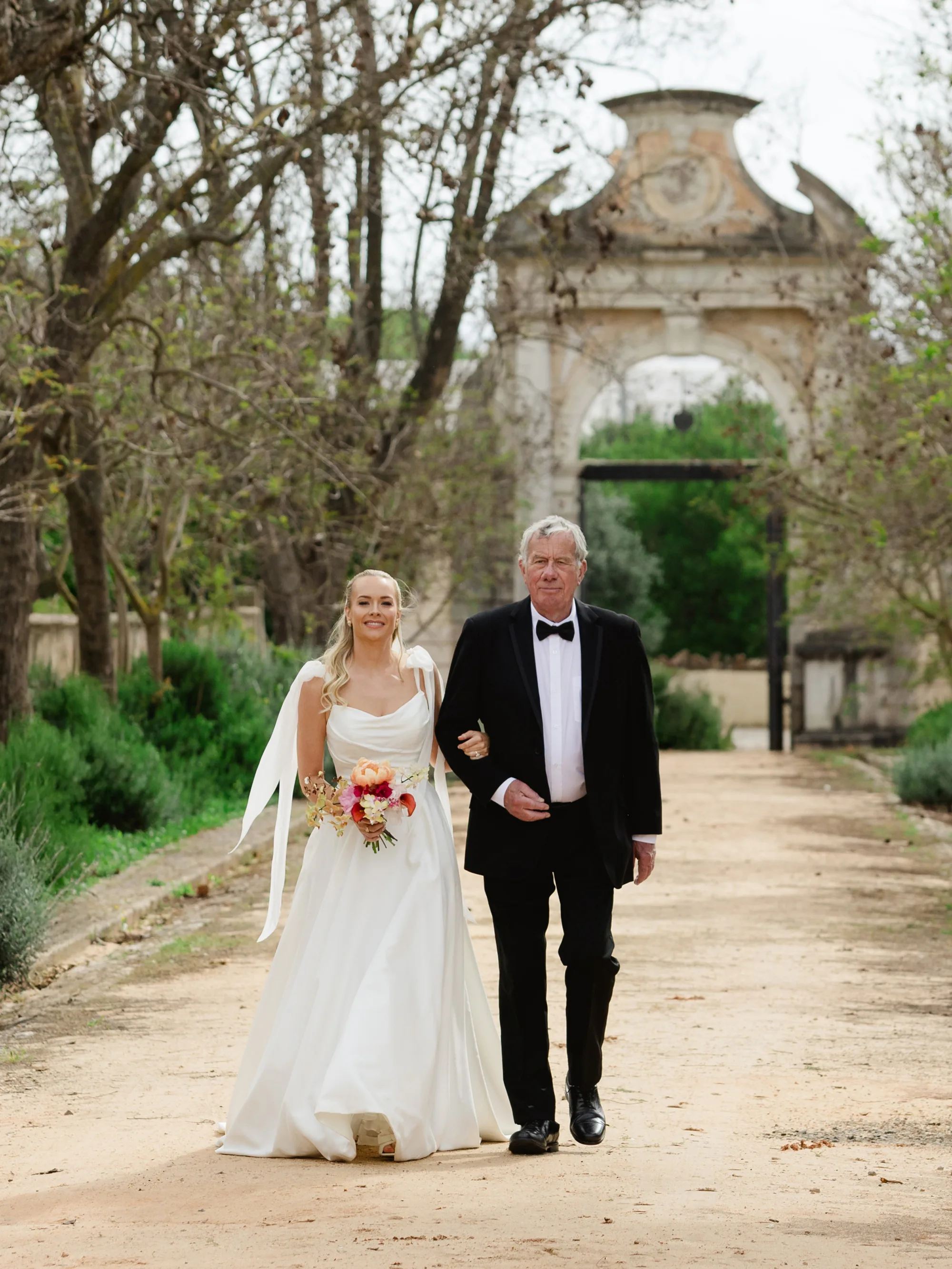
The ceremony was designed to be "authentically meaningful," moving away from standard liturgical or secular scripts. It was officiated by the couple’s best friend, and the vows were self-written, emphasizing the personal bond between the couple and their community.
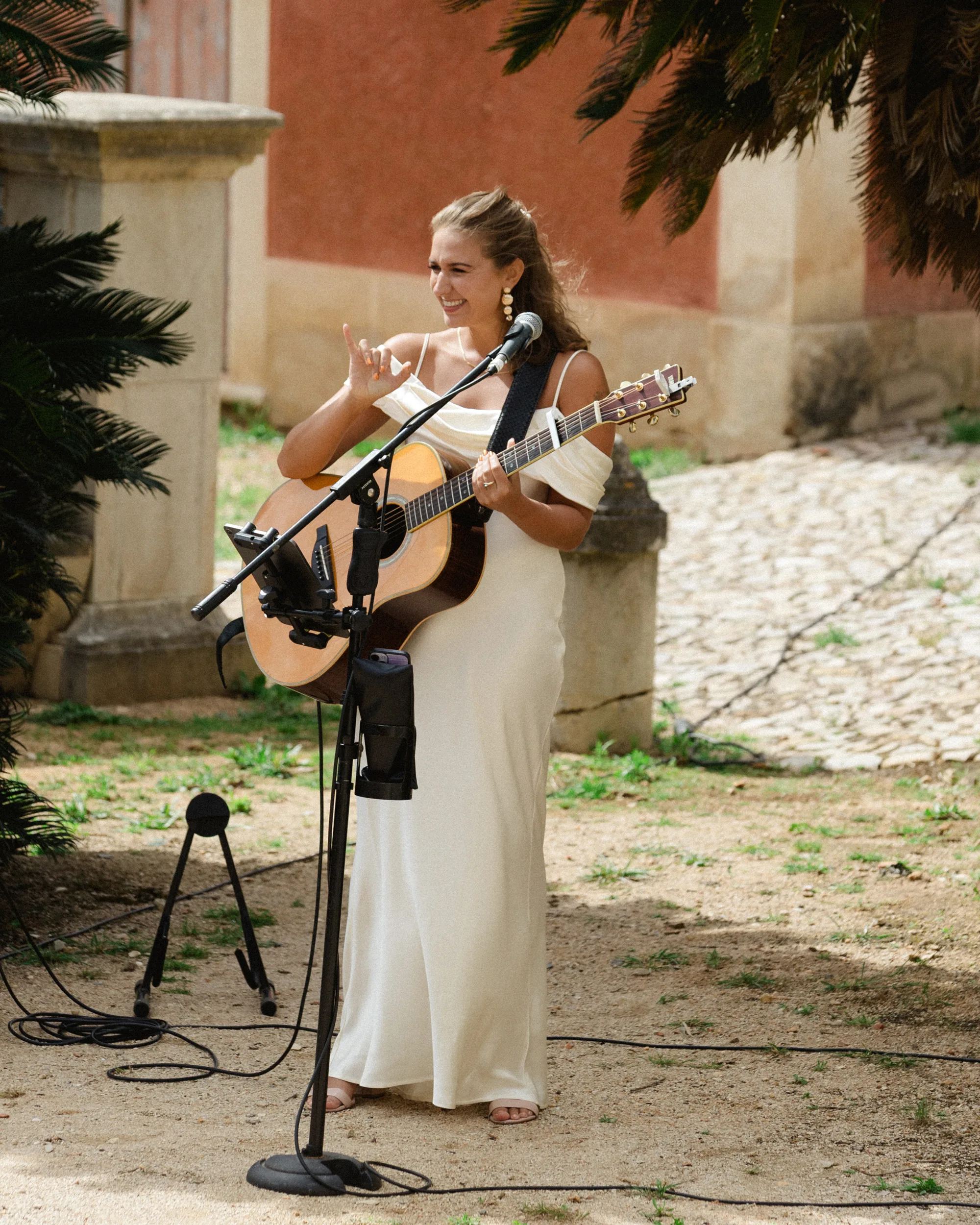
Music played a central role in the emotional arc of the day. Kiran’s sister provided the vocal accompaniment for the processional, and later, the flower girl recited the lyrics to "You Make Me Feel So Young" by Frank Sinatra. This specific song was a tribute to Rosie’s late grandfather, who used to sing it to her, demonstrating how specific musical choices can serve as powerful tools for remembrance and honoring absent family members. For the reception, the couple hired The Swithas Band, with the first dance—a rendition of Florence and the Machine’s "You’ve Got The Love"—again featuring vocals by Kiran’s sister.
Sustainable Floristry and Local Sourcing
In line with increasing environmental consciousness in the event industry, the couple’s floral design focused on sustainability and local sourcing. Working with florist Hattie Fox, they utilized bud vases and contemporary bouquets composed of flowers from local sustainable farms in the Algarve. This approach reduces the carbon footprint associated with importing exotic blooms and supports the local agricultural economy. The aesthetic result—minimalist and fresh—aligned with the couple’s desire for a design that did not feel over-processed or traditional.
The Economic Landscape of the Algarve Wedding Industry
The Rosie-Kiran wedding is a data point in a much larger economic story. The Algarve has seen a significant surge in wedding tourism over the last decade. According to data from the Portuguese National Statistics Institute (INE), the tourism sector in the Algarve has become increasingly diversified, with "celebration tourism" accounting for a notable percentage of luxury hotel bookings during the shoulder seasons of May and September.
The Pousada Palacio De Estoi, as part of the Pestana Hotel Group, represents a high-tier segment of this market. Destination weddings like this one bring significant revenue to the region, benefiting not only the primary venue but also local photographers, musicians, caterers, and transport services. The work of photographers Matt and Lena, who captured both the stills and the film for this event, exemplifies the high caliber of creative services available in the Portuguese market that cater specifically to an international, design-conscious clientele.
Broader Impact and Implications for Modern Matrimony
The wedding of Rosie and Kiran illustrates several key shifts in the matrimonial industry:
- The Move Toward Intimacy: Even within a grand palace setting, the focus remained on personal stories and family connections rather than grandiosity for its own sake.
- The Digital-to-Physical Transition: The success of their relationship highlights the continued efficacy of dating apps in creating long-term, stable unions that eventually feed into the luxury event economy.
- Heritage Integration: By engraving ancestral wedding dates and incorporating heirlooms, the couple demonstrated how modern weddings are increasingly used as a medium for preserving family history.
- Resilience in Planning: The "perfectly imperfect" nature of the day, including the lockout and the ill coordinator, suggests a shift in bridal psychology toward flexibility and "living in the moment."
In conclusion, the celebration at Pousada Palacio De Estoi was more than a social gathering; it was a sophisticated exercise in brand-building for a new family, rooted in the history of the past and the possibilities of a globalized future. As destination weddings continue to evolve, the Rosie-Kiran model—focused on heritage, local sustainability, and emotional authenticity—is likely to become a blueprint for couples seeking a balance between elegance and personal meaning.