









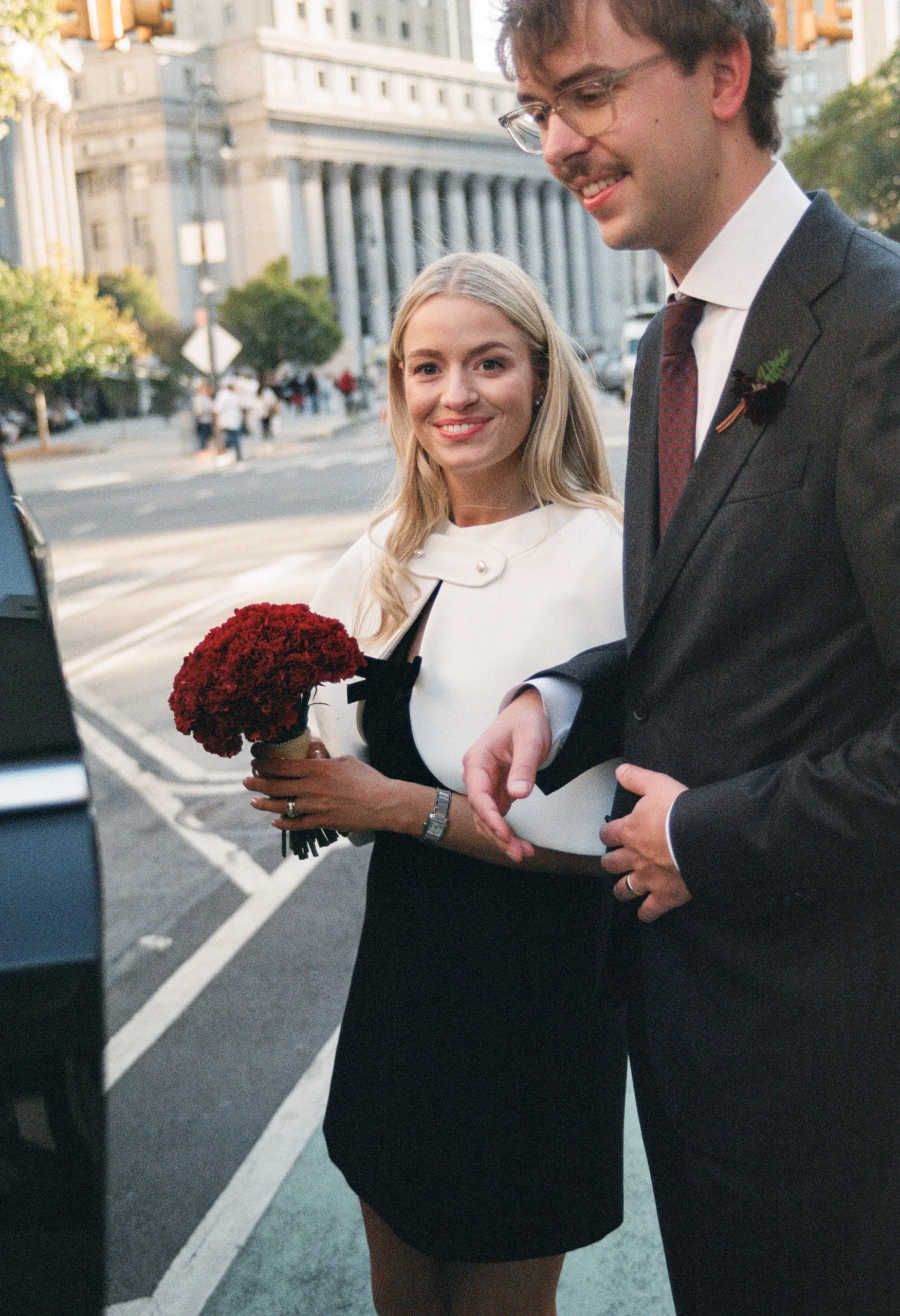
The marriage of interior designer Izzy and engineer Nico in Manhattan this past October represents a growing trend in the matrimonial sector: the "micro-wedding" paired with a high-concept, multi-day celebration. By eschewing the traditional large-scale banquet hall in favor of historic New York City institutions, the couple curated an event that prioritized personal history, 1960s-inspired aesthetics, and cultural synthesis. The celebration, which spanned two days, integrated the administrative efficiency of a City Hall ceremony with the culinary heritage of Keens Steakhouse, concluding with a communal social event at an East Village karaoke venue.
The Architectural and Administrative Foundation of the Ceremony
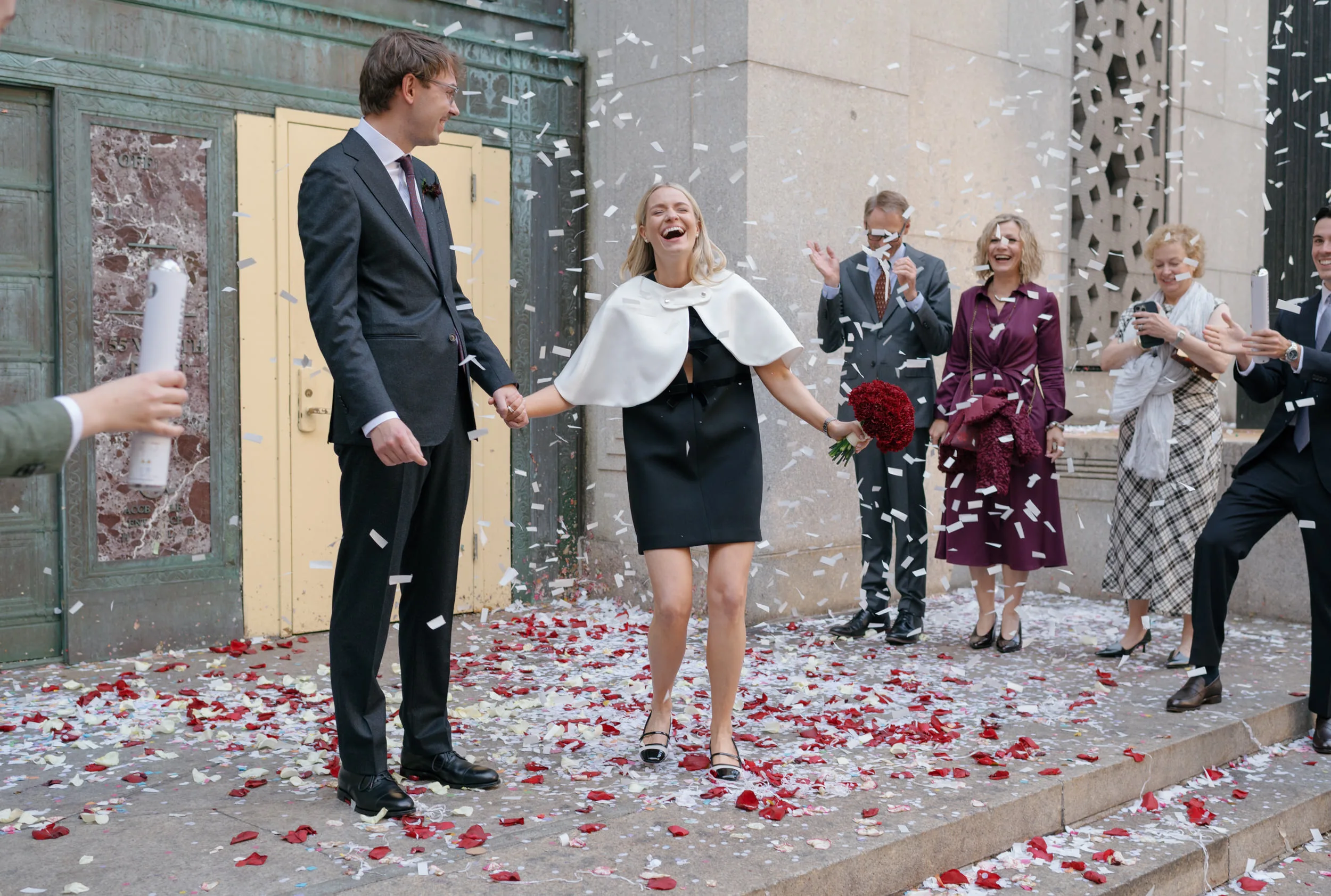
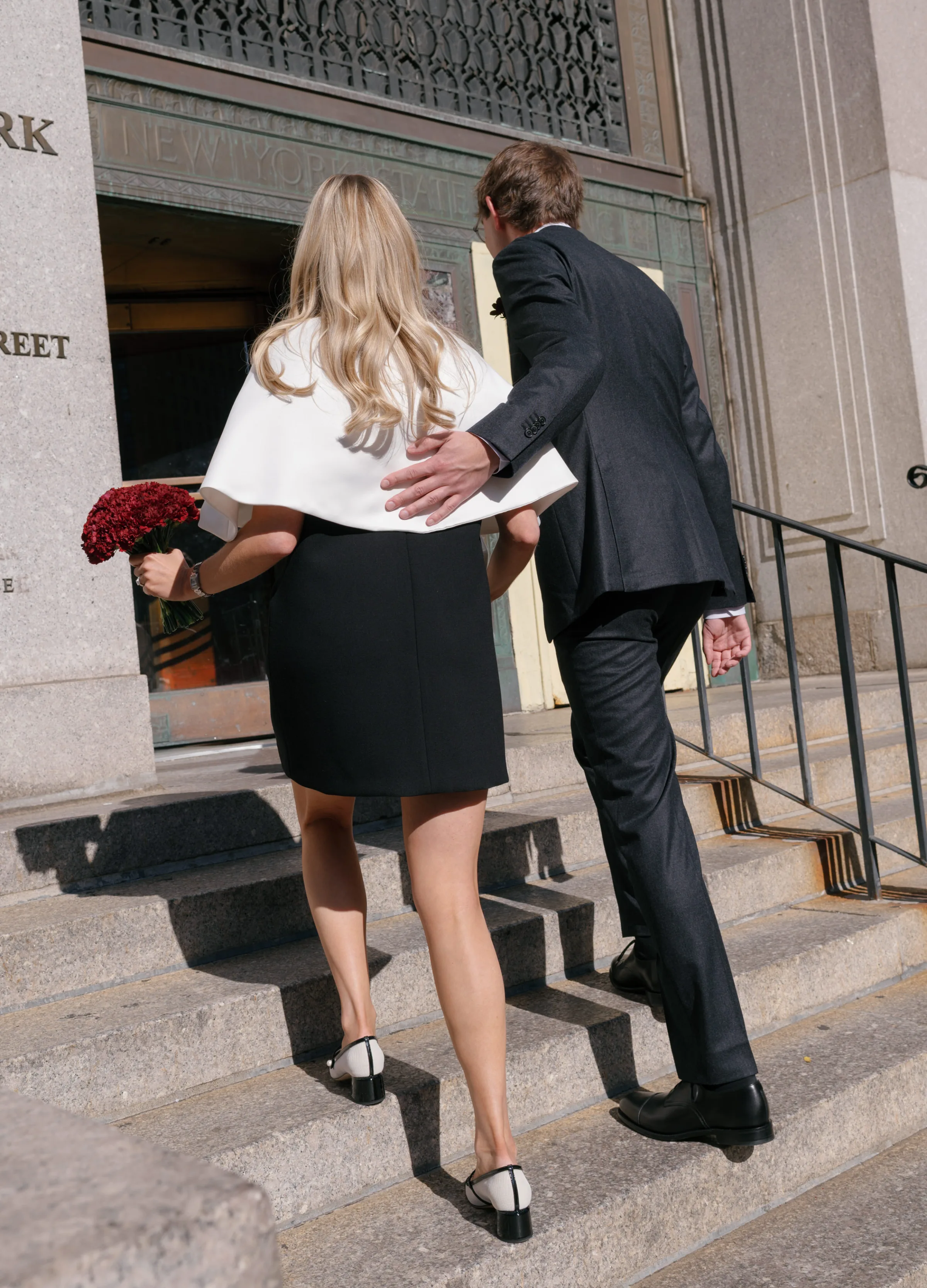
The proceedings commenced at the New York City Clerk’s Marriage Bureau, located in the Louis J. Lefkowitz State Office Building at 141 Worth Street. This venue, a staple of Manhattan civic life, operates under strict regulatory guidelines that shaped the initial phase of the couple’s wedding. Current City Hall protocols limit ceremony attendance to the couple and a maximum of four guests. Izzy and Nico utilized these slots for their respective parents, while siblings and extended family, including Nico’s grandfather, staged a post-ceremony reception on the building’s exterior steps using confetti cannons.
This choice of venue aligns with broader statistical shifts in the wedding industry. According to data from the New York City Clerk’s office, the Manhattan Marriage Bureau processes tens of thousands of licenses annually, with a notable increase in couples opting for "civil-first" ceremonies that allow for greater flexibility in subsequent celebrations. For Izzy and Nico, the day began with a private exchange of vows over breakfast, recorded in custom Leuchtturm1917 journals—a German stationery brand founded in 1917, subtly nodding to Nico’s heritage.
Sartorial Strategy and 1960s Mod Influences
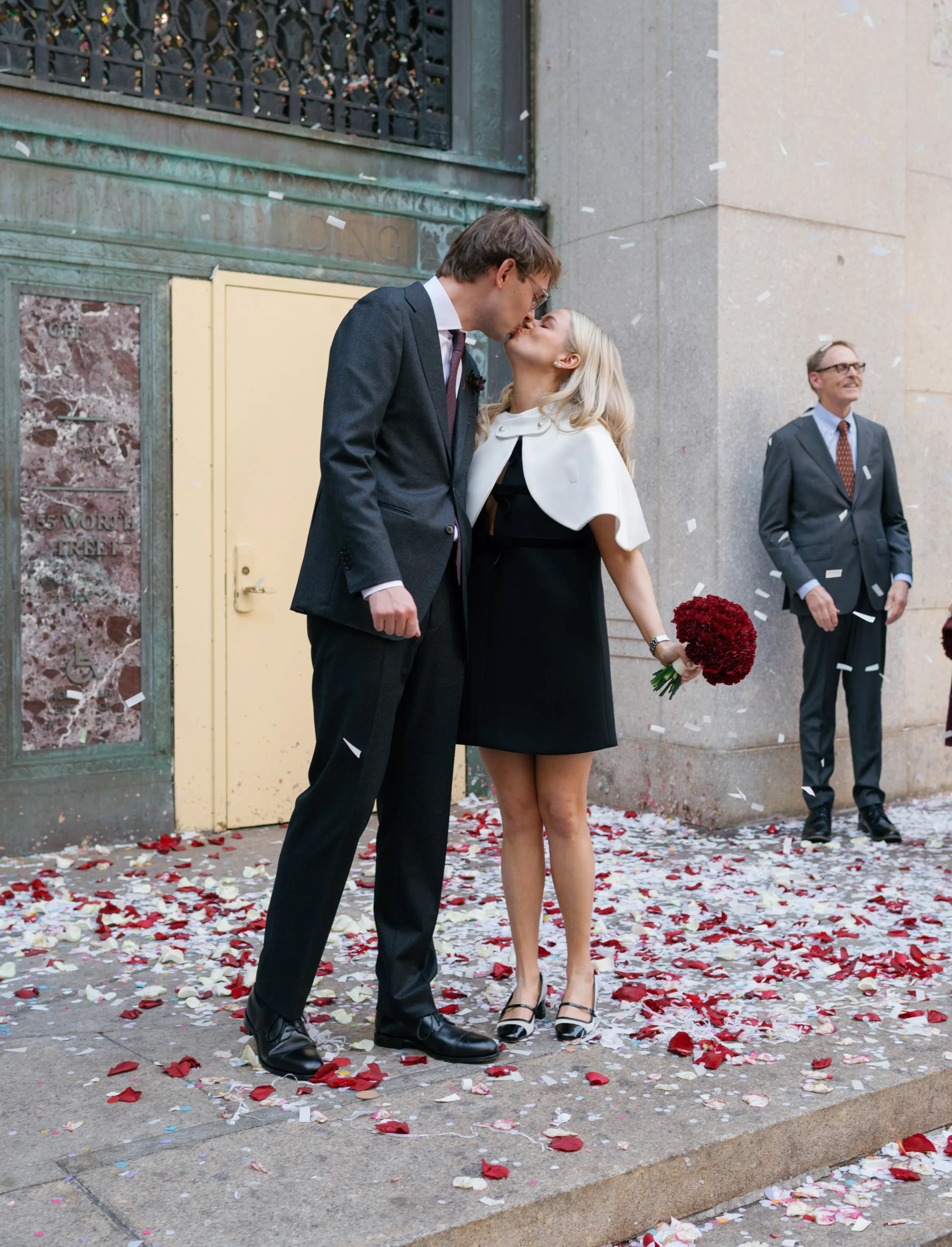
The wedding’s visual identity was heavily influenced by the "Mod" fashion movement of the 1960s, a period characterized by bold geometric shapes and a departure from the ornate silhouettes of the previous decade. Izzy, drawing on her professional background as an interior designer, curated two distinct looks that bridged high-fashion ready-to-wear with bespoke couture.
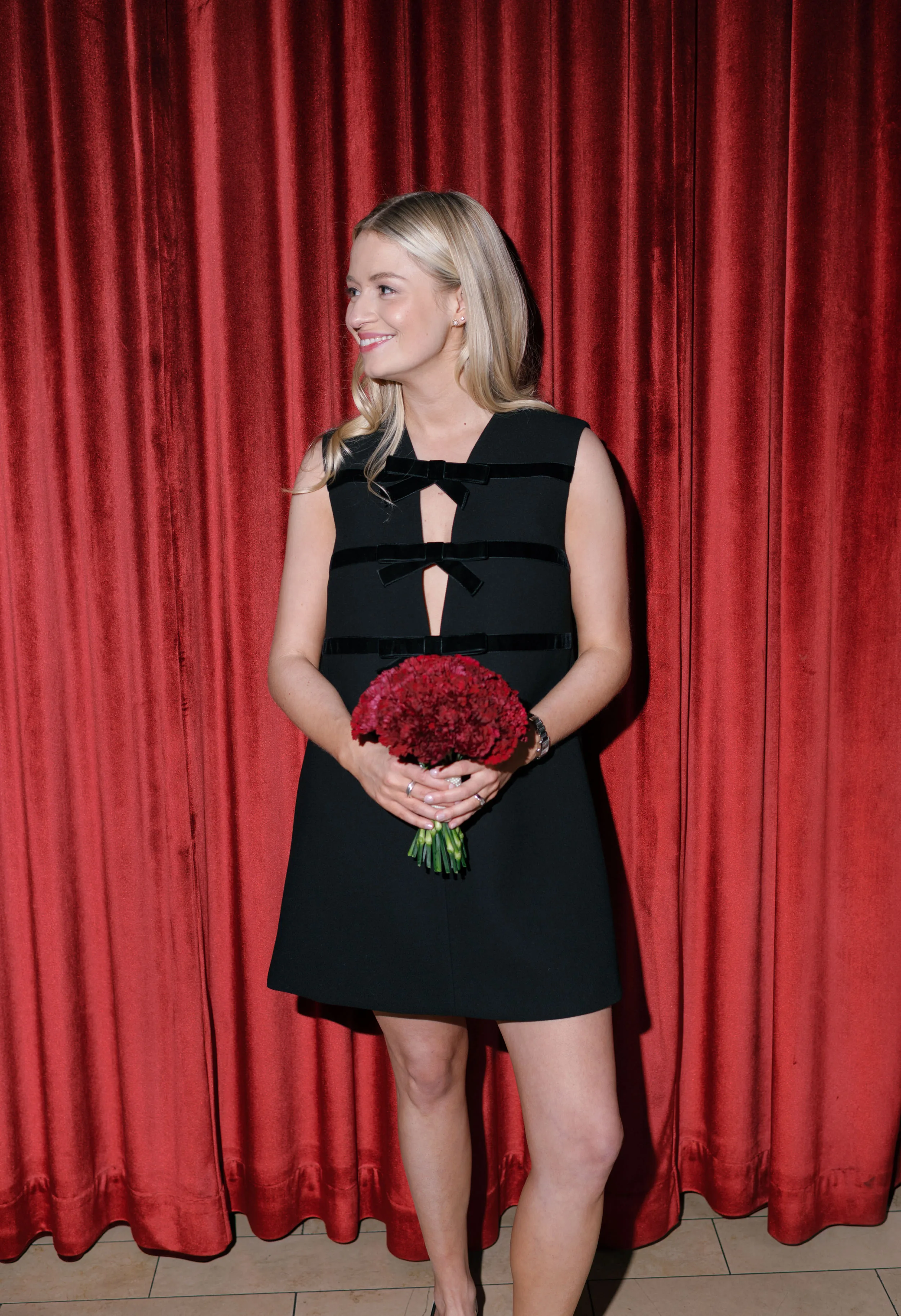
For the formal ceremony at City Hall, the bride opted for a black Prada mini-dress. This choice represents a significant departure from traditional white bridal wear, reflecting a broader movement toward "alternative" bridal fashion. The ensemble was elevated by a couture capelet from Marie-Margot Couture, an atelier known for precision tailoring. The use of a black palette in a wedding context is often analyzed by fashion historians as a statement of sophistication and a rejection of Victorian-era matrimonial tropes.
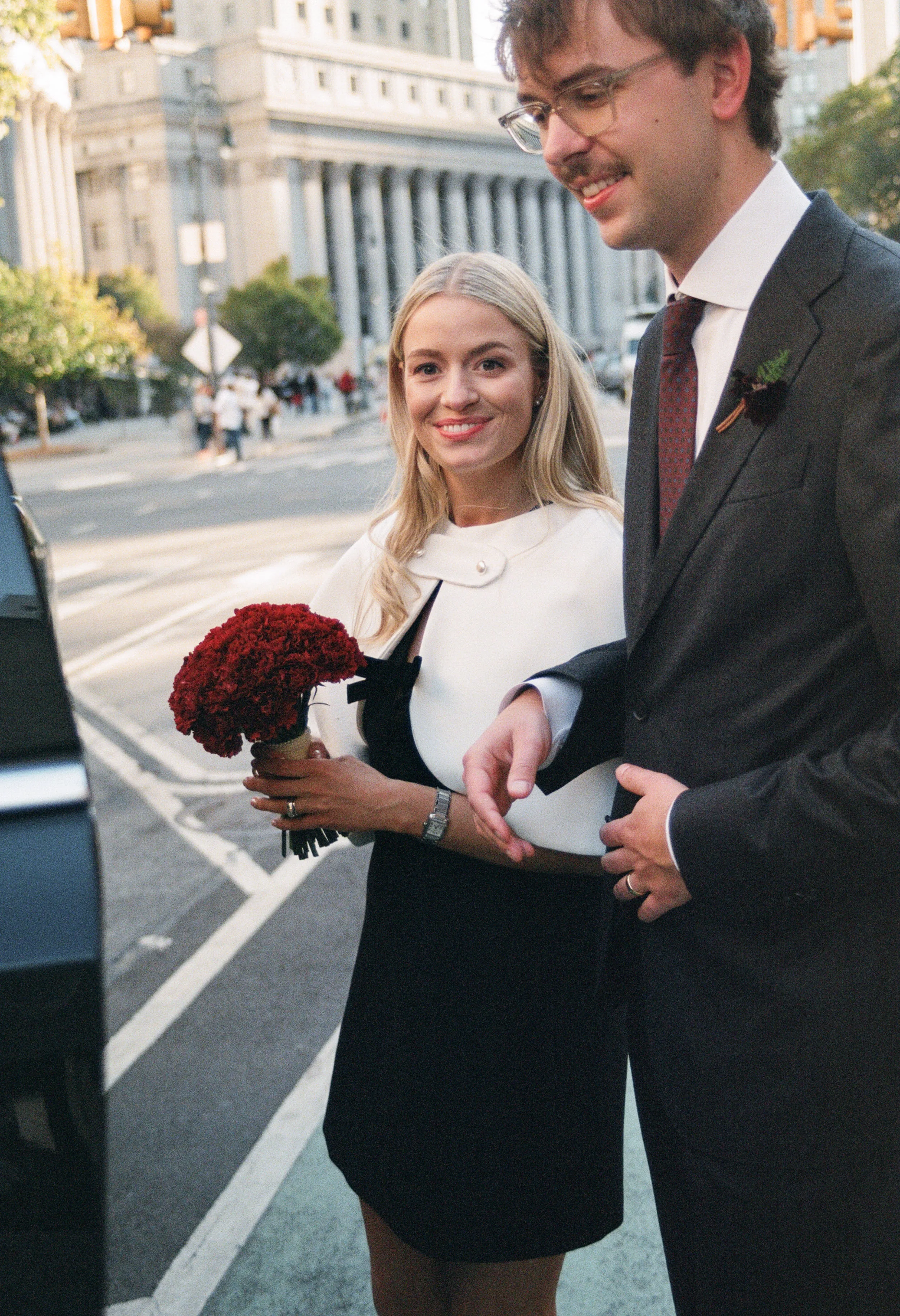
For the second-day reception, the aesthetic shifted toward the celebratory and the avant-garde. Izzy collaborated with Marie-Margot Couture to design a bespoke silver reception dress. This garment was intended to complement the low-light, historic atmosphere of Keens Steakhouse, utilizing reflective materials to interact with the venue’s candlelight. Nico’s attire and the couple’s selection of Tiffany & Co. wedding bands further cemented the "Classic New York" theme, utilizing a brand synonymous with the city’s luxury history since 1837.
Chronology of the Two-Day Celebration
The event was structured to balance legal formalities with social festivities, a strategy that wedding planners often recommend to reduce the logistical pressure of a single-day event.
Day One: The Legal Union and Family Intimacy
Following the morning vows and the City Hall ceremony, the immediate family transitioned to Novita, a Northern Italian restaurant located in the Gramercy Park neighborhood. This selection provided a quiet, culinary-focused environment to celebrate the legal union. The inclusion of Italian traditions was furthered by the distribution of "confetti"—traditional sugar-coated almonds—prepared by the bride’s mother, a practice rooted in Italian matrimonial history symbolizing health, wealth, happiness, fertility, and long life.
Day Two: The Public Celebration and Cultural Synthesis
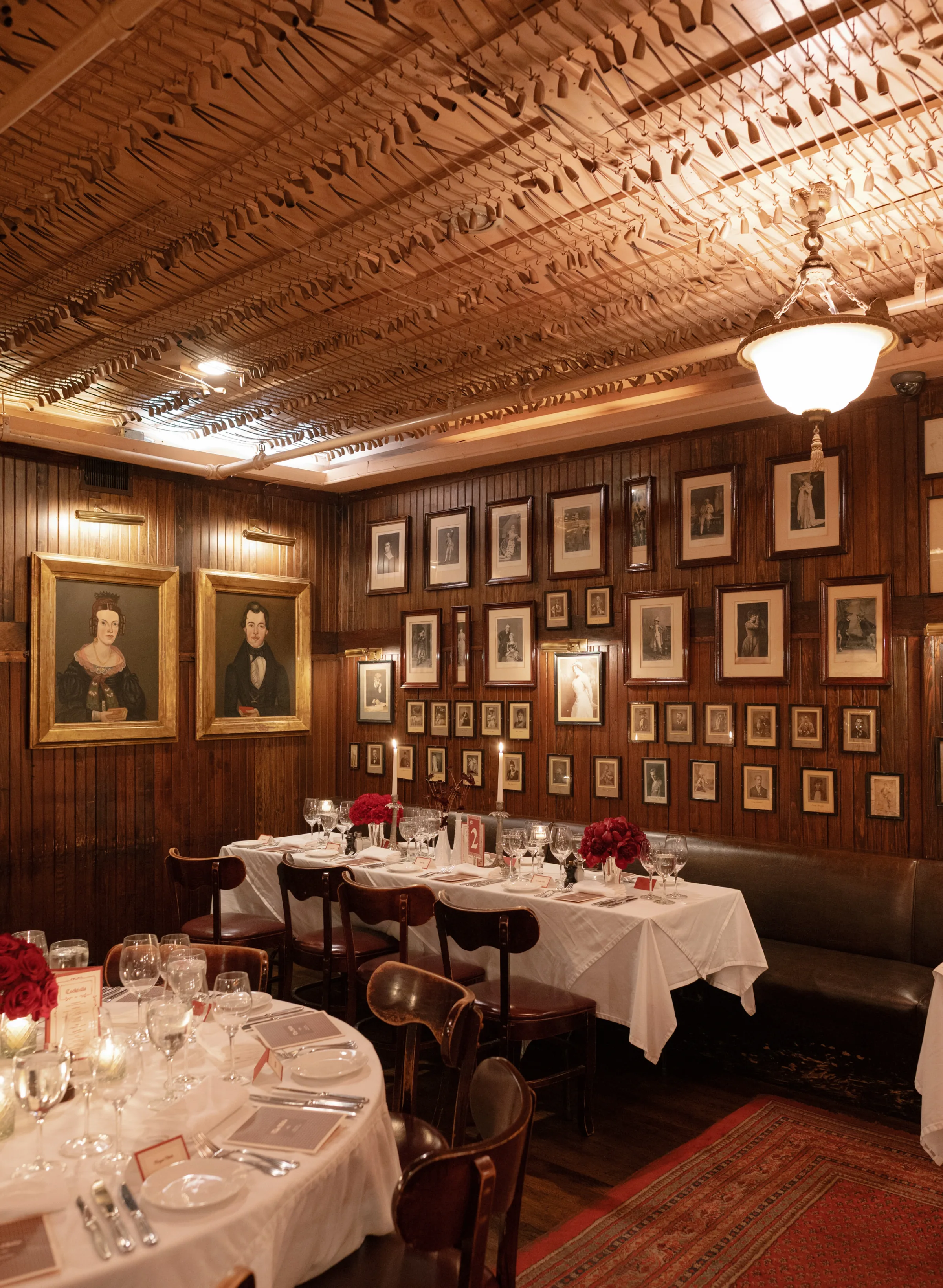
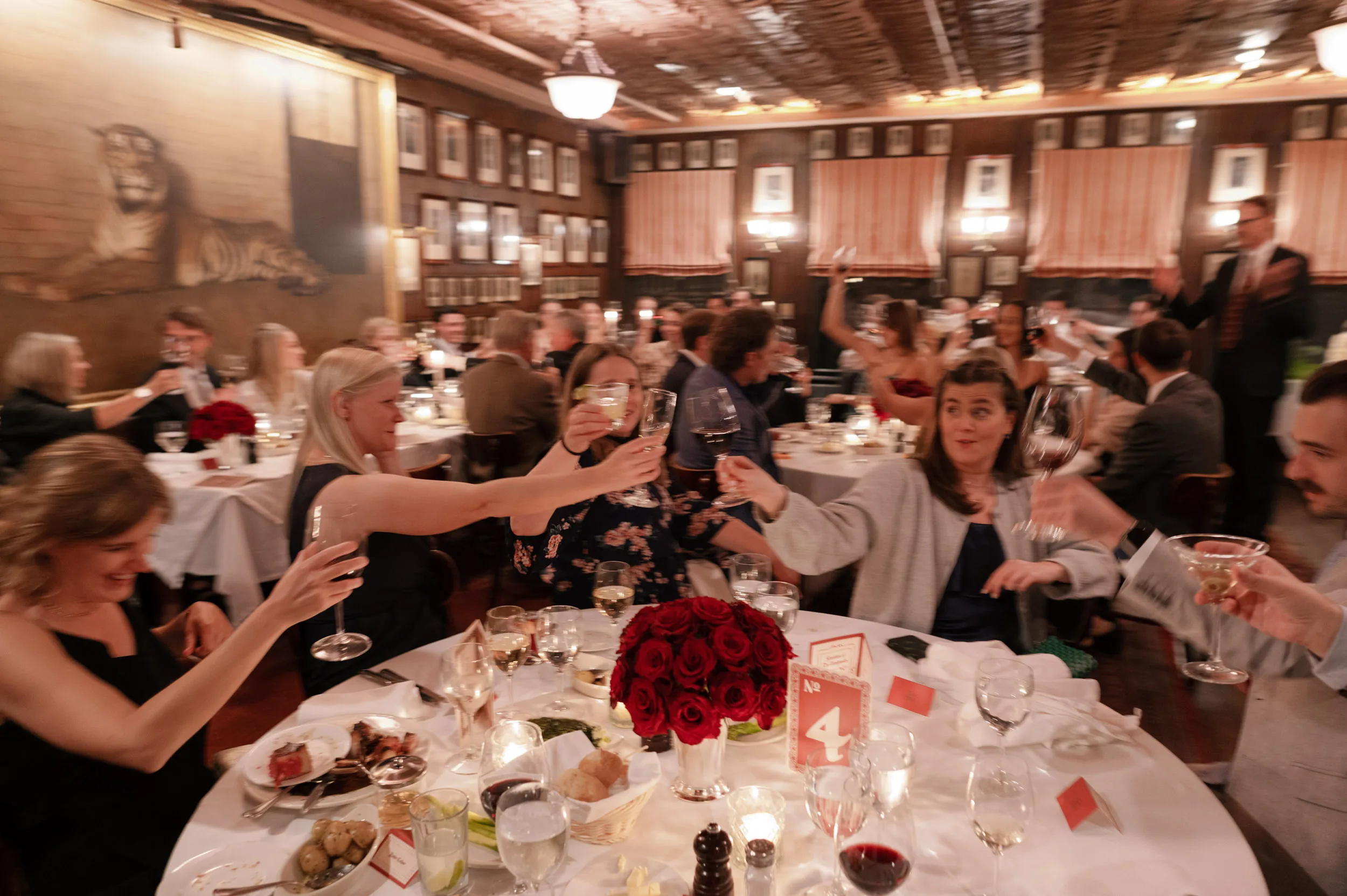
The second day focused on a larger gathering at Keens Steakhouse. Founded in 1885, Keens is one of the oldest establishments in the Herald Square area, famous for its collection of over 50,000 clay pipes. The choice of venue provided a "built-in" aesthetic of dark woods, historic artifacts, and a sense of "Old World" New York.
The evening’s itinerary included:
- The Reception: A formal dinner characterized by vintage-inspired decor.
- The Culinary Highlight: A custom three-layer cake by Lilli Maren, designed to emulate a "Vermont maple creemee"—a soft-serve ice cream delicacy. The cake featured maple sponge, whipped maple ganache, hazelnut praline, and chocolate sponge, topped with vintage German salt and pepper shakers in the likeness of a couple.
- The After-Party: The celebration concluded at Planet Rose in the East Village, where guests engaged in karaoke. This transition from a formal steakhouse to a high-energy social venue highlighted the couple’s desire for an "unpretentious" conclusion to the weekend.
Design Philosophy and Floral Symbolism
Laura Loves, the wedding planner and florist, was tasked with creating a "timeless and quietly expressive" environment. The design avoided modern wedding clichés, instead leaning into a "collected elegance."
Floral Composition
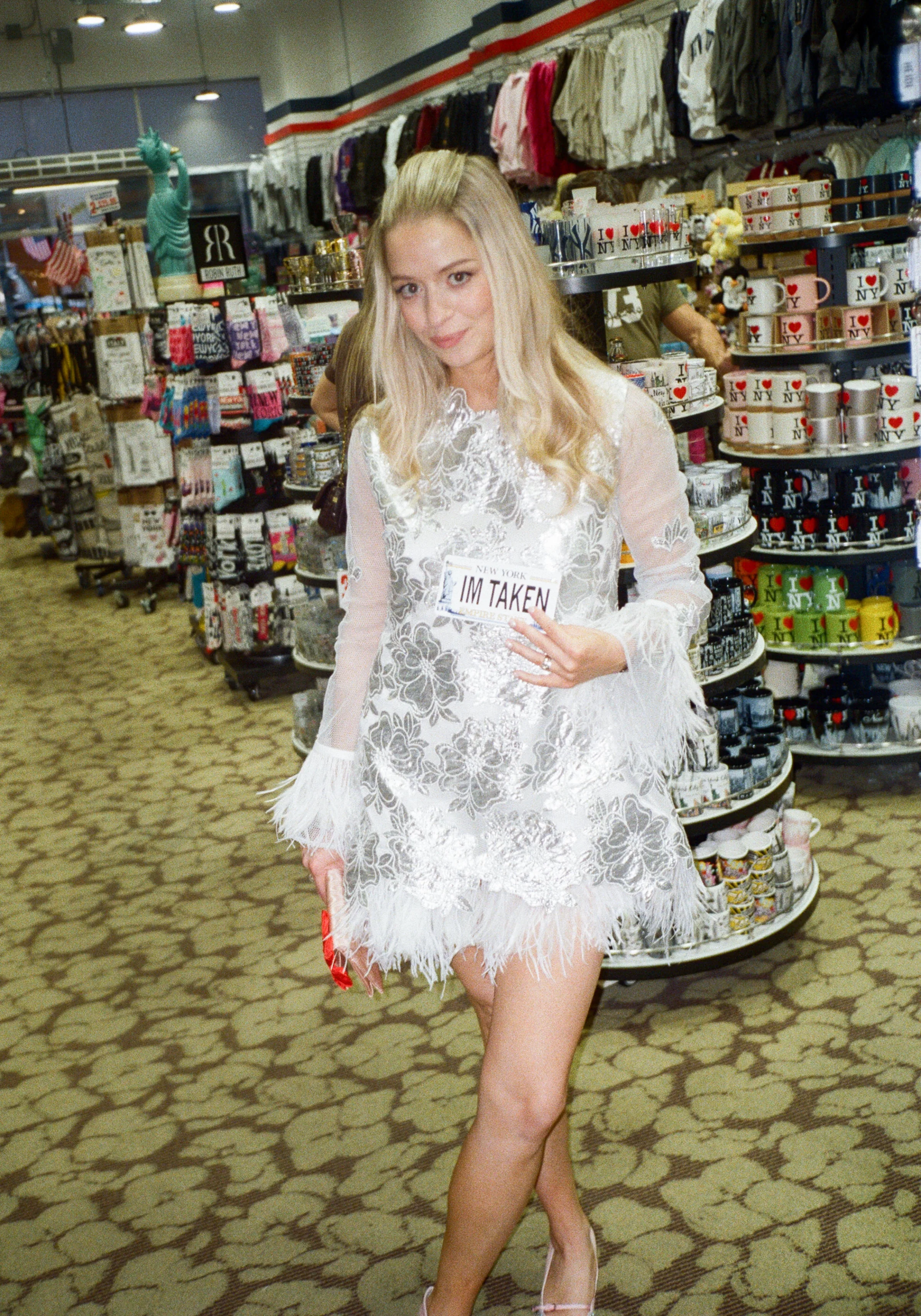
The floral arrangements were deeply rooted in family history. Izzy requested the use of carnations, which were her grandmother’s favorite and birth flower. In the mid-20th century, carnations were a staple of formal floristry, though they fell out of favor in the 1990s. Their resurgence in this wedding reflects a "vintage revival" trend. The stems were wrapped in pearls, the birthstone of the bride’s mother, creating a multi-generational symbolic link.
Tablescapes and Stationery
The reception decor utilized a palette of rich red tones to complement the mahogany interiors of Keens. Laura Loves sourced vintage silver, milk glass bud vases, and crochet doilies to create a sense of domestic warmth within the commercial space. The stationery suite was designed to mimic the restaurant’s own branding, ensuring a seamless visual transition from the invitation to the menu. A hand-crocheted nameplate, created by artist Blake Ballard, served as a focal point on the welcome table, merging contemporary art with traditional craft.
Broader Matrimonial Trends and Market Analysis
The Izzy-Nico wedding serves as a primary example of several emerging shifts in the $70 billion U.S. wedding industry.
- The Rise of the "City Hall Wedding": Post-pandemic, there has been a documented increase in couples choosing smaller, administrative ceremonies followed by curated parties. This allows for a higher per-guest spend on catering and fashion.
- Sartorial Versatility: The "second look" or "reception dress" has become a standard requirement for modern brides, with the global bridal wear market increasingly offering non-traditional colors and shorter hemlines.
- Venue as Identity: Choosing a landmark like Keens Steakhouse allows couples to align their personal brand with the historical prestige of a city. This reduces the need for expensive, temporary decor, as the venue’s inherent character provides the atmosphere.
- Cultural Fusion: As seen with the integration of German stationery, Italian sweets, and Vermont-themed desserts, modern weddings are increasingly used as a platform to synthesize diverse geographic and ancestral identities into a single narrative.
Professional Reflections and Conclusion
Reflecting on the event, the planning team emphasized the importance of authenticity over tradition. The couple’s decision to replace the "first dance" with a karaoke duet of The Smiths’ "There Is a Light That Never Goes Out" illustrates a shift toward personalized entertainment that resonates with the couple’s actual interests rather than performative rituals.
The wedding of Izzy and Nico demonstrates that a high-impact celebration does not require a massive guest list or a suburban ballroom. By leveraging the historic architecture of New York City, investing in bespoke fashion, and prioritizing sentimental details over generic luxury, the couple established a blueprint for the modern, urban wedding. As the industry continues to evolve, the emphasis on "intimate luxury" and "historical context" is expected to remain a dominant preference for professional couples in metropolitan centers.