










For generations, linen has been heralded as the quintessential fabric for summer tailoring, celebrated for its inherent breathability, distinctive texture, and the relaxed, characterful wrinkles it acquires. However, a recent in-depth exploration into the heart of Neapolitan tailoring, led by sartorial expert Raphael, reveals that this long-held assumption is far from universal among the world’s most respected clothiers. Rather than a singular consensus, the discussion among renowned Neapolitan tailors and fabric specialists uncovers a diverse and sophisticated palette of materials preferred for warm-weather suits, jackets, and trousers, fundamentally challenging conventional wisdom.
Naples: A Crucible of Sartorial Innovation and Climate-Driven Choices
Naples, a city synonymous with the pinnacle of bespoke tailoring, particularly its distinctive soft-shouldered, unstructured aesthetic, serves as the ideal backdrop for this discourse. The city’s often sweltering and humid summers have historically compelled its master tailors to innovate in garment construction and fabric selection, prioritizing comfort and elegance in challenging climates. This unique environment has fostered a deep, practical understanding of how different textiles perform under heat and humidity, making Neapolitan insights particularly valuable. The region’s rich sartorial heritage, coupled with its climate, naturally leads to a pragmatic yet refined approach to summer dressing, where functionality is seamlessly interwoven with style.
The tradition of Neapolitan tailoring, which emphasizes lightness and natural drape, intrinsically aligns with the demands of summer wear. Unlike more structured British or Florentine styles, Neapolitan garments often feature minimal padding and canvassing, allowing fabrics to move and breathe more freely. This construction philosophy means that the choice of cloth becomes even more critical in dictating the garment’s overall comfort, appearance, and longevity in warm conditions. It is within this tradition that Raphael engaged with five esteemed Neapolitan sartorial houses—Sartoria Ciardi, Sartoria Solito, Sartoria Carfora, Sartoria Dalcuore, and Rubinacci—to gather their collective wisdom on navigating the complexities of summer cloth. Their collective expertise illuminates a path beyond the conventional, demonstrating that the "best" summer fabric is not a fixed concept but a dynamic equation dependent on a multitude of factors.

The Enduring Legacy and Limitations of Linen
Linen’s preeminence in summer wardrobes is well-earned. Derived from the flax plant, it is one of the oldest textile fibers, known for its exceptional strength, absorbency, and coolness. Its open weave naturally allows for superior airflow, making it highly breathable. The distinctive creases that form when linen is worn are often seen as part of its charm, contributing to a relaxed, sophisticated aesthetic that perfectly embodies the spirit of summer. Historically, linen was the fabric of choice for tropical climates, offering a practical solution to staying comfortable while maintaining a degree of formality. Its natural, earthy texture and propensity to soften with age further enhance its appeal.
However, the very characteristic that some adore—its tendency to wrinkle—is precisely why some master tailors approach it with reservation for certain applications. For highly formal occasions or business settings where a crisp, unblemished appearance is paramount, linen’s relaxed nature can be perceived as a drawback. Furthermore, not all linen fabrics are created equal; some lighter weaves can lack the necessary drape or structure for certain garments, while denser varieties, though durable, might compromise on optimal airflow. The inherent stiffness of new linen can also be a factor, requiring softening through wear or treatment. This nuanced perspective from the Neapolitan masters suggests that while linen remains a viable and cherished option, it is not a monolithic solution, and its suitability must be weighed against specific aesthetic and functional requirements.
A Panorama of Alternatives: Neapolitan Insights into Summer Cloths
The Neapolitan tailors’ dialogue with Raphael reveals a rich tapestry of alternative fabrics, each offering distinct advantages for warm-weather tailoring. Their preferences underscore that the "right" fabric depends critically on the climate, the specific occasion, and the desired characteristics of the garment—be it crispness, airflow, drape, or crease resistance.

-
High-Twist Wool: The Unsung Hero of Summer Suiting
One of the most surprising yet highly favored alternatives to linen among the Neapolitan experts is high-twist wool. This sophisticated fabric is crafted from yarns that are spun with significantly greater tension than standard wools. The result is a cloth with a distinctive crisp, dry hand, remarkable resilience, and excellent crease recovery. Unlike traditional wools, which can be perceived as heavy and warm, high-twist varieties are specifically engineered for breathability. The tight twist in the yarn creates a naturally open weave structure, allowing air to circulate efficiently while maintaining a refined appearance.
Examples include "fresco" wools, renowned for their airy, almost mesh-like quality. These fabrics are ideal for summer suits and trousers, offering the structure and formality of wool without sacrificing comfort in the heat. Their natural elasticity helps garments retain their shape, making them a practical choice for travel or long days. While often slightly heavier in grammage than the lightest linens, their superior airflow and resistance to wrinkling often make them feel cooler and more practical for formal contexts. -
Hopsack: Texture, Durability, and Distinctive Style
Hopsack, characterized by its distinctive basket-like weave, emerges as another strong contender, particularly for blazers and sport coats. This unique weaving technique creates a fabric with an inherently open structure, promoting excellent airflow and breathability. Its textured surface also adds a visual depth and casual elegance that is highly prized in summer outerwear. Hopsack blazers are versatile, transitioning seamlessly from smart-casual day wear to more relaxed evening events.
However, the very open construction that makes hopsack so breathable can also be its Achilles’ heel for certain applications. Its weave may be more vulnerable to snagging, and while perfect for jackets, not every hopsack cloth possesses the durability and compact weave necessary for trousers that endure more stress and require greater crease resistance. Tailors carefully select hopsack varieties based on their intended use, opting for denser weaves for more robust garments or reserving it for pieces where texture and breathability are paramount. -
Mohair Blends: Crispness, Sheen, and Formal Elegance
Mohair, sourced from the hair of the Angora goat, is rarely used in its pure form for tailoring but is a highly valued component in summer fabric blends. When interwoven with wool, mohair imparts a unique set of properties: an exceptional crispness, enhanced resilience, and a remarkably clean drape. These characteristics contribute to garments that hold their shape beautifully and resist wrinkling, even in humid conditions.
Furthermore, mohair adds a subtle, natural sheen that can elevate the formality of a suit or jacket, making mohair blends particularly suitable for formal or evening summer tailoring. This lustrous quality makes it a popular choice for dinner jackets or special occasion suits where a polished appearance is desired. The blend ratios are crucial, with tailors carefully selecting compositions that balance mohair’s crispness and sheen with wool’s softness and drape to achieve the perfect balance of comfort, formality, and performance. -
Hemp: A Resurgent Sustainable and Robust Option
Hemp, one of humanity’s oldest cultivated fibers, is experiencing a resurgence in popularity, driven by its exceptional strength, durability, and sustainable credentials. As a tailoring fabric, hemp offers a distinctive, slightly coarser texture that softens beautifully with wear, much like linen. It is highly breathable and absorbent, making it an excellent choice for warm climates. Its fibers are longer and stronger than linen, lending itself to robust garments that can withstand significant wear.
Beyond its performance attributes, hemp’s environmental impact is notably low. It requires minimal water and no pesticides to grow, making it an attractive option for environmentally conscious consumers and tailors. While historically associated with more utilitarian garments, modern textile processing techniques are yielding finer hemp fabrics suitable for sophisticated summer suits and casual tailoring, offering a unique blend of heritage, performance, and eco-consciousness. -
Silk: Luxurious Drape and Natural Sophistication
Silk, the epitome of luxury, also finds its place in the summer tailoring lexicon, primarily in blends. Known for its exquisite softness, natural luster, and fluid drape, silk adds an unparalleled touch of elegance to any garment. Despite its delicate appearance, silk is surprisingly strong and, when woven correctly, can be quite breathable. Its natural protein structure allows it to absorb moisture and release it quickly, contributing to a cooling sensation.
In summer tailoring, silk is often blended with linen or wool to temper its inherent wrinkle-proneness and add body, while contributing its luxurious hand and elegant drape. A wool-silk-linen blend, for instance, can combine the breathability of linen, the crispness of wool, and the luxurious feel and subtle sheen of silk, creating a fabric that is both comfortable and visually stunning for a range of occasions.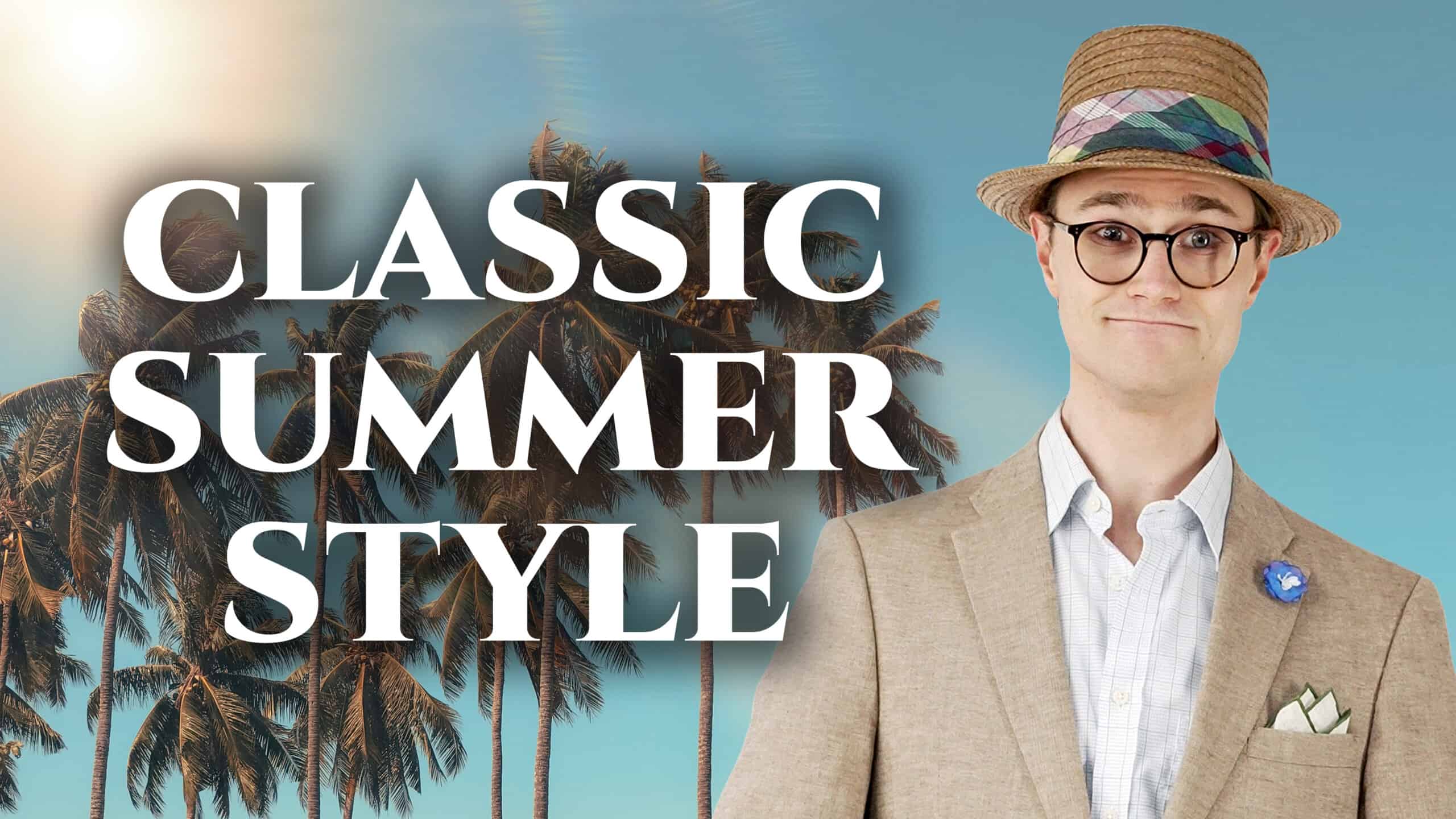
-
Lightweight Blended Fabrics: The Synergy of Fibers
The discussion frequently returns to the strategic use of blended fabrics, which represent a sophisticated approach to optimizing performance. Tailors often combine fibers like wool, silk, and linen in varying proportions to create textiles that harness the best attributes of each. For example, a blend might achieve the breathability and relaxed charm of linen, the resilience and structure of wool, and the luxurious drape and subtle sheen of silk. This allows for bespoke solutions that can precisely meet a client’s specific needs regarding climate, formality, and desired hand-feel. These blends offer a versatile middle ground, mitigating the drawbacks of individual fibers while accentuating their strengths, resulting in fabrics that are both innovative and incredibly practical for diverse summer conditions.
The Nuances of Selection: Climate, Occasion, and Garment Type
The Neapolitan tailors’ collective wisdom underscores that the "best" summer fabric is not a universal truth but a highly contextual decision. Several critical factors guide their recommendations:
- Climate’s Dictate: The specific nature of the warm weather plays a crucial role. In intensely humid climates like Naples, fabrics that excel in moisture-wicking and maximum airflow (e.g., open-weave high-twist wools, linen, hopsack) are paramount. In drier heat, fabrics that offer some sun protection while still breathing might be preferred, sometimes allowing for slightly denser weaves if airflow is guaranteed through construction.
- Occasion’s Formality: The required level of formality heavily influences fabric choice. For rigorous business environments or formal evening events, a crisp, wrinkle-resistant fabric like high-twist wool or a mohair blend might be favored over the more relaxed character of linen. Conversely, for casual gatherings or leisurely pursuits, linen or hemp can offer the perfect blend of comfort and effortless style.
- Garment-Specific Requirements: Different garments impose different demands on fabric. Summer trousers, for instance, generally require greater durability and crease resistance due to constant movement and sitting. High-twist wool and sturdy, tightly woven linens are common choices here. Sport coats, on the other hand, allow for more textural variation and visual interest, making hopsack, more relaxed linens, or wool-silk-linen blends excellent candidates, as they face less rigorous wear and tear.
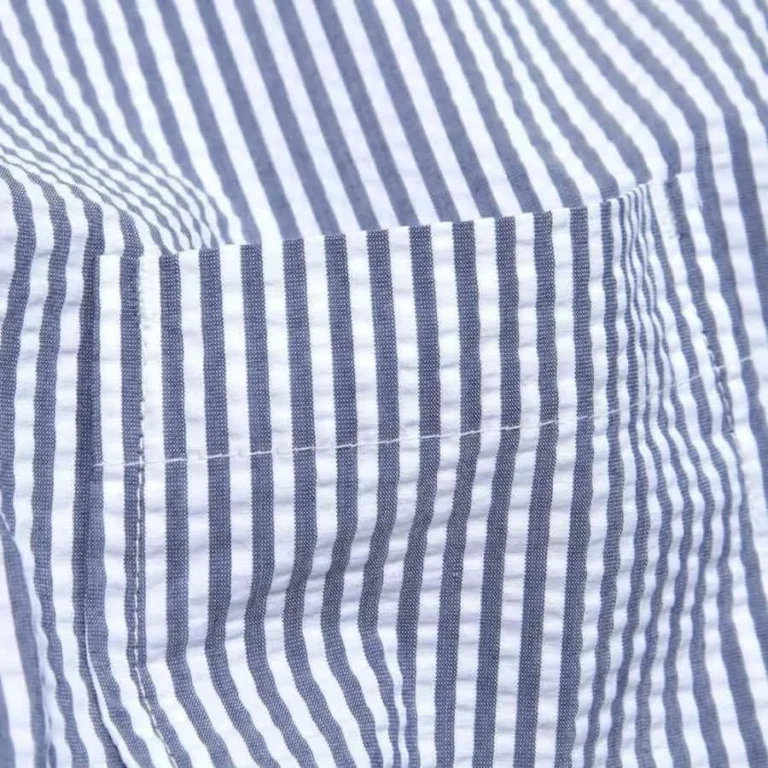
- Weight Versus Breathability Re-examined: A common misconception is that lighter fabric always equates to cooler wear. The Neapolitan experts emphatically challenge this notion. A lightweight fabric can still feel uncomfortably warm if it is woven very tightly, trapping air and moisture. Conversely, a slightly heavier cloth with a more open or porous weave can allow for significantly greater airflow, making it feel much cooler. Such fabrics often also benefit from better drape and superior wrinkle resistance. The key lies in the fabric’s weave structure and its ability to dissipate heat and moisture, rather than merely its grammage.
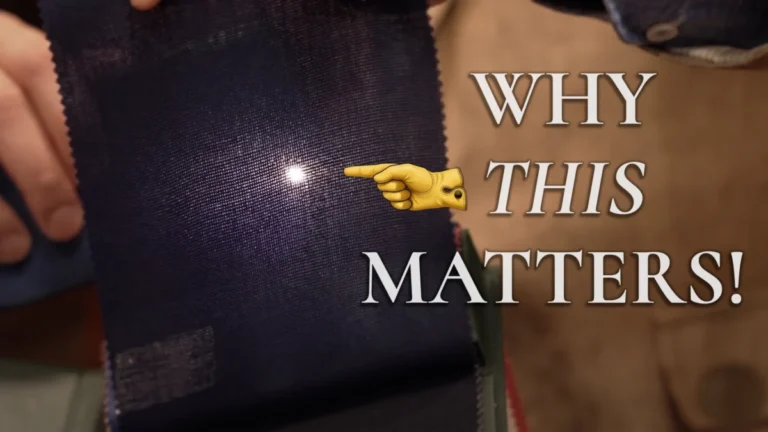
- Judging Breathability: For the discerning client, tailors advise a simple yet effective test: hold the fabric up to a light source. A visibly open structure, allowing light to pass through, generally indicates better airflow. However, this visual assessment must be balanced with considerations of durability, opacity (to ensure modesty), and the garment’s overall construction, which can further enhance or impede breathability.
The Neapolitan Consensus: Prioritizing Performance and Personal Style
The discussions with Sartoria Ciardi, Sartoria Solito, Sartoria Carfora, Sartoria Dalcuore, and Rubinacci reveal a nuanced understanding rather than a rigid set of rules. Their collective "disagreement" about linen is not a conflict but a testament to the depth of their expertise and their commitment to tailoring fabrics to individual needs and preferences. While some may favor linen for its inimitable relaxed character, others prioritize the crispness and formal structure offered by high-twist wool or mohair blends. Airflow, drape, and crease resistance are all critical metrics, but their relative importance shifts based on the client, the occasion, and the desired aesthetic.

This multi-faceted approach collectively offers a broader, more sophisticated view of what truly makes a fabric suitable for summer. It challenges the conventional assumption of a single "best" option, instead advocating for informed choices rooted in performance, practicality, and personal style. This dialogue serves as a vital resource for both seasoned sartorialists and those new to the world of bespoke clothing, encouraging a deeper appreciation for textile science and its application in creating truly comfortable and elegant summer attire.
Implications for the Discerning Client and the Future of Tailoring
This rich exchange of insights from Naples carries significant implications for both the tailoring industry and the discerning consumer. Firstly, it empowers clients to make more informed decisions, moving beyond generic recommendations to choose fabrics that are truly optimized for their specific climate, lifestyle, and aesthetic preferences. Understanding the properties of high-twist wool, hopsack, mohair, hemp, and sophisticated blends allows for a more personalized and ultimately more satisfying sartorial experience.
Secondly, this expert dialogue encourages innovation within textile manufacturing. It highlights the demand for a wider array of technically advanced and performance-oriented fabrics that marry traditional elegance with modern functionality. The emphasis on factors beyond mere weight, such as weave structure and fiber blend, will likely drive further research and development in sustainable and high-performing materials.
Finally, the enduring value of bespoke tailoring is reinforced. The complexity of choosing the ideal summer fabric, as illuminated by the Neapolitan masters, underscores why expert guidance from a skilled tailor remains invaluable. A true artisan does not merely cut and sew but acts as a consultant, translating a client’s needs into a perfectly crafted garment that considers every detail, down to the very fibers that compose it. Naples, through these voices, continues to solidify its position as a global leader in sartorial thought, demonstrating that even in the seemingly straightforward realm of summer dressing, there is an entire world of sophistication and choice waiting to be explored.