








The independent bridal design sector in Northern England has reached a new milestone with the unveiling of Bronwen Bridge’s expanded studio space in Manchester, signaling a robust period of growth for bespoke artisanal fashion. Bridge, a designer noted for her emphasis on silhouette, craftsmanship, and the collaborative nature of dressmaking, has transitioned her operations into a larger, multi-level creative hub. This move reflects a broader trend within the luxury wedding industry, where brides are increasingly moving away from mass-produced garments in favor of highly personalized, slow-fashion alternatives. The expansion was necessitated by a significant increase in demand during the previous wedding season, prompting the search for a workspace that could simultaneously accommodate technical production and high-end client consultations.
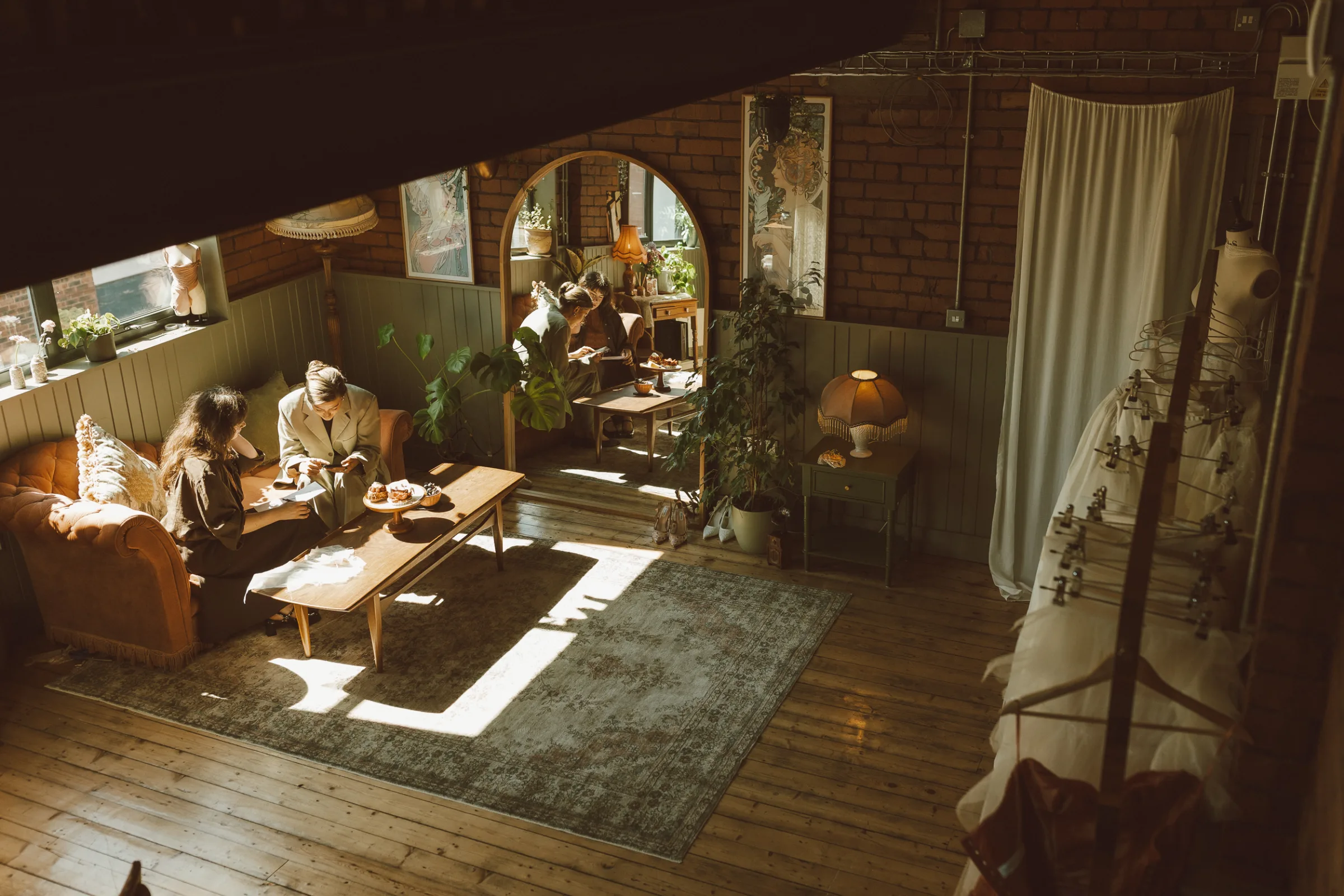
The new studio is situated within a converted Victorian-era red-brick boys’ school, a structure that embodies the industrial heritage and architectural character for which Manchester is globally recognized. The interior design of the workspace is a deliberate reflection of Bridge’s aesthetic values, featuring original pine floorboards, expansive industrial-grade windows that provide essential natural light for color matching, and a unique split-level mezzanine configuration. This layout serves a functional purpose in the bespoke workflow: the upper mezzanine is dedicated to the technical precision of sewing and construction, while the lower level provides an open, airy environment for fabric cutting and intimate client fittings. The choice of location aligns with the ongoing revitalization of Manchester’s historic textile districts, where former industrial buildings are being repurposed to house the city’s burgeoning creative economy.
The transition to this new space coincided with a period of intense creative exploration for Bridge, who drew inspiration from vintage interior design and sculptural forms. A pivotal moment in the development of her latest collection occurred when she encountered a vintage dusky pink lamp at a family residence. The lamp, characterized by a sculptural, bustle-like silhouette, delicate bead fringing, and bow detailing, served as the primary aesthetic catalyst for both the studio’s ambiance and a new signature design titled "Oria." This design was developed specifically to showcase the capabilities of the new studio and to demonstrate the intricate nature of the bespoke process.
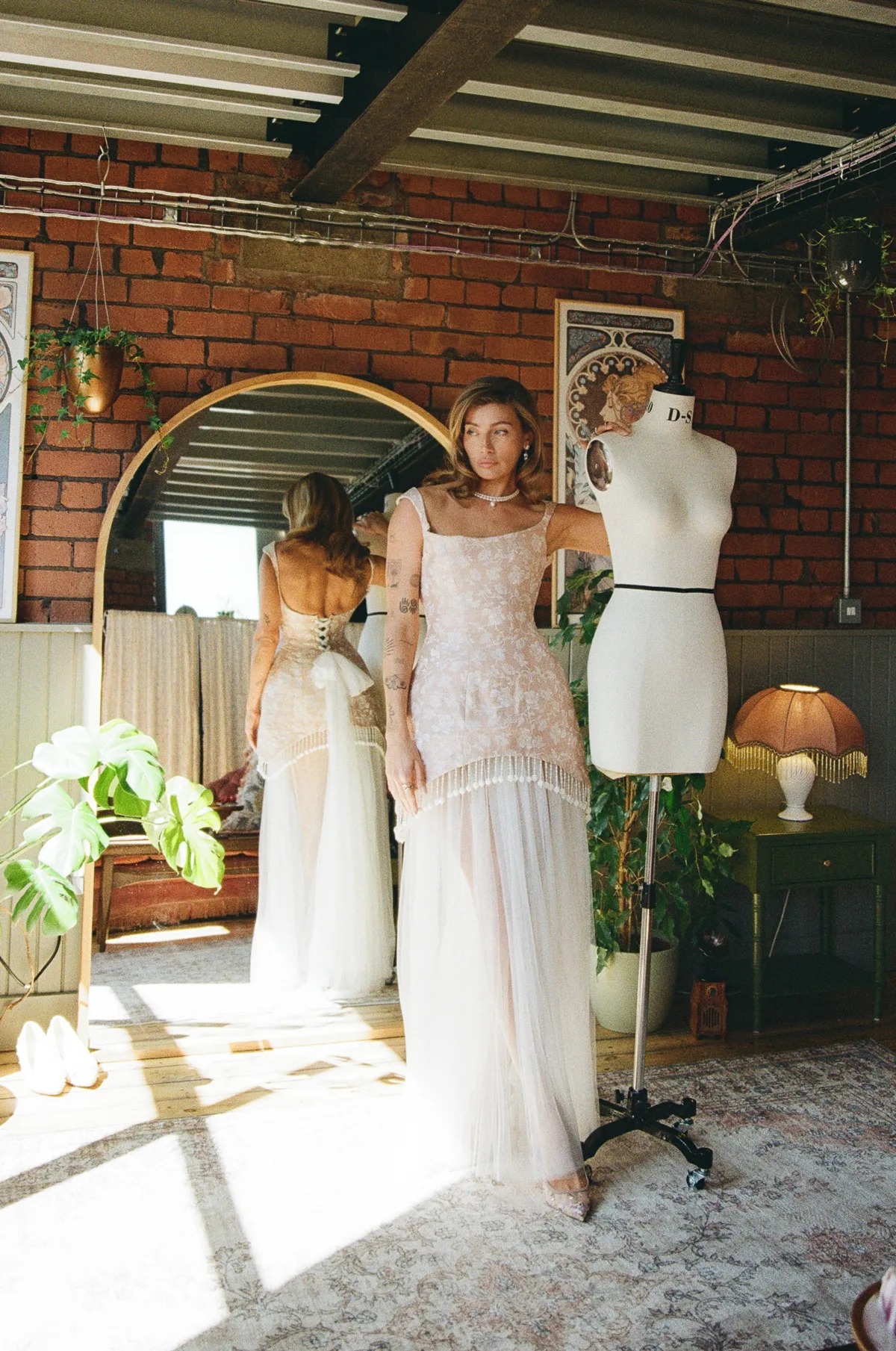
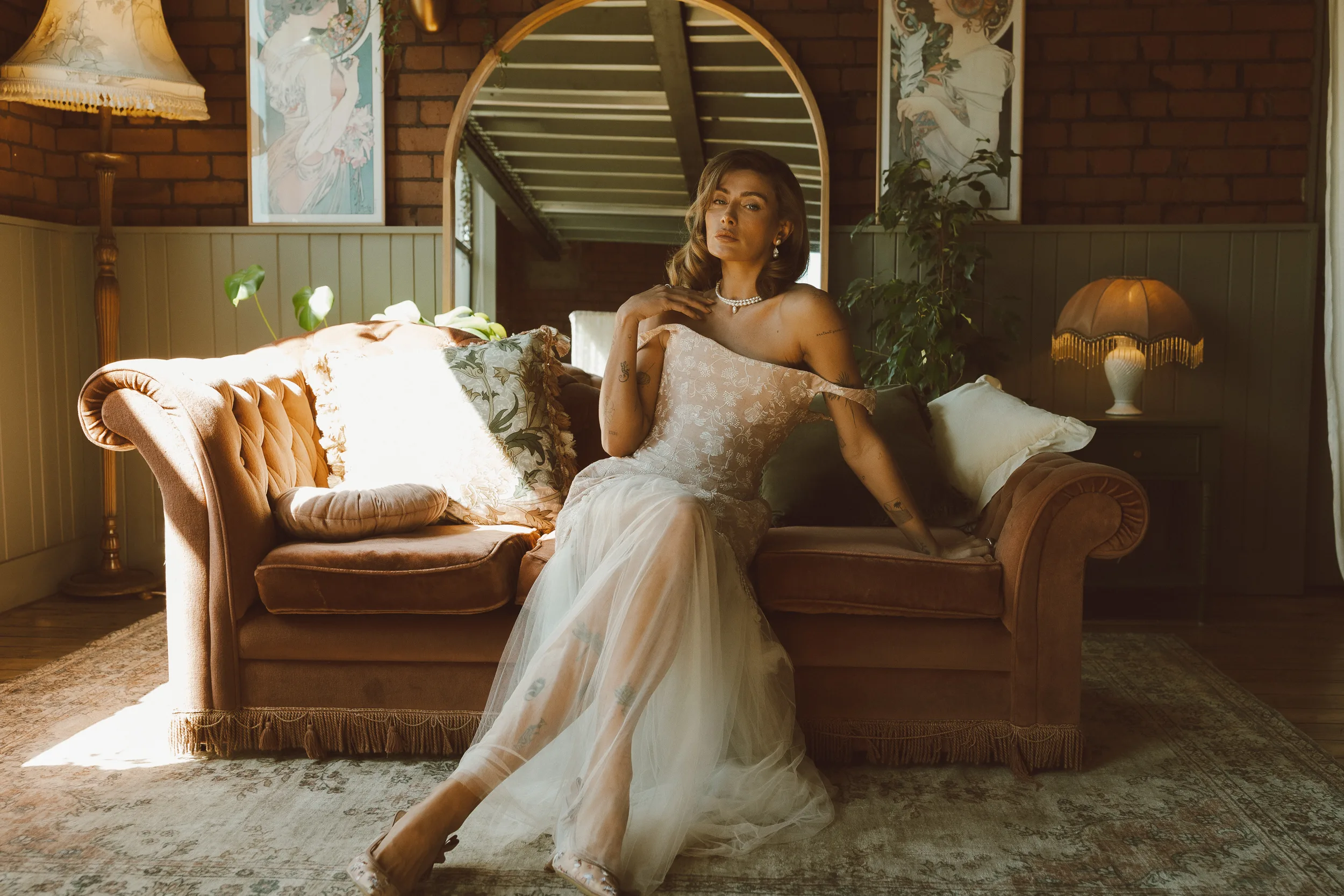
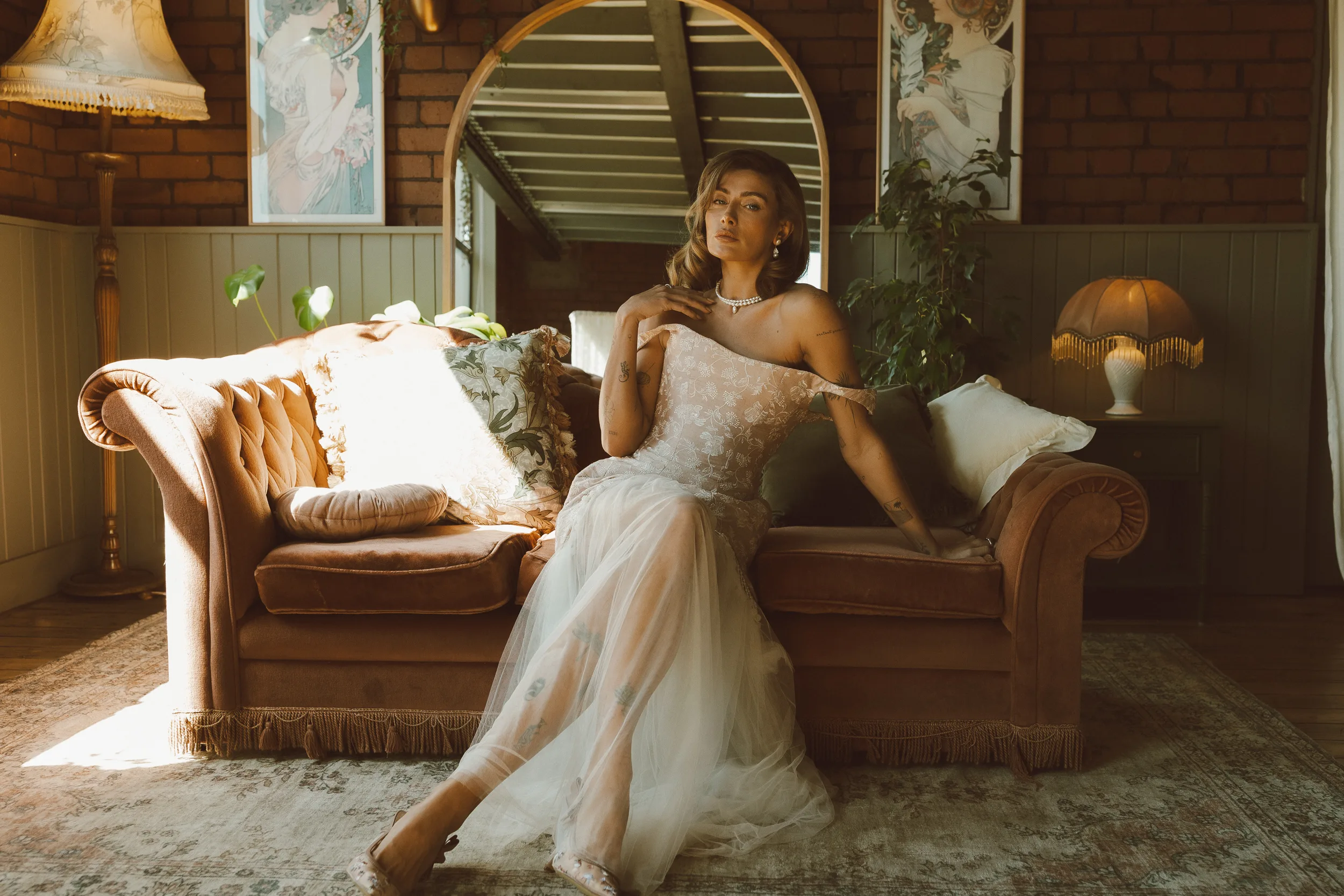
The Oria gown represents a sophisticated intersection of traditional corsetry and contemporary bridal trends. Constructed from dusky pink silk dupion—a fabric prized for its crisp texture and subtle sheen—the garment features a structured bodice with an off-the-shoulder neckline designed to emphasize the collarbone and shoulders. The silhouette is further defined by exaggerated hips, a nod to historical Victorian dressmaking, updated for the modern aesthetic. One of the most distinctive technical features of the Oria design is the pearl fringing that descends from the hem of the mini-dress, a direct reference to the beadwork found on the inspirational vintage lamp. To provide versatility, Bridge incorporated layers of soft tulle that extend to the floor; these layers are removable, allowing the bride to transition from a formal ceremony look to a more kinetic, playful shorter length for evening celebrations.
To document the opening of the studio and the birth of the Oria design, Bridge collaborated with Alessandra of Ariel in Blue, a photographer known for her atmospheric approach to fashion documentation. The shoot utilized a strategic blend of digital and 35mm film photography. The use of film is particularly significant in the context of bridal fashion, as it offers a grain and color depth that digital sensors often struggle to replicate, mirroring the "slow fashion" ethos of the bespoke process itself. The resulting images do not merely showcase a finished product but serve as a documentary record of the labor-intensive reality of dressmaking. They capture the nuances of fabric manipulation, the precision of hand-finishing, and the evolving dialogue between the designer and the garment during the fitting stage.
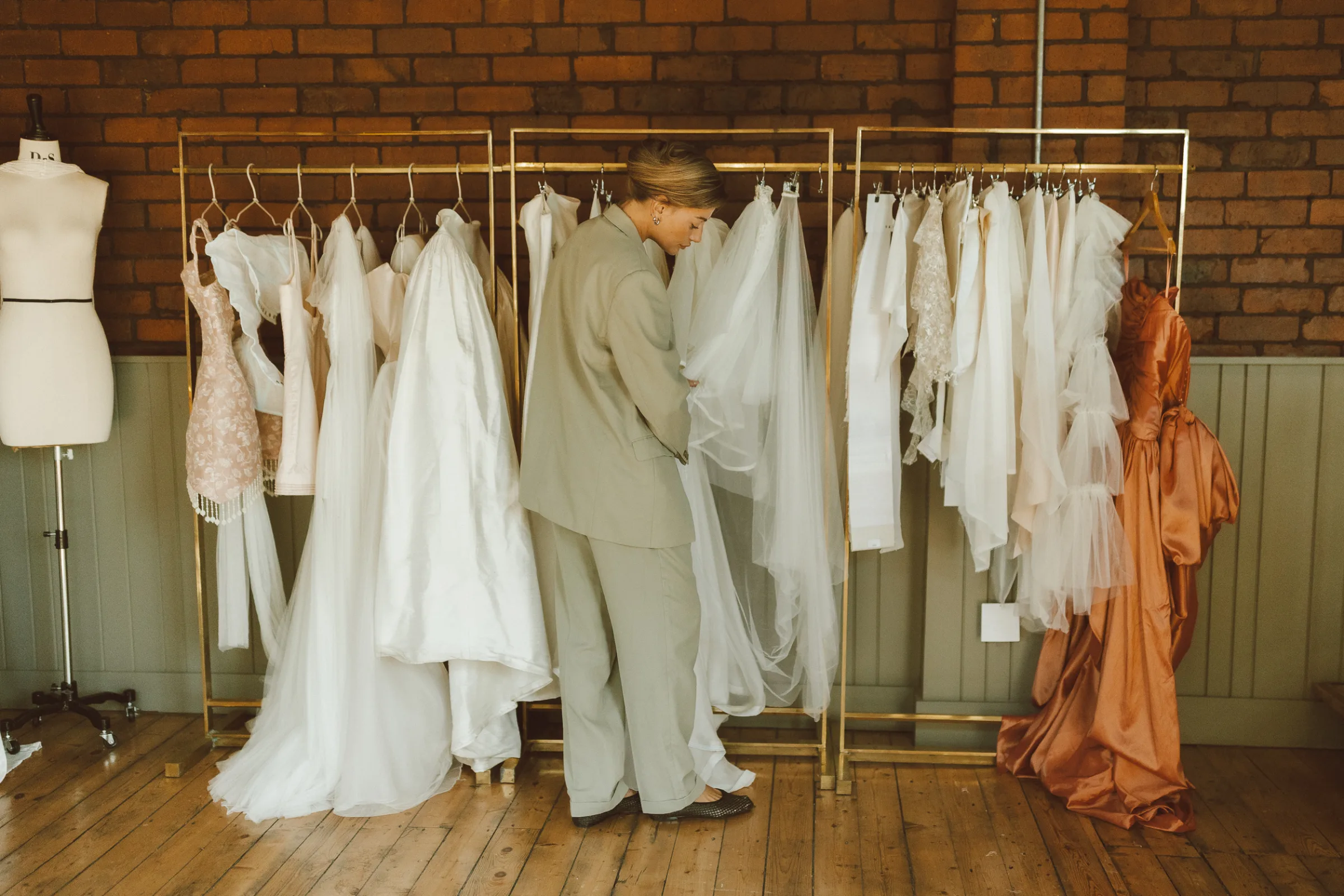
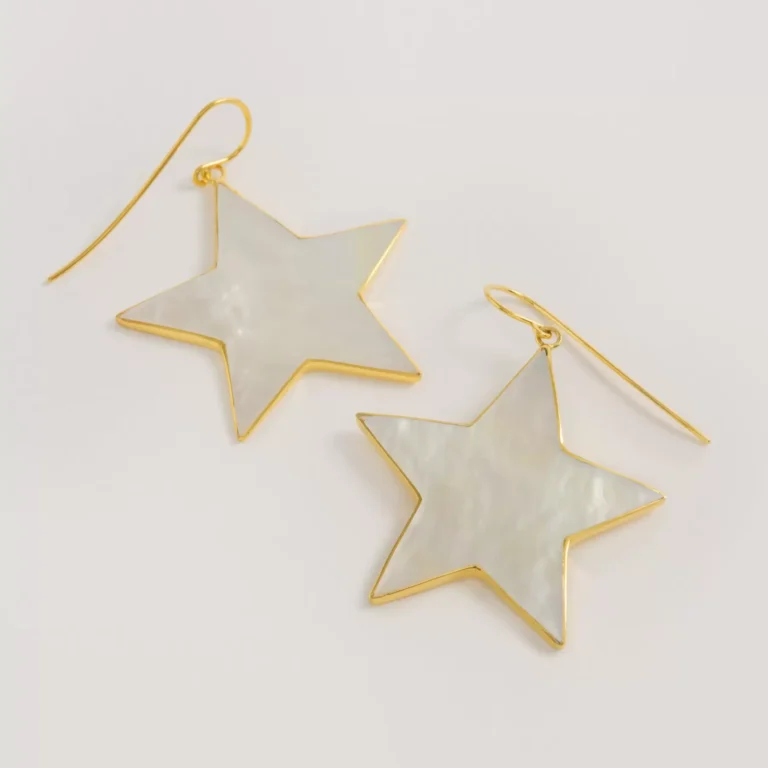
The collaborative nature of the project extended to a team of local specialists, highlighting the interconnectedness of the Manchester creative community. Sophie Griffiths provided the hair and makeup artistry for model Lisa May Jolley, opting for a glamorous yet refined look that complemented the vintage-inspired Oria gown. The ensemble was finalized with handmade pearl jewelry from Joannah & Grace, a choice that reinforced the theme of artisanal craftsmanship. This synergy between different creative disciplines—photography, makeup, jewelry design, and tailoring—is a hallmark of the modern bespoke experience, where the final output is the result of a cohesive artistic vision.
From a broader industry perspective, Bronwen Bridge’s expansion and the success of the Oria project highlight the resilience of the independent designer market. Data from recent wedding industry reports suggest that while the overall number of weddings has fluctuated, the spend-per-head on bridal attire has seen a steady increase among demographics that value sustainability and exclusivity. Bespoke fashion, once perceived as an inaccessible luxury, is being redefined as a "considered option" for those seeking a deeper connection to their wardrobe. The bespoke process typically unfolds over several months, involving initial consultations, the creation of a "toile" (a mock-up of the dress in inexpensive fabric), and multiple fittings to ensure a perfect anatomical fit. This timeline allows for a level of detail and structural integrity that is rarely found in ready-to-wear collections.
The implications of such creative ventures extend beyond the bridal sector. The repurposing of Manchester’s industrial heritage buildings into studios like Bridge’s contributes to the city’s identity as a hub for the "New Industrial Revolution," where the focus has shifted from mass production to high-value, specialized craft. This movement supports local supply chains and preserves traditional skills that might otherwise be lost to automation. By maintaining her production in-house within the Manchester studio, Bridge ensures that every garment produced carries a guarantee of ethical construction and superior quality control.
The creative process documented in this new studio also addresses the psychological aspect of the bridal experience. For many clients, the process of having a dress made from scratch is an emotional journey that adds significant sentimental value to the garment. Bridge’s new studio was specifically designed to foster this environment, offering a sanctuary where brides can feel "comfortable, relaxed, and looked after." The inclusion of vintage pieces and personal interior touches within the workspace helps to demystify the high-fashion environment, making the bespoke experience feel personal rather than transactional.
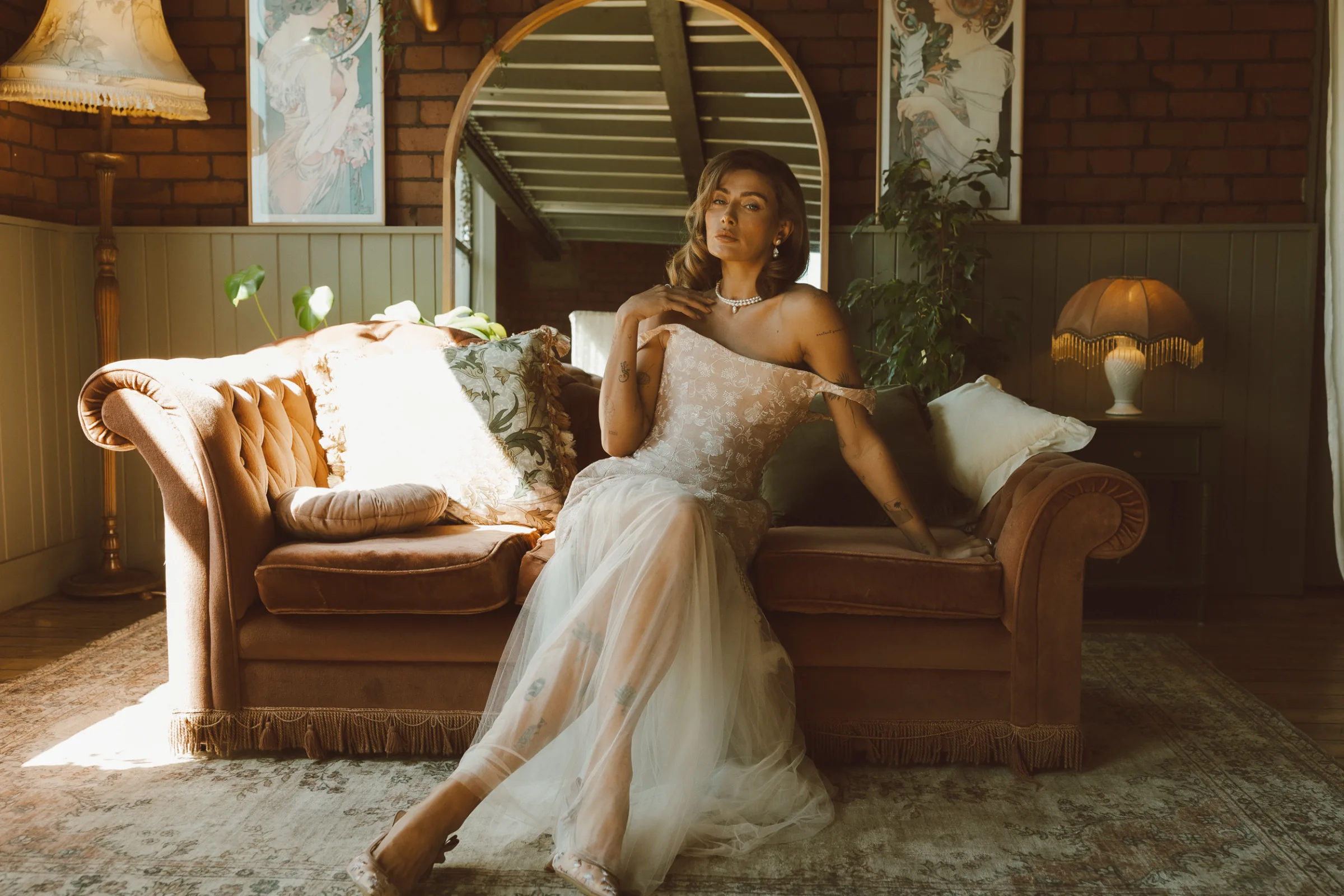
As the bridal industry continues to evolve in a post-pandemic landscape, the emphasis on versatility—as seen in the Oria’s removable tulle layers—is becoming a standard requirement. Modern brides often seek "multi-look" outfits that can adapt to different segments of their wedding day without the need for a completely separate second dress. Bridge’s ability to integrate this functionality into a high-concept, structured design demonstrates a keen understanding of the practical needs of contemporary women.
In summary, the opening of Bronwen Bridge’s new Manchester studio is more than just a business expansion; it is a testament to the enduring appeal of the artisanal spirit in an age of fast fashion. Through the development of the Oria gown and the collaborative editorial project with Ariel in Blue, Bridge has successfully articulated a vision of bridal fashion that is rooted in history but firmly focused on the future. The studio stands as a physical manifestation of her commitment to craftsmanship, providing a space where the technical rigors of tailoring and the creative fluidity of design can coexist. As she moves forward into a busy upcoming season, Bridge remains a key figure in the narrative of Northern English design, proving that with integrity and a genuine understanding of the female form, independent designers can thrive in a competitive global market. The project serves as an invitation to prospective brides to reconsider the value of the bespoke process, viewing it not just as a purchase, but as a meaningful participation in the art of dressmaking.