






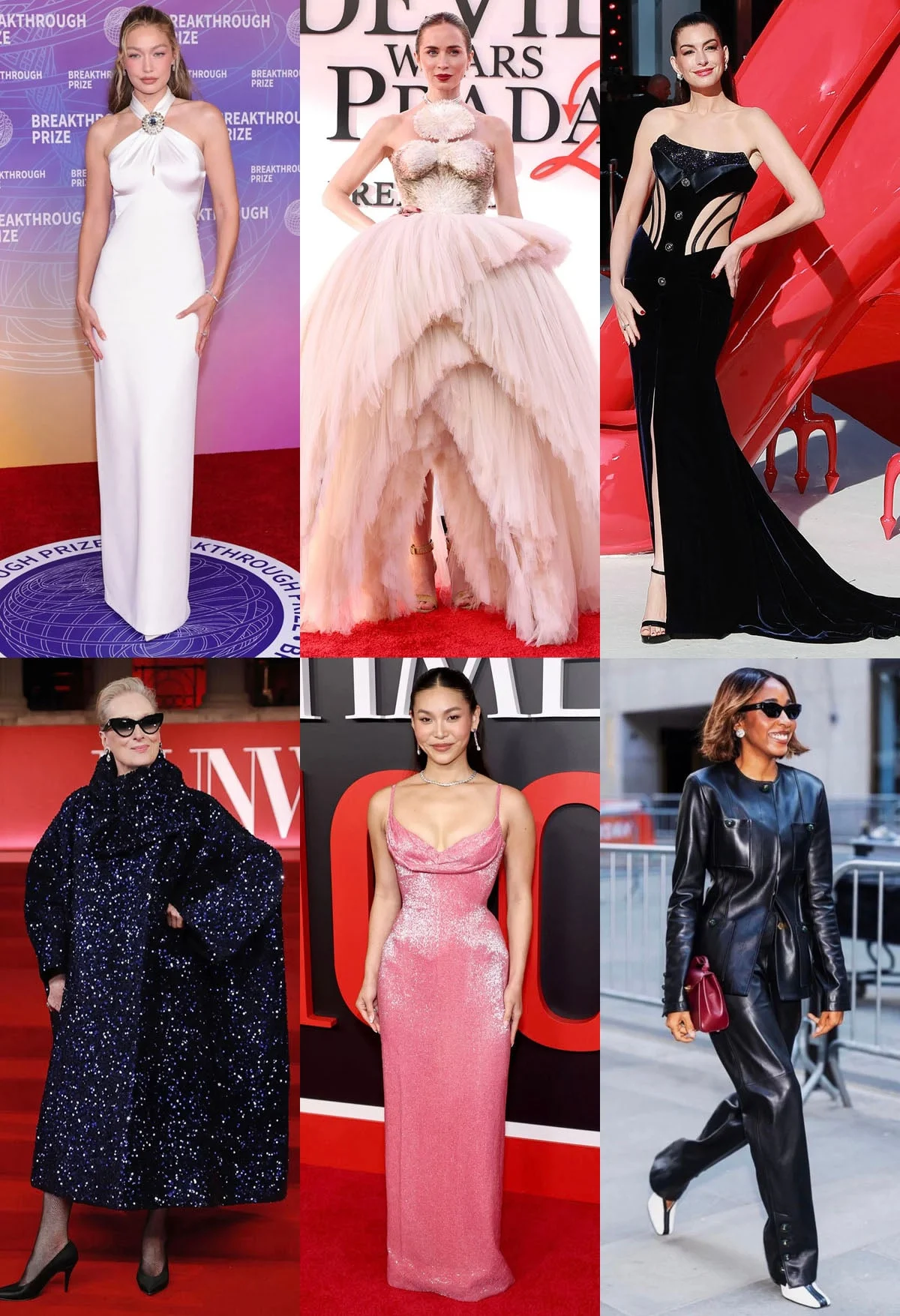
The global fashion landscape in 2024 has been characterized by a sophisticated convergence of archival reverence, avant-garde experimentation, and the strategic deployment of "method dressing." As the international awards circuit and high-profile galas regained their full pre-pandemic momentum, the red carpet transformed into a high-stakes arena for luxury conglomerates and independent designers alike. From the architectural precision of Schiaparelli to the timeless fluidity of Armani Privé, the sartorial choices of the world’s most prominent actors and models have served as both a cultural barometer and a significant driver of Earned Media Value (EMV). The 2024 season has notably highlighted a shift toward "narrative styling," where garments are selected not merely for aesthetic appeal but to reinforce a performer’s professional trajectory or a brand’s heritage.
The Strategic Intersection of Celebrity Influence and Luxury Branding
In the modern luxury economy, the relationship between a fashion house and a celebrity is a calculated financial instrument. The recent appearances of Gigi Hadid in David Koma and Naomi Watts in Prada underscore the diverse strategies employed by major labels. For David Koma, dressing a supermodel like Hadid provides a bridge between high-fashion editorial credibility and commercial accessibility. Conversely, Naomi Watts’ appearance in Prada reaffirms the brand’s position as the premier choice for the "intellectual elite" of Hollywood, a demographic that aligns perfectly with Miuccia Prada and Raf Simons’ vision of understated, cerebral luxury.
This strategic alignment is further evidenced by the multi-look campaigns of actresses like Emily Blunt and Meryl Streep. Blunt, whose 2024 appearances spanned Schiaparelli Haute Couture, Balmain, and Balenciaga, demonstrated a versatile range that appeals to different market segments. Her choice of Schiaparelli, in particular, highlights the industry’s current obsession with "surrealist couture"—garments that function as wearable art. Meanwhile, Meryl Streep’s extensive wardrobe, featuring Givenchy, Gucci, Prada, Richard Quinn, and Armani Privé, signals a masterclass in "legacy dressing," where the garment reflects the wearer’s status as a pillar of the cinematic establishment.
A Chronology of Elegance: From the Golden Globes to the Cannes Film Festival
The 2024 fashion timeline began with a return to classicism during the winter awards season. Early indicators of the year’s trends were seen in the preference for structured silhouettes and monochrome palettes. Margot Robbie’s continued collaboration with Armani—a partnership that has defined the "Barbie" press cycle—showcased how a single brand can dominate a celebrity’s public identity for an entire calendar year. As the season progressed into the spring, the Met Gala and the Cannes Film Festival introduced more daring elements.
In May, the red carpet at Cannes saw a shift toward voluminous silhouettes and intricate detailing. This was exemplified by Winnie Harlow in Stéphane Rolland Haute Couture and Sofia Carson in Francesco Scognamiglio Couture. These choices represent the "couture peak" of the year, where the focus moves from red-carpet-ready gowns to museum-quality craftsmanship. The chronology of the year suggests a deliberate escalation in visual complexity, beginning with the minimalist elegance of January and culminating in the theatrical displays of the late spring and summer seasons.
The Streep-Blunt Synergy: A Masterclass in Multi-Label Representation
One of the most compelling narratives of the 2024 season has been the sartorial journey of the "Devil Wears Prada" alumni, Meryl Streep and Emily Blunt. Both actresses maintained a high level of visibility, often appearing at the same events to support shared projects or industry milestones. Blunt’s rotation between the sharp, modern edges of Balenciaga and the ornate, historical references of Balmain showcases a sophisticated understanding of brand identity.
Meryl Streep’s 2024 wardrobe was equally diverse but leaned more toward houses that emphasize timelessness. Her appearance in Richard Quinn was a rare departure into contemporary British avant-garde, suggesting a willingness to evolve her style even as she remains a frequent patron of established houses like Armani Privé and Givenchy. The data suggests that Streep’s choice of Armani Privé, in particular, remains one of the most searched-for red carpet moments of the year, proving that classic silhouettes still command significant consumer attention.
The Architecture of Couture: Schiaparelli, Rolland, and the Avant-Garde
The 2024 season saw a resurgence in "architectural fashion," where the structure of the garment is as important as the fabric itself. Emily Blunt’s Schiaparelli Haute Couture look was a standout example of this trend, utilizing Daniel Roseberry’s signature metallic hardware and exaggerated proportions. Similarly, Winnie Harlow’s choice of Stéphane Rolland Haute Couture brought a level of sculptural drama that stood out in a sea of traditional evening gowns.
This trend toward the avant-garde is not merely an aesthetic choice but a response to the "digital fatigue" of social media. In an era where red carpet images are consumed in seconds on mobile devices, brands like Schiaparelli and Stéphane Rolland create "thumb-stopping" moments. The intricate craftsmanship of these houses—often involving hundreds of hours of hand-embroidery or custom metalwork—justifies the high price points of their couture lines and reinforces their status at the pinnacle of the fashion pyramid.
The Renaissance of the Fashion Muse: Anne Hathaway and Margot Robbie
Anne Hathaway and Margot Robbie have emerged as the definitive fashion muses of the 2020s. Hathaway’s 2024 appearances in Louis Vuitton, Atelier Versace, and Armani Privé reflect her transformation into a high-fashion icon. Her relationship with Donatella Versace, in particular, has been cited by industry analysts as a textbook example of how a celebrity can revitalize a brand’s image among a younger demographic.
Margot Robbie’s association with Armani has been equally transformative. By moving away from her previous long-term contract with Chanel to embrace a more varied selection of designers, Robbie has demonstrated the power of "method dressing"—aligning her red carpet looks with the themes of her film projects. This strategy has resulted in some of the highest EMV scores of the year, with her Armani looks frequently trending on global search engines within minutes of her arrival on the carpet.
Supporting Data: The Economic Value of the Red Carpet
The impact of these fashion choices is measurable. According to data from Launchmetrics, a single red carpet appearance by a high-profile star like Lady Gaga in Saint Laurent or Dakota Johnson in Valentino can generate upwards of $5 million in Media Impact Value (MIV) for the brand. In 2024, the "Anne Hathaway effect" alone was credited with a double-digit increase in social media engagement for the brands she wore.
Furthermore, the diversity of brands represented in 2024—ranging from the independent luxury of Khaite (worn by Kate Hudson) to the experimental Loewe (worn by Michaela Coel)—indicates a healthy and fragmented luxury market. Designers like David Koma and Marmar Halim (worn by Jasmine Tookes) benefit immensely from these placements, as they provide a global platform that would otherwise require multi-million dollar advertising budgets.
Global Influences and the K-Pop Integration
The 2024 fashion season also solidified the dominance of K-pop stars in the Western fashion hierarchy. Jisoo’s appearance in Miss Sohee Couture was a significant moment, bridging the gap between South Korean cultural influence and London-based artisanal design. This partnership reflects a broader trend where luxury houses are looking toward the Asia-Pacific market for growth, utilizing global ambassadors to reach a more diverse and digitally-native audience.
Similarly, the inclusion of stars like Simone Ashley in Thierry Mugler and Zoe Saldana in Givenchy highlights the industry’s commitment to global representation. These appearances are not just about fashion; they are about brand expansion into emerging markets where these actors have significant influence.
Official Responses and Industry Implications
While official statements from the fashion houses are often curated for press releases, the internal sentiment within the industry is one of cautious optimism. A spokesperson for a major luxury conglomerate recently noted that "the red carpet is no longer just a marketing tool; it is the primary venue for brand storytelling." This sentiment is echoed by celebrity stylists, who have become as influential as the designers themselves in shaping a star’s public persona.
The implication for the future is clear: the red carpet will continue to evolve into a more integrated part of the entertainment industry. The 2024 season has proven that when the right star is paired with the right designer—such as Nia Long in Pamella Roland or Chloe Kim in Wiederhoeft—the result is a cultural moment that transcends the garment itself.
Conclusion: The Future of the High-Fashion Red Carpet
As the 2024 season draws to a close, the data and visual evidence point toward a future where fashion is more deeply integrated into the narrative of celebrity. The list of the year’s best-dressed stars—from the established legends like Meryl Streep to the new guard like Ayo Edebiri in Chanel—demonstrates a sophisticated understanding of the power of the image.
In an increasingly fragmented media landscape, the red carpet remains one of the few global stages where fashion, cinema, and commerce collide with maximum impact. The strategic choices made by stars like Emily Blunt, Anne Hathaway, and Margot Robbie will likely set the tone for the 2025 season, where the emphasis on artisanal couture and narrative-driven styling is expected to reach even greater heights. For the luxury brands involved, these moments are not just about glamour; they are the essential building blocks of brand equity in the 21st century.