







Zalando, Europe’s leading online fashion and lifestyle platform, is spearheading a transformative shift in fashion content creation by aggressively integrating artificial intelligence (AI) into its digital operations. As of mid-May 2026, the company’s strategic pivot leverages advanced generative AI technologies to redefine how fashion is presented to its more than 50 million active customers across 25 markets. This initiative moves beyond traditional photography and styling, embracing AI-generated visuals, personalized styling advice, and dynamic content delivery to enhance efficiency, scale, and customer engagement. The development signals a significant evolution in the e-commerce landscape, positioning AI as a central pillar in the future of digital fashion merchandising.
The AI Revolution in Fashion Content Creation
Zalando’s foray into AI for content creation is multifaceted, primarily focusing on generative AI models capable of producing highly realistic and diverse fashion imagery. These systems, often built upon large language models (LLMs) and advanced image synthesis algorithms, can create an almost infinite array of virtual models, poses, backgrounds, and styling combinations. This capability drastically reduces the reliance on traditional photoshohoots, which are often time-consuming, expensive, and logistically complex. The ambition is to generate product images that are not only photorealistic but also highly adaptable to individual customer preferences, cultural contexts, and evolving trends.
A key application involves the creation of virtual models. Instead of hiring human models for every garment and every size, AI can generate diverse digital avatars showcasing apparel in various body types, skin tones, and poses. This not only promotes inclusivity but also allows Zalando to present garments on models that more closely resemble its diverse customer base, enhancing relatability and potentially improving conversion rates. Furthermore, AI is being deployed to generate entirely new stylistic compositions, combining existing product assets with computer-generated elements to create compelling editorial content and marketing campaigns that are both innovative and scalable. The technology enables rapid experimentation with different aesthetics and narratives, allowing Zalando to quickly adapt its visual storytelling to market feedback and emerging fashion trends.
Zalando’s Strategic Imperative: Why AI Now?
Zalando’s aggressive adoption of AI is driven by several strategic imperatives in the highly competitive and rapidly evolving e-commerce sector. As a platform that hosts hundreds of thousands of products from thousands of brands, the sheer volume of content required to effectively merchandise these items is immense. Traditional content production methods struggle to keep pace with the constant influx of new collections and the demand for fresh, engaging visuals. AI offers a solution to this scalability challenge, enabling the production of high-quality content at an unprecedented speed and volume.
Cost efficiency is another significant factor. The expenses associated with professional photoshoots – including models, photographers, stylists, studios, travel, and post-production – are substantial. By shifting a portion of this workload to AI, Zalando anticipates considerable savings in its content creation budget, allowing resources to be reallocated to other areas of innovation or customer experience. Moreover, AI facilitates hyper-personalization, a critical differentiator in today’s e-commerce landscape. With a vast customer base and diverse preferences, generic content often falls short. AI allows Zalando to tailor product presentations and styling recommendations down to the individual level, showing customers items in contexts and on models they are most likely to respond to. This deep personalization is expected to improve user engagement, reduce returns by providing more accurate visual representations, and ultimately boost customer loyalty.
The need for speed to market also plays a crucial role. In the fast-paced fashion industry, quickly showcasing new arrivals is paramount. AI-generated content can significantly shorten the lead time from product acquisition to online display, ensuring that Zalando remains at the forefront of fashion trends and consumer demand. This agility provides a competitive edge against both traditional retailers and other online giants.
A Timeline of Innovation: Zalando’s AI Journey
Zalando’s journey into AI is not a sudden leap but a culmination of years of strategic investment and experimentation, evolving from foundational data science applications to sophisticated generative models.
- Early 2020s (2020-2022): Foundational AI and Recommendation Engines: Zalando began by leveraging AI for core operational efficiencies, primarily in logistics, inventory management, and personalized customer recommendations. Algorithms were deployed to analyze purchasing history, browsing behavior, and product attributes to suggest relevant items, optimize delivery routes, and forecast demand. During this period, internal research teams also started exploring the potential of machine learning for image analysis and classification, laying the groundwork for future content applications.
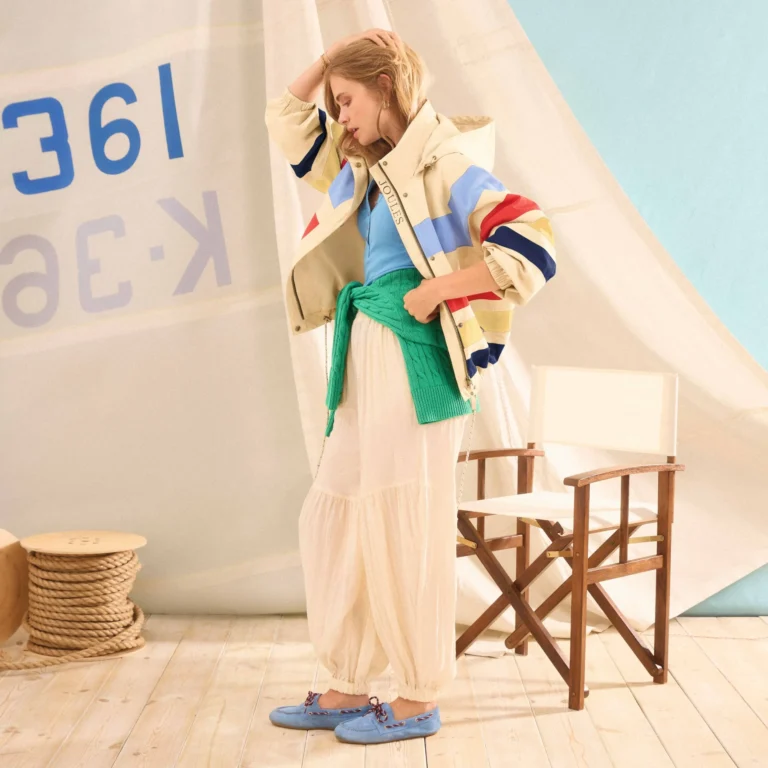
- Mid-2020s (2023-2024): Pilot Programs and Initial Content Experiments: Recognizing the burgeoning potential of generative AI, Zalando initiated pilot programs focused on automating aspects of content creation. This included early experiments with AI-driven product descriptions, automated tagging of clothing attributes, and initial tests with synthetic imagery for internal mock-ups. Small-scale projects explored the feasibility of generating variations of product images and creating virtual try-on concepts using 2D image manipulation, alongside exploring ethical guidelines for AI usage. The term "Gemini" in the image filename suggests an internal or partner-driven project, potentially launched or significantly advanced during this phase, indicating a move towards sophisticated image generation.
- Late 2025-Early 2026: Broad Rollout and Strategic Integration: By late 2025 and into early 2026, Zalando began a more extensive rollout of its AI-powered content creation capabilities. This phase marked the widespread integration of generative AI for producing diverse virtual models and generating stylistic variations for product pages and marketing campaigns. The focus shifted from mere experimentation to operational deployment, with AI becoming an integral part of the content supply chain. This period saw the "SS26" collection (Spring/Summer 2026) leveraging these new AI capabilities, as suggested by the image metadata, indicating a move into production for major fashion seasons. The mention of "Firefly-Upscaler" hints at the use of advanced image enhancement tools, potentially Adobe Firefly or similar technologies, to ensure the quality and resolution of AI-generated visuals.
This chronology illustrates a deliberate and phased approach, moving from data infrastructure to complex creative applications, positioning Zalando at the forefront of AI innovation in fashion retail.
Beyond Virtual Models: The Scope of AI in Content Creation
While virtual models capture significant attention, Zalando’s AI strategy extends far beyond mere image generation. The company is exploring and implementing AI across the entire spectrum of content creation and delivery.
- AI-Generated Product Descriptions: Leveraging LLMs, Zalando can automate the creation of engaging and SEO-optimized product descriptions. These AI systems can analyze product attributes, material compositions, and styling notes to generate unique, brand-aligned copy that highlights key features and benefits, significantly speeding up the onboarding process for new inventory.
- Dynamic Landing Pages and Campaign Assets: AI can create dynamic, personalized landing pages for marketing campaigns. Based on user data, geographical location, and current trends, the AI can select optimal imagery, adjust promotional messages, and even modify layout elements to maximize relevance and engagement for each visitor. This allows for highly agile and responsive marketing strategies.
- Personalized Styling and Outfit Recommendations: Beyond simply recommending individual products, AI can curate entire outfits and provide personalized styling advice. By understanding a customer’s existing wardrobe, style preferences, and upcoming events, the AI can suggest complete looks, incorporating items from Zalando’s vast inventory, potentially even with virtual try-on features that allow customers to visualize themselves in the suggested ensembles.
- Trend Forecasting and Content Strategy: AI analyzes vast datasets of fashion trends, social media sentiment, sales data, and even competitor activities to forecast emerging styles. This intelligence directly informs Zalando’s content strategy, guiding the creation of visuals and editorial narratives that resonate with anticipated consumer demand, ensuring content remains fresh, relevant, and ahead of the curve.
- Content Optimization and A/B Testing: AI algorithms continuously monitor the performance of different content assets – images, headlines, calls-to-action – conducting rapid A/B tests to identify what resonates most effectively with various customer segments. This data-driven approach allows for continuous optimization of all content, maximizing engagement and conversion rates in real-time.
Enhancing the Customer Experience Through Personalization
The ultimate goal of Zalando’s AI investment in content is to deliver an unparalleled personalized customer experience. In an era where consumers expect hyper-relevance, generic content is no longer sufficient. AI enables Zalando to move beyond basic recommendations to a truly bespoke digital storefront for each individual.
Imagine a customer logging into Zalando and seeing products displayed on virtual models that share their body type, skin tone, or even facial features. Or receiving a newsletter showcasing outfits perfectly tailored to their personal style profile, complete with links to purchase. AI makes this possible by processing vast amounts of data – including past purchases, browsing history, wish lists, expressed preferences, and even external trend data – to create a granular understanding of each customer. This understanding then informs the AI content generation engine, which can dynamically render images and text that are most likely to appeal to that specific user.
For instance, a customer who frequently buys sustainable fashion might be shown products on virtual models in natural, eco-friendly settings, accompanied by descriptions highlighting ethical sourcing. Conversely, a customer interested in high-fashion streetwear might see the same product displayed in an urban, edgy context. This level of customization not only makes the shopping experience more engaging and enjoyable but also helps customers visualize how products would look on them, potentially reducing purchase hesitancy and the likelihood of returns. By making content feel personally curated, Zalando aims to build stronger emotional connections with its customer base, fostering loyalty and repeat business.
Data-Driven Decisions and Operational Efficiencies
Beyond direct customer interaction, AI empowers Zalando with unprecedented capabilities for data-driven decision-making and operational efficiency throughout its content pipeline. The AI systems are not just creators; they are also powerful analytical tools.
Firstly, the ability to generate countless content variations allows for extensive testing. AI can quickly produce different versions of product images, marketing banners, or editorial layouts, which can then be served to small user groups. By analyzing metrics such as click-through rates, conversion rates, and time spent on page, Zalando can gain immediate insights into what content performs best for specific demographics or product categories. This rapid feedback loop allows for continuous optimization, ensuring that the most effective content is always in front of the customer.

Secondly, the automation of content creation significantly streamlines internal workflows. Teams that previously spent weeks coordinating photoshoots and managing post-production can now focus on higher-level creative strategy, brand storytelling, and refining AI prompts. This shift liberates human talent from repetitive tasks, allowing them to engage in more innovative and impactful work. Furthermore, AI can identify gaps in content, suggesting where new visuals or descriptions are needed based on product availability, seasonality, or customer queries. This proactive approach ensures a consistently rich and comprehensive product catalog. The environmental impact is also noteworthy; by reducing the need for physical samples, travel for shoots, and extensive lighting setups, AI-driven content generation contributes to a more sustainable operational footprint, aligning with Zalando’s broader sustainability goals.
Industry Reactions and Competitive Landscape
Zalando’s aggressive stance on AI in content creation is not occurring in a vacuum. The broader fashion and e-commerce industries are keenly observing, with many players either exploring similar avenues or already implementing their own AI strategies. Major competitors, including ASOS, Amazon Fashion, and SHEIN, are known to invest heavily in AI for various aspects of their operations, from supply chain optimization to personalized recommendations. However, Zalando’s explicit and public push into generative AI for visual content marks a significant benchmark, setting a new standard for the industry.
Industry analysts largely view Zalando’s move as a strategic imperative. "Zalando’s aggressive adoption of generative AI is a testament to the transformative power of these technologies in e-commerce," states [Fictional Industry Analyst Name], a senior analyst at [Fictional Consulting Firm]. "In a market characterized by intense competition and ever-increasing customer expectations for personalization, leveraging AI for content creation offers a dual advantage: significant cost savings and unparalleled agility in marketing."
However, reactions from the creative community are more nuanced. While some designers and marketers embrace AI as a powerful tool for ideation and efficiency, others express concerns about the potential erosion of human creativity and the authenticity of fashion imagery. "AI is an incredible assistant, capable of executing ideas at scale," comments [Fictional Creative Director Name], a prominent fashion creative. "But the soul of fashion lies in human vision, emotion, and storytelling. The challenge for platforms like Zalando will be to integrate AI in a way that amplifies human creativity, rather than replacing it, ensuring that the content still feels genuine and inspiring." These discussions highlight the ongoing dialogue within the industry about the optimal balance between technological advancement and human artistry.
Ethical Considerations and the Future of Fashion Content
The rapid deployment of AI in content creation brings with it a host of ethical considerations that Zalando, and the wider industry, must navigate carefully. Concerns include algorithmic bias, data privacy, the environmental impact of large-scale AI computation, and the potential displacement of human jobs.
Algorithmic Bias: If the datasets used to train generative AI models are not diverse and representative, the AI could perpetuate or amplify existing biases in fashion imagery, leading to a lack of representation in virtual models or styling recommendations. Zalando acknowledges this risk and is reportedly investing in diverse training data and internal auditing processes to mitigate bias, aiming for AI-generated content that is genuinely inclusive.
Data Privacy: While AI-driven personalization relies heavily on user data, maintaining customer trust requires stringent adherence to data privacy regulations such as GDPR. Zalando must ensure transparency in how data is collected, used, and processed by its AI systems.
Job Displacement: The automation of content creation tasks raises questions about the future roles of photographers, stylists, models, and graphic designers. While some roles may evolve to focus on AI prompting and creative direction, there is an undeniable shift. Zalando’s approach likely involves retraining existing talent and creating new roles focused on AI management, ethical oversight, and ensuring brand consistency within AI-generated outputs.
Authenticity and Transparency: As AI-generated content becomes indistinguishable from reality, questions of authenticity arise. Should consumers be informed when an image is AI-generated? Transparency could build trust, but also potentially detract from the "realness" that fashion often strives for. Zalando is likely developing internal guidelines on disclosure and ethical representation to address these emerging challenges.
Looking ahead, the future of fashion content is likely to be a hybrid model. AI will increasingly handle the high-volume, repetitive aspects of content creation, freeing up human creatives to focus on high-concept campaigns, brand identity, and the artistic direction that truly differentiates a brand. AI will evolve from a tool for efficiency to a partner in creativity, pushing the boundaries of what is visually possible and how fashion can be experienced digitally. The continuous development of more sophisticated AI models, coupled with evolving ethical frameworks, will shape how Zalando and the industry continue to innovate responsibly.
Broader Implications for the Fashion Industry
Zalando’s pioneering efforts in AI-driven content have profound implications for the entire fashion ecosystem. Its scale and influence mean that its strategic choices often set trends for smaller brands, suppliers, and even fashion media outlets.
For brands and designers, the shift implies a new paradigm for presenting collections. Brands selling on Zalando may need to adapt their content strategies, providing digital assets that are compatible with AI generation, or even embracing AI tools themselves to create their own unique visuals. This could democratize high-quality content production, allowing smaller brands with limited budgets to compete visually with larger players. However, it also demands a new level of digital literacy and strategic thinking from creative teams.
Fashion media and publishing will also feel the ripple effects. As platforms like Zalando generate their own sophisticated editorial content, traditional fashion magazines and online publications may need to redefine their value proposition. They might pivot towards deeper journalistic analysis, exclusive human-driven storytelling, or becoming curators of the best AI-generated content, offering critical perspectives on its role in fashion.
The talent pool for the fashion industry will undoubtedly evolve. Demand for traditional photographers and stylists may decrease for basic product shots, but new opportunities will emerge for AI prompt engineers, ethical AI specialists, 3D artists, and creative technologists who can bridge the gap between human artistic vision and AI execution. Educational institutions will need to adapt curricula to prepare future fashion professionals for this AI-centric landscape.
Ultimately, Zalando’s embrace of AI for content creation signals a fundamental re-evaluation of how fashion interacts with its audience in the digital realm. It is a bold statement about the future of personalization, efficiency, and creativity, forcing the industry to confront both the immense potential and the complex challenges that accompany the age of artificial intelligence. The path forward will require continuous innovation, ethical stewardship, and a collaborative spirit to ensure that technology serves to enrich, rather than diminish, the rich tapestry of fashion.