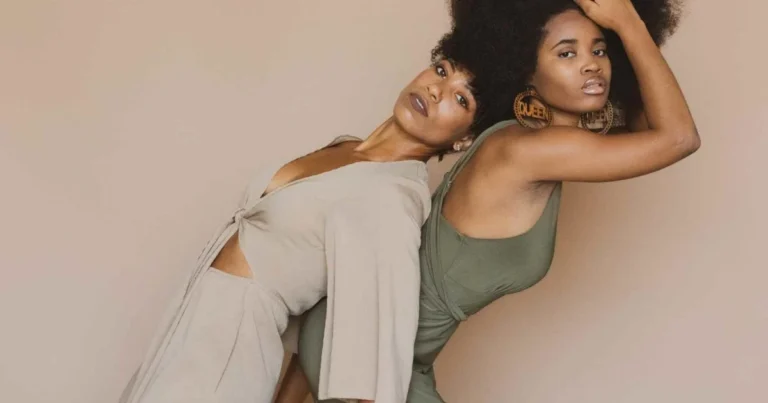






The fashion industry, a powerful force in global commerce and culture, is undergoing a profound transformation. While dresses remain a timeless classic, offering versatility for both work and leisure, a growing awareness of their production journey is reshaping consumer priorities. Many well-known brands have fallen short in their commitment to people, the planet, and animals, prompting a significant shift towards more ethically-minded alternatives. This comprehensive guide highlights brands that are leading the charge in sustainable and ethical dress production, categorized by region to facilitate conscious local shopping.
The Imperative for Change: Unpacking the Fashion Industry’s Impact
For decades, the allure of fast fashion—cheap, trend-driven clothing—dominated the market. However, the true cost of this rapid consumption has become increasingly apparent. The environmental footprint of conventional garment production is staggering. Textile waste, for instance, fills landfills at an alarming rate, with an estimated 92 million tons of textile waste generated globally each year, projected to rise to 148 million tons by 2030 if current trends continue. The production of raw materials like conventional cotton is notoriously water-intensive, often requiring thousands of liters of water for a single cotton dress, contributing to water scarcity in agricultural regions. Furthermore, dyeing and finishing processes release vast quantities of toxic chemicals into waterways, polluting ecosystems and endangering local communities. Microplastic pollution from synthetic fabrics like polyester and nylon, shed during washing, poses another severe threat to marine life and human health.
Beyond environmental concerns, the human cost of fast fashion is equally dire. Reports of exploitative labor practices, including low wages, long hours, unsafe working conditions, and even child labor, are widespread in garment factories across the globe. Many workers, predominantly women, struggle to earn a living wage, trapping them in cycles of poverty. Animal welfare is another critical dimension, with certain materials like conventional silk, wool, and leather raising ethical questions about animal treatment in their supply chains.
In response to these multifaceted challenges, conscious consumerism has gained significant traction. Individuals are no longer just looking for aesthetic appeal; they are demanding transparency, ethical sourcing, and sustainable production practices from the brands they support. This paradigm shift underscores the importance of resources like Good On You, which meticulously assesses brands’ impacts on people, the planet, and animals, empowering consumers to make informed decisions.
Good On You: A Framework for Ethical Brand Assessment
Good On You operates on a rigorous ratings system, meticulously evaluating fashion and beauty brands across three key pillars: People, Planet, and Animals. This comprehensive assessment helps consumers understand the "journey of a dress" long before it reaches their wardrobe.
- People: This category scrutinizes a brand’s labor practices, including fair wages, safe working conditions, transparency in the supply chain, and policies against forced and child labor. Brands are assessed on their efforts to protect workers’ rights, provide a living wage, and ensure fair treatment throughout their operations, from raw material cultivation to final assembly.
- Planet: This pillar evaluates a brand’s environmental footprint. Key indicators include water usage, waste management, carbon emissions, use of hazardous chemicals, and the adoption of lower-impact materials such as organic cotton, recycled fabrics, Tencel, and hemp. Brands demonstrating commitments to circularity, energy efficiency, and pollution reduction score higher.
- Animals: This category examines a brand’s policies and practices regarding animal welfare. It assesses the use of animal-derived materials, the sourcing of such materials (e.g., mulesing-free wool, certified down), and commitments to cruelty-free practices. Vegan alternatives and certified ethical animal products are favored.
By aggregating data from various sources, including industry standards, certifications (like GOTS, Fairtrade, B Corp), independent audits, and public reports, Good On You provides a transparent and accessible rating for thousands of brands. This empowers shoppers to align their purchasing power with their values, fostering a more responsible and sustainable fashion ecosystem.
Global Shift: Regional Spotlights on Ethical Dress Brands
The movement towards ethical fashion is truly global, with brands emerging across continents, each bringing unique perspectives and practices to the forefront. Good On You’s curated list emphasizes local shopping, reducing carbon footprints associated with long-distance shipping, and supporting regional economies committed to sustainability.
Oceania: A Hub for Conscious Design
Australia and New Zealand, known for their vibrant creative scenes and strong connection to nature, are home to pioneering ethical fashion brands. These labels often draw inspiration from their unique landscapes and cultures, translating them into thoughtfully designed, responsibly produced garments.
Spell (Australia): Inspired by the romanticism of "far-off places, vintage treasures, and childhood memories," Spell has carved a niche for bohemian-luxe fashion. Headquartered in Byron Bay, where designs are proudly conceived and sampled, the brand emphasizes responsible production in factories worldwide. Their commitment extends to ensuring fair labor practices and sourcing materials with reduced environmental impact. Spell’s dedication to sustainability is reflected in their choice of materials and their active engagement in improving supply chain transparency, appealing to consumers seeking both style and substance. Most garments are available in sizes 2XS-2XL, promoting inclusivity.
Elk (Australia): Founded in Melbourne in 2004, Elk is a revered pioneer of independent Australian design. The brand’s philosophy marries "simplicity and sustainability with innovation," resulting in bi-annual collections that are both contemporary and timeless. Elk is recognized for its commitment to using lower-impact materials and maintaining transparency throughout its supply chain. Their innovative approach often involves exploring new sustainable textiles and manufacturing techniques, setting a benchmark for ethical practices in the region. Shoppers can find most items in AU sizes 6-18.
Europe: Crafting Sustainability and Social Impact
Europe, with its rich textile heritage and increasing regulatory focus on sustainability, is a hotbed for ethical fashion innovation. Brands here often blend traditional craftsmanship with modern ethical imperatives, emphasizing high-quality, long-lasting garments.
Jyoti – Fair Works (Germany): This German-based brand is a beacon of social responsibility, focusing on GOTS certified cotton products. Jyoti’s mission extends beyond mere production; it actively provides employment opportunities for marginalized or disadvantaged groups in India. By ensuring fair wages and safe working conditions, Jyoti empowers communities and preserves traditional craft skills. The use of GOTS (Global Organic Textile Standard) certified cotton guarantees that the fabric is organic from harvest to finished product, free from harmful chemicals, and produced under strict social and environmental criteria. Sizes available are S-XL.
Coco & Kandy (Bulgaria): Hailing from Bulgaria, Coco & Kandy specializes in "uncomplicated, high-quality clothes for warm weather." The brand prioritizes the use of lower-impact materials and maintains a strong focus on supply chain transparency, regularly visiting its suppliers to ensure ethical standards are met. This hands-on approach to production oversight ensures that both environmental and social responsibilities are upheld, offering consumers peace of mind about their summer wardrobe choices.
The UK: Innovating for a Greener Wardrobe
The United Kingdom has seen a burgeoning ethical fashion scene, driven by a blend of innovative startups and established brands reimagining their production models. UK brands often focus on circularity, local production, and making sustainable fashion accessible.
OMNES (UK): OMNES is a UK-based brand committed to creating "more responsible and more affordable" high-quality womenswear. Their stated mission, "We created OMNES to help change the way you shop, wear and think about clothing. And to encourage the rest of the industry to do it, too," highlights their ambition for systemic change. OMNES achieves affordability without compromising ethics by optimizing their supply chain, utilizing lower-impact materials, and designing for longevity, proving that ethical fashion doesn’t have to be exclusively high-end. Find most items in sizes 6-20.
Baukjen (UK): This London-based womenswear brand places a strong emphasis on "more ethical and sustainable style." Baukjen’s commitment is evident in its use of lower-impact materials, including recycled fabrics, which significantly reduces the consumption of chemicals, water, and wastewater during production. Their designs are not only fashionable but also "designed for you, and designed for good," encouraging conscious consumption through durable and versatile pieces. Find the range in sizes XS-L.
Beaumont Organic (UK): A true advocate for slow fashion, Beaumont Organic blends "simple style with responsible production practices." Founded by Hannah Beaumont-Laurencia, the brand exemplifies how fashion can be a force for good. Beyond its ethical garment production, Beaumont Organic also runs its own charitable foundation, supporting people in Fiji. This integrated approach to social and environmental responsibility makes them a standout in the ethical fashion landscape. Find the range in sizes XS-L.
COSSAC (UK): COSSAC champions the minimalistic concept of capsule wardrobes, believing in "creating timeless, feminine, and versatile apparel responsibly." The brand offers "contemporary classics intended to be worn and cherished beyond seasonal trends," directly combating fast fashion’s disposability. COSSAC exclusively uses organic or lower-impact materials and partners with small factories for limited production runs, effectively minimizing waste and deadstock. This model ensures that each piece is crafted with care and purpose. Find most of the range in sizes S-L.
North America: Pioneering Transparency and Community
North American ethical fashion brands are often characterized by their commitment to transparency, local manufacturing, and strong community engagement. Many leverage innovative solutions like deadstock fabrics and direct-to-consumer models to reduce waste and foster closer relationships with their customers.
Christy Dawn (US): Described as a "minimalist showroom for vintage-inspired women’s clothing and footwear," Christy Dawn is a US brand celebrated for its commitment to local production using surplus fabric. This practice, known as using "deadstock" fabric, diverts perfectly good materials from landfills, giving them a new life in beautiful, high-quality garments. Their "Great" rating signifies a strong overall performance across people, planet, and animal metrics, making them a fabulous option for a conscious wardrobe. Find the clothes in standard sizes XS-XL, or shop the Extended and Petite collections.
Kotn (Canada): Certified B Corp Kotn, based in Canada, exemplifies how a fashion brand can drive significant social impact. Working with local NGOs in the Nile Delta, Kotn is dedicated to providing quality education for every child in their farming communities, actively closing the gap of low literacy rates. Every purchase directly contributes to funding school infrastructure, materials, and teacher salaries, intertwining fashion with philanthropy. Their commitment to ethically sourced, beautifully made garments from Egyptian cotton ensures both quality and positive social change. Find Kotn in sizes XS-2XL.
Minimalist (US): Anchored in "timeless design," Minimalist is a New York-based brand offering a curated collection of women’s ready-to-wear pieces. All garments are "made in New York" and uniquely "designed to be recycled at their end of life," embodying a strong commitment to circularity. The brand uses certified lower-impact materials and ensures fair wages and excellent working conditions in the local New York City factories it supports. Minimalist strives to be a part of the solution for a more sustainable fashion future by championing local, ethical production and end-of-life responsibility. Find it in sizes XS-L.
Whimsy + Row (US): Born in 2014 out of a "love for quality goods and responsible practices," Whimsy + Row is a US-based lifestyle brand that consistently demonstrates its commitment to sustainability. The brand’s practices include utilizing deadstock fabrics and executing short production runs to minimize waste. They also actively work to reduce packaging waste and meticulously manage water resources in their operations. Their holistic approach to environmental responsibility makes them a favored choice for conscious consumers. Find most products in XS-XL, with an extended sizing range up to 3XL.
Asia: Reviving Traditions and Empowering Artisans
Asia, a critical manufacturing hub, is also witnessing a surge in ethical brands that prioritize traditional crafts, local economies, and sustainable material sourcing. These brands often connect consumers directly to the artisans and stories behind their clothing.
The Summer House (India): This Indian brand excels in creating "beautiful womenwear" using locally made, lower-impact fabrics. The Summer House is deeply committed to social empowerment, partnering with local artisans and NGOs to provide opportunities within the region. Their elegant prints and flowing silhouettes are not just aesthetically pleasing but also carry a story of ethical craftsmanship and community support. Find the range in sizes XS-XL.
No Nasties (India): A leader in responsible fashion, No Nasties crafts "simple and stylish clothing from Fairtrade organic cotton" in India. The brand is actively working to grow the ethical consumer market within India, demonstrating a commitment to local impact and global standards. Their dedication to Fairtrade principles ensures that farmers and workers receive fair prices and good working conditions, while organic cotton minimizes environmental harm. Find styles in sizes 2XS-3XL.
SukkhaCitta (Indonesia): As a certified B Corp brand from Indonesia, SukkhaCitta specializes in creating "timeless modern heirlooms leveraging heritage crafts." The brand is deeply rooted in empowering rural artisans, preserving traditional techniques, and ensuring that their production processes are regenerative for both soil and culture. SukkhaCitta’s approach highlights the beauty and value of handmade garments, connecting consumers to the rich cultural tapestry of Indonesian craftsmanship. Find the range in sizes XS-L.
SeamsFriendly (India): SeamsFriendly stands out for creating "beautiful tailored pieces for all body types," with a strong focus on "function and utility." The brand utilizes lower-impact materials such as organic cotton and linen. What truly sets SeamsFriendly apart is its customizable designs: shoppers can personalize neck styles, depths, sleeve lengths, garment lengths, fabrics, and more. This bespoke approach ensures a perfect fit for diverse body types (womenswear: bust 26″-70″, waist 19″-63″; menswear: chest 34″-76″ and above; kids range also available), reducing returns and promoting garment longevity.
Dorsu (Cambodia): Based in Cambodia, Dorsu focuses on creating "everyday basics and key signature favorites that form the core of any conscious wardrobe." The brand is committed to ethical manufacturing practices within Cambodia, providing fair employment and contributing to local economic development. Their focus on versatile, high-quality basics encourages mindful consumption and the building of a sustainable capsule wardrobe. You can find the full range in XS-XL.
I was a Sari (India): This innovative Indian brand breathes new life into textiles by transforming "used saris and deadstock fabrics" into vibrant, modern products sold worldwide. "I was a Sari" brilliantly merges traditional Indian styles with contemporary design, championing upcycling and reducing textile waste. Their creations are not just fashionable but also tell a story of cultural continuity and resourcefulness. Find pieces in sizes S-L.
OhSevenDays (Turkey): Founded by Australian-Canadian Megan Mummery, OhSevenDays, based in Istanbul, is a powerful advocate for "slow fashion and the power of circularity." The brand’s ingenious model involves reclaiming "end-of-roll fabrics from the city’s garment factories" to create "sharp, everyday womenswear." Essentially, OhSevenDays pioneers "slow fashion from fast fashion’s leftovers," showcasing a pragmatic and impactful approach to waste reduction in a major textile hub. OhSevenDays’ garments are available in sizes XS-XL, or in custom sizing.
Beyond the Label: The Broader Impact of Ethical Choices
The collective effort of these brands, alongside platforms like Good On You, signifies a critical turning point for the fashion industry. By choosing ethically produced dresses, consumers contribute to:
- Environmental Preservation: Reducing landfill waste, conserving water, minimizing chemical pollution, and decreasing carbon emissions.
- Social Justice: Promoting fair wages, safe working conditions, and empowering marginalized communities.
- Animal Welfare: Supporting cruelty-free practices and responsible sourcing of animal-derived materials, or opting for vegan alternatives.
- Economic Sustainability: Fostering local economies, preserving traditional crafts, and building resilient supply chains.
- Mindful Consumption: Encouraging a shift from disposable trends to investment in high-quality, long-lasting pieces that align with personal values.
The journey towards a fully sustainable fashion industry is ongoing, but the increasing availability and popularity of ethical brands offer a promising vision for the future. As more consumers demand transparency and responsibility, brands are increasingly compelled to adopt ethical practices, ensuring that the dresses we wear are not only beautiful but also kind to the planet and its people. This guide serves as a testament to the power of informed choices, demonstrating that style and sustainability can, and should, coexist.