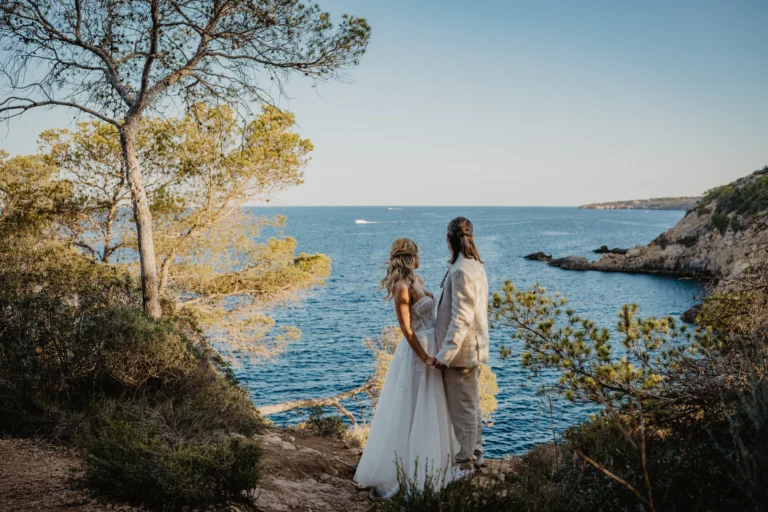







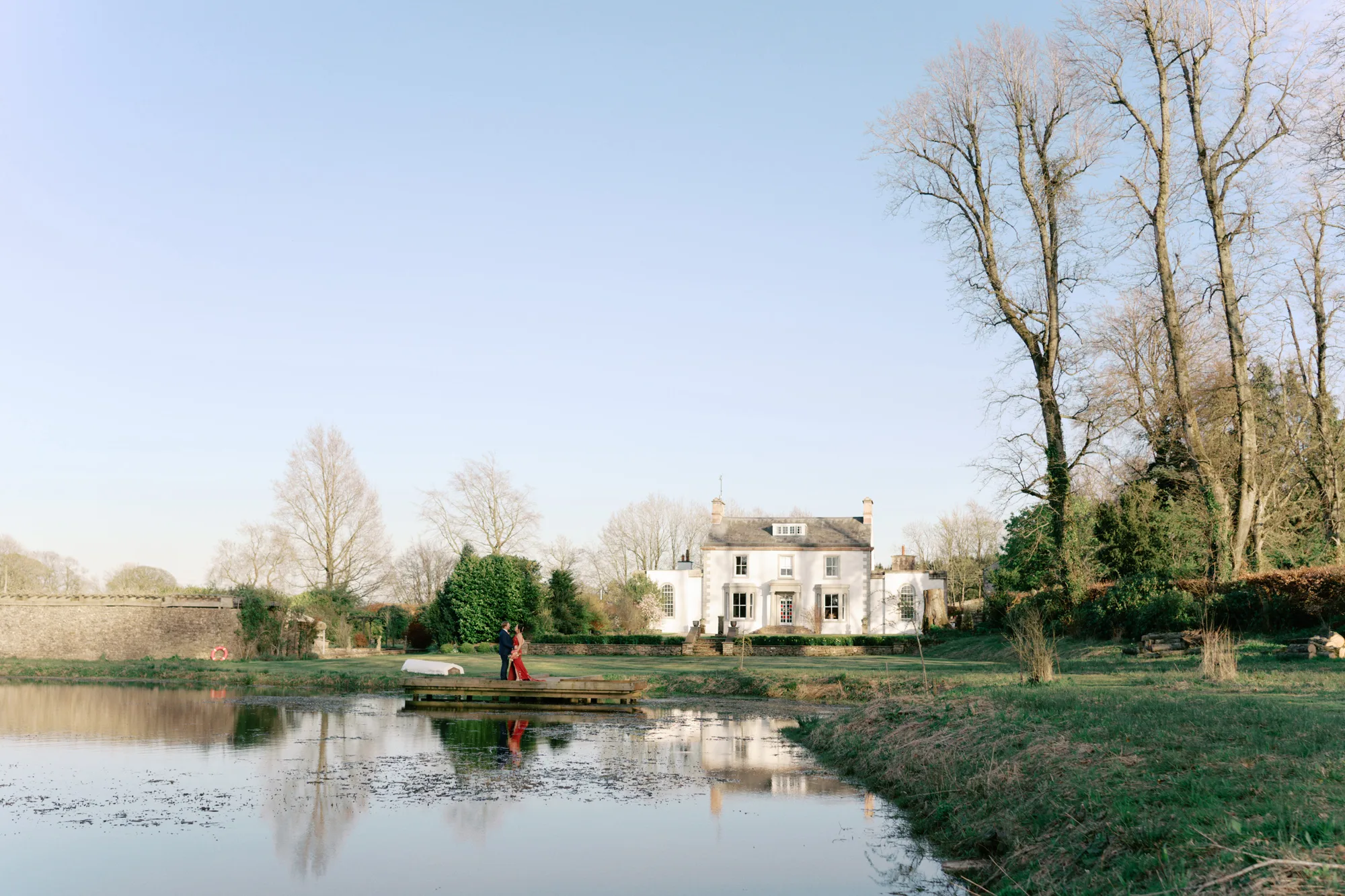
On April 20, 2025, the historic and picturesque landscape of the Lake District served as the stage for a significant cultural milestone as Hannah, a professional events manager, and Tom, a copywriter, exchanged vows at Holesfoot. This country estate, situated near Penrith in the heart of Cumbria, provided a secluded and elegant environment for a union that masterfully synthesized British and Chinese traditions. The event was not merely a private celebration of a relationship spanning over a decade, but a sophisticated display of how modern couples are increasingly opting for "fusion" weddings that honor multifaceted identities through bespoke rituals, symbolic attire, and intentional venue selection.
The choice of Holesfoot, a private estate nestled within woodland on the edge of the Lake District National Park, was deeply rooted in the couple’s personal history. Tom, having grown up in the vicinity, felt a profound connection to the Cumbrian fells, while Hannah shared a mutual appreciation for the region’s natural beauty. For modern couples, the selection of a venue often reflects a desire for "slow weddings"—multi-day events that allow for a relaxed pace and deeper guest engagement. Holesfoot’s offering of exclusive weekend hire aligned with this trend, providing a sanctuary where the couple could integrate complex traditional ceremonies without the time constraints of more conventional venues.
A Synthesis of Cultural Traditions
The wedding of Hannah and Tom was characterized by a deliberate "hybrid" approach to ceremony. In traditional Chinese culture, weddings often involve a distinct separation of events, sometimes spanning several days or involving two separate ceremonies to satisfy different cultural or religious requirements. However, Hannah and Tom chose to weave these elements into a singular, cohesive narrative.
Central to the day was the outdoor Chinese tea ceremony, or Chadao. Typically conducted in a private setting, the couple moved the ritual outdoors to ensure all guests could witness and participate in the cultural exchange. The tea ceremony serves as a formal introduction between the two families, where the bride and groom show respect to their elders by serving tea, and in return, receive blessings and gifts. To maintain aesthetic consistency, the couple commissioned custom cushions featuring traditional Chinese baroque patterns, colored to match the wedding’s specific palette.
Another significant traditional element was the "door knocking games," or Chuangmen. These are lighthearted but symbolic challenges set by the bridesmaids for the groom and his groomsmen. The groom must "win" his way to the bride by proving his love and persistence, often through physical challenges or the payment of "red envelopes" (hongbao). These rituals, while playful, represent the value placed on the bride by her family and the groom’s commitment to her.
The Symbolism of Color and Attire
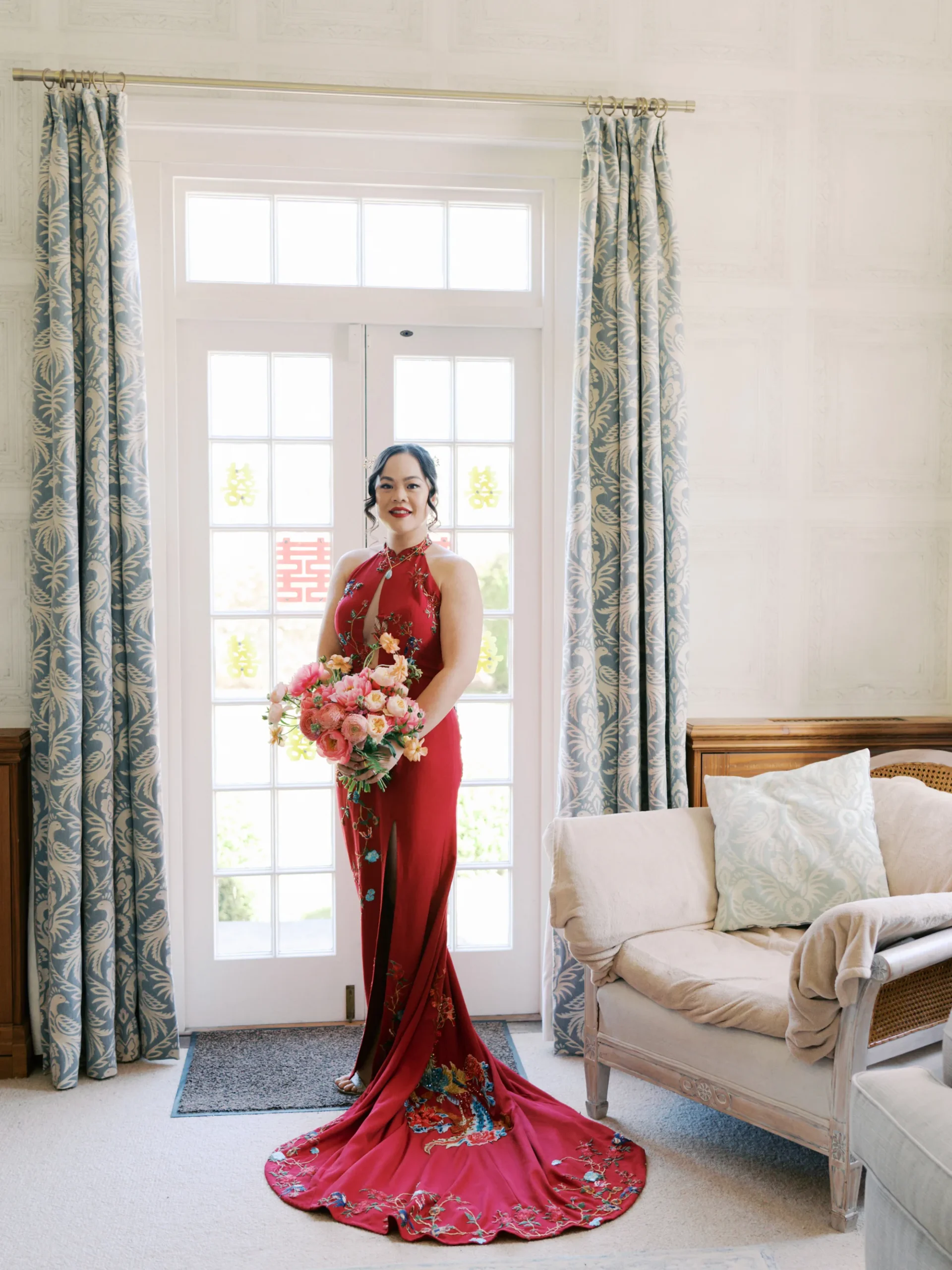
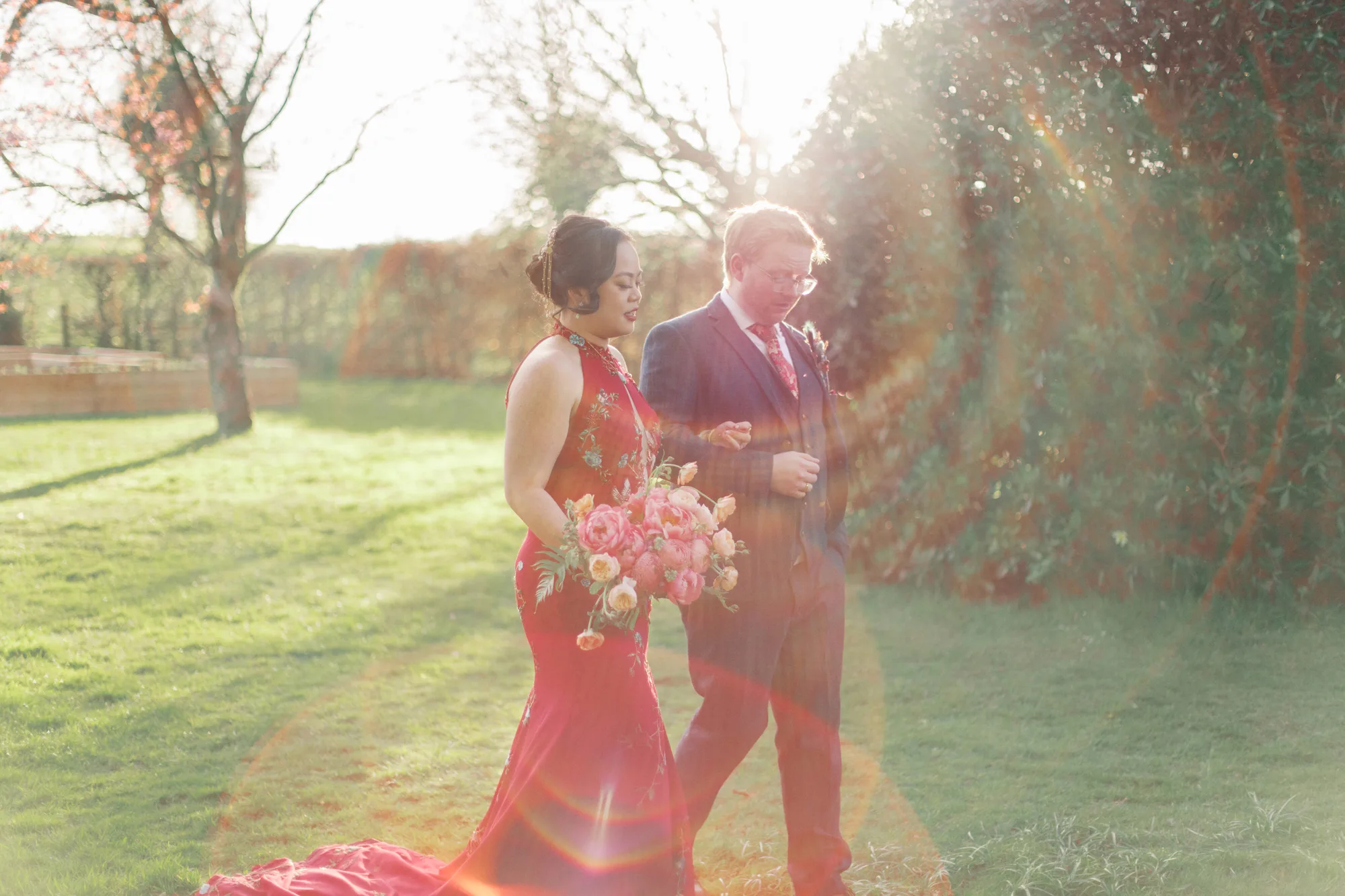
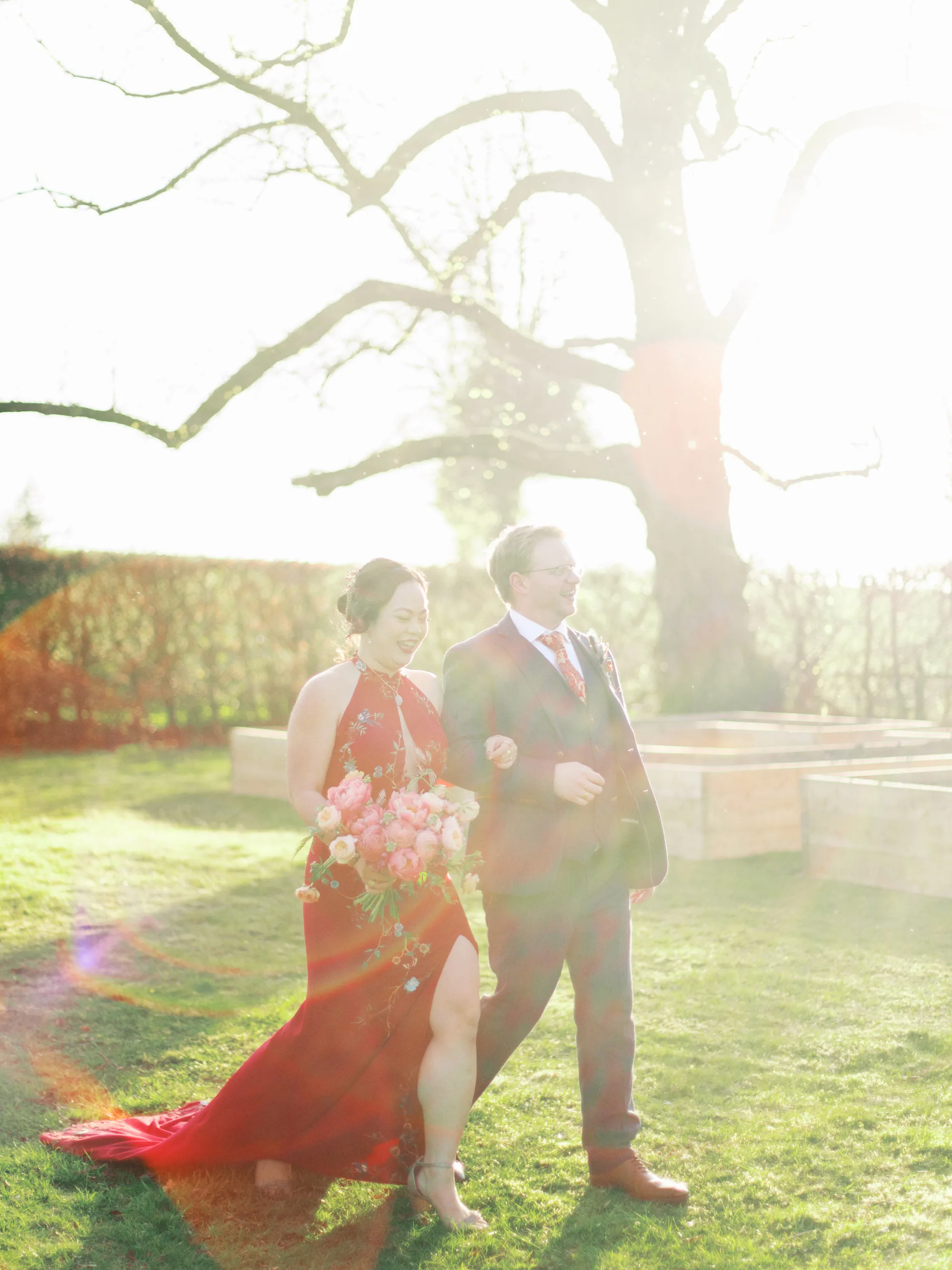
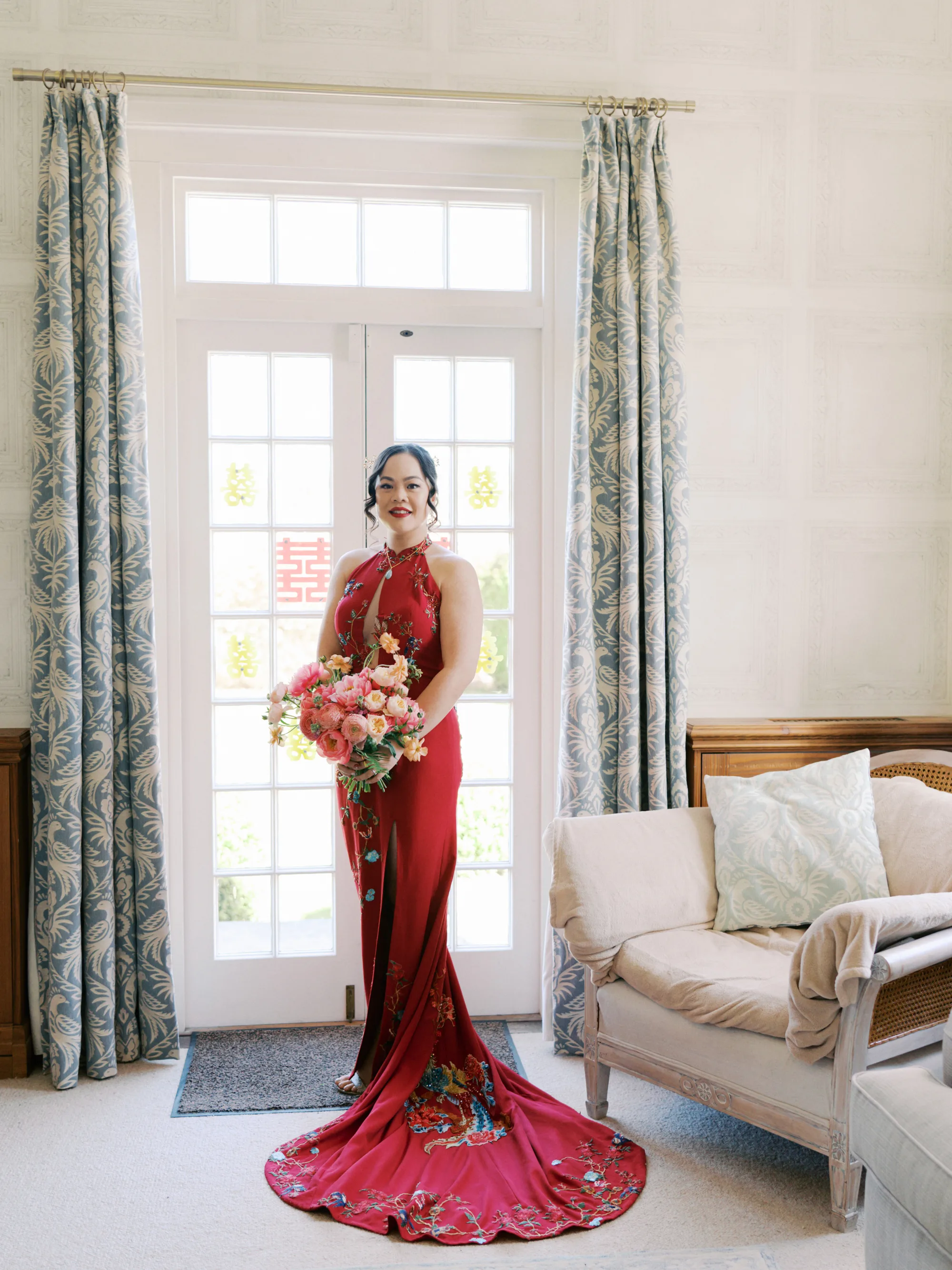
The visual identity of the wedding was a careful balance of Western aesthetics and Eastern symbolism. In Chinese culture, red is the preeminent color for celebrations, symbolizing luck, joy, and prosperity. Hannah integrated this vibrant hue throughout the event, while Tom chose to complement it with his favorite color, blue. This color pairing served as a visual metaphor for their partnership—two distinct backgrounds merging into a harmonious whole.
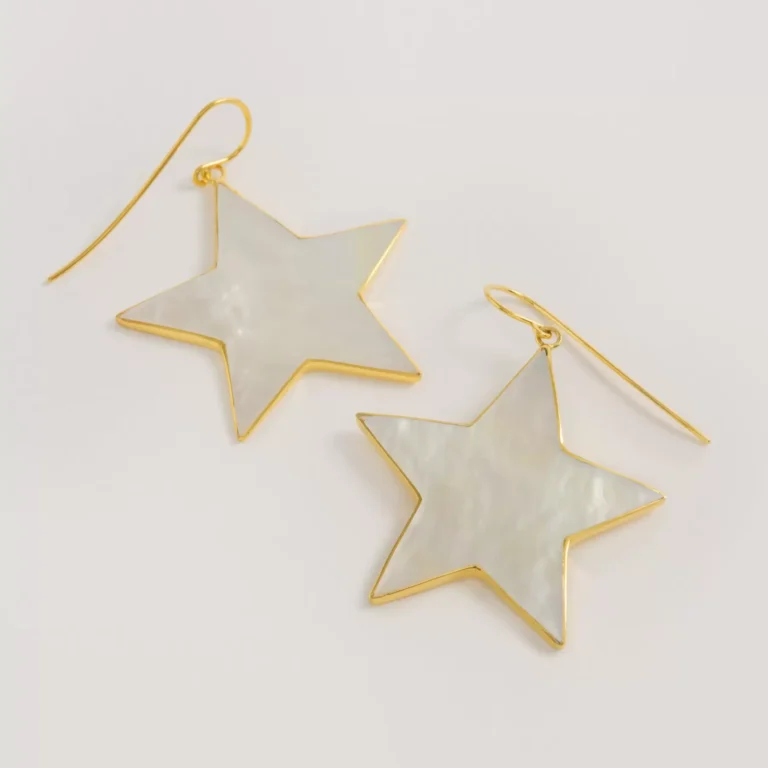
Hannah’s attire was a testament to the importance of heritage. During the tea ceremony and throughout the day, she wore a significant amount of gold jewelry, including bracelets, bangles, and rings. In Chinese tradition, these items are typically gifted by elders during the tea ceremony as a form of dowry and a wish for a wealthy future. The weight and prominence of the gold are symbolic of the family’s support for the new union.
The couple’s choice of wedding rings also reflected a modern sensibility toward sustainability and craftsmanship. Hannah’s ring, sourced from Austen & Blake, featured lab-grown diamonds. This choice reflects a broader shift in the luxury jewelry market; according to industry reports, the lab-grown diamond sector has seen double-digit growth annually as consumers prioritize ethical sourcing and environmental impact without compromising on the physical properties of the gemstones. Tom opted for a unique design from Forge & Lumber, eschewing the traditional simple band for a piece with more intricate character, highlighting a trend toward masculine jewelry that emphasizes individuality.
The Ceremony and Artistic Direction
The formal ceremony was officiated by a celebrant from the Cumbria Westmorland local authority. Breaking from more rigid traditions, the entrance was a high-energy affair, with Hannah’s parents dancing down the aisle to the contemporary sounds of Beyoncé’s "Cuff It." This departure from a somber processional set the tone for a day defined by joy rather than strictly adherence to protocol.
The couple also moved away from traditional religious or classical readings, instead inviting friends to compose and perform original poems. This trend toward "personalized liturgy" is becoming a hallmark of Gen Z and Millennial weddings, where the focus shifts from institutional traditions to the couple’s unique social circle and shared history.
The visual documentation of the day was handled by Sorci Ledyukova, a photographer known for a documentary-style approach. In an era dominated by highly staged social media imagery, Hannah and Tom opted for a "fly-on-the-wall" editorial style that captured the raw emotion and spontaneity of the fusion rituals. This choice underscores the value placed on authenticity in modern wedding photography, where the goal is to tell a story rather than curate a series of static poses.
Chronology of the Celebration
The timeline of the day was meticulously planned to accommodate the various cultural segments:
- The Morning Rituals: The day began with the Chuangmen (door games), where Tom and his party had to navigate various obstacles to reach Hannah.
- The Tea Ceremony: Following the games, the outdoor tea ceremony took place in the Holesfoot gardens, allowing elders from both families to offer their formal blessings.
- The Legal Ceremony: The couple then moved to the official exchange of vows, led by the local celebrant, featuring the personalized poems and the high-energy processional.
- The Reception and First Dance: The evening culminated in a reception that featured a highly choreographed first dance.
- The First Dance Medley: In a display of their shared personality, the couple performed a medley of tracks including "If My Friends Can See Me Now" by Cy Coleman, "Hey! Pachuco!" by the Royal Crown Revue, "Texas Hold ‘Em" by Beyoncé, "Get Loud" by Jennifer Lopez, and "Yeah!" by Usher.
Industry Context and Economic Impact
The wedding of Hannah and Tom exemplifies several key trends currently shaping the £14.7 billion UK wedding industry. The rise of multicultural "fusion" weddings is a reflection of Britain’s diverse demographic landscape. Data from the Office for National Statistics (ONS) suggests that inter-ethnic relationships are on the rise, leading to an increased demand for venues and suppliers who can accommodate non-Western traditions within a British countryside setting.
Furthermore, the "Lake District Wedding" has become a significant sub-sector of the Cumbrian economy. Following the region’s designation as a UNESCO World Heritage site, there has been a surge in "destination weddings" within the UK. Venues like Holesfoot contribute to the local economy by driving demand for regional suppliers, such as Wild Ivy Penrith, who provided Hannah’s fresh floral bouquet. The choice of fresh flowers is itself a symbolic gesture in many cultures, representing growth, fertility, and the fleeting beauty of the moment.
Analysis of the Modern "Hybrid" Wedding
Hannah and Tom’s wedding provides a blueprint for how couples can navigate the complexities of dual heritage. By choosing to create a "hybrid version" of their cultures rather than holding two separate events, they maximized the impact of their budget and ensured a unified experience for their guests.
However, the bride did offer a candid reflection on the logistical pressures of such an ambitious itinerary. Hannah noted that the day felt "back to back" and expressed a wish for more time to relax. This is a common sentiment among couples who plan "content-heavy" weddings involving multiple cultural rituals. Experts suggest that for fusion weddings, building in "buffer time" is essential to mitigate the fatigue that can come from transitioning between different ceremonial modes.
Conclusion and Broader Implications
The union of Hannah and Tom at Holesfoot stands as a testament to the power of intentionality in wedding planning. By prioritizing heritage, personal history, and ethical choices—such as lab-grown diamonds—they created an event that was both culturally significant and modern.
As the wedding industry continues to evolve, the success of Hannah and Tom’s celebration highlights the importance of venue flexibility and the growing role of the "celebrant" in creating bespoke experiences. Their wedding was not just a merger of two people who met at university in 2011, but a merger of two distinct cultural worlds, proving that tradition and contemporary personality are not mutually exclusive. For the Cumbrian wedding market and the broader UK industry, such events signal a future where the "traditional British wedding" is increasingly redefined by global influences and personal storytelling.