




April marks the annual return of Fashion Revolution Week, running from April 22nd to 28th, an imperative global campaign that convenes the world’s largest fashion activism movement for a concentrated period of action. This year, the movement reaffirms its foundational principles of transparency, accountability, and justice, urging collective participation to challenge the entrenched exploitative practices within the global fashion industry.
The Genesis of a Movement: Remembering Rana Plaza’s Shadow
Fashion Revolution Week emerged from the profound tragedy of the Rana Plaza garment factory collapse in Dhaka, Bangladesh, on April 24, 2013. This catastrophic event, which claimed the lives of 1,138 people and injured over 2,500, served as a stark and undeniable testament to the human cost of an unregulated and profit-driven fashion industry. The eight-story building, housing multiple garment factories supplying major global brands, crumbled due to structural failures exacerbated by the illegal addition of floors and the weight of heavy machinery. Workers, many of whom had expressed concerns about cracks in the building, were reportedly pressured to return to work on the day of the collapse, under threat of losing their meager wages.
The Rana Plaza disaster sent shockwaves across the globe, ripping through the veil of anonymity that had long shrouded the origins of our clothing. It ignited a fierce demand for transparency and accountability from consumers, activists, and a nascent movement of ethical fashion advocates. In the immediate aftermath, a consortium of designers, academics, journalists, and activists swiftly coalesced, determined to prevent such a tragedy from recurring. Their collective outrage and commitment crystallized into Fashion Revolution, launched precisely one year after the collapse, on April 24, 2014, with the powerful, yet simple, question: #WhoMadeMyClothes? This question sought to reconnect consumers with the often-invisible hands behind their garments, challenging brands to disclose their supply chains and take responsibility for the welfare of their workers.
A Decade of Advocacy: Fashion Revolution’s Enduring Evolution
In the decade since its inception, Fashion Revolution has transformed from an urgent response to a global disaster into a sophisticated and far-reaching advocacy network spanning over 75 countries. Its mission has broadened from immediate transparency to encompass systemic change, advocating for an industry that values people and the planet over relentless growth and profit. Early campaigns focused heavily on mapping supply chains, pushing brands to publish lists of their factories, and highlighting the precarious working conditions prevalent in garment-producing nations.
Key milestones over the past ten years include:
- 2014: Launch of the first Fashion Revolution Week, coinciding with the first anniversary of Rana Plaza, establishing #WhoMadeMyClothes as a global call to action.
- 2015: Introduction of the Fashion Transparency Index, an annual report assessing how transparent 250 of the world’s biggest fashion brands and retailers are about their social and environmental policies, practices, and impacts. This tool has become a crucial benchmark for industry progress.
- 2017: Expansion of the campaign to include #WhatsInMyClothes, prompting brands to disclose the material composition of their garments and their environmental footprint.
- Ongoing Advocacy: Continuous lobbying for living wages, safe working conditions, an end to forced labor, and sustainable material sourcing. The organization has consistently amplified the voices of garment workers, ensuring their experiences remain central to the discourse.
As Liv Simpliciano, former policy and research manager for Fashion Revolution, noted in a past interview, the organization has made significant strides in raising consumer awareness and shifting corporate dialogue, even as the scale of the industry’s challenges remains immense. The movement has played a critical role in pushing brands towards greater disclosure, albeit with varying degrees of success across the industry.
The Unseen Costs: Data on Fashion’s Profound Impact
The fashion industry, valued at over $2.5 trillion globally, is built upon a foundation that, by its very nature, often externalizes its true costs onto vulnerable populations and the environment. The relentless pursuit of profit, particularly through the fast fashion model, has created a system where money and power are concentrated in the hands of a few, while those at the bottom of the supply chain bear the brunt of the exploitation.
Labor Exploitation:
- Wages: A vast majority of the world’s estimated 60-75 million garment workers, predominantly women, do not earn a living wage. Research by organizations like the Clean Clothes Campaign consistently shows that wages in major garment-producing countries like Bangladesh, Vietnam, and Cambodia are often 2-5 times below what is considered a living wage, trapping workers in cycles of poverty despite working long hours.
- Working Conditions: Unsafe factories, lack of proper ventilation, exposure to hazardous chemicals, and excessive overtime are still commonplace. Incidents like factory fires and structural collapses, though hopefully less frequent than Rana Plaza, still occur, highlighting persistent safety failures.
- Forced and Child Labor: Despite international conventions, instances of forced labor and child labor continue to be reported in various segments of the fashion supply chain, particularly in raw material production and sub-contracted informal workshops. The complexity and opacity of global supply chains make monitoring and enforcement incredibly challenging.
Environmental Degradation:
- Water Consumption: The fashion industry is a significant consumer of freshwater. It takes an estimated 2,700 liters of water to produce one cotton t-shirt, equivalent to what an average person drinks in 2.5 years. The dyeing and finishing processes are also heavily water-intensive and often result in polluted wastewater discharge into local ecosystems.
- Chemical Pollution: Thousands of chemicals are used in textile production, from pesticides for cotton farming to dyes and finishing agents. Many of these are toxic and carcinogenic, posing severe health risks to workers and polluting water sources and agricultural land.
- Greenhouse Gas Emissions: The industry accounts for an estimated 2-8% of global greenhouse gas emissions, a figure projected to rise significantly without drastic changes. These emissions stem from raw material extraction, manufacturing processes, transportation across global supply chains, and garment disposal.
- Microplastic Pollution: Synthetic fibers like polyester, nylon, and acrylic shed microplastic particles with every wash, contributing significantly to ocean plastic pollution and entering the food chain.
- Textile Waste: The rise of fast fashion has led to an explosion in textile waste. Globally, an estimated 92 million tons of textile waste are generated annually, with a truckload of textiles ending up in landfills or incinerated every second. Less than 1% of clothing is recycled into new garments, highlighting a massive linear consumption problem.
The prioritization of profit over environmental stewardship and human welfare means fashion brands are caught in a frantic race to produce more, faster, and cheaper, constantly pushing consumers to increase their purchasing frequency. This unsustainable model directly fuels exploitation and ecological damage.
Navigating a Shifting Landscape: Challenges and Resilience
Fashion Revolution Week 2026 unfolds against a backdrop of complex global challenges that are significantly impacting the sustainability agenda. Geopolitical crises, including ongoing conflicts and economic instability, have led to soaring costs for raw materials, energy, and logistics. This economic pressure disproportionately affects smaller brands and, most acutely, garment workers who face reduced orders, factory closures, and increased precarity. Simultaneously, corporate support and funding for sustainability initiatives are becoming increasingly difficult to secure, as companies grapple with tighter budgets and a potential shift in focus towards immediate financial recovery.
In a significant strategic move earlier this year, Fashion Revolution itself announced the closure of its UK headquarters. This decision, partly attributed to funding challenges, marks a pivot towards a "more federated, globally coordinated, and locally led next phase of the work." While some might interpret this as a contraction, the organization emphasizes it is a strategic adaptation designed to empower its widespread global network and foster greater local impact. This shift underscores the resilience of the movement, demonstrating its capacity to evolve and adapt to new realities without compromising its core mission.
"As a movement, we’re going back to our roots, and we’re asking fashion revolutionaries to do the same," states Fashion Revolution. "Seek connection, ask questions, and take to the streets – for both a better fashion industry and for future generations that follow in our footsteps." This statement reflects a renewed emphasis on grassroots activism, community building, and fundamental inquiries into the ethical provenance of clothing.
The Core of the Campaign: Collective Action for 2026
This year’s Fashion Revolution Week is a powerful call for collective action, reminding individuals that their voices and choices hold significant weight. Participation is diverse and accessible, ranging from digital engagement to direct community action.
-
Attend Fashion Revolution Week Events and Workshops: Throughout the week, a diverse array of digital and physical events will be hosted globally. These include:
- Conferences and Panels: Featuring industry experts, activists, and policymakers discussing critical issues like living wages, circularity, and human rights.
- Workshops: Practical sessions on mending, upcycling, sustainable styling, and understanding textile fibers.
- Exhibitions: Showcasing ethical designers, innovative materials, and the stories of garment workers.
- Online Public Demonstrations: Virtual rallies and social media storms to amplify key messages and demand corporate accountability.
These events serve as vital platforms for education, networking, and galvanizing collective energy. If no local event is available, individuals are encouraged to organize their own gatherings with friends or family, fostering localized dialogues and actions.
-
Post a Selfie on Social Media: #WhoMadeMyClothes and #WhatsInMyClothes: This remains one of the most iconic and impactful actions. By posting a selfie wearing a favorite garment, tagging the brand, and asking these two crucial questions, consumers directly demand transparency. The power of these hashtags lies in their ability to put public pressure on brands, forcing them to confront their supply chains. Consistent engagement, even if initial responses are absent, signals to brands that consumers care about ethical production. Tagging @fash_rev ensures the movement can track and amplify these conversations.
-
Spread the Word: Fashion Revolution provides a comprehensive suite of promotional assets, including social media templates, posters, and official campaign branding packs. Downloading and sharing these resources helps to broaden the movement’s reach, informing friends, family, and wider networks about the issues at hand and inviting them to participate. Educational outreach, however small, contributes to a more informed consumer base.
-
Join the Conversation: "Speaking with our family and friends about the global impact of our clothes is a powerful step to change the fashion industry," notes Fashion Revolution. The organization’s "Talk Climate Change" site offers a platform for individuals to map their conversations, drawing inspiration from the Fashion Revolution manifesto, and to explore discussions initiated by other "Fashion Revolutionaries" worldwide. These dialogues foster empathy, shared understanding, and a sense of collective purpose.
-
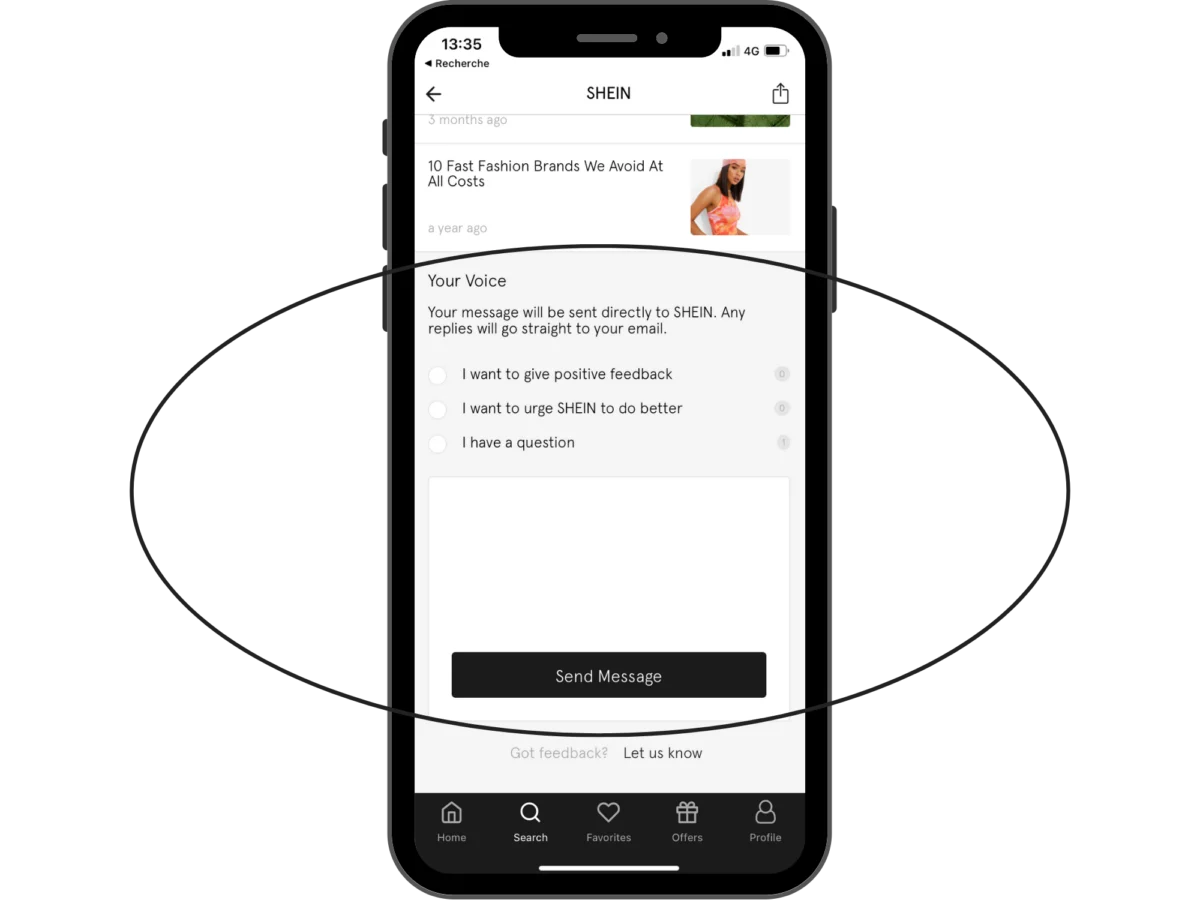
Write to Your Favorite Brand: Direct communication with brands is a highly effective advocacy tool. Fashion Revolution provides a user-friendly PDF template to simplify the process of writing to brands and asking #WhoMadeMyClothes. Furthermore, platforms like the Good On You app empower users to send direct messages to brands, offering constructive feedback, asking specific questions, or providing positive reinforcement for brands demonstrating strong ethical practices. This direct line of communication leverages consumer purchasing power and influence.
Beyond the Week: Sustaining the Revolution
While Fashion Revolution Week serves as an annual focal point, the movement’s objectives extend far beyond these seven days. The long-term goals involve fundamentally reshaping the fashion industry’s structure, promoting systemic change through policy, regulation, and sustained consumer pressure.
The push for legislative action is gaining momentum, with discussions around mandatory human rights due diligence laws and supply chain transparency regulations in several jurisdictions. Such policies would legally obligate companies to identify, prevent, mitigate, and account for human rights and environmental impacts in their supply chains, moving beyond voluntary commitments.
The role of consumer awareness continues to be paramount. As more individuals become educated about the social and environmental implications of their clothing choices, demand for ethically produced and sustainable garments is expected to grow. This shift in consumer preference, coupled with robust advocacy, can create a powerful impetus for brands to adopt more responsible practices. The interconnectedness of social justice and environmental sustainability is increasingly recognized; there can be no true sustainability without fair pay, safe working conditions, and respect for human rights.
Fashion Revolution Week 2026 stands as a powerful reminder that the revolution for a fairer, cleaner, and more ethical fashion industry is far from over. It is a continuous endeavor that requires vigilance, education, and, most importantly, collective action from every individual who believes in a future where fashion can be a force for good. The week is not just about asking questions; it is about demanding answers and working together to build an industry that truly values people and the planet over profit.