







Mulberry has launched a new capsule collection to commemorate its 55th anniversary, designed to spotlight how transparent leather supply chains can deliver profound positive impacts on both people and the planet through the integration of regenerative farming practices and meticulously localised sourcing. This initiative marks a significant milestone in the British luxury brand’s ongoing commitment to sustainability, setting a new benchmark for ethical production within the high-end fashion sector. The collection, unveiled on April 28, 2026, encapsulates Mulberry’s heritage while boldly charting a course for a more responsible future, directly addressing growing consumer demand for verifiable eco-conscious products.
The 55th Anniversary Collection: A Testament to Responsible Luxury
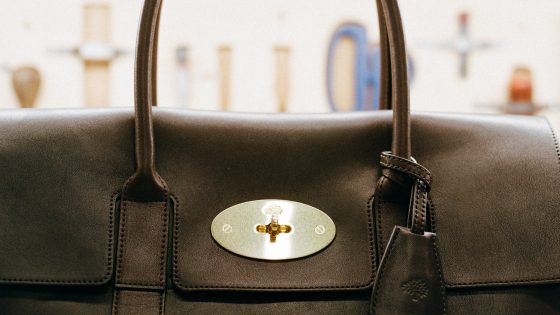
The celebratory capsule, launched in honor of Mulberry’s 55 years of craftsmanship and innovation, is more than just a collection of luxury accessories; it is a meticulously curated statement on supply chain integrity. Each piece in the anniversary range is intended to serve as a tangible example of how high-quality leather goods can be produced with minimal environmental footprint and maximum social benefit. The collection showcases a refined aesthetic, blending classic Mulberry silhouettes with subtle contemporary updates, all crafted from traceable, regeneratively farmed leather. The design philosophy emphasizes longevity and timelessness, core tenets of sustainable fashion, encouraging consumers to invest in pieces that endure both in style and durability. Materials have been chosen not only for their aesthetic appeal and superior quality but, crucially, for their verified provenance, offering consumers unprecedented insight into the journey of their purchase from farm to finished product. This level of transparency aims to build greater trust and educate the market on the complexities and benefits of ethical sourcing.
Pioneering Regenerative Agriculture in Luxury Leather
Central to Mulberry’s anniversary collection is its pioneering embrace of regenerative agriculture for its leather sourcing. Regenerative farming is an agricultural practice that focuses on restoring soil health, enhancing biodiversity, and sequestering carbon from the atmosphere, ultimately working to reverse climate change. Unlike conventional farming, which can degrade land over time, regenerative methods aim to improve the ecosystem. For leather production, this translates to working with farms that prioritize animal welfare, practice rotational grazing, minimize chemical inputs, and restore natural habitats.
Mulberry’s commitment means partnering with specific farms where animals are raised using these advanced techniques. This approach contrasts sharply with traditional leather production, which has often been criticized for its environmental impact, including deforestation, greenhouse gas emissions from livestock, and the pollution associated with tanning processes. By integrating regenerative agriculture, Mulberry is not just mitigating harm but actively contributing to environmental restoration. Research from organizations like the Savory Institute indicates that widespread adoption of regenerative grazing practices could sequester billions of tons of carbon dioxide, highlighting the immense potential of such initiatives. The luxury sector, with its influential platform and premium pricing, is uniquely positioned to drive investment and adoption of these transformative agricultural practices, demonstrating that high-value products can be derived from ecologically beneficial systems. This commitment is expected to resonate strongly with a demographic increasingly concerned about the provenance and ethical footprint of their luxury purchases.
The Power of Localised and Transparent Supply Chains
Beyond regenerative farming, the 55th-anniversary collection also champions localised sourcing and radical transparency within the supply chain. Localised sourcing, for Mulberry, means prioritizing tanneries and manufacturing facilities that are geographically close to the farms supplying the raw hides. This strategy significantly reduces the carbon footprint associated with transportation, minimizing emissions and energy consumption. Furthermore, it fosters stronger relationships with suppliers, enabling more direct oversight and collaboration on ethical standards. This proximity also supports local economies, creating jobs and strengthening regional craftsmanship.
Transparency, in Mulberry’s context, extends far beyond a simple label. It involves a comprehensive system that allows the brand to trace each piece of leather back to its origin farm. This could involve digital tools like blockchain technology, which provides an immutable ledger of information about the product’s journey, or detailed documentation and certification from independent bodies. By providing consumers with this level of detail, Mulberry aims to empower them to make informed choices, understanding the environmental and social impact behind their purchase. A recent industry report revealed that 70% of luxury consumers value transparency in sourcing, and 60% are willing to pay a premium for products with certified ethical origins. This data underscores the strategic importance of Mulberry’s move, positioning the brand at the forefront of a shifting market landscape where authenticity and accountability are paramount. Such initiatives not only enhance brand reputation but also cultivate a deeper sense of loyalty among a discerning clientele.
Mulberry’s Journey Towards a Sustainable Future: A Chronology
Mulberry’s 55th-anniversary collection is not an isolated effort but the culmination of a decade-long strategic pivot towards comprehensive sustainability.
- 2014: Mulberry launches its first significant sustainability strategy, focusing on reducing waste in manufacturing and improving energy efficiency at its Somerset factories.
- 2017: The brand commits to sourcing 100% of its leather from environmentally certified tanneries, primarily those accredited by the Leather Working Group (LWG), achieving this goal ahead of schedule.
- 2019: Mulberry introduces its "Made to Last" manifesto, outlining ambitious targets across its entire value chain, including carbon neutrality, circularity in product design, and full traceability of key raw materials. This also saw the introduction of Mulberry Exchange, a resale and repair program designed to extend product lifecycles.
- 2021: The brand launches its first "lowest carbon" leather collection, showcasing early efforts in reducing environmental impact through innovative material sourcing and processing.
- 2023: Mulberry announces partnerships with several pioneering regenerative farms in the UK and Europe, initiating pilot programs for sourcing leather that actively improves ecosystems.
- 2025: Significant progress is reported towards its carbon neutrality goal, with over 70% of emissions reduced across Scope 1 and 2, and substantial work underway for Scope 3 emissions.
- April 28, 2026: The official launch of the 55th Anniversary Capsule Collection, explicitly featuring regeneratively farmed, localized, and transparently sourced leather, serving as a flagship example of its "Made to Last" principles in practice.
This chronology illustrates a consistent and escalating commitment, demonstrating that the anniversary collection is a natural evolution rather than a sudden shift, built upon years of foundational work and strategic investment.
Industry Context and Shifting Consumer Demands
Mulberry’s latest initiative is strategically positioned within a rapidly evolving luxury market where sustainability is no longer a niche concern but a fundamental expectation. The global sustainable luxury market is projected to reach over $50 billion by 2030, growing at a CAGR of 10% annually, driven primarily by Gen Z and Millennial consumers who prioritize ethical and environmental considerations in their purchasing decisions. These demographics are increasingly scrutinizing brands’ supply chains, demanding authenticity and verifiable claims over superficial "greenwashing."
Major luxury conglomerates and independent brands alike are feeling the pressure to adapt. Competitors are exploring alternatives to traditional leather, such as mushroom-based materials (Mylo) or plant-based synthetics, while others are investing in more sustainable tanning processes or circular economy models. Mulberry, by focusing on enhancing the sustainability of traditional leather through regenerative agriculture, offers a compelling counter-narrative, proving that animal-derived materials can be part of a restorative system when managed responsibly. This approach differentiates Mulberry within a crowded market, appealing to consumers who still value the tactile qualities and durability of genuine leather but demand it be produced ethically. The brand’s emphasis on transparency also aligns with broader regulatory trends, such as forthcoming EU directives on corporate sustainability reporting and due diligence, which will mandate greater supply chain visibility across industries.
Leadership Voices: Vision and Commitment
Thierry Andretta, CEO of Mulberry, commented on the anniversary launch: "Our 55th anniversary is a moment to celebrate our heritage while looking boldly to the future. This capsule collection embodies our ‘Made to Last’ ethos, demonstrating that luxury craftsmanship and environmental stewardship can not only coexist but thrive together. By championing regenerative farming and localised, transparent supply chains, we are not just producing beautiful bags; we are investing in a healthier planet and more resilient communities. This is a commitment we believe will define luxury for the next 55 years and beyond."
The brand’s Creative Director, Jonny Coca, added: "Designing this collection was about honouring Mulberry’s iconic silhouettes with materials that tell a powerful story of regeneration. Each piece is a testament to the beauty that can arise from conscious creation, where the texture of the leather, the quality of the finish, and the narrative of its origin are all intertwined. It’s about bringing the consumer closer to the craft and the land, making every purchase a mindful act."
Industry expert Dr. Anya Sharma, Head of Sustainable Fashion at the Global Environmental Alliance, praised Mulberry’s move: "Mulberry’s 55th-anniversary collection is a significant step forward for the luxury leather industry. Their focus on verifiable regenerative agriculture and full supply chain transparency sets a high bar. It demonstrates that brands can move beyond harm reduction to active environmental regeneration. This kind of leadership is crucial to shifting industry norms and proving that circular and restorative models are not just aspirational but achievable, even for complex materials like leather."
Market Implications and Future Outlook
Mulberry’s latest initiative carries substantial implications for the broader luxury market. By showcasing a viable and desirable model for regeneratively farmed, traceable leather, the brand challenges competitors to elevate their own sustainability standards. This could spur further investment in regenerative agriculture within the livestock industry, leading to more sustainable practices across various sectors, not just fashion. The increased transparency also raises consumer expectations, potentially driving a "race to the top" among luxury brands vying for ethical credibility. Brands that fail to adapt and provide verifiable sustainability claims may find themselves losing market share to more transparent and responsible players.
From a business perspective, while initial investments in new supply chains and verification technologies can be substantial, the long-term benefits include enhanced brand reputation, stronger customer loyalty, reduced regulatory risk, and potentially more resilient supply chains in the face of environmental challenges. Mulberry’s move positions it as a thought leader, capable of attracting talent and partnerships aligned with its progressive vision. The success of this anniversary capsule will be closely watched as a bellwether for the future direction of sustainable luxury leather.
Challenges and the Road Ahead
Despite the ambitious nature of this launch, Mulberry acknowledges that the journey towards full sustainability is ongoing and complex. Scaling regenerative agriculture requires significant investment, farmer education, and collaborative efforts across the supply chain. Ensuring complete traceability and transparency for every single product, especially as volumes increase, presents logistical and technological hurdles. Furthermore, communicating these complex sustainability stories effectively to consumers without overwhelming them with technical details remains a perpetual challenge.
Mulberry’s 55th-anniversary collection, however, represents a powerful statement of intent and a tangible demonstration of progress. It underscores a belief that luxury, tradition, and environmental responsibility are not mutually exclusive but are, in fact, integral components of a truly enduring brand. As the fashion industry continues to grapple with its environmental footprint, initiatives like Mulberry’s serve as critical examples of how heritage brands can evolve, innovate, and lead the charge towards a more sustainable and equitable future. The collection is available globally, inviting consumers to not only appreciate exquisite craftsmanship but also to participate in a movement towards a more conscious consumption.