




Matching two-piece sets, commonly known as co-ords and suits, represent a cornerstone of versatile and timeless fashion. Designed for seamless integration into any wardrobe, these ensembles offer an immediate sense of polish and cohesion, ensuring an effortlessly put-together appearance that transcends fleeting trends. Beyond their inherent stylistic advantages, the focus on sustainable co-ords and suits underscores a critical shift within the fashion industry towards environmental responsibility and ethical production. This curated selection highlights exemplary pieces from brands that have achieved "Good" or "Great" ratings under our rigorous assessment system, reflecting a commitment to people, the planet, and animals. Our editorial process meticulously evaluates brands, and purchases made through our links may contribute a commission, directly supporting the independent research and ratings that inform our content.
The Evolution of Conscious Consumption in Fashion
The journey towards sustainable fashion has been a protracted yet accelerating one, marked by increasing global awareness of the industry’s significant environmental and social impact. For decades, the fast fashion model, characterized by rapid production cycles, low prices, and disposable garments, dominated the market. This paradigm, while offering widespread accessibility to trends, came at an immense cost. The early 21st century began to see growing scrutiny, with activists and consumer groups highlighting issues such as exploitative labor practices, excessive waste generation, and the depletion of natural resources.
A pivotal moment in this chronology was the 2013 Rana Plaza factory collapse in Bangladesh, which tragically claimed over a thousand lives and brought the dire working conditions in garment supply chains into stark global focus. This catastrophe served as a powerful catalyst, galvanizing public opinion and prompting a more concerted push for transparency and accountability within the industry. Following this, various initiatives, certifications, and advocacy groups emerged, dedicated to promoting ethical sourcing, fair wages, and environmentally sound manufacturing processes. By the late 2010s and early 2020s, sustainable fashion transitioned from a niche concern to a mainstream imperative, driven by informed consumers and brands recognizing the long-term value of responsible practices. The rise of platforms dedicated to rating brand sustainability, such as Good On You, further empowered consumers by providing accessible, data-driven insights into fashion companies’ environmental and social performance.
The Environmental Footprint of Conventional Fashion
The traditional fashion industry is recognized as one of the most polluting sectors globally. Its environmental impact spans numerous critical areas, from raw material extraction to manufacturing, distribution, and end-of-life disposal.
Water Consumption: The cultivation of conventional cotton, a primary fiber, is notoriously water-intensive, requiring thousands of liters to produce a single kilogram. Global textile production accounts for approximately 20% of industrial water pollution, largely due to dyeing and finishing processes that discharge toxic effluents into waterways, impacting ecosystems and human health.
Carbon Emissions: The entire supply chain of fashion, from raw material processing to manufacturing, transportation, and retail, contributes significantly to global greenhouse gas emissions. Industry estimates suggest that the fashion sector is responsible for around 10% of global carbon emissions, a figure projected to rise without substantial systemic changes. Energy-intensive factories, reliance on fossil fuels for transport, and the production of synthetic fibers like polyester (derived from petroleum) are major contributors.
Waste Generation: Fast fashion’s emphasis on disposability leads to an overwhelming volume of textile waste. Millions of tons of clothing are sent to landfills annually, where they can take hundreds of years to decompose, releasing methane, a potent greenhouse gas. Synthetic fabrics further contribute to microplastic pollution as they shed tiny fibers during washing and degradation, contaminating oceans and food chains.
Chemical Usage: The cultivation of conventional cotton relies heavily on pesticides and insecticides, which pose severe health risks to farmers and pollute surrounding environments. Dyeing and finishing processes often involve hazardous chemicals, impacting factory workers and local communities.
Labor Practices: Beyond environmental concerns, the conventional fashion industry has long been plagued by issues of exploitative labor, including low wages, unsafe working conditions, and child labor, particularly in developing countries where production is often outsourced to cut costs.
These compelling statistics underscore the urgent need for a shift towards more sustainable practices, making the adoption of eco-conscious choices in purchasing, such as selecting sustainably rated co-ords and suits, not merely a trend but a critical responsibility.
Defining Sustainability in Co-ords and Suits
For a co-ord or suit to be considered truly sustainable, it must meet stringent criteria across various stages of its lifecycle. This extends beyond merely using organic materials and encompasses the entire value chain.
Sustainable Materials:
- Organic and Regenerative Fibers: Prioritizing materials like organic cotton, linen, hemp, and ramie, which are cultivated without synthetic pesticides, fertilizers, or genetically modified organisms. Regenerative agriculture practices, which aim to restore soil health and biodiversity, are also gaining traction.
- Recycled and Upcycled Materials: Utilizing recycled polyester (rPET) made from plastic bottles, recycled cotton, or upcycled denim reduces waste and the demand for virgin resources.
- Innovative Bio-based Materials: Fibers like Tencel™ Lyocell and Modal (derived from sustainably managed wood pulp) are produced in closed-loop systems, minimizing water and chemical use. Other emerging materials include those made from agricultural waste, mushroom mycelium, or fruit by-products.
- Low-Impact Dyes: Employing natural dyes, low-impact dyes, or innovative dyeing techniques that significantly reduce water consumption and chemical pollution.
Ethical Production Processes:
- Fair Labor Practices: Ensuring fair wages, safe working conditions, reasonable working hours, and the right to collective bargaining for all workers throughout the supply chain. Certifications like Fair Trade, SA8000, and living wage benchmarks are crucial indicators.
- Reduced Resource Consumption: Implementing manufacturing processes that minimize water, energy, and chemical use. This includes energy-efficient machinery, renewable energy sources, and water recycling systems.
- Waste Reduction: Adopting practices like zero-waste pattern cutting, utilizing textile scraps, and managing production waste responsibly.
Longevity and Circularity:
- Durability and Quality: Garments designed and constructed to last, resisting wear and tear, thereby extending their lifespan and reducing the frequency of replacement.
- Timeless Design: Focusing on classic, versatile designs that remain stylish over many seasons, reducing the impulse to constantly chase new trends.
- Repairability and Recyclability: Designing products that can be easily repaired and, at the end of their life, can be recycled into new materials, contributing to a circular economy. Some brands offer repair services or take-back programs.
Brands rated "Good" or "Great" by our system demonstrate significant efforts in these areas, offering consumers confidence in their purchasing decisions.
The Enduring Appeal and Practicality of Sustainable Co-ords and Suits
The inherent appeal of co-ords and suits aligns perfectly with the principles of sustainable fashion, particularly the concept of a capsule wardrobe. These matching sets serve as versatile building blocks that maximize styling potential while minimizing the need for numerous individual items.
Effortless Versatility: A well-chosen co-ord or suit can be worn together for a polished, cohesive look, or its individual components can be mixed and matched with other items in a wardrobe. A blazer can instantly elevate a casual dress or a pair of jeans, while suit trousers or a co-ord skirt can be paired with various tops for different occasions. This modularity extends the utility of each piece, reducing per-wear cost and environmental impact.
Timeless Aesthetic: Unlike many fast fashion items designed for fleeting trends, classic co-ords and suits possess a timeless quality. Their structured silhouettes and often minimalist designs ensure they remain relevant season after season, making them a wise long-term investment. This longevity is a cornerstone of sustainable consumption, countering the disposable nature of fast fashion.
Economic and Environmental Benefits: Investing in high-quality, sustainably produced co-ords and suits, though potentially a higher initial outlay, proves economically beneficial in the long run. Durable construction and classic designs mean fewer replacements, saving money and reducing waste. From an environmental standpoint, choosing durable, consciously produced garments significantly lessens the demand for new resources and reduces textile landfill contributions.
Psychological Satisfaction: For conscious consumers, the act of purchasing a sustainably made garment offers more than just aesthetic appeal. It provides the satisfaction of knowing that their choice supports ethical labor, minimizes environmental harm, and contributes to a more responsible industry. This sense of alignment with personal values enhances the overall experience of fashion.
The Primacy of Second-Hand and Customisation
Before considering new purchases, the most sustainable option invariably lies in extending the life of existing garments, whether through repair, repurposing, or acquiring items second-hand. The "reduce, reuse, recycle" hierarchy places reuse at a higher priority than even recycling.
The Resale Revolution: The second-hand clothing market has experienced exponential growth in recent years, driven by both environmental awareness and economic factors. Reports indicate that the resale market is expanding at a rate significantly faster than traditional retail, with projections suggesting it could reach hundreds of billions of dollars globally within the next decade. Platforms for pre-owned fashion, thrift stores, and consignment shops offer a vast array of choices, including beautifully crafted suits and co-ords. Acquiring a vintage suit at a fraction of its original cost not only saves money but also gives a garment a new life, preventing it from contributing to landfill waste.
The Power of Tailoring: A common misconception is that second-hand clothing, especially tailored items like suits, must fit perfectly off the rack. However, a visit to a local tailor can transform an ill-fitting find into a bespoke-looking piece. Adjustments to sleeve length, trouser hems, waistlines, or even the overall silhouette can dramatically improve the fit and appearance, making a thrifted item feel custom-made. This small investment in tailoring significantly extends the wearability and appeal of a garment, further enhancing its sustainability by maximizing its lifespan.
Made-to-Measure as a Sustainable Zenith: For those seeking a new garment, made-to-measure options represent a pinnacle of sustainable consumption. Brands like Dressarte Paris, for instance, specialize in creating garments tailored precisely to individual measurements. This approach inherently minimizes waste associated with mass production and overstock, as each item is produced on demand. It also ensures a perfect fit, increasing the likelihood that the garment will be cherished and worn for many years, aligning with the principles of slow fashion and longevity.
A Curated Selection of Sustainable Co-ords and Suits
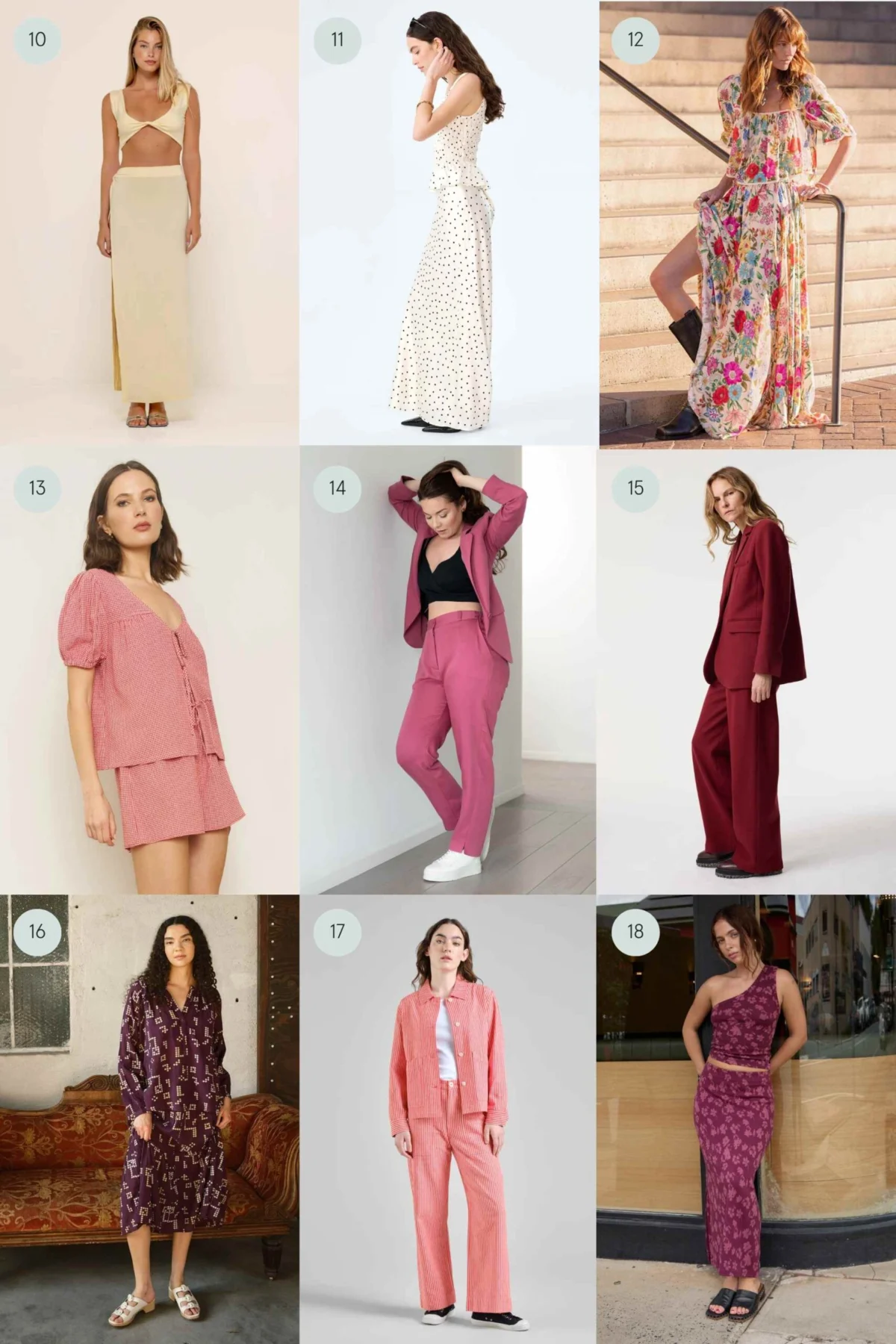
Our editors have meticulously curated a selection of co-ords and suits from brands that meet our stringent sustainability criteria, earning them "Good" or "Great" ratings. These brands demonstrate a commitment to ethical production, responsible material sourcing, and environmental stewardship.
- Dressarte Paris Made-to-Measure Blazer and Trousers: Embodying the ultimate in personalized sustainability, Dressarte Paris offers made-to-measure garments, ensuring a perfect fit and reducing waste inherent in standard sizing. This approach promotes longevity and conscious consumption.
- ZEROBARRACENTO Bemberg Blouse and Trousers: ZEROBARRACENTO is known for its commitment to zero-waste design and innovative material use. Their Bemberg collection utilizes a regenerated cellulose fiber, celebrated for its luxurious feel and eco-friendly production process.
- WE-AR4 Blazer and Shorts: WE-AR4 focuses on using upcycled and deadstock fabrics, giving new life to materials that would otherwise go to waste. Their collections often feature minimalist designs for maximum versatility.
- E.L.V Denim Contrast Denim Shirt and Jeans: E.L.V Denim champions circularity by crafting all its pieces from discarded denim, transforming waste into high-fashion garments with a unique aesthetic and minimal environmental impact.
- Triarchy Western Denim Jacket and Mini Skirt: Triarchy is committed to sustainable denim production, using significantly less water and eliminating harmful chemicals in their processes, alongside focusing on ethical manufacturing.
- SeamsFriendly Convertible Dress/Skirt/Top: SeamsFriendly offers versatile pieces designed for multi-wear, extending the utility of each garment. Their focus is on natural fibers and ethical production.
- 1 People Blazer and Shorts: 1 People prioritizes sustainable materials like organic cotton and recycled fabrics, coupled with transparent supply chains and a commitment to fair labor practices.
- Facettes Studio Cotton-Canvas Vest and Trousers: Facettes Studio creates timeless pieces from natural, durable fabrics, emphasizing quality craftsmanship and ethical production to ensure longevity.
- The Summer House Pomelo Tunic Set: The Summer House is dedicated to artisanal craftsmanship, natural dyes, and sustainable fibers, producing pieces that are both beautiful and consciously made.
- Coco & Kandy Top and Skirt: Coco & Kandy focuses on handcrafted pieces, often using sustainable materials and supporting local artisans, promoting fair trade and traditional techniques.
- OMNES Polka Dot Top and Skirt: OMNES is committed to using certified sustainable materials and ensuring ethical conditions throughout their supply chain, offering stylish yet responsible fashion.
- Spell Valley of the Dolls Blouse and Skirt: Spell, known for its bohemian aesthetic, is actively working towards greater sustainability by using preferred fibers, reducing waste, and improving supply chain transparency.
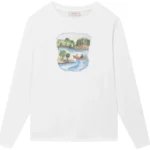
- Whimsy & Row Birdie Gingham Top and Shorts: Whimsy & Row produces limited runs in Los Angeles using deadstock and locally sourced materials, minimizing their environmental footprint and supporting local economies.
- WILDA.ECO Personalisable Blazer and Trousers: WILDA.ECO emphasizes customization and quality, encouraging a mindful approach to consumption by creating pieces that are cherished and kept for years.
- Akyn Noor Jacket and Trousers: Akyn focuses on ethical production and timeless design, creating durable garments from high-quality, often sustainable, materials intended to last.
- Ace & Jig Daryl Blouse and Skirt: Ace & Jig is celebrated for its unique, custom-woven textiles, produced with an emphasis on artisanal techniques and ethical working conditions for weavers.
- Dedicated Striped Jacket and Trousers: Dedicated is a certified B Corp, demonstrating high standards of verified performance, accountability, and transparency in their use of organic and recycled materials.
- Afends Marin Top and Skirt: Afends is a pioneer in "Hemp Revolution," advocating for the use of industrial hemp as a sustainable fiber, alongside other eco-friendly materials and responsible practices.
For those seeking further options in matching sets, our comprehensive loungewear edit also provides a selection of sustainable choices for comfort without compromise.
Industry Outlook and Future Implications
The growing demand for sustainable co-ords and suits is indicative of a broader transformation within the fashion industry. Industry analysts project continued growth in the ethical fashion market, driven by evolving consumer values, stricter regulatory frameworks, and technological advancements.
Consumer Empowerment: Empowered by accessible information and transparency tools, consumers are increasingly demanding more from brands. This pressure is compelling even major fashion houses to re-evaluate their supply chains, material choices, and labor practices. Surveys consistently show that a significant portion of consumers are willing to pay more for sustainable products, especially among younger demographics.
Brand Innovation and Investment: In response, brands are investing heavily in research and development for new sustainable materials, circular design strategies, and transparent supply chain technologies like blockchain. Many companies are setting ambitious sustainability targets, including carbon neutrality, zero waste, and fair wage commitments. This signals a systemic shift from a purely profit-driven model to one that integrates environmental and social responsibility.
Policy and Regulation: Governments and international bodies are also beginning to implement policies aimed at curbing fashion’s environmental impact, such as extended producer responsibility (EPR) schemes for textile waste, bans on certain hazardous chemicals, and regulations promoting supply chain transparency. These measures create a more level playing field for sustainable brands and push laggards towards better practices.
Challenges and Opportunities: While progress is evident, challenges remain, including scaling sustainable material production, ensuring true transparency across complex global supply chains, and making sustainable fashion accessible to all economic segments. However, these challenges also present immense opportunities for innovation, job creation in green sectors, and the development of a more resilient and equitable fashion ecosystem. The enduring appeal of versatile, high-quality garments like co-ords and suits positions them perfectly within this evolving landscape, embodying a future where style and sustainability are intrinsically linked.
Editor’s Note: Feature image via Akyn, all other images via brands mentioned. Good On You publishes the world’s most comprehensive ratings of fashion brands’ impact on people, the planet, and animals. Use our directory to search thousands of rated brands. We updated this article on 9 April 2026. Our editors frequently make updates to articles to ensure they’re up to date. We refreshed our selection of websites and brands to ensure they’re timely, and to reflect recent ratings.