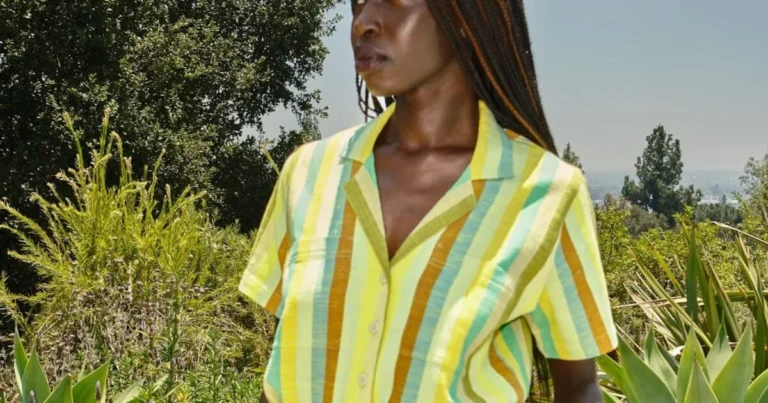











Viscose, commonly known as rayon, stands as a cornerstone of the modern fashion industry, a man-made cellulosic fibre (MMCF) derived from trees, yet its widespread adoption has ignited a fervent environmental debate. While often lauded for its versatility, affordability, and luxurious drape, the production of this ubiquitous textile carries a significant and often overlooked ecological footprint, prompting urgent calls for greater transparency and sustainable innovation across the supply chain. This article delves into the intricate world of viscose, exploring its origins, manufacturing processes, profound environmental and social impacts, and the burgeoning landscape of more responsible alternatives.
The Rise of Viscose: A Fashion Industry Staple
Viscose has cemented its position as one of the most popular materials in global apparel, a testament to its desirable properties. Touted as a more sustainable alternative to resource-intensive cotton or petroleum-derived polyester, and a more economical, durable substitute for silk, it is found in everything from flowing summer dresses, skirts, and soft blouses to synthetic velvet. Beyond clothing, its applications extend to upholstery, bedding, and carpets, underscoring its broad industrial utility. Data from Textile Exchange highlights viscose’s commanding market presence, accounting for approximately 80% of all man-made cellulosic fibres produced globally, a figure that underscores its critical role in the textile ecosystem.
Its appeal lies in its ability to mimic the feel and drape of natural fibres like silk, cotton, and wool, while offering enhanced durability and dye absorption. This adaptability, combined with a relatively low cost of production compared to some natural fibres, has made it a darling of the fast fashion industry, which thrives on rapid production cycles and accessible pricing. However, this very popularity, driven by ever-increasing demand, has intensified scrutiny of its manufacturing practices.
A Brief History: From Silk Imitation to Industrial Powerhouse
The journey of viscose began in the late 19th century, a period marked by fervent innovation in material science. The French scientist and industrialist Hilaire de Chardonnet (1839-1924) is credited with developing the first commercial viscose fibre. His initial motivation was to create a cheaper alternative to natural silk, a luxurious material that was prohibitively expensive for most consumers. Chardonnet’s early attempts, however, faced a significant hurdle: the fabric was highly flammable, leading to its swift withdrawal from the market due to safety concerns.
The breakthrough for a safer and more viable production process came later. In 1892, British scientists Charles Frederick Cross, Edward John Bevan, and Clayton Beadle successfully discovered and patented the "viscose process," a method that proved more stable and less hazardous. This pivotal development paved the way for industrial-scale production, and by 1905, the first commercial viscose rayon was readily available on the market. This marked the beginning of viscose’s ascendancy, transforming it from a laboratory curiosity into a key component of the burgeoning modern textile industry. Over the subsequent decades, continuous improvements in manufacturing techniques further enhanced its properties and broadened its applications, solidifying its status as a versatile and economical fibre.
The Viscose Production Process: A Chemical Transformation
At its core, viscose is derived from cellulose, the primary structural component of plant cell walls. The most common feedstock for viscose production is wood pulp, typically sourced from fast-growing, regenerative trees such as eucalyptus, beech, and pine. However, cellulose derived from bamboo is also increasingly utilized, giving rise to "bamboo viscose." Looking to the future, the industry is exploring the potential of other agricultural byproducts and even post-consumer or industrial waste as alternative cellulose sources, aiming to reduce reliance on virgin wood pulp.
The transformation of wood pulp into a textile fibre involves a series of chemical processes. First, the wood pulp is treated with sodium hydroxide (caustic soda) to create "alkali cellulose." This alkali cellulose is then shredded and aged, after which it is exposed to carbon disulfide, a highly volatile and toxic chemical. This reaction produces "sodium cellulose xanthate," a crumbly orange substance. The xanthate is then dissolved in a weak solution of sodium hydroxide, resulting in a viscous, honey-like liquid – the origin of the name "viscose." This viscous solution is subsequently forced through tiny nozzles, known as spinnerets, into a coagulating bath containing sulfuric acid. This acidic bath regenerates the cellulose, causing it to solidify into continuous filaments. These filaments are then stretched, washed, dried, and wound onto spools, ready to be spun into threads and woven or knitted into fabric.
While this process effectively converts wood pulp into a versatile fibre, it is the intensive use of chemicals and the management of their byproducts that lie at the heart of viscose’s environmental controversy.
The Sustainability Paradox: Unpacking Viscose’s Environmental and Social Footprint
Despite its plant-based origin, viscose is not inherently benign. The rapid expansion of the fast fashion industry has led to a drive for cheaper, faster production, often at the expense of environmental and social safeguards. This has resulted in manufacturing processes that are heavily reliant on energy, water, and, crucially, a cocktail of toxic chemicals, leading to devastating impacts on local ecosystems, worker health, and surrounding communities. The primary areas of concern revolve around two stages: the sourcing of the wood pulp and the chemical conversion process.
1. Deforestation and Biodiversity Loss:
The insatiable demand for wood pulp to produce viscose is a significant driver of global deforestation. Forests, including ancient and endangered ones, are being cleared at an alarming rate to make way for monoculture pulpwood plantations. This rampant clearing leads to severe habitat destruction, posing a critical threat to countless endangered species, from orangutans in Indonesian rainforests to caribou in Canada’s boreal forests. Beyond ecological damage, these land acquisitions often involve human rights abuses and land grabbing from Indigenous communities, displacing traditional inhabitants and undermining their livelihoods and cultural heritage.
Organisations like Canopy have emerged as crucial watchdogs in this space. Through their "CanopyStyle" initiative, launched in 2013, they work with fashion brands and viscose producers to eliminate sourcing from ancient and endangered forests. Their annual "Hot Button Report" tracks 97.5% of the world’s MMCF production, assessing producers’ risk levels of sourcing from these critical forest areas. This initiative has spurred significant commitments from brands, yet the challenge remains immense, as many still lag in implementing robust sustainable sourcing policies.
2. Chemical Pollution and Health Hazards:
The chemical transformation of wood pulp into viscose is a highly polluting process. The use of carbon disulfide, a key chemical in the xanthation step, is particularly problematic. This volatile compound is a potent neurotoxin, linked to a range of severe health issues, including coronary heart disease, strokes, birth defects, nerve damage, skin conditions, and various cancers. Exposure risks extend not only to textile workers within the factories but also to residents of communities located near these production plants, who can be exposed through contaminated air and waterways. Other chemicals like hydrogen sulfide, sulfuric acid, and sodium hydroxide also pose significant environmental and health risks if not properly managed, contributing to air pollution, acid rain, and aquatic ecosystem damage.
In 2017, the Changing Markets Foundation published a groundbreaking investigation, "Dirty Fashion," which directly linked major global fashion brands such as Zara, H&M, and Marks & Spencer to highly polluting viscose factories in China, India, and Indonesia. The report detailed shocking levels of pollution, illegal dumping of waste, and severe health impacts on workers and communities. This exposé highlighted the critical need for greater supply chain transparency and accountability from brands that often outsource production to regions with weaker environmental regulations.
3. Water and Energy Intensity:
Beyond chemical pollution, conventional viscose production is also highly water-intensive, consuming vast quantities of fresh water for pulp washing, chemical baths, and wastewater discharge. While specific figures vary, the industry’s overall water footprint is substantial. Similarly, the energy required to power the various chemical processes, heat solutions, and operate machinery contributes to significant carbon emissions, exacerbating climate change unless renewable energy sources are utilized.
Industry Response and the Drive for Responsible Production
The growing scrutiny and advocacy efforts have pushed the viscose industry towards more responsible practices, albeit at varying paces. While viscose suppliers have made some strides in eliminating endangered forest fibres from their feedstocks, a 2020 report by the Changing Markets Foundation revealed a disappointing truth: approximately 75% of the world’s leading brands had made few to no commitments to sourcing more sustainable viscose. This highlights a critical disconnect, where the onus often falls on manufacturers while retailers, particularly fast-fashion giants, continue to exert pressure for speed and lower costs, inadvertently perpetuating unsustainable practices.
However, the landscape is gradually shifting. Brands with significant market power are increasingly recognizing their role in driving change and investing in cleaner technologies and supply chain transparency. Consumer awareness, fueled by reports from organizations like Canopy and Changing Markets, is also a powerful catalyst, creating demand for more ethical and sustainable options.
Innovations and Sustainable Alternatives: A Glimmer of Hope
As technological advancements progress and consumer demand for lower-impact fabrics grows, a new generation of more sustainable cellulosic fibres and production processes is emerging. These innovations offer promising alternatives to conventional viscose, addressing many of its environmental shortcomings.
One of the most notable pioneers in this space is Lenzing AG, an Austrian company that produces ECOVERO viscose fibres. ECOVERO is made using sustainable wood and pulp from controlled sources that are certified in Europe by either the Forest Stewardship Council (FSC) or the Programme for Endorsement of Forest Certification Schemes (PEFC). Crucially, its manufacturing process employs a closed-loop system, where nearly all chemicals and water are recovered and reused, significantly reducing waste and emissions. Compared to conventional viscose production, ECOVERO manufacturing reportedly uses 50% less water and generates half the carbon emissions.
Lenzing also produces TENCEL Lyocell and TENCEL Modal fibres, which are considered even more sustainable alternatives. TENCEL Lyocell, for example, is produced using a highly efficient closed-loop solvent spinning process that recycles almost 100% of the organic solvent used. These fibres are known for their exceptional strength, softness, and efficient moisture absorption, making them ideal for a wide range of textile applications.
Beyond Lenzing, several other innovative materials are gaining traction:
- Upcycled Viscose: This category encompasses various initiatives that seek to create new viscose fibres from textile waste, reducing the reliance on virgin wood pulp and contributing to a circular economy.
- Bamboo Lyocell: While "bamboo viscose" often uses the same chemical-intensive process as conventional viscose, bamboo Lyocell employs a closed-loop system similar to TENCEL Lyocell, making it a more environmentally friendly option.
- REFIBRA: Developed by Lenzing, REFIBRA technology upcycles cotton scraps (e.g., from garment production) and combines them with wood pulp to produce new TENCEL Lyocell fibres, embodying circularity.
- Eastman Naia (specifically Naia Renew): Produced by Eastman Chemical Company, Naia Renew is made from a combination of responsibly sourced wood pulp and acetic acid derived from recycled materials. Eastman Chemical Company has received favorable ratings in Canopy’s Hot Button Report, indicating responsible sourcing practices.
- Infinna and Circulose: These are exciting "bonus fibres" that represent the future of textile recycling. Both are man-made cellulosic fibres made using cellulose derived entirely from textile waste materials, such as discarded cotton clothes. They exemplify a truly circular approach to textile production.
- Orange Fiber: An Italian innovation, Orange Fiber produces a version of TENCEL Lyocell using cellulose derived from waste orange peel from the citrus juice industry. This creative upcycling of agricultural waste offers a novel and sustainable feedstock.
While many of these newer fibres may not yet be widely commercially available or fully integrated into mainstream fashion supply chains, and their complete impact assessments are ongoing, they represent significant progress. The market is witnessing increased investment in these areas, and with the sustained support of brands and consumers, recycled and lower-impact options are poised to become more prevalent in the coming years. According to Textile Exchange, in 2022, a mere 0.5% of all man-made cellulosic fibres (MMCFs) produced were created using recycled materials, underscoring the vast potential for growth and improvement.
A Call to Action: Empowering Consumers and Brands
Addressing the complexities of viscose’s sustainability demands a multi-pronged approach involving both industry commitment and informed consumer choices. For brands, the imperative is clear: implement robust sourcing policies that ensure wood pulp is not derived from ancient or endangered forests, invest in cleaner, closed-loop production technologies, and prioritize transparency across the entire supply chain. Furthermore, supporting the scaling of innovative, waste-derived fibres is crucial for fostering a truly circular textile economy.
Consumers, too, hold significant power. When considering a viscose item, it is essential to seek assurances from brands regarding their sourcing practices. Ideally, opting for garments made from lower-impact alternatives such as TENCEL Lyocell, TENCEL Modal, ECOVERO, or emerging recycled cellulosic fibres is the preferred choice. Broader sustainable material choices include plant-based, organic, or recycled fibres like organic cotton, hemp, and linen, always ensuring that lower-impact dyes are utilized. It is also important to remember that some "natural" materials, such as conventional cotton and wool, have their own distinct ethical and environmental challenges related to water use, pesticide application, labour rights, and animal welfare.
Ultimately, one of the most impactful actions consumers can take is to embrace mindful consumption: buy less, choose well, and buy secondhand. Reducing overall consumption lessens the demand for new production, regardless of the material. Buying pre-loved clothes not only curtails environmental impact but also fosters a unique personal style and supports a more circular economy. The journey towards a truly sustainable fashion industry is ongoing, and every decision, from the design studio to the shopping cart, contributes to shaping its future.