






Photographer Alexandra Waespi’s compelling new series offers an intimate exploration into the highly personalized beauty routines and private worlds of young women belonging to Tokyo’s distinctive Gyaru, Otaku, and adjacent subcultures. What began as an observational trip to document the city’s renowned nail artists quickly evolved into a profound photographic journey, delving beyond the familiar exterior spectacle of Tokyo to reveal the deeply personal spaces where identity is meticulously crafted and expressed. Waespi’s work challenges prevalent misconceptions, presenting a nuanced view of these subcultures as rich tapestries of self-discovery and creative articulation, rather than mere clichés.
The genesis of Waespi’s project was initially rooted in Tokyo’s globally influential nail art scene, a vibrant hub of innovation and expressive beauty. Her initial intention was to capture the intricate artistry and the community surrounding it. However, upon immersing herself in the city’s youth culture, Waespi discovered that the aesthetic expressions extended far beyond meticulously sculpted nails. She encountered a sprawling network of young creatives deeply embedded in various subcultures, including Gyaru and Otaku, whose visual identities were meticulously constructed and deeply integrated into their daily lives. This realization prompted a significant shift in her focus. Instead of solely capturing public displays of artistry, Waespi sought to understand the private genesis of these elaborate personas, leading her into the intimate confines of these young women’s bedrooms. This strategic pivot allowed her to move away from capturing Tokyo as a city defined by its bustling streets and public displays, turning her lens instead to the sanctuaries where personal identities are forged.
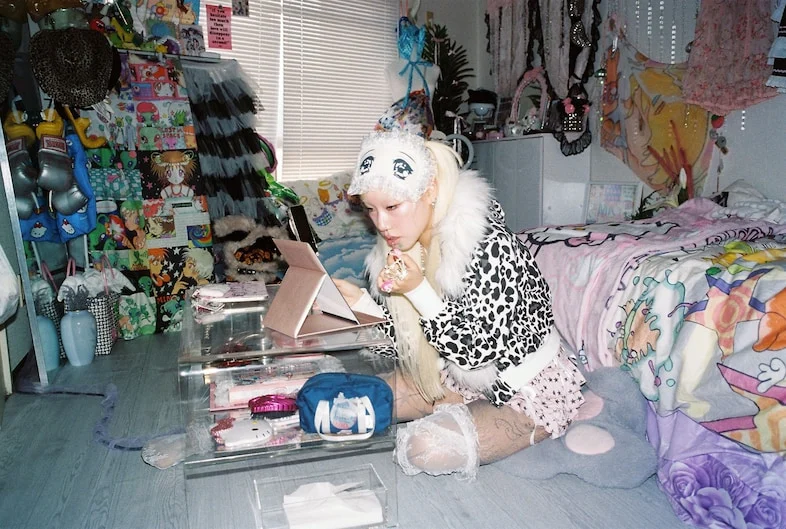
Entering these private spaces, Waespi encountered environments that were far from conventional. Each bedroom was a veritable explosion of personal expression, a carefully curated chaos of nail art supplies, extensive make-up collections, kitschy accessories, colourful beads, and an array of toy dolls. These rooms, as Waespi observed, were not merely living quarters; they were "the tools they need to create and build these characters and worlds and identities." This observation became a cornerstone of her project, highlighting the symbiotic relationship between personal space and self-creation. The deeper Waespi delved, the more she understood the narrowness of surface perceptions. She uncovered "how many misconceptions there are [about gyaru] and how misunderstood it is… it’s not just about clichés of big eyelashes, tanned skin and blonde hair." Her series aims to dismantle these stereotypes, presenting the complexity and individuality inherent in these subcultures.
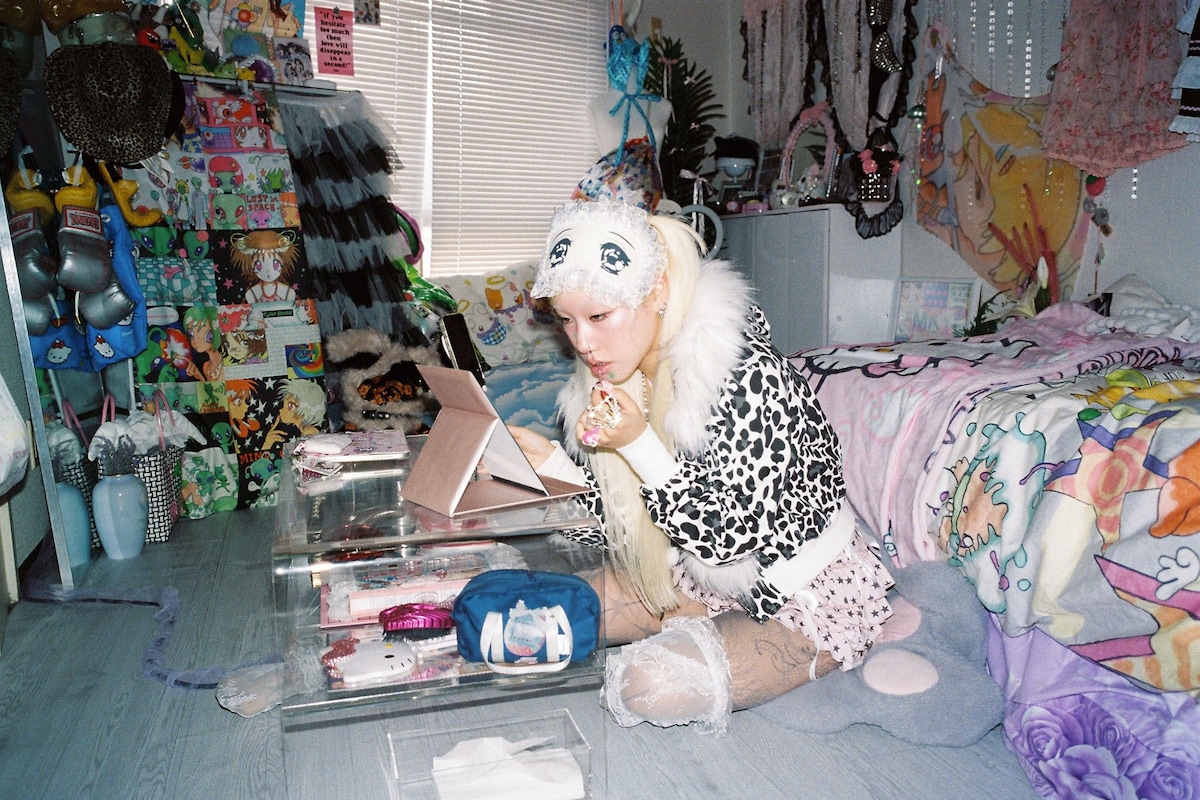
The Gyaru subculture, from which many of Waespi’s subjects draw inspiration, emerged in Japan during the 1990s as a powerful expression of youth rebellion against traditional Japanese beauty standards and societal norms. The term "Gyaru" itself is a Japanese transliteration of the English word "gal," signifying a vibrant, independent young woman. Initially characterized by bleached or dyed hair, often blonde or brown, deeply tanned skin, elaborate make-up (including dramatic eyeliner and false eyelashes), and distinctive fashion, Gyaru evolved rapidly into numerous substyles. Styles such as Ganguro (extreme dark tan, white lipstick), Yamanba (even more exaggerated Ganguro with pastel accents), Hime Gyaru (princess-like, with voluminous hair and rococo-inspired fashion), and Oneegyaru (a more mature, sophisticated style) each represented unique aesthetic philosophies and communities. This evolution showcased the subculture’s adaptability and its capacity for intricate self-differentiation. Gyaru provided an outlet for young women to challenge conservative expectations, embrace individuality, and form strong peer communities. In an era predating widespread social media, fashion magazines like egg and Popteen served as bibles for Gyaru, disseminating trends and fostering a sense of collective identity. Today, while traditional Gyaru styles may have receded from mainstream visibility, the spirit of self-expression, meticulous beauty routines, and community building continues to thrive, often finding new platforms and interpretations online.
Waespi’s project provides a contemporary lens on this enduring phenomenon, allowing the subjects to articulate what beauty means to them and how their immediate surroundings inform their chosen looks. Their narratives reveal the profound emotional and psychological dimensions embedded in their aesthetic choices.
Chipi: The Candy Doll Persona and the Sanctuary of Self
Chipi describes her personal style as "Candy Doll – a girl who looks like a sweet treat that’s probably bad for you." This playful yet defiant self-description encapsulates the duality often found within Gyaru aesthetics. For Chipi, her room is more than just a living space; it is a vital fortress, "proof of how I’ve protected myself all this time." Overflowing with "all the cute things I love," this environment serves as a therapeutic retreat, healing her and anchoring her identity, especially amidst the pressures of work where she sometimes feels "losing myself." It is a "sacred place" where "on weekdays, I come home and take off my ‘work armour,’ and on weekends, I dream about what kind of princess I want to become."
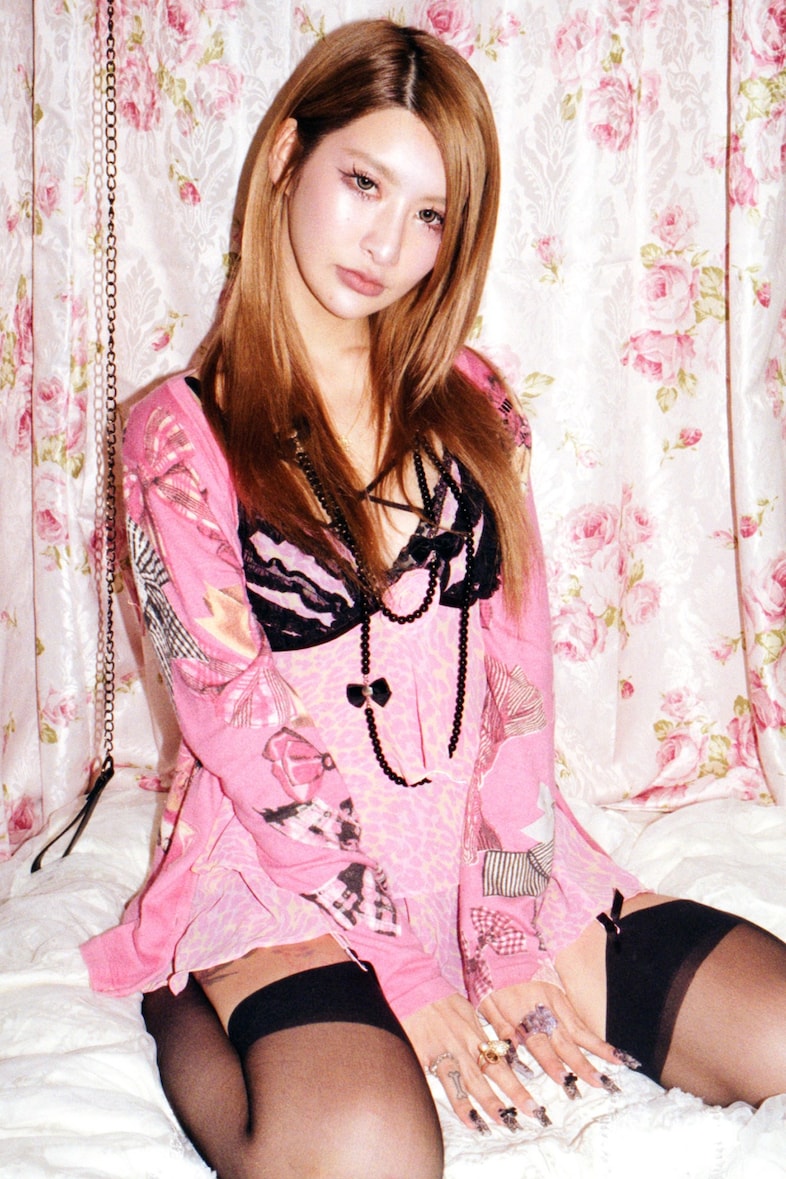
During the shoot, Chipi’s beauty choices were meticulously aligned with her "little-devil gyaru vibe." Despite a hangover, she focused on intensifying her lashes, applying mascara over extensions with "shaking hands." For her, "the thicker they are, the more they feel like guardian spirits protecting me." This reveals a deeply personal, almost talismanic connection to her beauty elements. Her preference for "cool-toned pinks and nude beige-pink lip and cheek colours" is not merely aesthetic; these shades "personally feel healing" to her. Her lifelong love for "dreamy, ‘yumekawa’ unicorn colours" translates into a philosophy where make-up acts as "armour," a protective layer for her inner self. Her aspiration to be a "dreamy-cute old lady" underscores the enduring nature of her identity and the profound comfort she finds in her chosen aesthetic.
Noah: Blending Melancholy with Natural Beauty
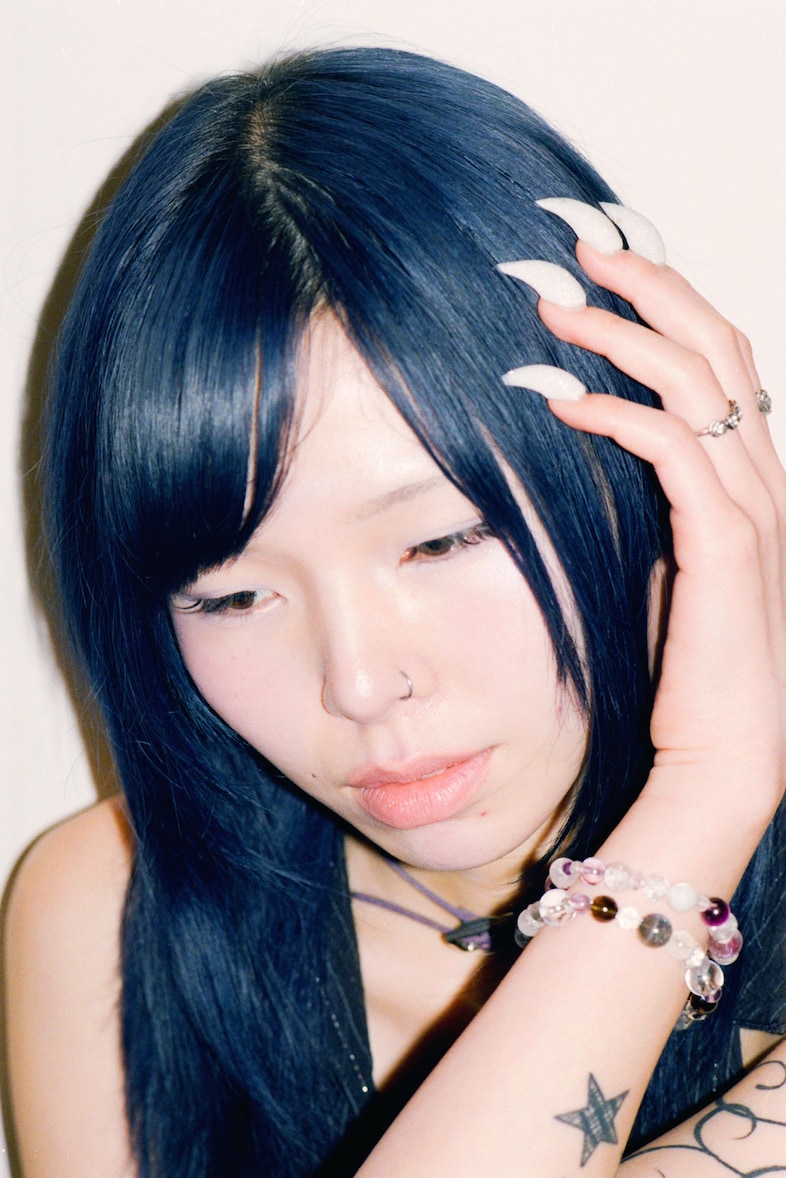
Noah’s approach to beauty leans towards the natural, a counterpoint to some of the more dramatic Gyaru styles. She prefers "more natural make-up on myself rather than heavy lashes or dramatic looks." Her striking blue hair, a consistent feature for over six months, is deeply symbolic. After experimenting with various colours, blue "strangely felt so right on me," resonating with her preferred aesthetic – "a blend of cute, dreamy, melancholic, sensual and dark elements." This demonstrates how specific aesthetic choices can encapsulate a complex internal landscape.
For Noah, beauty transcends mere superficiality. "To me, beauty is more about a feeling than just looking pretty. I love things that feel emotional, memorable and leave some kind of lingering mood behind." This perspective highlights the experiential and evocative power of beauty. Her room, much like Chipi’s, plays a crucial role in her creative process, functioning as a "mood board for my nail art." The interplay of "atmosphere, colours, lighting and objects around me naturally influence the emotions and aesthetics I create through nails," illustrating the seamless integration of her environment into her artistic expression.
Minori: The Art of Decoration and Anime Influence
Minori approaches beauty with the precision and passion of a decorator. "What I’m good at, and what I truly love, is decorating things," she states, explaining that she applies this same sensibility to her beauty regimen, which in turn imbues her styling with "its own unique world and perspective." Her room is a testament to this philosophy, needing to be "surrounded only by the things I love" and perfectly arranged for her to "truly relax." This reinforces the idea that these private spaces are not just backdrops but active participants in the subjects’ identity formation.
In the shoot, Minori opted for a subtle yet impactful look, avoiding bold colours in favour of "creating a glossy skin texture, using purple and white highlighter." Her choice of green star stickers as an accent colour against pink styling showcases her keen eye for decorative contrast. Minori’s love for "anime aesthetics" is evident in her frequent use of blue contact lenses, a nod to the blonde-haired, blue-eyed characters often seen in Japanese animation. Her nails, which she designs and makes herself, are a direct reflection of her current obsessions. During the shoot, she was captivated by the "Hime Gyaru" look, incorporating "lots of pink, black, and pearls" into her nail art, demonstrating the dynamic and evolving nature of her stylistic allegiances.
Suzukei: Reviving the Heisei Gyaru Glamour
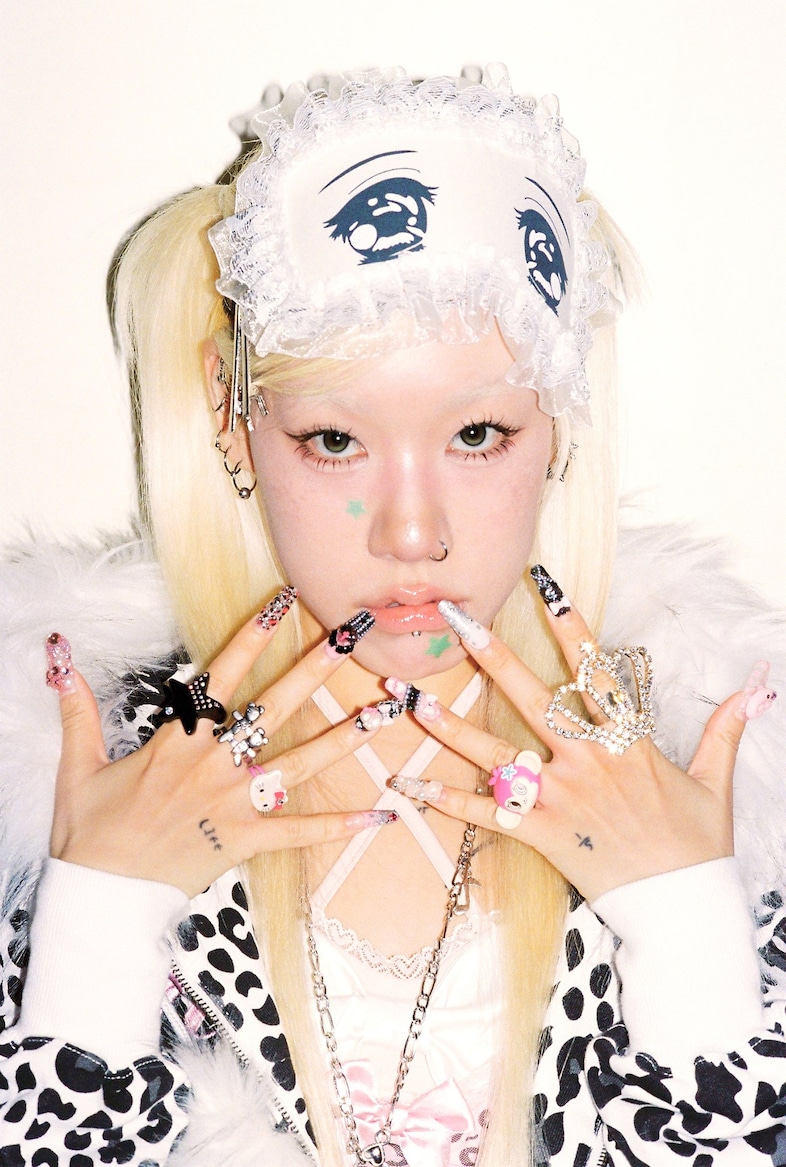
Suzukei articulates the transformative power of Gyaru make-up, seeing it as a means of "creating a stronger, more expressive version of yourself." She identifies the "heavy eye make-up – bold lashes, dramatic eyeliner, enlarged eyes, and that striking, exaggerated look" as one of the most iconic elements of Gyaru culture. She also emphasizes the equal importance of hair in "completely chang[ing] the vibe." This highlights the holistic nature of Gyaru aesthetics, where every element contributes to the overall persona.
For her shoot, Suzukei aimed for a "classic Heisei gyaru feel," a nostalgic tribute to the golden age of Gyaru from the 1990s to the early 2000s. She achieved this through layering "double upper lashes and added lower lashes to make my eyes look bigger and more dramatic." Her desired aesthetic was "flashy, confident and nostalgic, like the glamorous gyaru styles you’d see in old Japanese fashion magazines from the 2000s." This demonstrates a deep appreciation for the historical roots of the subculture and a desire to embody its iconic glamour. Suzukei confirms her strong connection to fashion as a primary mode of self-expression, having "always been really drawn to bold, expressive styles" and growing up "loving Japanese Heisei-era fashion." Her current obsession with Gyaru culture and aesthetics is a natural extension of this lifelong passion.
Alexandra Waespi’s project stands as a significant contribution to understanding the evolving landscape of identity and beauty in contemporary Japan. By shifting the focus from public spectacle to private sanctuary, she offers a profound insight into how young women utilize beauty routines and personal spaces as powerful tools for self-construction, protection, and expression. Her work effectively challenges the superficial "clichés" often associated with Gyaru and similar subcultures, revealing the emotional depth, meticulous artistry, and profound sense of self that underpins these aesthetic choices.
The implications of Waespi’s photographic series extend beyond mere documentation. It serves as a commentary on the universal human need for self-expression and community, particularly within youth cultures. In a world increasingly dominated by standardized beauty ideals and digital filters, these young women’s commitment to elaborate, highly personalized aesthetics is a testament to their agency. Their bedrooms, far from being mere private spaces, emerge as vital laboratories of identity, where fantasy intertwines with reality, and the act of beautification becomes a ritual of empowerment. Waespi’s lens captures not just beauty looks, but the very essence of what it means to be oneself in a complex, image-conscious society, providing a rich, nuanced portrait that invites viewers to look deeper and appreciate the multifaceted nature of modern identity.