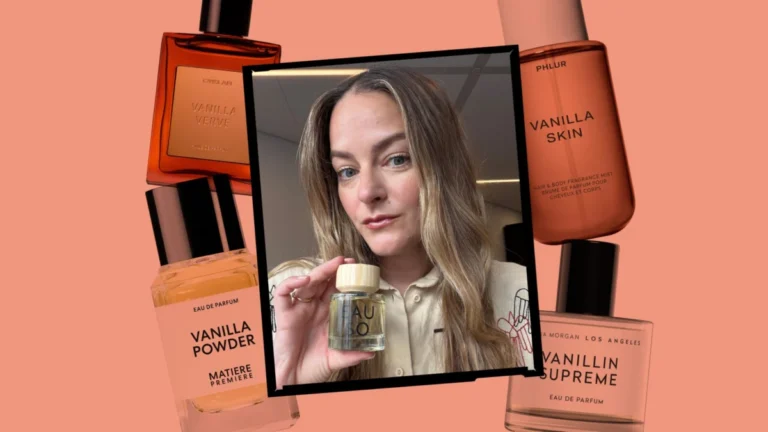








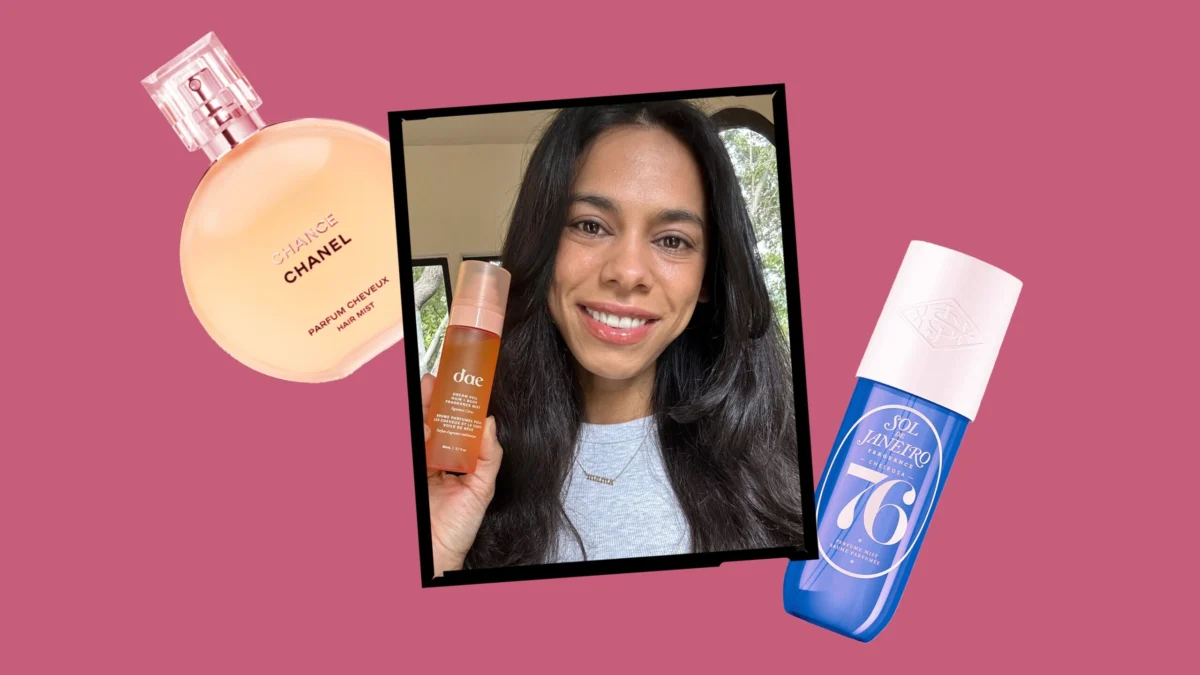
The world of personal fragrance is expanding beyond the traditional realms of body sprays and eau de parfums, with a growing segment dedicated to the health and scenting of our hair. Hair perfumes, often presented as mists, are emerging as a distinct category, offering unique benefits and a gentler approach to scenting compared to their conventional counterparts. Understanding these differences is key for consumers seeking optimal hair care and fragrance experiences.
The Science Behind Hair Perfumes: Hydration and Protection
A fundamental distinction between hair perfumes and other fragrances lies in their formulation and intended purpose. As New York City- and Columbus, Ohio-based hairstylist Mia Santiago explains, hair perfumes or mists are typically engineered with ingredients that cater directly to hair health. These often include hydrating agents such as hyaluronic acid, renowned for its ability to retain moisture, and a variety of other natural components. These ingredients serve a dual purpose: they effectively neutralize or mask unwanted odors while simultaneously providing a protective shield for the hair.
"Hair perfumes or mists usually contain hydrating properties like hyaluronic acid and other natural ingredients that cover odor, have UV ray protection, and give your hair just the right texture and shine," Santiago stated in her assessment. This focus on conditioning and protection sets them apart from perfumes designed solely for the skin.
Furthermore, Santiago highlights a significant advantage: hair perfumes are frequently formulated to be alcohol-free. This is a critical differentiator because, as she notes, the high alcohol content in regular perfumes can be detrimental to hair. "Because of the alcohol content, regular perfume would be very drying to your hair and can cause breakage," she elaborated. This alcohol-free or low-alcohol formulation makes hair perfumes a more conscientious choice for maintaining hair integrity.
Decoding Fragrance Concentration: A Matter of Dilution and Cost
The difference in formulation also extends to the concentration of fragrance oils, which directly impacts both the scent’s intensity and the product’s price point. Hair perfumes generally contain a significantly lower percentage of perfume oil compared to traditional perfumes, making them a more accessible and often lighter olfactory option.
Arielle Lebeau, a perfumer for the Robertet Group, a prominent player in the fragrance ingredient industry, provides specific data to illustrate this point. "Typically, a hair mist is dosed between 3 to 5% fragrance oil, whereas an eau de parfum is anywhere from 20 to 25%," Lebeau explained. This substantial difference in concentration means that hair mists deliver a more subtle and diffused scent, less likely to overwhelm or linger as intensely as a strong eau de parfum.
Lebeau further elaborates on the compositional differences, stating, "Hair and body mists are also slightly more diluted as they contain a percentage of alcohol as well as a percentage of water, versus traditional fragrances that just contain alcohol." The inclusion of water in hair mists contributes to their lighter feel and less drying effect, further reinforcing their suitability for hair application. This diluted composition not only affects the scent profile but also translates to a more budget-friendly option for consumers. The lower concentration of precious fragrance oils inherently reduces manufacturing costs, allowing these products to be priced more competitively.
Allure’s Rigorous Testing Methodology: Ensuring Quality and Trust
Understanding the distinctions and efficacy of beauty products, including hair perfumes, requires a robust and impartial testing process. Allure, a leading beauty publication, employs a comprehensive methodology to evaluate products, ensuring that their recommendations are well-founded and serve the best interests of their readership.
The Allure testing process is multi-faceted, encompassing an in-depth review of product ingredients, a critical examination of brand claims, and, when appropriate, the consultation of peer-reviewed scientific and medical studies. This meticulous approach ensures that the products featured meet high standards of quality, safety, and performance.
For their reviews of hair perfumes, Allure enlists a diverse group of editors, writers, and external contributors. This broad testing base is crucial for capturing a wide range of user experiences across different skin tones, genders, and dermatological conditions. The evaluation focuses on four primary categories: ingredients, wear and longevity, packaging, and inclusivity. This holistic assessment allows for a comprehensive understanding of each product’s strengths and weaknesses. The publication’s commitment to transparency is further underscored by their readily available detailed reviews process and methodology page, providing readers with insight into how their evaluations are conducted.
The Importance of Diverse Testing: Reflecting the Consumer Landscape
The philosophy behind Allure’s testing methodology is rooted in the understanding that beauty products are deeply personal purchases. To genuinely deem a product "the best," it must perform across a diverse spectrum of users and hair types. This commitment to inclusivity is not merely a procedural step but a core principle guiding their recommendations.
"A beauty product is a personal purchase. You might be searching for a face cream to address persistent dryness or a new nail product to add to your Sunday self-care routine; you may simply be browsing around for the latest launches to hit the hair market. No matter what you seek or your individual needs and concerns, Allure wants to ensure that you love anything we recommend in our stories," the publication states.
This dedication to diversity means that their testing panels are intentionally composed of individuals representing a wide range of ages, skin tones, hair textures, genders, and backgrounds. This ensures that the assessment of any beauty product, including hair perfumes, is fair and representative. For instance, the article questions the validity of claiming a product is "best" for a specific demographic if the testing pool lacks sufficient representation from that group. Similarly, recommending a high-end hair tool without testing it on various curl types would be considered incomplete. This inclusive approach is what allows Allure to confidently stand behind their recommendations, assuring consumers that the products they endorse have been rigorously evaluated by a team that mirrors the diversity of their audience.
The Broader Implications: A Shift Towards Hair Health in Fragrance
The rise of hair perfumes signifies a broader trend within the beauty industry: an increasing emphasis on holistic hair health and the integration of skincare principles into hair care routines. As consumers become more informed about the ingredients in their beauty products and their potential effects, there is a growing demand for formulations that offer benefits beyond mere aesthetics.
The differentiating factors of hair perfumes – their hydrating properties, UV protection, potential for alcohol-free formulations, and gentler scent profiles – align perfectly with this consumer demand. They offer a way to enhance personal fragrance without compromising hair health, addressing a need that traditional perfumes, with their often drying and potentially damaging alcohol content, may not fully satisfy.
This evolution suggests a future where fragrance is viewed not just as an adornment but as an integral part of a comprehensive hair care regimen. As research into hair science and ingredient efficacy continues, it is plausible that we will see further innovation in hair-specific fragrances, potentially incorporating advanced treatments and customized scent experiences tailored to individual hair types and concerns. The development and popularity of hair perfumes are thus indicative of a more sophisticated and health-conscious approach to personal grooming, where both scent and well-being are paramount.