









The announcement today, April 21, 2026, by Associated British Foods (ABF) regarding the separation of its highly successful value fashion retailer, Primark, from its diverse food business, has immediately ignited a robust debate among retail analysts and financial commentators. The decision, which will see Primark operate as an independent, publicly listed entity, marks a pivotal moment for both the parent conglomerate and its star fashion subsidiary. While proponents argue that the demerger will unlock significant shareholder value and provide strategic clarity, a notable contingent of market observers expresses caution, highlighting potential risks and the loss of the synergistic benefits derived from ABF’s diversified portfolio.
A Conglomerate’s Strategic Evolution
Associated British Foods has long been a unique entity in the FTSE 100, characterized by its eclectic mix of businesses spanning sugar production (British Sugar), grocery brands (Twinings, Ovaltine, Ryvita), ingredients, agriculture, and the high-growth fashion retail giant, Primark. This diversification has historically been viewed as both a strength, offering resilience against sector-specific downturns, and a weakness, often leading to a "conglomerate discount" where the sum of its parts is perceived to be worth more than the whole.
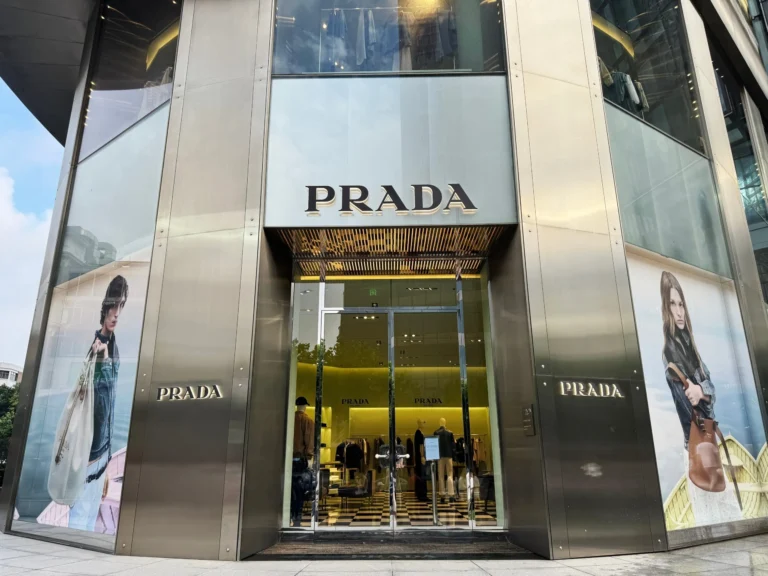
Primark, launched in Dublin in 1969 as Penneys and rebranded as Primark for its UK expansion, has been the undisputed growth engine within ABF for decades. Known for its ultra-low prices, rapid fashion cycles, and robust physical store footprint, it has defied many retail headwinds to become a formidable force on the high street across Europe and increasingly in the United States. Its success has been a double-edged sword for ABF; while contributing significantly to revenue and profit growth, its distinct operational model and high-growth, high-volatility profile often overshadowed the steadier, more predictable performance of ABF’s food divisions.
The Demerger Rationale: Unlocking Hidden Value
The primary driver behind the demerger, as articulated by sources close to ABF’s board, is the conviction that Primark’s true market value is not fully reflected within the ABF structure. Analysts have long pointed out the disparity in valuation multiples typically applied to stable food and ingredients businesses versus dynamic, growth-oriented fashion retailers. For years, the market has struggled to assign an appropriate valuation to ABF, often failing to fully credit Primark’s potential due to its encapsulation within a more mature conglomerate.
"This move is a classic case of unlocking shareholder value by allowing two distinct businesses to trade at their natural multiples," commented Dr. Eleanor Vance, a senior equity analyst at Global Capital Partners. "Primark, with its robust store expansion pipeline and burgeoning digital strategy, could command a much higher price-to-earnings ratio as a standalone entity compared to the blended average of ABF. We estimate Primark alone could be valued at £18-22 billion, a significant portion of ABF’s current market capitalisation, which has hovered around £25-28 billion."
The demerger is also expected to provide greater strategic focus for both entities. For the remaining ABF food and ingredients businesses, the separation will allow management to concentrate entirely on optimising their supply chains, pursuing M&A opportunities within their sectors, and investing in innovation without the constant pressure of funding Primark’s aggressive expansion plans. Similarly, an independent Primark will have a dedicated board and executive team solely focused on navigating the complexities of the global fashion retail market, accelerating its growth trajectory, and potentially making independent capital market decisions for its own expansion and technological investments, including a more robust push into e-commerce fulfillment options beyond its current click-and-collect trials.
A Timeline of Speculation and Decision
While the official announcement came on April 21, 2026, speculation regarding a potential Primark demerger has simmered for several years. Initial whispers gained traction around 2022-2023, as Primark consistently outperformed ABF’s other divisions, especially following the post-pandemic retail rebound. Investor calls frequently featured questions about the "conglomerate discount" and the feasibility of separating the high-growth retail arm.
- Early 2020s: Growing analyst and investor pressure for ABF to address its valuation disparity. Primark’s strong recovery post-COVID-19 lockdowns highlights its resilience and growth potential.
- 2023: Reports surface in financial media suggesting ABF is "exploring strategic options" for its portfolio, though no explicit mention of Primark demerger is made. ABF’s annual reports begin to provide more granular detail on Primark’s financial performance, perhaps laying the groundwork for a future separation.
- Late 2024: Industry insiders suggest that a formal review of ABF’s corporate structure is underway, with external consultants engaged to assess various options, including a full or partial spin-off of Primark.
- Early 2026: Leaks to the financial press intensify, indicating that a demerger is now the preferred option, pending board approval. The market reacts positively to these unconfirmed reports, with ABF’s share price seeing a modest uplift.
- April 21, 2026: Official announcement of the demerger. The statement confirms that the process will involve distributing shares in the new Primark entity to existing ABF shareholders, likely via a share dividend or a similar mechanism, ensuring that current ABF investors will hold stakes in both companies. The separation is anticipated to take 12-18 months, subject to shareholder approval, regulatory clearances, and market conditions, with a target listing date for Primark in late 2027 or early 2028.
The Counter-Arguments: Risks and Loss of Synergy
Despite the compelling arguments for a demerger, a significant portion of the analytical community and some long-term investors express reservations. Their concerns largely revolve around the potential loss of financial stability, operational synergies, and the increased exposure to the inherent volatility of the fashion retail sector that a standalone Primark would face.
"While the appeal of unlocking value is clear, we must not overlook the tangible benefits Primark derived from being part of ABF," warned Marcus Thorne, head of retail research at Sterling Asset Management. "ABF’s diversified earnings base acted as a crucial shock absorber, particularly during periods of economic uncertainty or unexpected retail downturns. For instance, during the 2008 financial crisis or the initial phases of the pandemic, the stable cash flows from ABF’s food businesses provided a vital buffer, allowing Primark to continue its long-term investment strategies without immediate pressure from capital markets."
The food divisions, including British Sugar and various grocery brands, typically exhibit lower growth rates but offer consistent, robust profitability and strong cash generation. This steady performance often counterbalanced the cyclical nature of fashion retail, which is susceptible to shifts in consumer sentiment, economic cycles, and rapidly changing trends. As an independent entity, Primark will be fully exposed to these fluctuations, potentially leading to greater share price volatility and increased pressure to deliver short-term results.
Furthermore, there are concerns about the practical implications of untangling decades of operational integration. While Primark largely operates independently, certain back-office functions, financial services, and potentially some aspects of procurement might have benefited from ABF’s scale and infrastructure. The cost and complexity of establishing entirely separate corporate structures, IT systems, and financial reporting mechanisms are substantial and present execution risks. The allocation of existing debt between the two new entities will also be a critical factor to watch, potentially impacting the financial flexibility of both Primark and the remaining ABF.
Reactions from Related Parties (Inferred)
While no specific quotes from ABF or Primark leadership were immediately available beyond the formal press release, the market can infer their stances.
ABF Management: The decision likely reflects a culmination of years of strategic review, driven by a desire to optimize shareholder returns. They would emphasize the "right time" for such a move, given Primark’s maturity and strength, and the clear strategic paths now available for both entities. They would stress that the demerger is designed to benefit all shareholders, ensuring they continue to participate in the future success of both the food businesses and Primark.
Primark Leadership: This separation would be viewed as an opportunity to accelerate growth, enhance strategic agility, and directly engage with a new investor base specifically interested in high-growth retail. They would likely highlight their strong brand, loyal customer base, and clear expansion plans as compelling reasons for investors to back the independent Primark. The ability to pursue targeted investments without conglomerate constraints would be a key message.
Trade Unions/Employees: The immediate concern for employees would likely revolve around job security and the implications for corporate culture. Both ABF and Primark would need to clearly communicate their commitment to employees during the transition, ensuring a smooth separation and maintaining morale. Initial reactions might be mixed, with some welcoming the sharper focus and others wary of the changes.
Broader Impact and Implications
The demerger of Primark from ABF sends ripples across several sectors:
- Retail Sector: An independent Primark will be a formidable player. Its direct listing will provide a clearer benchmark for value fashion retailers and could intensify competition, particularly in the fast-fashion segment. Its newfound freedom might enable more aggressive expansion into new markets or a more decisive investment in scalable e-commerce infrastructure, which has historically been a cautious area for the brand.
- Food and Ingredients Sector: The "new" ABF, post-Primark, will become a more focused food and ingredients powerhouse. This could make it a more attractive target for investors seeking stable, dividend-paying stocks with a clearer agricultural and grocery focus. It might also signal a period of renewed strategic activity within its remaining divisions, potentially through acquisitions or divestments that were previously complicated by the diverse portfolio.
- Investment Community: The demerger will create two distinct investment propositions. Primark will appeal to growth investors and those focused on consumer discretionary spending, while the leaner ABF will attract income investors and those seeking defensive plays in essential goods. This differentiation is precisely what ABF hopes will unlock value.
- Corporate Strategy: This move aligns with a broader trend of conglomerates divesting non-core or high-growth assets to streamline operations and maximize shareholder returns. It mirrors similar strategies seen in other diversified groups globally, suggesting that the era of sprawling, multi-sector conglomerates might be giving way to more specialized, agile corporate structures.
The Road Ahead
The demerger of Primark from ABF is not merely a corporate restructuring; it represents a significant strategic realignment for both entities. For ABF, it’s a bet on the enduring value of its core food and ingredients businesses, now unencumbered by the retail giant’s distinct demands. For Primark, it’s an opportunity to forge its own destiny, directly addressing capital markets and pursuing an unconstrained growth agenda.
The success of this separation will ultimately hinge on meticulous execution, clear communication, and the ability of both independent companies to thrive in their respective markets. While the immediate reactions from analysts are divided, the long-term verdict on whether ABF was "right" to demerge Primark will be delivered by the market’s performance and the sustained growth trajectories of both newly independent corporate entities over the coming years. The journey ahead for both ABF and Primark promises to be closely watched by investors, industry peers, and consumers alike.