







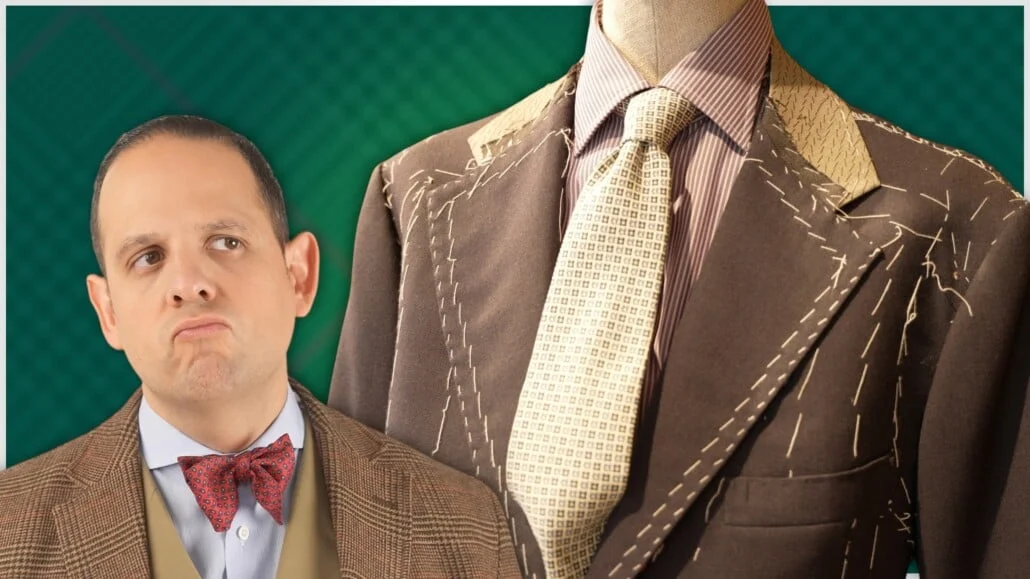
Neapolitan tailoring, a revered tradition originating from the vibrant southern Italian city, stands as a paragon of sartorial excellence, widely celebrated for its distinctive blend of softness, lightness, and an effortless elegance. The essence of what makes a jacket or trouser distinctly Neapolitan often transcends mere terminology, residing instead in subtle visual cues and tactile sensations that convey a philosophy of comfort and natural movement. In a significant exploration of this renowned craft, Raphael Schneider of Gentleman’s Gazette recently embarked on a comprehensive journey to Naples, engaging directly with master tailors from some of the city’s most respected sartorie. This second installment of his investigative trip offers an unparalleled look into the defining hallmarks of Neapolitan style, providing insights directly from the artisans who uphold this unique heritage.
The recent series of discussions with these seasoned professionals underscores that the true understanding of Neapolitan tailoring is best grasped through direct observation and experience. Beyond academic definitions, its most critical qualities are inherently visual and tactile: the unparalleled softness of the shoulder, the remarkable lightness of the internal canvas, the graceful roll of the lapel, the characteristic openness of the front quarters, and, crucially, the way a finished garment moves fluidly with the wearer. These elements coalesce to create a silhouette that is at once refined and relaxed, a stark contrast to more rigid tailoring traditions found elsewhere.
The full video documentation of these discussions offers a rare opportunity to witness these intricate details up close and to hear the Neapolitan tailors articulate the nuances of their craft in their own words. They meticulously describe the features that define both Neapolitan jackets and trousers, delving into the delicate balance between structure and inherent softness, the functional purpose of high armholes, the critical role of lightweight internal construction, and the subtle yet distinct differences that differentiate one tailoring house’s style from another. This invaluable resource serves as an essential guide for anyone who has encountered terms like spalla camicia or barchetta but yearns for a deeper, practical understanding of how these concepts manifest in a finished garment, moving beyond dictionary definitions to real-world application.
The Neapolitan Ethos: A Philosophy of Comfort and Elegance
At the heart of Neapolitan tailoring lies a profound philosophy that prioritizes comfort and freedom of movement without sacrificing an iota of elegance. Unlike the more structured and formal tailoring traditions prevalent in Northern Europe or Anglo-Saxon cultures, which often emphasize a rigid, imposing silhouette, Neapolitan tailoring seeks to embrace and complement the natural contours of the body. This approach is deeply rooted in the historical context and climate of Naples. The city’s warm, often humid Mediterranean climate naturally fostered a demand for garments that were breathable, lightweight, and unrestrictive, allowing gentlemen to remain comfortable and stylish even in the heat. This practical necessity evolved into an aesthetic preference, shaping a distinct style characterized by its relaxed sophistication. The goal is a garment that feels like a second skin, allowing the wearer to move with effortless grace, projecting an air of understated confidence rather than stiff formality.
Deconstructing the Neapolitan Jacket: Key Hallmarks
The Neapolitan jacket is a masterpiece of subtle engineering, with each feature contributing to its celebrated character:
-
The Shoulder (Spalla Camicia): Perhaps the most iconic signature of Neapolitan tailoring, the spalla camicia, or "shirt shoulder," is a testament to this craft’s ingenuity. This construction method draws inspiration from how a shirt sleeve is attached, eschewing heavy padding and often featuring no padding at all. The sleeve head is cut slightly larger than the armhole and then meticulously gathered or pleated, creating a distinctive, natural ripple or puckering effect. This "rouched" appearance is not a flaw but a deliberate design choice that enhances the garment’s relaxed, informal character and allows for unparalleled freedom of shoulder movement. It ensures the jacket drapes naturally over the shoulder, rather than creating a rigid, artificial line.
-
Internal Construction: The lightness of the Neapolitan jacket is not merely a perception but a direct result of its minimal internal construction. Tailors utilize lightweight canvases and significantly reduce or eliminate padding in the chest and shoulders. This choice allows the fabric to drape more naturally and breathe more effectively, contributing to the jacket’s overall comfort and fluidity. The emphasis is on shaping the garment through precise cutting and hand-stitching rather than relying on heavy interlinings or padding to create form.
-
The Lapel Roll (Three-Roll-Two): The tre-bottoni su due (three-roll-two) button stance is a classic Neapolitan detail. While the jacket has three buttons, the lapel is artfully cut to roll over the top button, creating a soft, elegant "S" curve that reveals only two functional buttons. This subtle design feature not only enhances the aesthetic appeal of the lapel but also contributes to the jacket’s overall relaxed and fluid appearance, moving away from the more angular lines of a traditional three-button jacket.
-
Front Quarters (Open Quarters): Neapolitan jackets often feature "open quarters," meaning the front edges of the jacket below the waist button are cut to flare gently outwards. This design choice contributes to a more relaxed look, offering ease of movement and a less restrictive feel, particularly when seated. It also visually elongates the leg line, adding to the garment’s inherent elegance.
-
Armholes (High Armholes): A seemingly minor detail, high armholes play a crucial role in the comfort and fit of a Neapolitan jacket. By positioning the armhole higher up, closer to the armpit, the tailor ensures that the jacket’s body remains undisturbed when the wearer moves their arms. This prevents the fabric from pulling or bunching across the back or chest, allowing for a full range of motion while maintaining a clean, elegant silhouette.
-
Pockets: Neapolitan tailoring often incorporates distinctive pocket styles that reinforce its relaxed yet refined aesthetic. The barchetta (Italian for "little boat") breast pocket is a hallmark, characterized by its gently curved shape that evokes the hull of a small vessel. This subtle curve adds a touch of artisanal flair. Patch pockets, sewn directly onto the exterior of the jacket, are particularly common on Neapolitan sport coats and even some suits, depending on the desired level of formality. They further underscore the garment’s casual elegance and practicality.
Beyond the Jacket: Neapolitan Trousers and the Full Ensemble
While the jacket often takes center stage, Neapolitan trousers are equally integral to the complete sartorial statement, mirroring the jacket’s emphasis on comfort and fluidity. Neapolitan trousers typically favor a higher rise, which not only offers a more flattering and elongating silhouette but also ensures the trousers stay securely in place without the need for a belt. Many classic versions feature single or double pleats, which provide additional comfort and drape, allowing the fabric to fall cleanly without pulling. Instead of belt loops, side adjusters or suspender buttons are often incorporated, reinforcing the clean lines and traditional aesthetic. The leg is typically gently tapered, striking a balance between a contemporary fit and classic proportions, ensuring that the trousers complement the jacket’s soft lines without appearing overly tight or baggy. The exact cut, however, remains highly customizable, dependent on the individual tailor’s house style, the wearer’s preferences, and the intended formality of the garment.
The Artisans Speak: Insights from the Sartorie
The dialogue with Naples’ esteemed tailors, as facilitated by Raphael Schneider’s visit, provides invaluable first-hand accounts of the craft. These master artisans consistently articulate the philosophy underpinning their work, emphasizing that the perceived "softness" of Neapolitan tailoring is not an absence of structure but rather a deliberate balance. They explain that the light internal construction is not merely about reducing weight but about allowing the garment to conform to the wearer’s body, creating a natural, fluid silhouette. The purpose of high armholes, for instance, is not just comfort but also to ensure the jacket’s integrity of line remains uncompromised during movement. These discussions also highlight the nuanced differences between various sartorie, where each house maintains its distinct "hand"—a subtle variation in cut, finish, or proportion that defines its unique style, passed down through generations. This underscores the highly personal and artistic nature of bespoke Neapolitan tailoring, where the tailor’s individual interpretation breathes life into tradition.
A Historical Thread: The Evolution of Neapolitan Tailoring
The origins of Neapolitan tailoring can be traced back to the early 20th century, a period when Naples, as a bustling port city, was a hub of cultural exchange and economic activity. Tailors in the city began to develop a distinct style that departed from the more rigid British and Northern Italian conventions. Pioneers like Vincenzo Attolini are often credited with refining the "soft style," adapting traditional bespoke techniques to suit the local climate and lifestyle. The post-World War II era saw a boom in Neapolitan tailoring, as a growing middle class sought elegant yet comfortable clothing. The style gained international recognition through films, fashion magazines, and the increasing appreciation for Italian craftsmanship. Over the decades, generations of tailors have meticulously preserved and evolved these techniques, ensuring that the Neapolitan tradition remains vibrant and relevant in the global luxury market. This rich chronology highlights a continuous innovation rooted in tradition, where each generation builds upon the mastery of its predecessors.
The Economic and Cultural Impact
Neapolitan tailoring represents a significant segment of Italy’s formidable luxury fashion industry. While perhaps smaller in scale than some industrial fashion giants, its economic impact is profound, supporting a network of highly skilled artisans, fabric suppliers, and related businesses. It acts as a powerful ambassador for Italian craftsmanship on the global stage, attracting discerning clients from around the world who seek the unparalleled quality and personalized fit of bespoke garments. Culturally, Neapolitan tailoring is a crucial guardian of artisanal craft and traditional skills in an increasingly automated world. It embodies the concept of "slow fashion," where quality, durability, and timeless style are prioritized over transient trends. Moreover, it contributes to cultural tourism, with enthusiasts and aspiring tailors often visiting Naples to immerse themselves in its sartorial heritage, attend workshops, or commission garments directly from the master sartorie. This continuous demand helps preserve not only the techniques but also the cultural values associated with handmade excellence.
Challenges and Future Outlook
Despite its esteemed status, Neapolitan tailoring, like many traditional crafts, faces challenges. Attracting new talent to undergo the rigorous and lengthy apprenticeship required to become a master tailor is a constant concern. The globalized market also presents a double-edged sword: while it expands reach, it also brings the challenge of maintaining authenticity against mass-produced imitations that attempt to mimic the Neapolitan look without the underlying craftsmanship. However, the enduring appeal of bespoke quality, personalized service, and the tangible value of a handmade garment ensures its resilience. The ongoing engagement of platforms like Gentleman’s Gazette, highlighting the intricacies of the craft, plays a vital role in educating consumers and fostering appreciation for true artisanal work. As the demand for sustainable, high-quality, and unique clothing continues to grow, Neapolitan tailoring is well-positioned to maintain its revered status, continually adapting while steadfastly preserving its core principles of comfort, elegance, and meticulous craftsmanship.
In conclusion, Neapolitan tailoring is far more than a style; it is a living art form, a philosophy of dressing, and a testament to centuries of refined craftsmanship. Raphael Schneider’s deep dive into this world serves as an important chronicle, illuminating the subtle yet profound details that define this iconic tradition. It underscores that the true essence of Neapolitan elegance lies not just in what is seen, but in how it feels, how it moves, and how it embodies a timeless blend of comfort and sophisticated grace.