










For a decade, the bespoke tailoring industry has undergone a quiet evolution, moving away from the rigid, one-size-fits-all manufacturing of the mid-20th century toward a more personal, highly curated approach to menswear. At the center of this shift is Ivan, a veteran custom clothier whose professional philosophy emphasizes the importance of a "versatile template" over the fleeting allure of statement pieces. In a recent detailed walkthrough of his own personal collection, Ivan provided an intimate look at the mechanics, fabric selection, and structural nuances that define the modern, high-functioning wardrobe. His approach serves as a masterclass for those looking to transition from reactive, trend-based purchasing to proactive, intentional garment commissioning.

The Philosophy of the Functional Wardrobe
The modern gentleman’s wardrobe is often plagued by a common inefficiency: the accumulation of standalone items that fail to integrate with existing pieces. According to Ivan, the key to a sustainable, long-term wardrobe lies in the development of a master template—a set of construction standards and aesthetic preferences that ensure every new commission is instantly compatible with what already hangs in the closet.
"Whatever I end up getting has to go with everything else in my wardrobe," Ivan notes. "It is not just a standalone piece." This principle is the cornerstone of his methodology. By maintaining consistency in fit, shoulder construction, and internal canvas weight, he ensures that his investments in high-end wools and silks remain relevant across seasons and style shifts. This is not merely an aesthetic choice but an economic one, maximizing the "cost-per-wear" of every garment commissioned.

Chronology of a Commission: From Fabric to Finished Coat
The creation of a custom sport coat is a multi-stage process that requires deep knowledge of material science and textile performance. Ivan’s recent analysis highlights three specific coats that form the backbone of his rotation.
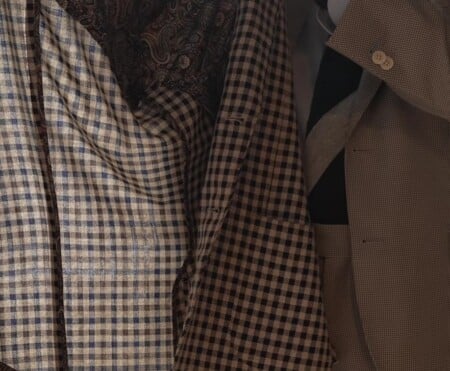
The process begins with the selection of raw materials. His most versatile piece—a cream wool-silk blend—illustrates the value of trans-seasonal fabrics. By blending the durability of wool with the breathability and sheen of silk, the resulting fabric offers a weight and texture suitable for year-round wear in temperate climates. This is contrasted by his winter-specific commission: a Prince of Wales flannel. The technical complexity of this piece, which features a subtle light-blue windowpane overlay on a traditional glen check, demonstrates the importance of depth in pattern selection.

The construction phase follows a strict set of personal rules. Ivan advocates for the "three-roll-two" jacket configuration, a design where a three-button coat is pressed to roll over the top button, effectively creating the look of a two-button jacket with a more elegant, fluid lapel line. This technical detail, often overlooked by mass-market manufacturers, provides the wearer with superior visual proportion and a classic, soft-shouldered silhouette.
Technical Analysis: Construction and Finishing Details
Beyond the surface-level aesthetics, the true value of a custom garment lies in its internal structure. Ivan’s workshop utilizes three primary levels of internal support: full canvas, half canvas, and unstructured. The choice between these depends entirely on the intended function of the garment.
The canvas, which acts as the "skeleton" of the jacket, is responsible for the drape and longevity of the piece. A full canvas construction provides the most rigid, structured shape, while an unstructured design offers a lightweight, relaxed feel. Ivan’s expertise allows him to modulate these elements to suit his clients’ lifestyles.
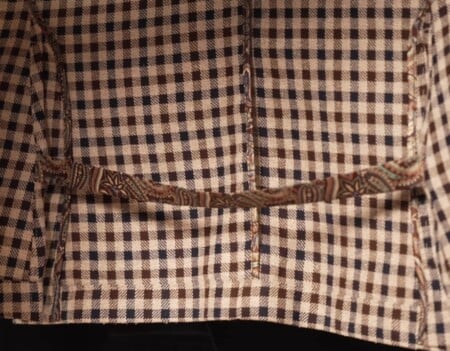
One of his most notable signature details is the inclusion of a hidden fabric strap integrated into the back vent of every jacket. This minor but effective modification prevents the vent from flapping or "gaping," ensuring a clean, unbroken line across the hips—a frequent point of failure in poorly fitted off-the-rack clothing.
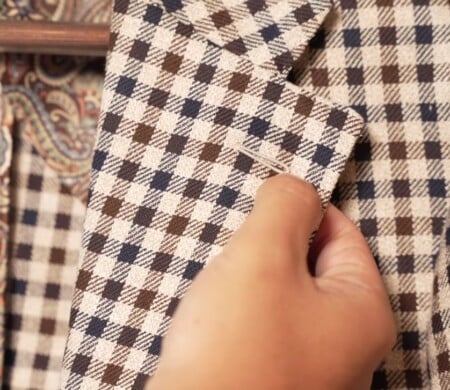
Furthermore, his approach to finishing details—such as the deliberate use of colored thread on the cuff buttonholes while keeping the lapel buttonhole understated—reflects a sophisticated understanding of subtle branding. By limiting decorative flourishes to areas that are only visible during movement or close interaction, he maintains a professional, timeless appearance while asserting a distinct personal style.
Broader Industry Trends and Market Implications
The industry’s move toward this level of granular, personalized detail comes at a time when consumers are increasingly disillusioned with "fast fashion." Data from the menswear sector indicates a growing preference for "slow style," where customers are willing to pay a premium for longevity and provenance.
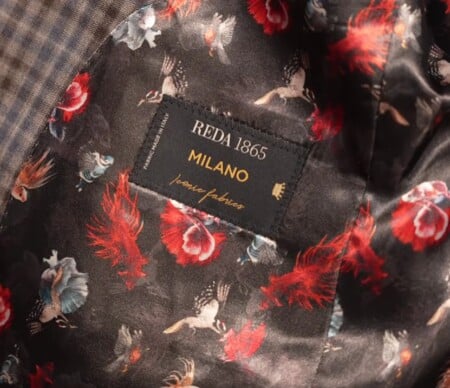
The emphasis on "quarter-lining"—a technique where the interior of the jacket is only partially lined to improve breathability and reduce bulk—is indicative of a broader trend toward comfort. As professional dress codes continue to relax, the demand for unstructured, lightweight sport coats that can be worn in both business and casual settings has surged.
This evolution has forced clothiers to become more than just tailors; they are now wardrobe consultants. The ability to educate clients on why a specific fabric weight or canvas construction matters is now as important as the ability to operate a needle and thread. Ivan’s willingness to share his own "failures"—the jackets he rarely wears—adds a layer of transparency that is rare in the high-fashion industry. It acknowledges that building a wardrobe is an iterative process, one that requires experimentation and the courage to admit when a design choice does not meet the functional requirements of daily life.
The Future of Custom Clothing
As the industry looks toward the next decade, the role of the custom clothier is likely to become even more vital. With the rise of AI-driven design tools and globalized supply chains, the "human element"—the subjective taste and technical wisdom of a master tailor—remains the ultimate differentiator.
Ivan’s advice to his peers and clients remains consistent: "Figure out your likes and dislikes, then build a template for your own garments when you go custom." This mantra serves as a roadmap for any individual looking to move beyond the cycle of consumerist acquisition. By focusing on the interplay between fabric, structure, and personal history, the modern wearer can curate a collection that is not only visually striking but inherently functional.
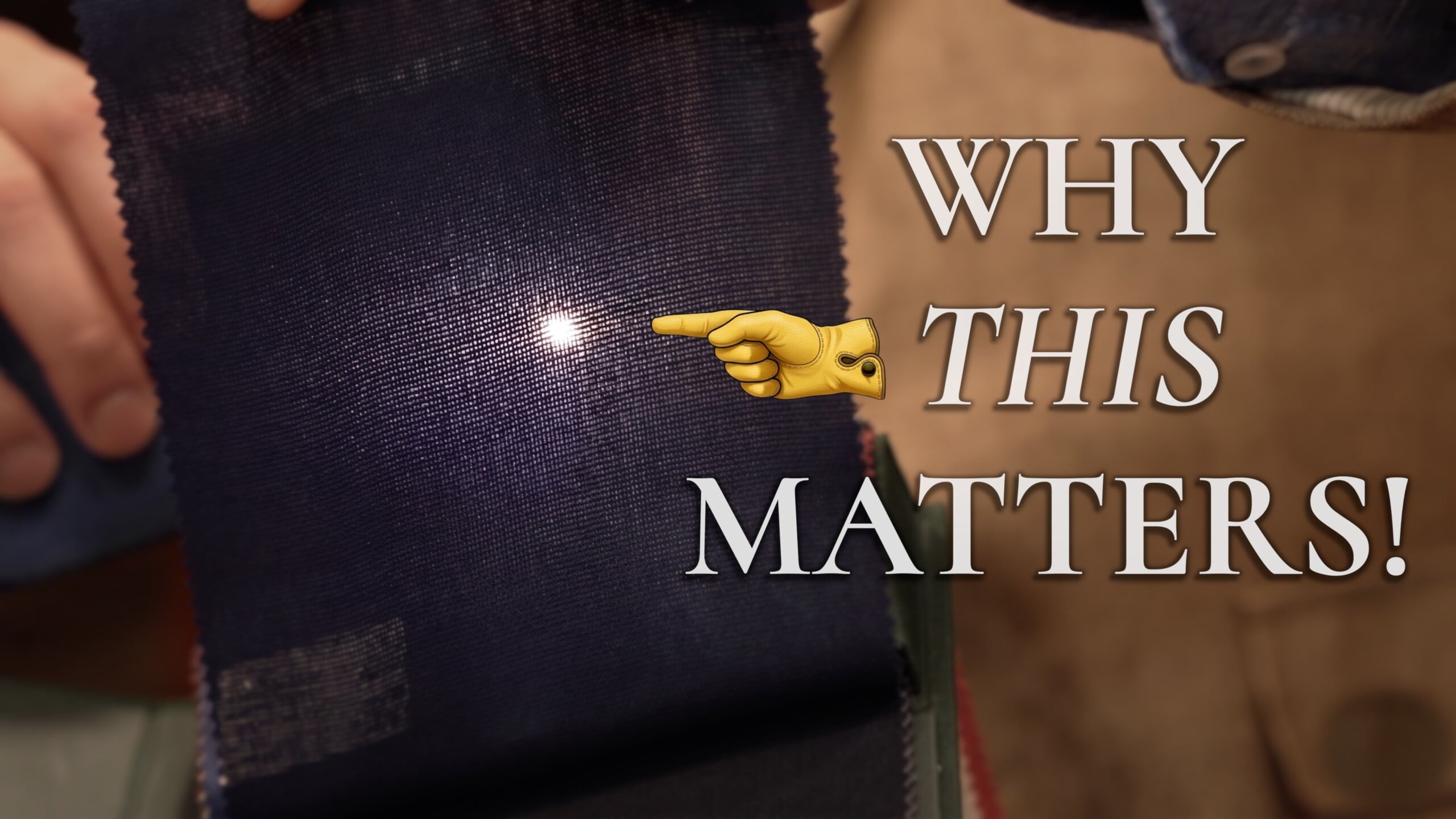
Whether one is investing in a high-density winter flannel or a breathable summer silk, the principles of custom tailoring remain rooted in the same fundamental truths: quality materials, thoughtful construction, and a coherent design language. As Ivan’s walkthrough demonstrates, the most successful wardrobes are not built by chasing trends, but by refining a personal template that stands the test of time. In an era of constant change, such consistency is perhaps the most luxurious quality of all.