






Modern life, characterized by a constant oscillation between domestic routine and international travel, demands a refined approach to the items one chooses to carry. While high-tech solutions often dominate the conversation regarding productivity, a growing body of evidence suggests that the most impactful tools are frequently the most unassuming. By curating an “everyday carry” (EDC) kit—a selection of essential items kept on one’s person—individuals can mitigate the friction of daily logistical challenges. This selection is not merely a collection of conveniences; it represents a strategic investment in self-sufficiency, precision, and personal maintenance.

The Foundation of Precision: Measurement and Utility
The fundamental requirement for any professional toolkit is reliability. A high-quality measuring tape, specifically one constructed from non-stretch fiberglass PVC, serves as a cornerstone for both tailors and casual users. Unlike retractable steel tapes, which can be cumbersome and prone to kinking, a foldable fiberglass tape ensures consistent accuracy for clothing alterations, interior design, or product assessment. Market data indicates that demand for precision analog tools has remained steady despite digital alternatives, largely due to the tactile feedback and lack of dependency on battery life.

Complementing this utility is the thoughtful selection of personal accessories, such as pinky rings and cufflinks. Historically, men’s jewelry served as a marker of status and guild affiliation; today, it functions as a form of personal branding. Gold, in particular, has seen significant market appreciation over the last decade, with prices fluctuating from under $1,000 per ounce to historic highs exceeding $4,000. Consequently, investing in high-quality gold jewelry has evolved from a purely aesthetic choice into a functional asset class that remains wearable and portable. Cufflinks, while often viewed as a vestige of formal attire, continue to serve as a distinctive visual differentiator in professional environments, signaling an attention to detail that is increasingly rare in the era of casual workplace dress codes.

Logistical Optimization: Travel and Security
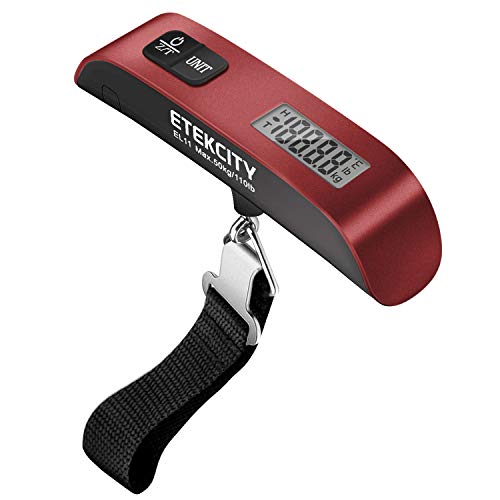
Frequent travel introduces a unique set of variables, primarily regarding weight restrictions and organizational security. Industry reports from major global airlines highlight that ancillary revenue—which includes baggage fees—accounts for an increasing percentage of carrier profits. A high-precision digital luggage scale, capable of weighing items up to 110 pounds, is no longer just a convenience; it is a financial instrument. By monitoring suitcase weight prior to arrival at the airport, travelers can avoid the punitive surcharges levied by airlines, which can exceed $200 per item for overweight bags.
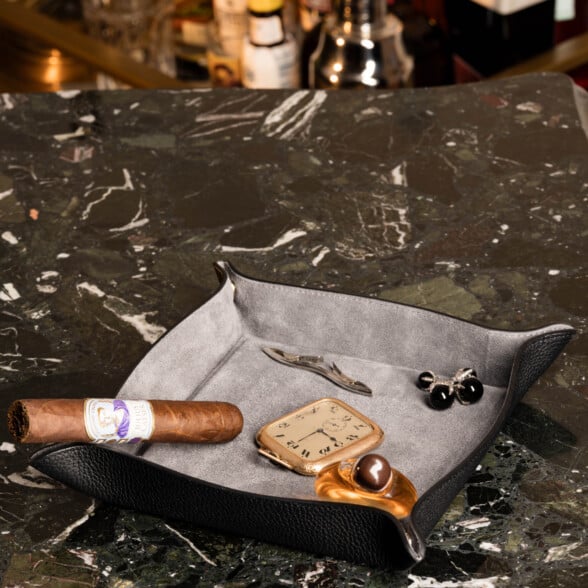
Beyond weight management, the organization of personal effects during transit is critical. The utilization of a dedicated travel tray (valet tray) addresses the common issue of misplaced items, such as keys, currency, or transit tickets, in hotel environments. This simple physical boundary creates a designated “home” for loose items, reducing the cognitive load associated with packing and unpacking.
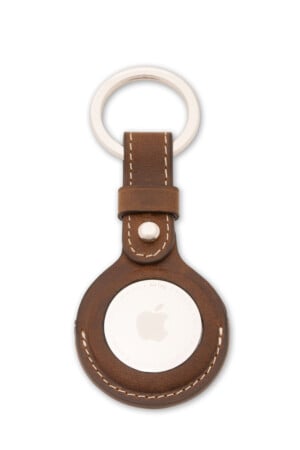
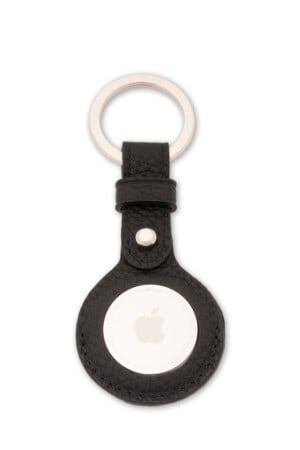
The integration of modern tracking technology, specifically Apple AirTags and KeySmart cards, has fundamentally altered the paradigm of lost property. According to current consumer tech trends, the use of Bluetooth-enabled trackers has surged as travelers seek to mitigate the risk of lost checked baggage. Integrating these trackers into leather-bound holders—which protect the device while maintaining a professional aesthetic—provides a necessary layer of psychological and logistical security. Furthermore, robust physical security, such as high-quality leather passport holders with RFID-blocking capabilities, protects sensitive documents from both physical wear and digital skimming.
Personal Maintenance and Grooming Standards
Professional presentation requires consistent maintenance, regardless of one’s location. The transition from home to the road often disrupts grooming routines, leading to the use of substandard, mass-produced hotel amenities. Experienced professionals increasingly bypass these products in favor of personal grooming kits that comply with Transportation Security Administration (TSA) regulations.
The use of refillable silicone containers represents a significant shift toward sustainable, high-quality travel practices. These bottles are engineered for durability, featuring leak-proof valves that prevent the catastrophic spills often associated with inferior plastic travel containers. When combined with specialized products—such as medical-grade anti-dandruff treatments like Nizoral or high-performance aluminum-free deodorants—travelers can ensure their grooming standards remain uncompromised during extended trips.
Furthermore, oral health remains a primary concern for long-term travelers. The adoption of portable, high-pressure water flossers and the inclusion of specialized itch-relief lotions, such as the Japanese-engineered MUHI MOPIDICK-s, demonstrates an proactive approach to health management. Such items, while compact, provide immediate solutions to common discomforts, thereby maintaining productivity and comfort levels throughout the duration of a trip.

Technical Infrastructure and Power Management
The modern professional’s dependency on digital infrastructure necessitates a robust approach to power and data management. Historically, travelers relied on multiple individual chargers, which were inefficient and prone to occupying excessive space. The current industry standard has shifted toward Gallium Nitride (GaN) technology, which allows for significantly smaller, more powerful charging stations.

Anker, a market leader in power solutions, has developed charging hubs capable of delivering 200W of power across multiple ports. These devices allow a single user to charge a laptop, tablet, phone, and headphones simultaneously, effectively consolidating a bulky bag of chargers into a single, pocketable device.

The importance of the physical cable should not be underestimated. High-quality USB-C cables, specifically those with Thunderbolt 4 or 5 certification, facilitate rapid data transfer rates of up to 80 Gbps. While standard cables may suffice for power, high-performance cables are essential for professionals handling high-resolution media or large data sets. The transition to high-quality braided or silicone-coated cables also improves longevity, reducing the frequency of replacement and minimizing the environmental impact of electronic waste.

Culinary and Domestic Utility
The inclusion of high-quality kitchen tools, even when traveling, reflects a commitment to personal well-being. The discrepancy between the quality of provided kitchenware in temporary rentals and the requirements of the professional cook is vast. Bringing a personal Victorinox paring knife or a high-quality manual peppermill (such as those manufactured by Peugeot or Cole & Mason) allows for a consistent culinary experience regardless of location.

Furthermore, the consumption of high-quality, shelf-stable proteins like canned fish (e.g., La Belle-Iloise) provides a nutritionally dense, portable meal option that circumvents the reliance on convenience food. These items, when coupled with a reliable waiter’s corkscrew, ensure that the domestic comforts of home are easily replicated.

The Broader Implications of Strategic EDC
The cumulative impact of these items extends beyond mere convenience. By standardizing one’s kit, an individual minimizes the decision fatigue that often accompanies travel and daily transitions. The economic, organizational, and health benefits of a curated, high-quality everyday carry kit are measurable.

Market analysis suggests that as remote and hybrid work models continue to evolve, the demand for high-performance personal tools will likely grow. Professionals are increasingly prioritizing modular, durable, and multifunctional items that serve to bridge the gap between their home environment and the demands of a globalized, mobile economy.
In summary, the items detailed here are not merely gadgets. They are the components of a system designed to maximize efficiency and minimize the variables that lead to stress. Whether through the use of a $2 IKEA bag for logistics or a $200 Thunderbolt cable for data integrity, the philosophy remains the same: the most significant improvements to one’s professional life are found in the intentional, disciplined selection of the tools one carries every day. By focusing on quality, durability, and utility, the modern professional can navigate an increasingly complex world with a sense of order and preparedness.