








In an evolving landscape where consumer consciousness increasingly shapes purchasing decisions, the quest for ethical and sustainable men’s dress shoes for the office or special events has gained significant momentum. Good On You, a leading authority in sustainable fashion ratings, has curated a selection of highly-rated brands, offering Derby shoes, Oxfords, boots, and smart sneaker styles that align with both aesthetic preferences and moral values. This initiative underscores a broader industry shift towards greater responsibility, providing consumers with credible options that transcend traditional fashion paradigms.
The global sustainable fashion market, valued at approximately $6.35 billion in 2022, is projected to reach $20.73 billion by 2030, growing at a compound annual growth rate (CAGR) of 15.6%. This exponential growth reflects a fundamental change in consumer priorities, driven by heightened awareness of environmental degradation, social inequities, and animal welfare concerns linked to conventional manufacturing practices. While significant strides have been made across various apparel categories, the footwear sector, particularly men’s formal shoes, has historically lagged in adopting comprehensive sustainable practices. However, a new wave of pioneering brands, assessed by rigorous rating systems like Good On You’s, is now addressing this gap, offering meticulously crafted alternatives that do not compromise on ethics or style.
The Imperative of Ethical Footwear: Addressing Industry Challenges
The footwear industry faces multifaceted challenges in its journey towards sustainability. Traditional leather production, for instance, is notorious for its environmental footprint. The livestock industry, from which leather is a byproduct, contributes significantly to greenhouse gas emissions, deforestation, and water consumption. Furthermore, the tanning process, often involving chrome and other toxic chemicals, contaminates water sources and poses severe health risks to workers and surrounding communities. According to reports from the United Nations Environment Programme (UNEP), the fashion industry, including footwear, is responsible for 8-10% of global carbon emissions, more than all international flights and maritime shipping combined.
Beyond environmental concerns, social justice issues are rampant within the global footwear supply chain. Many manufacturing facilities, particularly in developing nations, are characterized by exploitative labor practices, including low wages, excessive working hours, unsafe working conditions, and a lack of basic human rights. Transparency in these complex supply chains remains a critical hurdle, making it difficult for consumers to ascertain the true cost of their purchases.
In response to these pervasive issues, responsible footwear brands are distinguishing themselves through a commitment to various ethical tenets. These include the complete avoidance of animal-derived materials or, where animal products are used, their sourcing as ethically as possible with stringent welfare standards. Furthermore, these brands prioritize the adoption of lower-impact materials, ensure fair compensation and safe conditions for their workforce, and uphold robust transparency across their entire operational footprint. Good On You’s detailed brand directory allows consumers to delve into the specific actions each brand is taking, providing a comprehensive understanding of their environmental, social, and animal welfare ratings.
Good On You’s Robust Methodology: A Benchmark for Trust
Good On You stands as a critical resource for discerning consumers, providing trustworthy recommendations that align with personal values and practical needs. Their mission is to simplify informed choices, fundamentally embracing the "buy less, buy better" philosophy. This approach is underpinned by a rigorous and transparent methodology, developed by diverse experts, which aggregates comprehensive information on fashion sustainability.
The core of Good On You’s assessment lies in its proprietary five-point rating scale, applied to over 6,000 brands globally. This scale evaluates brands across three key areas: Planet, People, and Animals.
- Planet: Assesses a brand’s environmental impact, including its use of resources, waste management, chemical policies, carbon footprint, and innovative sustainable materials.
- People: Examines labor conditions, fair wages, supply chain transparency, and efforts to empower workers throughout the production process. This includes evaluating policies on child labor, forced labor, and the provision of a living wage.
- Animals: Reviews the brand’s policies and practices regarding animal welfare, specifically focusing on the use of animal products, certifications for ethical sourcing, and the elimination of cruel practices such as angora or mulesing.
Brands that achieve a "Good" or "Great" rating on this scale are recognized for making significant contributions to sustainable fashion. The editorial team at Good On You further reviews and approves each recommendation, ensuring high standards of quality, longevity, and timeless design—qualities crucial for promoting responsible consumption and moving away from fast fashion’s disposable culture. This multi-layered vetting process ensures that every featured brand not only meets stringent ethical criteria but also offers products that are built to last and transcend fleeting trends.
Beyond New Purchases: Embracing the Circular Economy
While identifying and investing in new, ethically produced footwear is a vital step, the principles of sustainability extend beyond initial purchase. Good On You consistently champions the broader circular economy, emphasizing the value of reusing, mending, and embracing second-hand shopping. The fashion industry generates an estimated 92 million tons of textile waste annually, a figure projected to rise to 134 million tons by 2030. Extending the life of existing garments and shoes is one of the most impactful ways to reduce this waste.
Second-hand stores, online marketplaces, and clothing swaps offer excellent avenues for acquiring quality footwear without contributing to new production. Furthermore, investing in durable, repairable shoes from ethical brands aligns with the ethos of longevity. Many high-quality dress shoes, particularly those with Goodyear welt construction, are designed to be resoled and repaired multiple times, significantly extending their lifespan and reducing their environmental footprint over time. By consciously choosing to maintain and extend the life of footwear, consumers actively participate in reducing waste and promoting a more sustainable consumption model.
Challenging Gender Norms in Fashion
A noteworthy aspect of Good On You’s approach is its commitment to degendering fashion. The arbitrary assignment of gender to inanimate objects like shoes, clothes, and accessories is increasingly seen as outdated and restrictive. Historically, fashion has been heavily segmented along gender lines, often dictating what is considered "appropriate" for men or women. This binary marketing not only limits individual expression but also perpetuates stereotypes.
Good On You advocates for a fashion landscape where people of all genders can express themselves authentically, free from these conventional constraints. When users search their directory, results are automatically delivered without consideration for gender, promoting a more inclusive and expansive view of style. For those who still prefer to filter by traditional menswear or womenswear labels, specific filters are available, but the default encourages a more fluid and personal approach to selection. This progressive stance reflects a growing societal recognition of gender diversity and the importance of self-expression in all facets of life, including sartorial choices.
Pioneering Brands in Ethical Men’s Dress Shoes
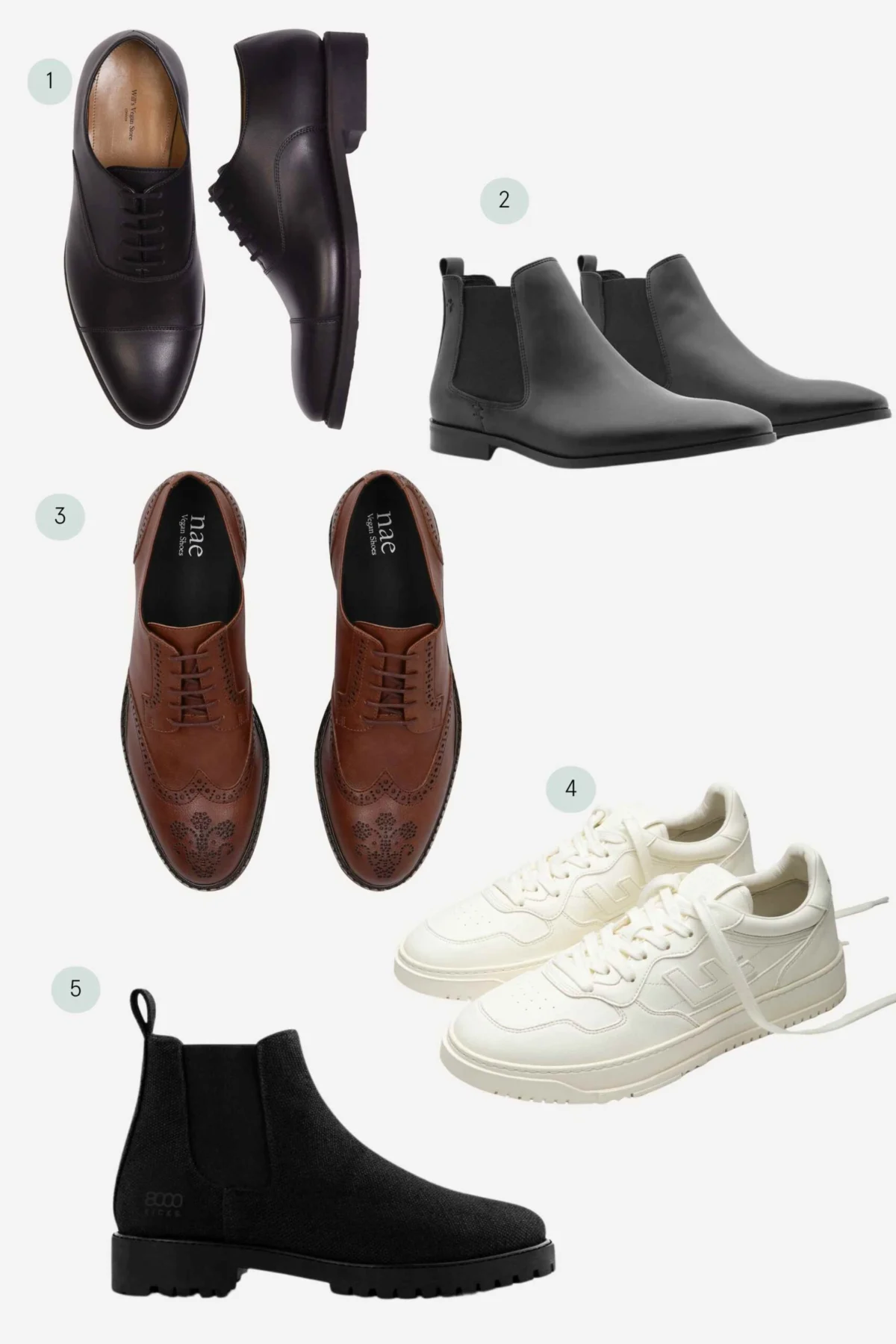
The market for ethical men’s dress shoes is expanding, with innovative brands offering stylish and conscientious options. These brands are not just offering products; they are leading a movement towards responsible manufacturing and consumption. Here are a few examples, showcasing the diversity of styles and sustainable approaches:
-
Will’s Vegan Store Goodyear Welted Vegan Oxford Shoes: Will’s Vegan Store is a trailblazer in high-quality vegan footwear. Their Goodyear Welted Vegan Oxford Shoes exemplify durability and classic style. The Goodyear welting technique, a hallmark of traditional shoemaking, ensures that the shoes are exceptionally robust and, crucially, resoleable, significantly extending their lifespan. Made from vegan leathers that are often derived from bio-based or recycled materials, these shoes offer a sophisticated alternative to conventional leather without compromising on quality or ethical principles. The brand’s commitment to certified vegan materials and ethical production in Europe underscores its comprehensive approach to sustainability.
-
COG Vegan Chelsea Boots: COG is another brand making significant strides in vegan footwear. Their Vegan Chelsea Boots offer a blend of timeless design and modern ethical production. Chelsea boots are versatile and suitable for both formal and casual settings, making them a staple in many wardrobes. COG focuses on using innovative, animal-free materials that mimic the look and feel of traditional leather while minimizing environmental impact. Their manufacturing processes often involve lower-energy consumption and reduced chemical use, reflecting a dedication to a cleaner production cycle.
-
NAE Gael Vegan Brogues: NAE (No Animal Exploitation) is a Portuguese vegan footwear brand known for its commitment to ecological and ethical practices. Their Gael Vegan Brogues showcase intricate detailing and classic elegance, made entirely from sustainable vegan materials. NAE frequently incorporates materials such as pineapple leather (Piñatex), organic cotton, and recycled PET, proving that high fashion can coexist with ecological responsibility. The brand’s focus on fair labor practices within its European production facilities ensures that every pair of shoes is made under humane and equitable conditions.
-
Flamingos’ Life Ventura Vegan Sneakers: While dress shoes are the primary focus, the inclusion of smart sneakers acknowledges the evolving nature of office and event attire. Flamingos’ Life, a Spanish brand, offers the Ventura Vegan Sneakers, which merge casual comfort with ethical design. These sneakers are often crafted from recycled materials, organic cotton, and corn-based vegan leathers, significantly reducing their environmental footprint compared to conventional sneakers. Their commitment to transparency and sustainable sourcing positions them as a leader in the ethical sneaker market, providing a responsible choice for more relaxed formal settings.
-
8000Kicks The Crossover Hemp Chelsea Boot: 8000Kicks stands out for its innovative use of industrial hemp, one of the most sustainable fibers available. Their Crossover Hemp Chelsea Boot combines the classic Chelsea silhouette with a revolutionary material that requires minimal water and no pesticides to grow. Hemp is incredibly durable, naturally antimicrobial, and has a lower environmental impact than traditional textile crops. This brand exemplifies forward-thinking material innovation, offering a unique and highly sustainable option for those seeking robust and eco-conscious footwear.
The Future Landscape of Ethical Footwear
The trajectory for ethical footwear points towards continued innovation in materials, enhanced transparency across supply chains, and broader adoption by both niche and mainstream brands. As consumer demand for sustainable options intensifies, we can anticipate a future where vegan alternatives become more sophisticated, bio-based materials proliferate, and manufacturing processes become even more circular and energy-efficient.
Challenges remain, particularly in scaling sustainable practices to meet global demand without compromising quality or increasing costs prohibitively. However, the collaborative efforts of conscious consumers, pioneering brands, and influential rating platforms like Good On You are collectively driving the industry towards a more responsible and equitable future. By supporting brands committed to these principles, consumers wield significant power to shape a fashion industry that prioritizes people, the planet, and animals, one pair of ethical shoes at a time.
Editor’s note: Feature image via Will’s Vegan Store, all other images via brands mentioned. Good On You publishes the world’s most comprehensive ratings of fashion brands’ impact on people, the planet, and animals. We love to recommend some of the best responsibly brands, rated "Good" or "Great."
This article was last updated on 12 May 2026. Our editors frequently make updates to articles to ensure they are current, and this iteration includes refreshed insights into brands and products, reflecting the dynamic nature of the sustainable fashion market.