



The global fashion landscape has entered a transitional period defined by the closing of the expansive SS27 womenswear circuit across the major international fashion capitals of New York, London, Milan, and Paris, alongside major seasonal winter campaigns and brand real estate developments. As the industry processes the myriad trends, silhouettes, and cultural moments emerging from the French capital and beyond, luxury houses, contemporary labels, and athletic wear brands are concurrently pivoting toward strategic retail expansions, milestone anniversaries, and winter-ready collections designed to address changing consumer demands.
The Intersection of Seasonal Transitions and Outerwear Innovation
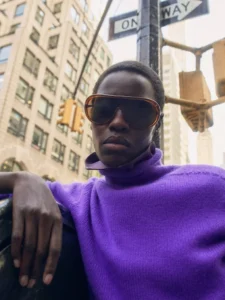
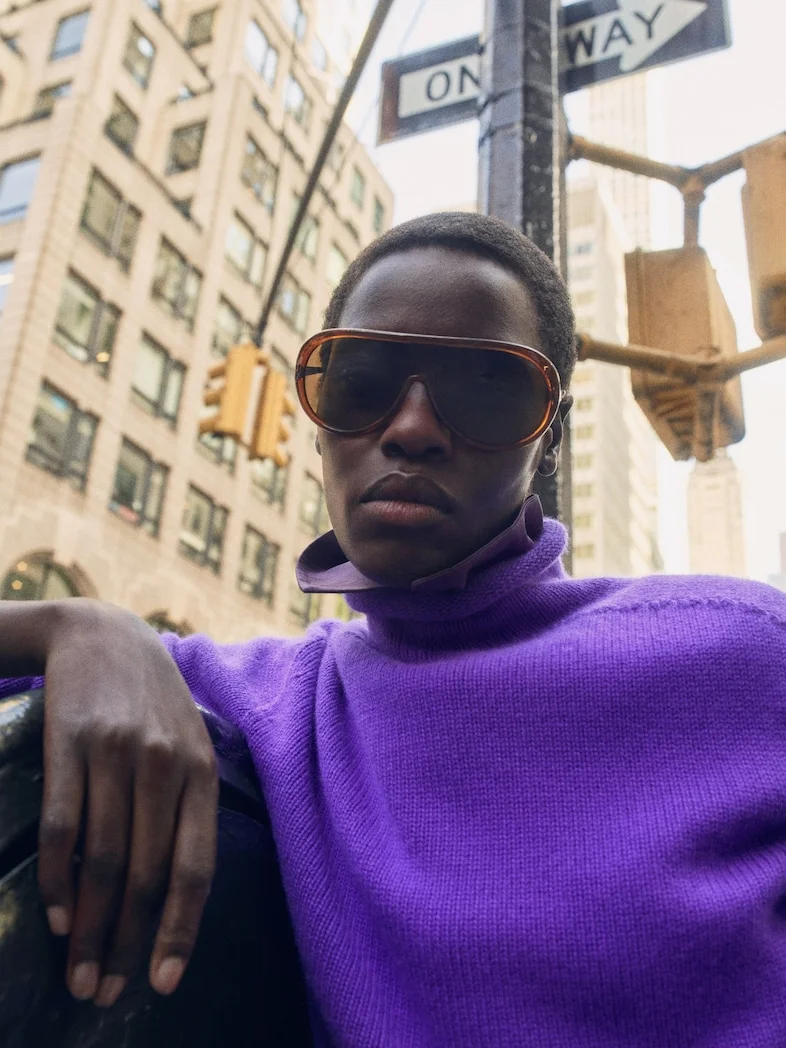
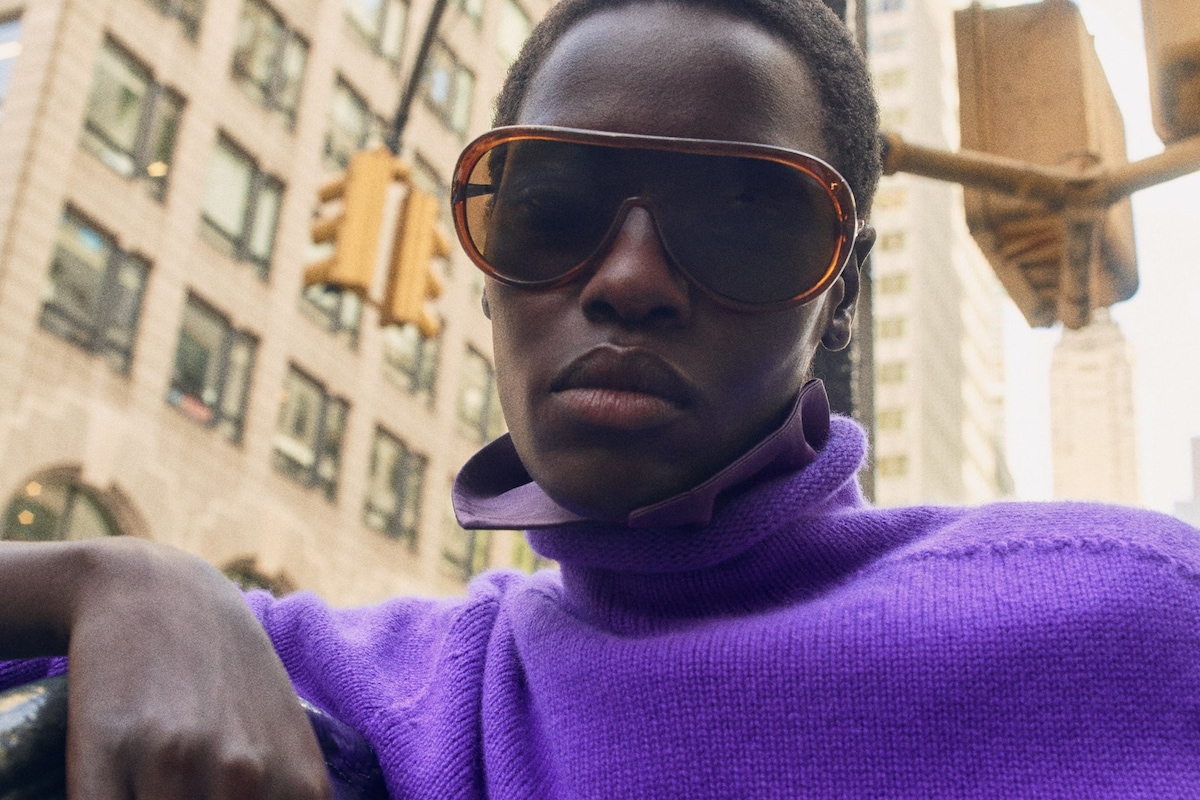
With declining temperatures prompting consumers to update their wardrobes for the colder months, brands are increasingly prioritizing high-performance outerwear and tactile luxury. London-based contemporary label COS has positioned itself at the forefront of this seasonal shift with the release of its Autumn/Winter 2026 (AW26) campaign. Captured in New York City by acclaimed fashion photographer Mark Kean, the collection emphasizes sharply tailored outerwear, reimagining timeless silhouettes through rich textures and refined structural design.
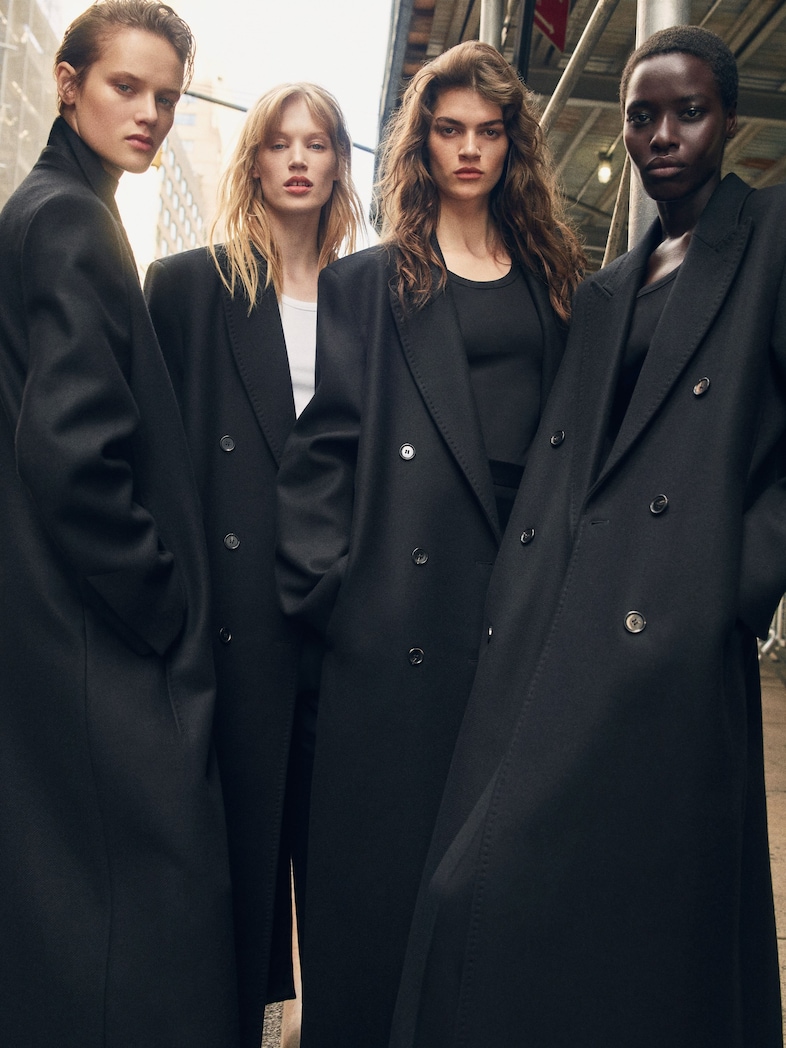
The campaign stars Dazed cover star Awar Odhiang, alongside a roster of established runway fixtures and recurring brand faces, including Jacqui Hooper, Leon Dame, and Malick Bodian. They are joined by an international ensemble of models comprising Noor Khan, Alaina Rae, Yun Seo Woo, Lucien Le Nevé, Jesse Rinderknecht, and Hoyong Kim. The overarching collection spans traditional categories including tailored blazers, transitional dresses, luxury leather jackets, fine merino wool knitwear, waxed trench coats, and crisp cotton shirting, reflecting a sustained market demand for versatile wardrobe foundations that bridge formal tailoring and practical utility.
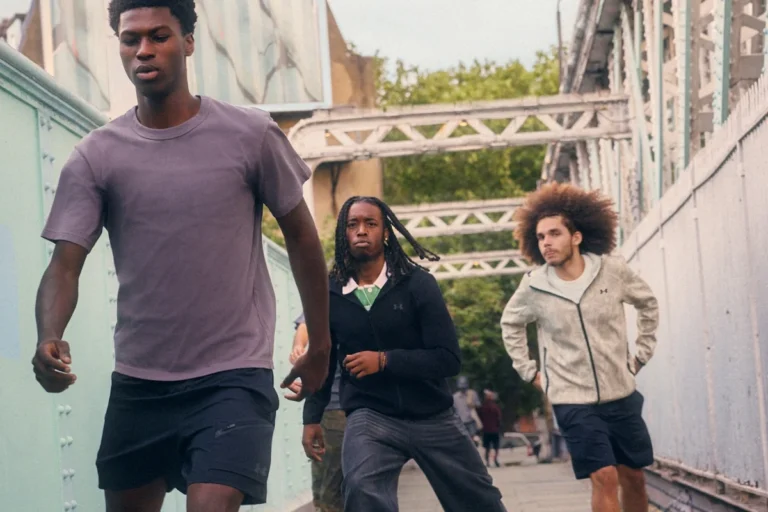
Concurrently, the activewear sector is addressing similar seasonal demands through technical innovation. Athletic apparel corporation Lululemon has expanded its technical outerwear portfolio with a newly engineered collection that integrates high-performance weather protection with adaptable design principles. Fronted by brand ambassador and Formula 1 driver Lewis Hamilton—whose high-profile crossover into fashion continues to influence mainstream menswear—the campaign features a multi-disciplinary roster of athletes and cultural figures, including Chris Lee, Ayan Broomfield, Mark Tortell, and Shota Yamaguchi. The collection highlights the ongoing convergence of athletic functionality and urban lifestyle dressing, a segment that market analysts note has experienced consistent compound annual growth as consumers increasingly prioritize ergonomic comfort and durability in everyday apparel.
Retail Transformations and Heritage Exhibitions in Milan and Paris
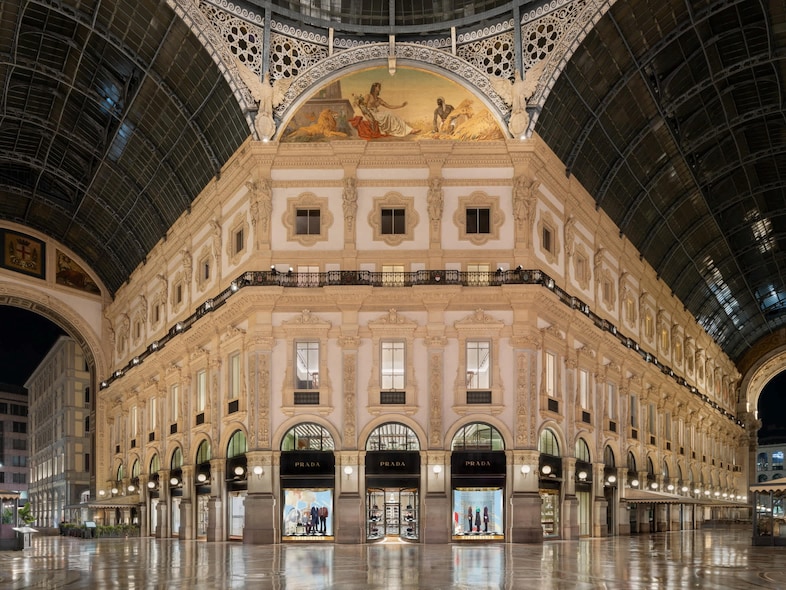
Beyond seasonal apparel lines, the luxury retail sector has witnessed significant structural developments through flagship transformations and cultural real estate investments. In Milan, the Prada Group has officially opened the Prada Galleria, a multi-story retail, cultural, and hospitality destination located at the historic site of Fratelli Prada’s original boutique, founded in 1913. Spanning eight floors, the comprehensive space synthesizes commerce with the brand’s institutional history, art programming, and brand heritage. Crucially, the location houses the Pradasphere, the brand’s first permanent exhibition space dedicated exclusively to archiving and displaying its historical evolution, design milestones, and cultural contributions. Industry analysts view the permanent exhibition model as a growing trend among heritage luxury houses seeking to deepen consumer engagement through experiential retail and historical curation.
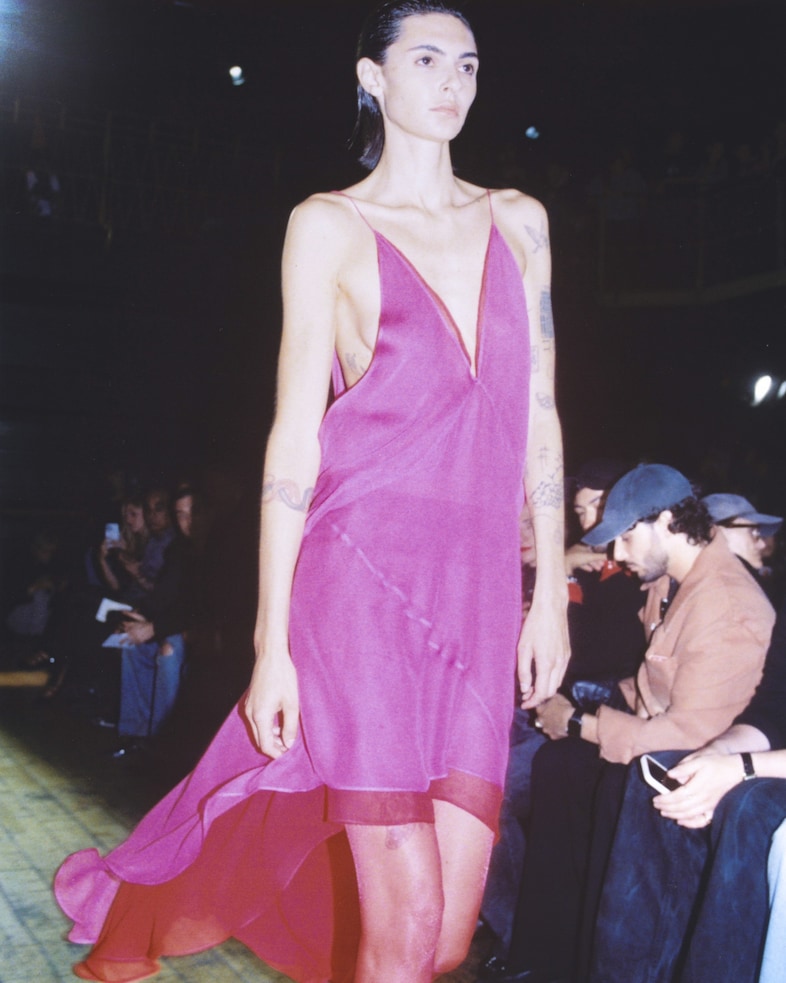
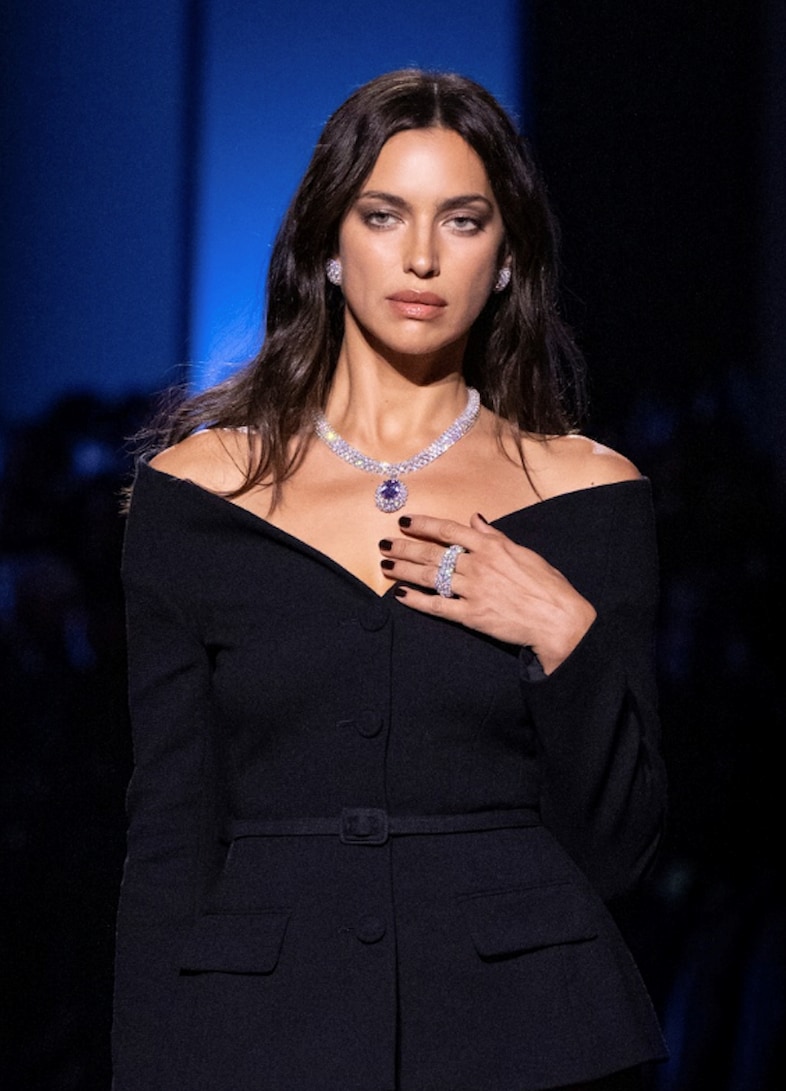
Meanwhile, in Paris, the traditional geography of fashion week venue selection experienced a notable diversification. High-jewelry maison Messika hosted an independent runway presentation at the historic Grand Palais, a venue traditionally dominated by major French heritage houses such as Chanel during Paris Fashion Week. Featuring a high-profile runway lineup including Irina Shayk and Adriana Lima, alongside a front-row guest list featuring Julianne Moore, Carla Bruni, Brooklyn Beckham, and Nicola Peltz, the presentation underscored the growing ambition of fine jewelry houses to adopt traditional ready-to-wear runway formats to showcase high-value collections.
Collaborative Photography Projects and Anniversary Campaigns
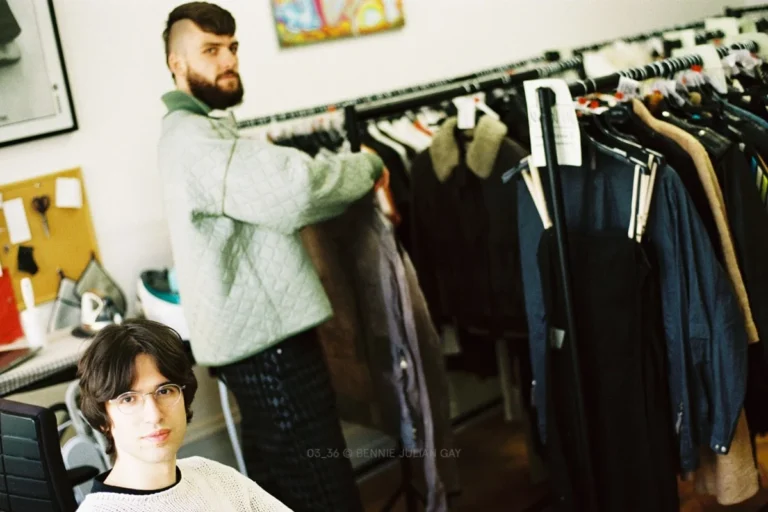
Brand storytelling strategies over the past week have increasingly leaned toward collaborative artistic direction and milestone retrospectives. London-based designer Aaron Esh introduced a multidisciplinary art and fashion project titled Seen By, designed to interpret his namesake brand through nine distinct photographic perspectives. Inviting nine emerging photographers—Alex James, Saul Rapley, Carina Kehlet Schou, Toby Marshall, Charlie Tallott, Bruno Mosso, Camille Ducol, and Rei Delos-Reyes—to document his SS27 presentation during London Fashion Week, the project offers an unvarnished, multi-lens exploration of contemporary independent design.
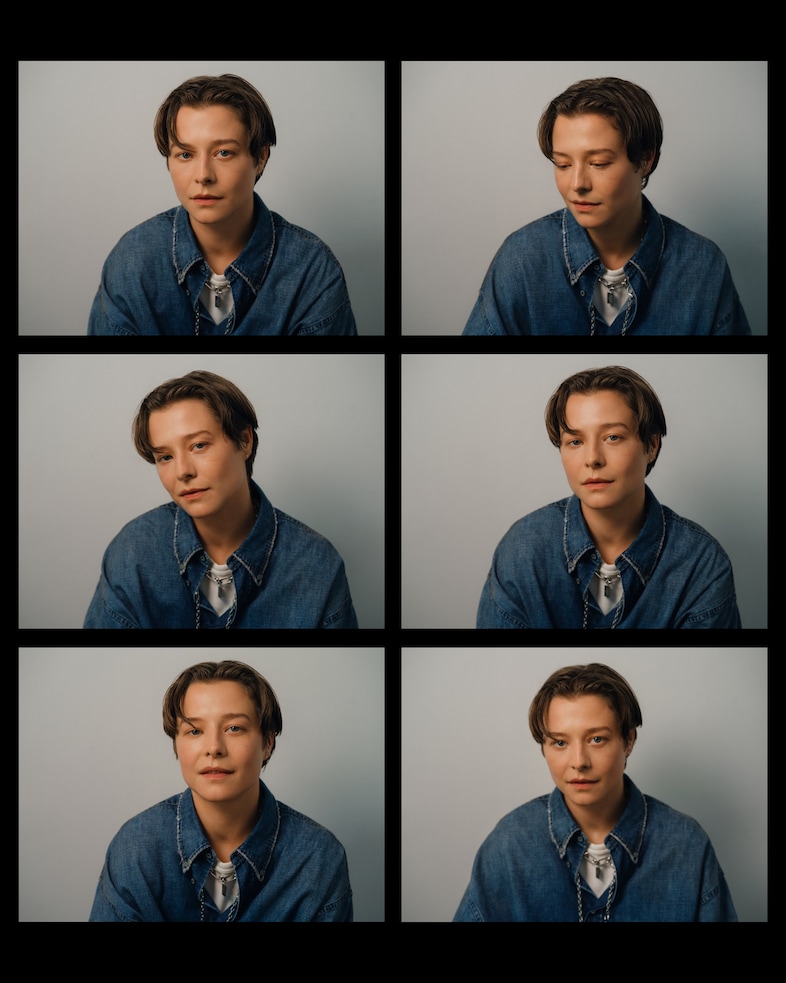
Similarly, Acne Studios continued to roll out its expansive 30th-anniversary campaign framework by enlisting actor Emma D’Arcy, known for their role in HBO’s House of the Dragon. Photographed by renowned artist Nan Goldin, D’Arcy serves as the final cast member added to the landmark anniversary lineup, accompanied by a narrative-driven video campaign. The collaboration aligns with Acne Studios’ long-standing strategy of merging avant-garde artistic photography with contemporary celebrity culture to reinforce its brand ethos.
Luxury Travel and Horology Innovations
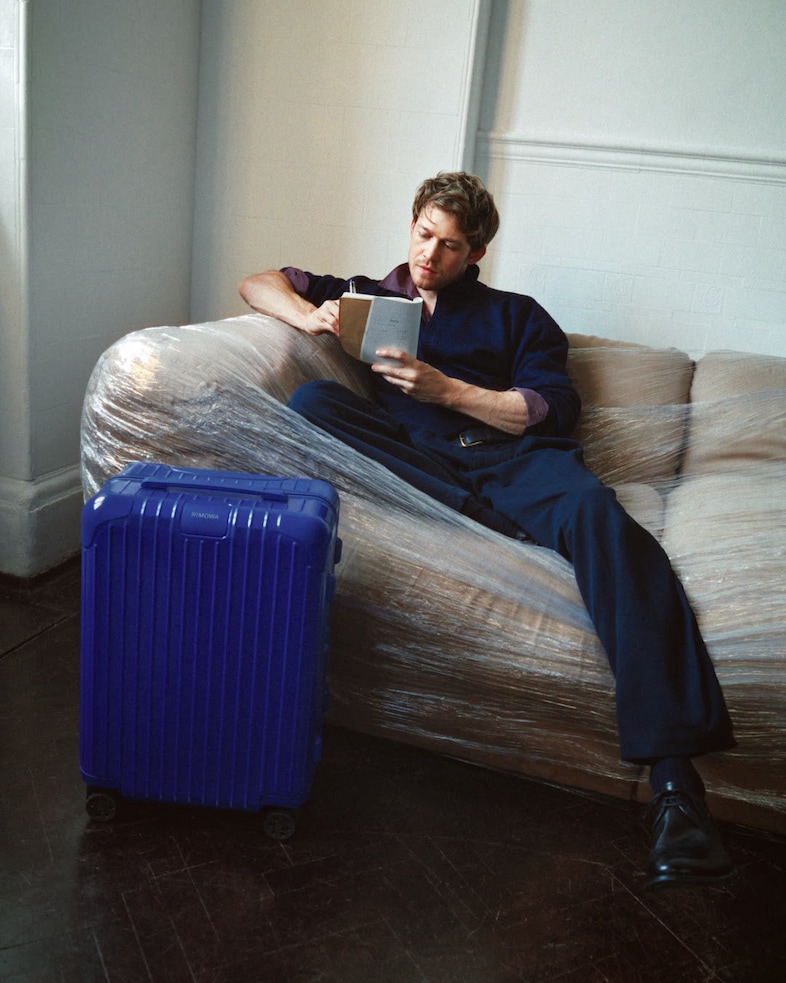
The intersection of luxury travel accessories and high-end watchmaking has also yielded notable market entries. Luxury luggage manufacturer Rimowa unveiled its latest campaign featuring English actor Joe Alwyn, timed to the commercial launch of two new seasonal colorways: umber and ultramarine. According to the brand, the palette draws direct inspiration from natural pigments and their historical applications in fine arts, reflecting a broader design trajectory within luggage manufacturing toward earthy, archival-inspired tones.
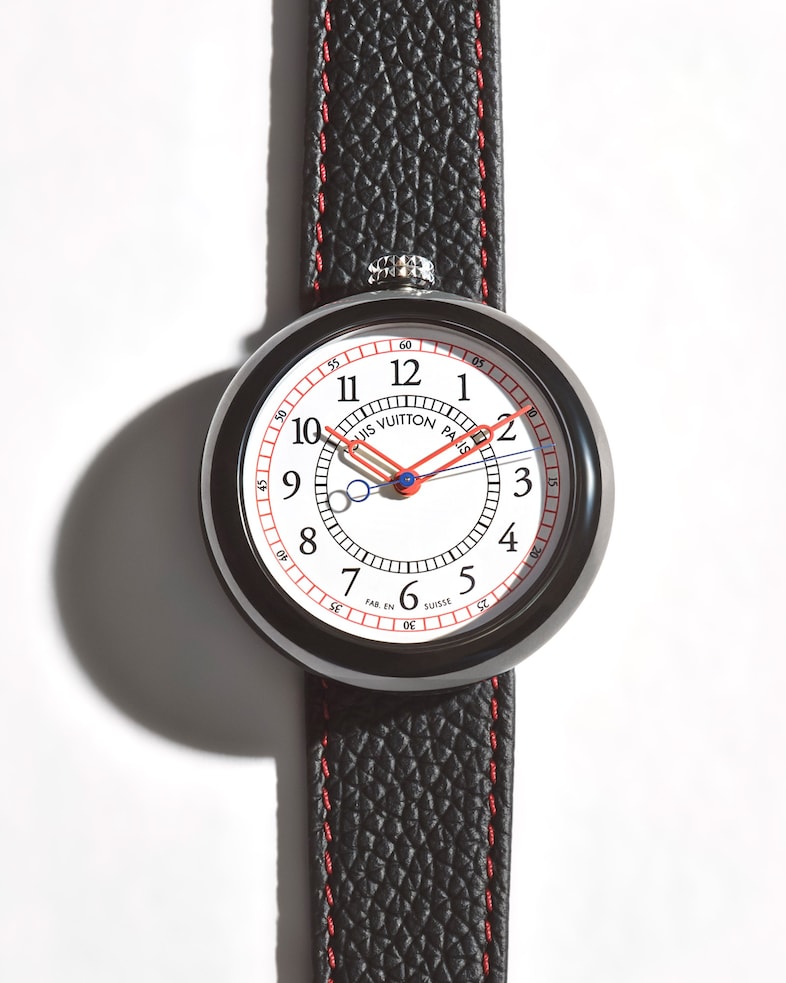
In the luxury watchmaking sector, Louis Vuitton expanded its horological offerings with the introduction of two new models of the LV Monterey ceramic watch. Drawing aesthetic and mechanical inspiration from a rare archive pair of Louis Vuitton II timepieces discovered from 1988, the contemporary iterations are constructed from high-durability ceramic in vivid green and glossy black finishes. The release highlights the continued commercial viability of heritage-inspired archival revivals within the modern luxury accessories market.
Broader Implications for the Global Fashion Market
The concurrent unfolding of these campaigns, retail launches, and structural expansions points to a resilient global luxury market that is simultaneously focused on retrospective storytelling and functional innovation. As brands navigate shifting macroeconomic conditions and evolving consumer expectations, investments in permanent cultural spaces—such as the Prada Galleria—and multi-perspective artistic collaborations demonstrate an industry-wide effort to transcend traditional transactional retail models.
Furthermore, the simultaneous push into high-performance winter outerwear by both contemporary labels like COS and technical giants like Lululemon underscores a shared industry focus on climate-responsive utility. As the fashion calendar transitions from the spring-summer presentation cycle to autumn-winter retail delivery, the success of these diverse initiatives will depend heavily on consumer appetite for narrative-driven luxury, artisanal craftsmanship, and versatile, weather-resistant design.