










The cultivation of personal character and social competence remains a hallmark of professional and interpersonal success. While the modern world often prioritizes speed and efficiency, the timeless principles of etiquette serve as a stabilizing force in social dynamics. Research in social psychology suggests that individuals who exhibit consistent, prosocial behaviors—often characterized as etiquette—are perceived as more trustworthy, competent, and influential in both personal and professional environments. The following analysis outlines twenty foundational habits that distinguish a man of character, grounded in the historical evolution of social grace and contemporary standards of professional conduct.

The Foundations of Preparedness and Physical Presence
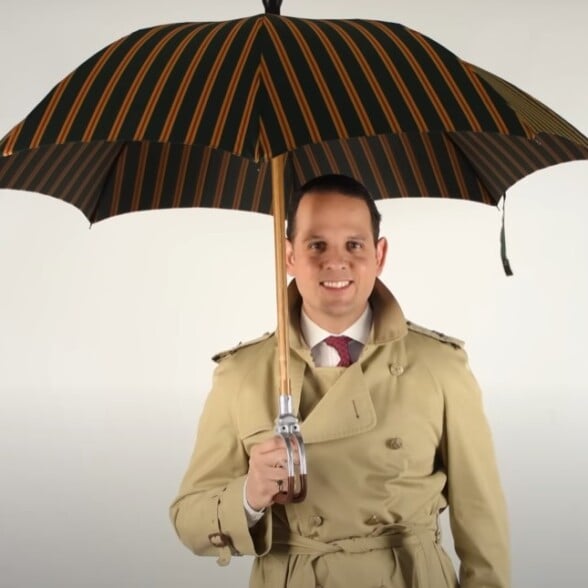
A primary indicator of a person’s reliability is their level of preparedness. Carrying a high-quality, full-sized umbrella, for example, transcends the simple act of avoiding rain. Historically, the umbrella was an accessory of the refined, symbolizing one’s ability to plan for the unexpected. In a contemporary context, it reflects an orientation toward service. A gentleman carries an umbrella not merely for his own preservation, but to offer protection to a companion, a gesture that mitigates the discomfort of others. Data from social etiquette surveys indicate that individuals who prioritize the comfort of their peers are statistically more likely to maintain long-term professional partnerships.
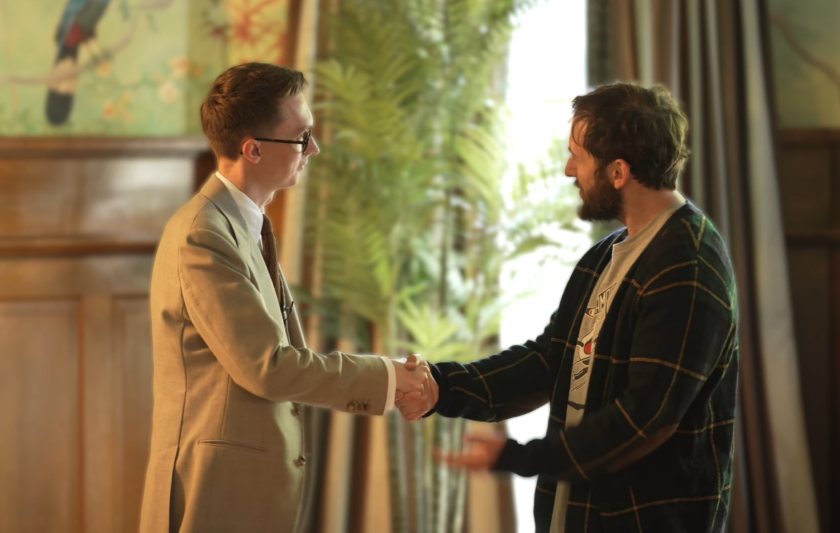
Physical presence also plays a critical role in non-verbal communication. Standing to greet an acquaintance or a business partner is a non-negotiable standard of respect. This act serves as a physical manifestation of equality; by rising, an individual signals that the newcomer is worthy of full attention. In formal settings, the failure to rise can be interpreted as an expression of indifference or superiority, both of which are detrimental to relationship building. Similarly, matching one’s pace to that of a companion—whether an elderly person, a colleague, or a friend—demonstrates an awareness of social harmony, reinforcing that the interaction is a shared experience rather than an individual endeavor.

Professional Conduct and Social Dynamics
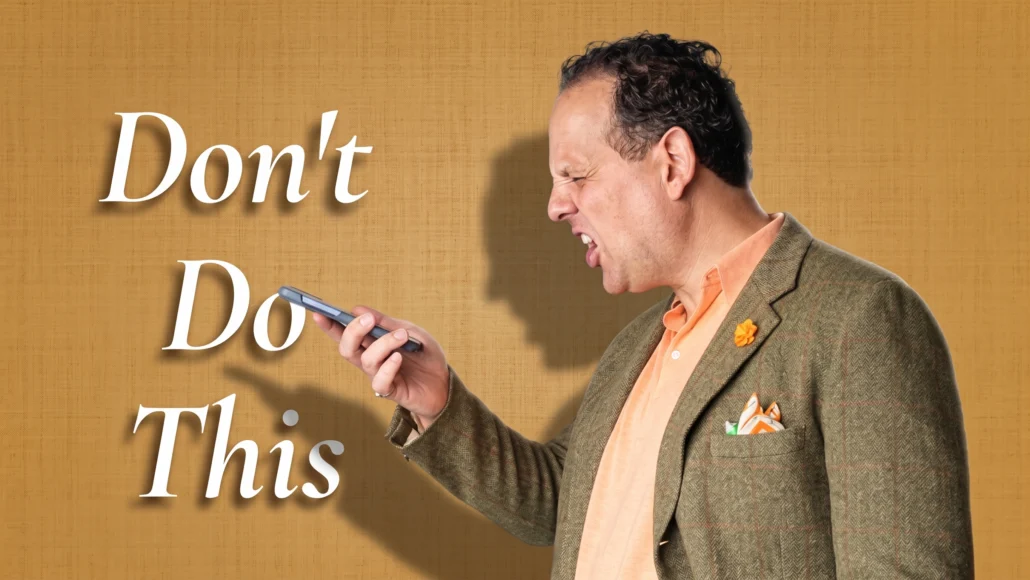
Effective communication is the lifeblood of social success. Maintaining a moderate, controlled volume in public settings is an essential discipline. A study on public behavior in urban centers reveals that individuals who practice "social restraint"—keeping conversations private in shared spaces like elevators or public transit—are viewed as more credible and less abrasive by their peers. This is not a call for timid behavior, but for an awareness of the environment. The capacity to be animated and engaging without dominating the auditory space of a room is a key trait of effective leadership.

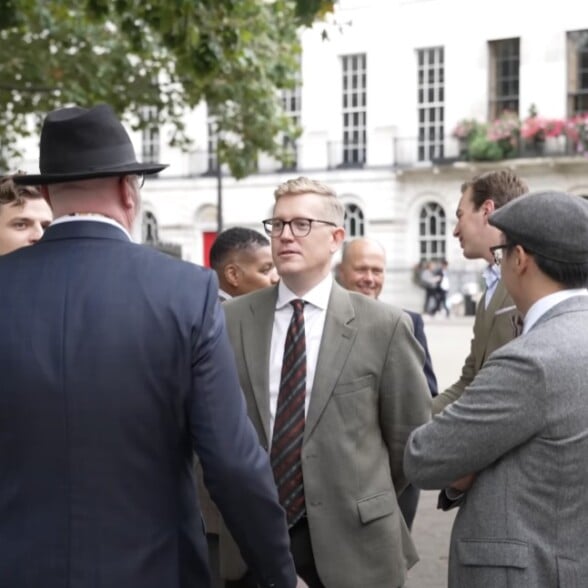
When navigating group conversations, the gentleman acts as a facilitator. By actively involving quieter members of the group through targeted questions or contextual introductions, he bridges social gaps. The act of introducing two parties is not merely about exchanging names; it is about providing the "connective tissue" of a conversation—such as shared professional interests or mutual acquaintances—which provides the necessary foundation for a meaningful dialogue. This practice is supported by organizational psychology, which identifies "bridge-builders" as those most capable of fostering collaboration in diverse team settings.
The Nuances of Hospitality and Reciprocity
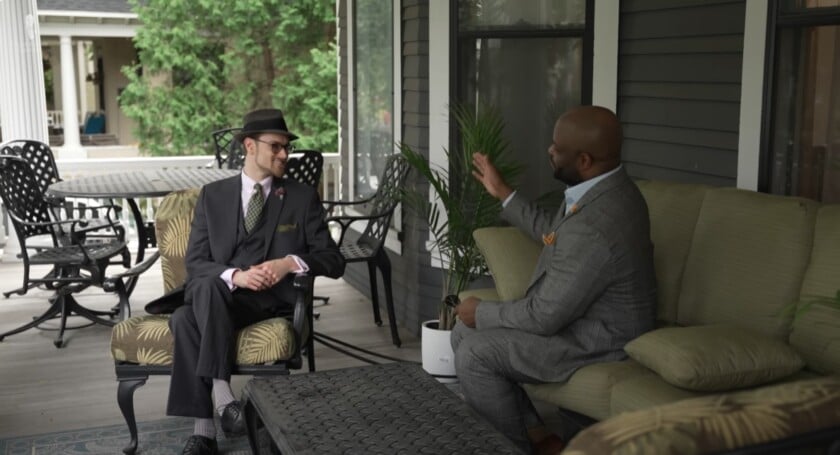
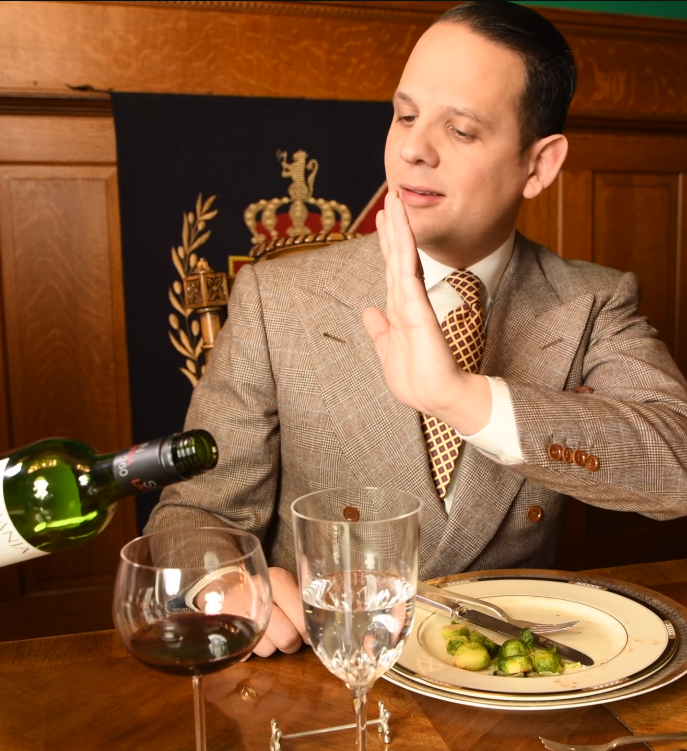
Hospitality functions as a litmus test for character. Whether hosting a dinner or dining out, ensuring the comfort of others before attending to one’s own is a practice rooted in the concept of servant leadership. This extends to the management of shared experiences, such as the "wine ritual." Contrary to common misconceptions, the ritual of tasting wine at a table is not an invitation to judge personal preference, but a brief technical verification to ensure the bottle is not spoiled. By keeping this process efficient and unobtrusive, a host demonstrates a mastery of social formalities that minimizes friction.
Financial etiquette, particularly regarding the settlement of bills, remains a point of significant social complexity. The convention of the inviter covering the costs of a meal serves as a silent gesture of gratitude for the guest’s time. When executed with discretion—perhaps by coordinating with staff prior to the meal—it removes the transactional nature of the interaction, allowing the focus to remain on the relationship. The goal is to provide a seamless experience, a hallmark of high-level hospitality that effectively builds rapport and trust.
The Role of Recognition and Gratitude
In the professional sphere, the distribution of credit is a vital component of integrity. A man of distinction is characterized by his willingness to share the spotlight. Research into organizational culture consistently shows that leaders who attribute success to their team are more likely to command loyalty and high performance. Conversely, those who hoard credit often find their influence eroded over time.

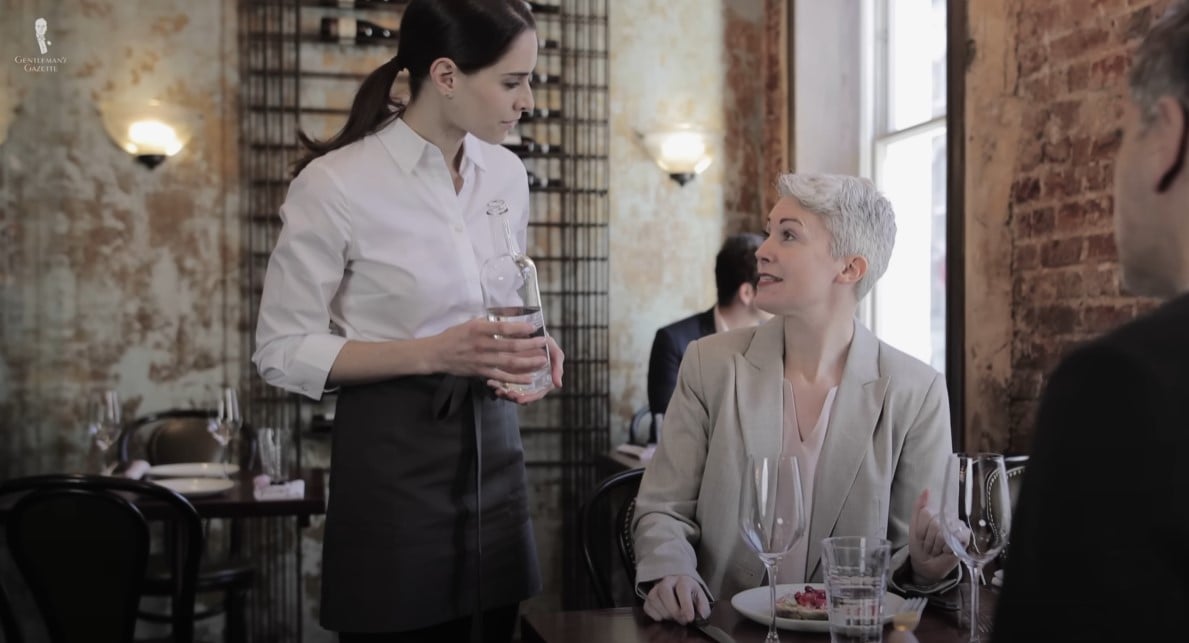
Complementing this, the practice of offering genuine praise to service staff—not just for the sake of politeness, but by providing specific feedback to management—has a measurable impact on workplace morale. Industry reports from the hospitality sector confirm that staff who receive specific, constructive recognition are significantly more likely to maintain high standards of service.
Finally, the resurgence of the handwritten thank-you note in an era of digital saturation highlights the value of tangible effort. A handwritten note is a deliberate investment of time and energy, signaling to the recipient that the relationship is of unique value. In a world of instantaneous, ephemeral communication, the physical artifact of a thank-you note provides a lasting impression that cannot be replicated by digital means.

Implications and Broader Social Impact
The cumulative effect of these habits extends far beyond the individual. They contribute to a culture of mutual respect and social stability. When individuals commit to these standards, they create a "social safety net" where interactions are predictable, polite, and mutually beneficial.

The broader implications of these habits are particularly evident in the professional world, where the "soft skills" of etiquette—often dismissed as archaic—are increasingly recognized as essential for conflict resolution and negotiation. According to human resources experts, candidates who demonstrate an understanding of these fundamentals are consistently rated higher in "cultural fit" assessments.
The mastery of etiquette is not about rigid adherence to outdated rules; it is about the consistent application of empathy. Whether it is rising for a guest, offering a seat, or simply knowing when to listen rather than dispense advice, these actions are driven by a singular, core principle: the active, intentional consideration of how one’s presence affects others. As society continues to evolve, these behaviors remain the most effective tools for maintaining dignity, fostering genuine connections, and ensuring that social environments remain civil and productive.
Ultimately, the habits of a gentleman are the habits of a person who understands that true influence is not gained through force or volume, but through the quiet, consistent application of grace and consideration. By mastering these details, one does not merely "look the part"; one embodies the character required to navigate the complexities of modern life with integrity and composure.