






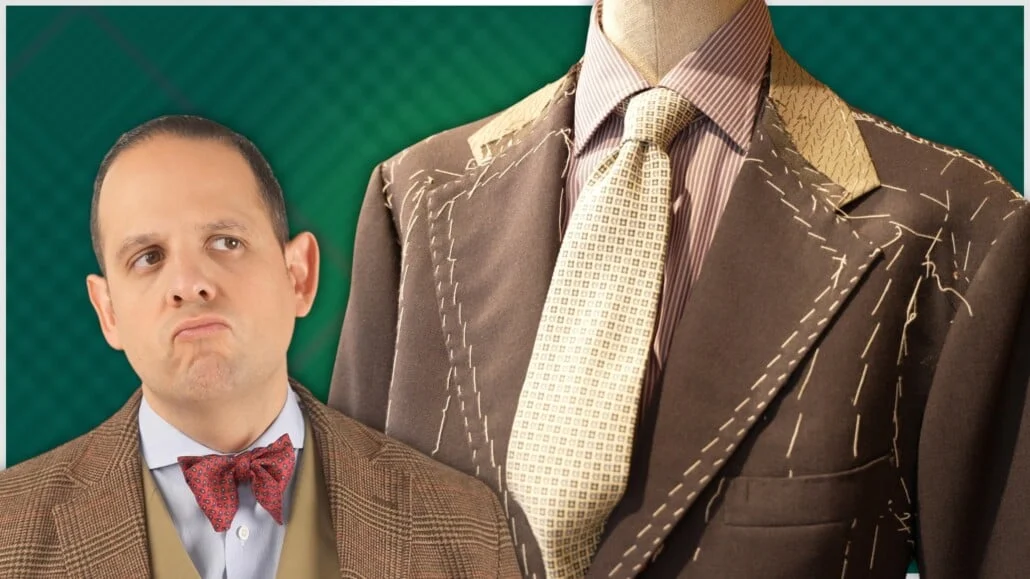
Neapolitan tailoring, celebrated worldwide for its unparalleled softness, inherent lightness, and effortless elegance, represents a pinnacle of sartorial artistry. Understanding what imbues a jacket or a pair of trousers with that unmistakable Neapolitan character requires a deep dive into its intricate details, a journey recently undertaken by menswear expert Raphael during his visit to Naples. This second installment from his insightful expedition captures direct perspectives from the city’s most revered sartorie, providing an unparalleled look into the defining hallmarks of this unique style. The full discussion, meticulously documented, offers a rare opportunity to observe these nuances firsthand and comprehend the craft directly from the masters who perpetuate it.
The Essence of Neapolitan Craftsmanship: Beyond Terminology
The true essence of Neapolitan tailoring transcends mere terminology; it is an experience rooted in visual and tactile sensations. Key qualities such as the distinct softness of the shoulder, the barely-there lightness of the canvas, the graceful roll of the lapel, the generous openness of the front quarters, and the fluid way a jacket adapts to the wearer’s movements are difficult to convey through words alone. These attributes coalesce to create a garment that is not merely worn but lived in, embodying a philosophy where comfort and freedom of movement are paramount.
Experienced tailors, through their decades of dedication, illuminate the features that collectively define Neapolitan jackets and trousers. They articulate the delicate balance between subtle structure and inherent softness, the functional advantages of high armholes, the critical role of light internal construction, and the nuanced distinctions that differentiate one sartoria‘s house style from another. This detailed exposition serves as an invaluable resource for anyone familiar with terms like spalla camicia or barchetta but seeking a deeper understanding of their manifestation in a finished, wearable garment. The discussion underscores that while many Neapolitan jackets are indeed lightly constructed, the precise degree of structure is a variable dependent on the individual tailoring house, the specific garment type, and the unique preferences of the customer, always with the overarching goal of achieving softness and ease rather than a complete absence of shaping.
Historical Roots and Evolution: A Climate of Innovation
The Neapolitan tailoring tradition, deeply embedded in the cultural fabric of Naples, Italy, began to forge its distinct identity in the late 19th and early 20th centuries. Diverging from the more rigid and formal styles prevalent in London’s Savile Row, Neapolitan tailors adapted their craft to the unique demands of their Mediterranean climate and lifestyle. The warm, often humid weather of Southern Italy necessitated garments that were breathable, lightweight, and allowed for greater ease of movement, contrasting sharply with the heavier, more structured attire suited for cooler, more formal European capitals.
This environmental impetus spurred innovation. Tailors in Naples began to strip away much of the padding and heavy interlining common in British tailoring, favoring a construction that was as light as possible without sacrificing elegance or drape. Figures like Vincenzo Attolini, often credited with pioneering many of the defining characteristics of modern Neapolitan tailoring in the 1930s, played a pivotal role in shaping this aesthetic. His vision was to create suits that were not merely garments but extensions of the wearer, offering unprecedented comfort and a relaxed yet impeccably refined silhouette. This historical trajectory illustrates a chronological evolution from a necessity-driven adaptation to a globally recognized art form, cementing Naples’ status as a crucible of sartorial innovation.
Signature Elements: A Deeper Look into the Neapolitan Style
At the heart of Neapolitan tailoring lies a collection of signature elements, each contributing to its unique character.
- The Neapolitan Shoulder (Spalla Camicia): Perhaps the most iconic feature, spalla camicia, or "shirt shoulder," denotes a shoulder construction inspired by the way a shirt sleeve is attached. This technique involves attaching the sleeve to the armhole with a slight excess of fabric, creating characteristic ripples or puckering at the sleeve head. This absence of padding and minimal structure results in a natural, soft drape that follows the wearer’s shoulder line, contributing significantly to the relaxed, lightweight appearance. Other variations include the mappina (a softer, less pronounced puckering) and con rollino (a slightly raised, roped shoulder without padding, offering a more formal yet still soft aesthetic).
- High Armholes: A seemingly minor detail, high armholes are crucial for comfort and mobility. By positioning the armhole higher, the jacket’s body remains undisturbed when the wearer moves their arms, preventing the entire garment from lifting. This close fit around the armpit, combined with a soft shoulder, ensures the jacket stays in place while allowing for unrestricted movement.
- Light Internal Construction: The Neapolitan jacket is typically characterized by a minimal canvas and little to no padding in the shoulders or chest. This light internal construction is fundamental to its comfort and relaxed feel. It allows the fabric to drape naturally over the body, adapting to its contours rather than imposing a rigid shape. This contrasts sharply with more traditional, heavily structured jackets that rely on multiple layers of canvas and padding to create a defined silhouette.
- The Barchetta Breast Pocket: Meaning "little boat," the barchetta pocket is a gently curved breast pocket that echoes the elegant lines of a small boat. This subtle detail adds a touch of artisanal flair and is a common visual cue of Neapolitan craftsmanship. It is a testament to the tailors’ attention to aesthetic harmony and organic shapes.
- Open Front Quarters: Neapolitan jackets often feature "open quarters," meaning the front edges of the jacket below the waist are cut away more generously. This design choice contributes to the jacket’s relaxed character and allows for greater ease of movement, particularly when sitting.
- The Three-Roll-Two (Tre Bottoni Stirato a Due) Jacket: A classic Neapolitan detail, the three-roll-two jacket has three buttons, but the lapel is pressed to roll over the top button, creating the appearance and function of a two-button jacket. This technique results in a soft, elegant lapel roll that is both visually appealing and indicative of a bespoke hand.
- Patch Pockets: While not exclusive to Neapolitan tailoring, patch pockets are frequently seen on Neapolitan sport coats and even some suits, particularly those designed for a more relaxed context. They reinforce the informal, easygoing character of the garment and complement the softer construction beautifully.
The Philosophy of Comfort and Movement
Comfort is undeniably central to the Neapolitan approach to tailoring. The jacket’s design is intrinsically linked to the human form, shaped to move synergistically with the body rather than constricting it. The light internal construction, as previously noted, plays a pivotal role in this. High armholes, combined with a close neck fit and a soft shoulder, are engineered to ensure the jacket remains gracefully in place even during dynamic movement, granting the wearer unparalleled freedom. This design philosophy is deeply practical, rooted in the desire for clothing that is not only elegant but also eminently wearable throughout the day, particularly in Naples’ warm climate. The result is a garment that feels like a second skin, allowing for natural posture and expression without the stiffness often associated with traditional formalwear.
Beyond the Jacket: Neapolitan Trousers and Accessories
While the jacket often takes center stage, Neapolitan trousers are equally distinctive and adhere to the same principles of comfort and elegance. While variations exist, classic Neapolitan trousers often feature a higher rise, which offers a longer, more flattering leg line and greater comfort around the waist. Pleats are a common sight, providing additional comfort and drape, especially when seated. Side adjusters or suspender buttons are preferred over belt loops for a cleaner waistband and a more bespoke feel. The leg is typically gently tapered, creating a clean silhouette that avoids excessive narrowness or bagginess. The exact cut, much like the jacket, is highly individualized, depending on the tailor’s house style, the wearer’s physique, and the desired level of formality.
Neapolitan tailoring also extends to accessories, where the emphasis remains on understated quality and natural elegance. Hand-rolled pocket squares, luxurious ties with subtle patterns, and finely crafted shirts complement the softness of the tailoring without overpowering it. The overall aesthetic is one of cohesive, unforced sophistication.
The Global Influence and Enduring Legacy
Neapolitan tailoring has transcended its regional origins to become a global benchmark for sartorial excellence. Its unique blend of comfort, lightness, and elegance has captivated menswear enthusiasts and designers worldwide. The "Neapolitan cut" is now widely recognized and emulated by international brands and bespoke tailors alike, influencing trends towards softer, more relaxed formalwear. This pervasive influence is not merely a fleeting fashion trend but a testament to the enduring appeal of a style that prioritizes the wearer’s comfort and natural grace.
The implications of this global reach are significant. Neapolitan tailoring has broadened the definition of what constitutes formal attire, demonstrating that elegance does not necessitate rigidity. It has inspired a generation to embrace bespoke and made-to-measure clothing that truly fits and feels good, moving away from mass-produced, ill-fitting garments. This shift reflects a growing appreciation for craftsmanship, quality, and individuality in an increasingly uniform world.
Preserving a Sartorial Tradition in the Modern Age
In an era dominated by fast fashion and automated production, the preservation of Neapolitan tailoring faces both challenges and opportunities. The meticulous handcraft required for a truly Neapolitan garment means that production is slow, labor-intensive, and inherently expensive. The transmission of skills from master tailor to apprentice is a critical, ongoing process that ensures the continuity of this artisanal heritage. Institutions and individual sartorie in Naples are dedicated to nurturing new talent, recognizing that the future of this tradition rests on the shoulders of the next generation.
Furthermore, the rise of digital platforms and global connectivity, paradoxically, aids in its preservation. Documentaries, online communities, and expert analyses like Raphael’s trip to Naples help to demystify the craft and bring its beauty to a wider, appreciative audience. This global visibility not only generates demand but also fosters a deeper understanding and respect for the artistry involved, encouraging consumers to invest in quality and timeless elegance. The ongoing dialogue between tradition and modernity is vital, allowing Neapolitan tailoring to adapt subtly while retaining its core identity, ensuring its legacy continues to inspire for generations to come.
In conclusion, Neapolitan tailoring is far more than a style; it is a philosophy, a historical lineage, and a living art form. Its defining characteristics—softness, lightness, and comfort—are not mere design choices but reflections of a deeply ingrained cultural approach to life and clothing. Raphael’s detailed exploration, enriched by the insights of Naples’ leading tailors, provides an invaluable window into this sartorial world, reaffirming its unique position as a beacon of understated elegance and impeccable craftsmanship in the global landscape of menswear.