
Founded in 1828 by Pierre-François-Pascal Guerlain, the House of Guerlain stands as one of the oldest and most influential perfume and cosmetics institutions in the world. From its humble origins as a perfumery on the Rue de Rivoli in Paris to its current position as a crown jewel within the LVMH Moët Hennessy Louis Vuitton conglomerate, the brand has maintained a consistent trajectory of marrying artisanal tradition with scientific advancement. With nearly 200 years of operation, the brand serves as a definitive case study in how heritage luxury houses can adapt to modern consumer expectations without diluting their historical identity.

The evolution of Guerlain is marked by several pivotal milestones. In 1840, the house began its expansion into the global luxury market, eventually becoming the official supplier to the royal courts of Europe, including Queen Victoria of the United Kingdom and Empress Elisabeth of Austria. This era established the brand’s reputation for exclusivity and craftsmanship. By the early 20th century, the brand had successfully pivoted from pure fragrance to comprehensive beauty, introducing groundbreaking products such as the Météorites powder in 1987, which revolutionized the concept of color-correcting makeup by utilizing multi-colored spheres to achieve an ethereal, light-diffusing effect.
The Modern Strategy: Balancing Heritage and Innovation
In recent years, the company has implemented a dual-pronged strategy: reinterpreting historical masterpieces while aggressively pursuing sustainability and technological integration. This is perhaps best exemplified by the revitalization of the Abeille Royale skincare line. By leveraging the healing properties of bee-derived ingredients—specifically those sourced from protected ecosystems like the island of Ouessant—Guerlain has aligned its product portfolio with the modern consumer’s demand for both efficacy and environmental stewardship. The brand’s reliance on advanced fermentation processes, where microorganisms are used to enhance the potency of honey-based extracts, demonstrates a shift toward bio-technological innovation.

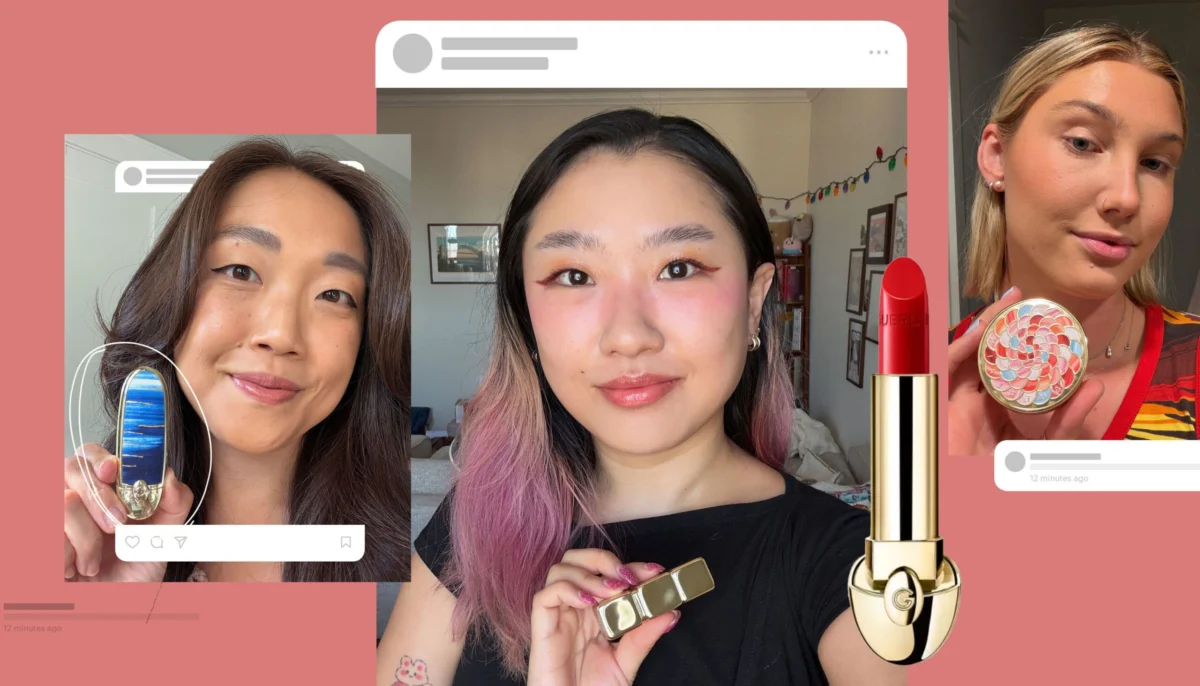
This transition is further reflected in the company’s structural packaging updates. The transition of the Rouge G lipstick and the Météorites powder into refillable formats represents a significant capital investment in circular economy principles. According to recent industry reports on luxury beauty, refillable packaging is no longer merely a niche preference but a key driver for brand loyalty among younger, environmentally conscious demographics. Guerlain’s decision to re-engineer these iconic products highlights an institutional commitment to reducing waste without compromising the "jewelry-like" aesthetic that has historically defined the brand’s consumer appeal.
Iconic Fragrance and the Art of Scent Evolution
The fragrance division remains the core of the house’s DNA, yet it faces the unique challenge of maintaining relevance in an era of rapid olfactory trends. The brand’s approach to its classic scents, such as L’Heure Bleue—first created in 1912—is not to replace them, but to offer contemporary reinterpretations that respect the original composition while utilizing modern raw materials.

The L’Art & La Matière collection serves as the pinnacle of this approach. By focusing on high concentrations—often reaching 30% fragrance extract compared to the 10-20% found in standard eau de parfums—Guerlain caters to a sophisticated market segment that prioritizes longevity and depth. The Vanille Planifolia Extrait 21, for instance, utilizes a 21-day cold-soaking process for vanilla pods, a labor-intensive technique that underscores the brand’s commitment to artisanal quality. This focus on "slow beauty" contrasts sharply with the fast-paced nature of modern cosmetic releases, providing the brand with a distinct competitive advantage in the high-end segment.
Product Analysis: Performance and Market Positioning
The current product lineup at Guerlain showcases a calculated integration of aesthetic design and dermatological performance. The following items represent the brand’s current market leaders:

- Abeille Royale Double R Renew & Repair Advanced Serum: This dual-chamber delivery system utilizes both AHAs and PHAs for chemical exfoliation, paired with proprietary Blackbee Repair Technology. Market analysis suggests that multi-functional serums are increasingly favored by consumers looking to streamline their skincare routines, and Guerlain’s clinical approach to this demand has resulted in high retention rates.
- KissKiss Honey-Infused Lip Balm: By incorporating eosin—a pigment that reacts to the skin’s pH to create a custom color—the brand combines the functional benefits of a treatment balm with the aesthetic appeal of a cosmetic product. This product addresses the "hybrid beauty" trend, where consumers seek products that provide both immediate cosmetic results and long-term hydration benefits.
- Météorites Compact Mattifying & Setting Powder: While the original loose pearls remain a collector’s item, the compact version addresses the demand for portability. The use of silica and cornstarch for shine control, balanced with squalane to prevent dehydration, demonstrates an understanding of the diverse needs of modern skin types.
Institutional Commitment to Quality and Testing
A critical component of Guerlain’s longevity is its rigorous testing and development cycle. In an industry where "clean beauty" claims are often scrutinized, the house has invested heavily in transparency and safety documentation. The brand’s internal testing protocols involve a diverse panel of participants, accounting for varying skin tones, textures, and age demographics. This inclusive approach to product development is an institutional shift that reflects the broader industry move toward representative marketing and efficacy testing.
When queried about the brand’s enduring success, industry analysts often point to the "Guerlinade"—the house’s signature olfactory blend of bergamot, rose, jasmine, iris, vanilla, and tonka bean. This consistent olfactory thread allows for brand recognition that transcends individual product categories, acting as a "sensory logo" that ties the company’s perfume, makeup, and candle lines together.

Broader Economic and Environmental Implications
The luxury beauty sector is currently navigating significant inflationary pressures and supply chain volatility. Guerlain’s ability to maintain high price points for its premium offerings is bolstered by its vertical integration and historical prestige. However, the move toward refillable packaging also serves an economic purpose; it encourages long-term customer retention by making the consumer a repeat purchaser of inserts rather than a one-time purchaser of a full vessel.
Furthermore, the brand’s focus on the "blue hour" or the "bee" as recurring thematic elements in its marketing campaigns creates a narrative continuity that resonates with consumers seeking stability and elegance in an unpredictable market. As the brand approaches its bicentennial in 2028, the core challenge remains the same as it was in 1828: ensuring that the pursuit of innovation never eclipses the foundational craftsmanship that made the house a pillar of French luxury.

Future Outlook
As Guerlain continues to expand its digital footprint and direct-to-consumer capabilities, the integration of technology—such as personalized scent consultations and virtual try-on tools—will likely play a larger role in its business model. However, the company’s recent activities suggest that it will remain rooted in its physical heritage. The emphasis on high-quality ingredients, such as sustainably sourced honey and hand-processed botanicals, ensures that the brand remains insulated from the commoditization currently affecting lower-tier beauty brands.
In conclusion, Guerlain’s current trajectory indicates a brand that is effectively managing the transition from an 18th-century heritage house to a 21st-century global leader. By focusing on high-performance formulations, sustainable packaging, and the preservation of its olfactory signature, the house of Guerlain continues to define the standards of the luxury beauty market. Its ability to iterate on its own history, rather than merely repeating it, remains the hallmark of its enduring market position. The combination of historical reverence and scientific pragmatism ensures that the Guerlain name will likely continue to be synonymous with prestige for the foreseeable future.