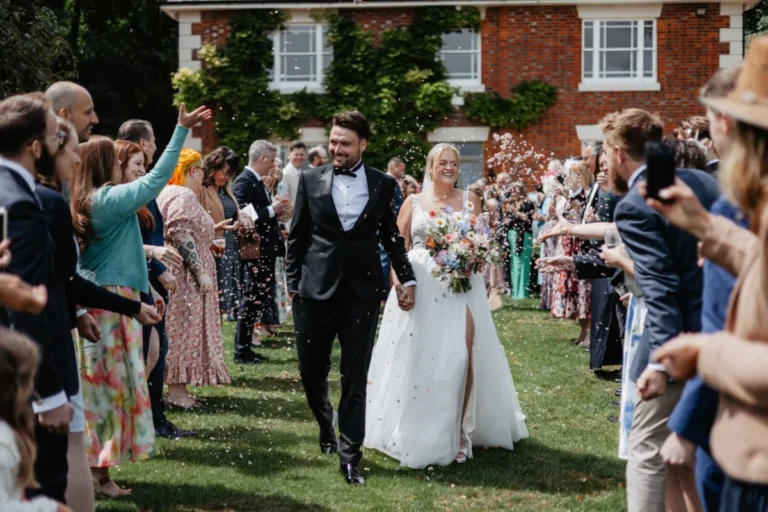









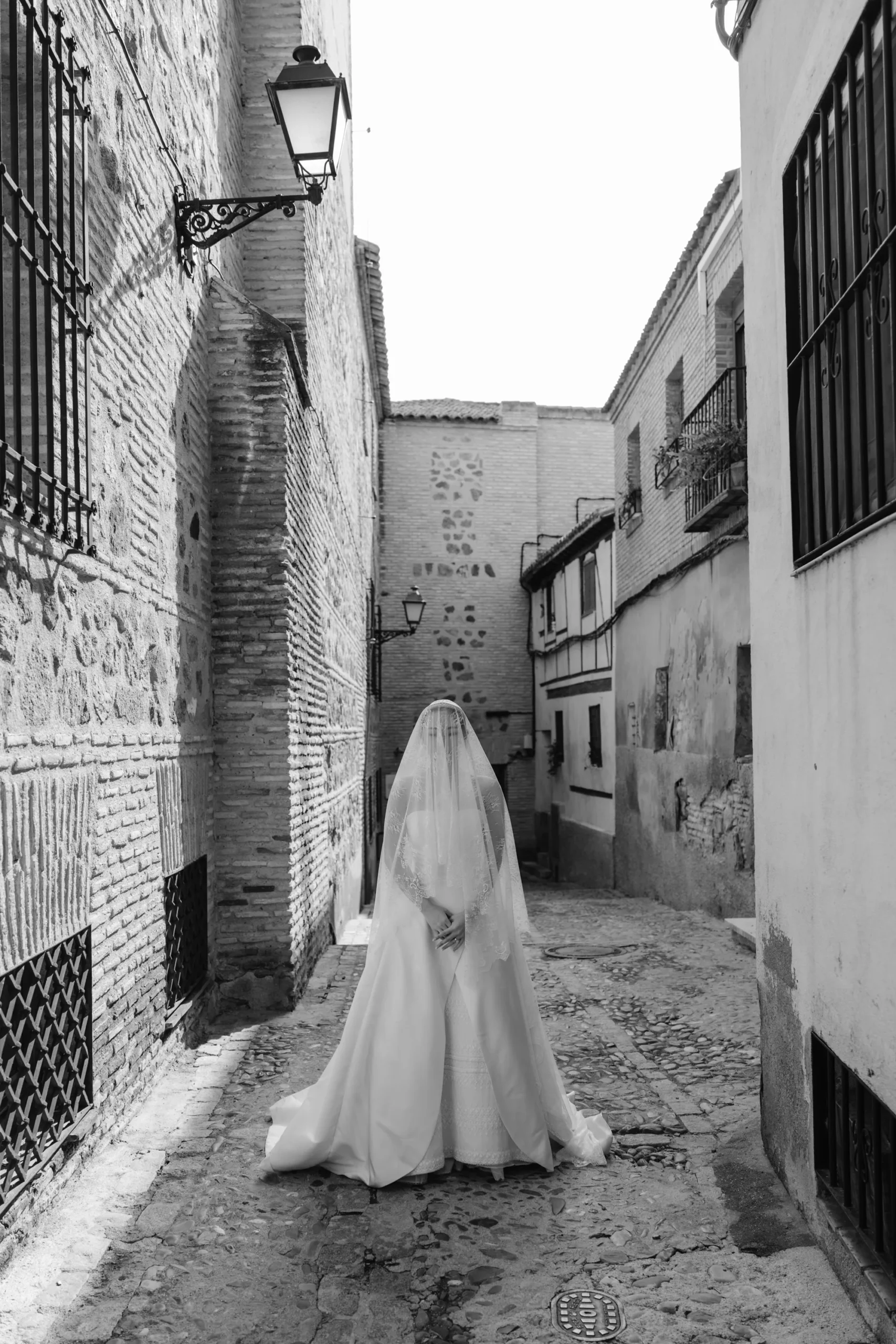
On March 11, 2026, Abigail Jung and Jackson Heck celebrated their marriage in the historic city of Toledo, Spain, marking a significant cultural convergence that blended Korean traditions, Southern United States heritage, and shared Catholic faith. The destination wedding, which took place in one of Spain’s most storied architectural landscapes, represented an increasing trend of couples opting for international ceremonies that prioritize personal narrative and cross-cultural heritage over conventional domestic nuptials.
The Venue and Cultural Context
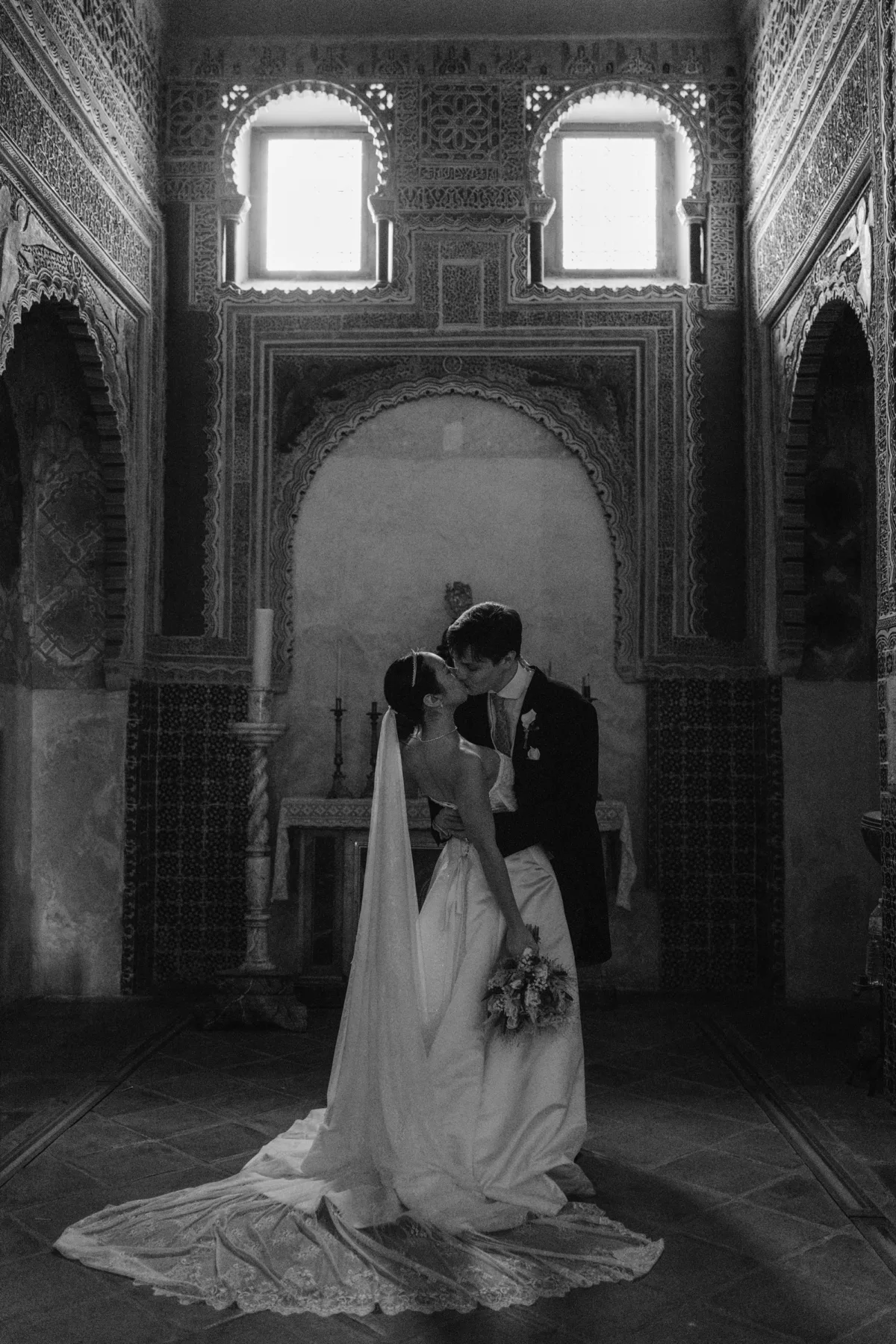
The couple selected the Santos Justo y Pastor church for their religious ceremony. This structure is renowned for its architectural synthesis of Spanish and Moorish influences, reflecting the complex historical layers of Toledo itself. For the reception, the couple transitioned to the Cigarral de las Mercedes, a venue chosen for its expansive, lush grounds that aligned with the couple’s aesthetic vision.
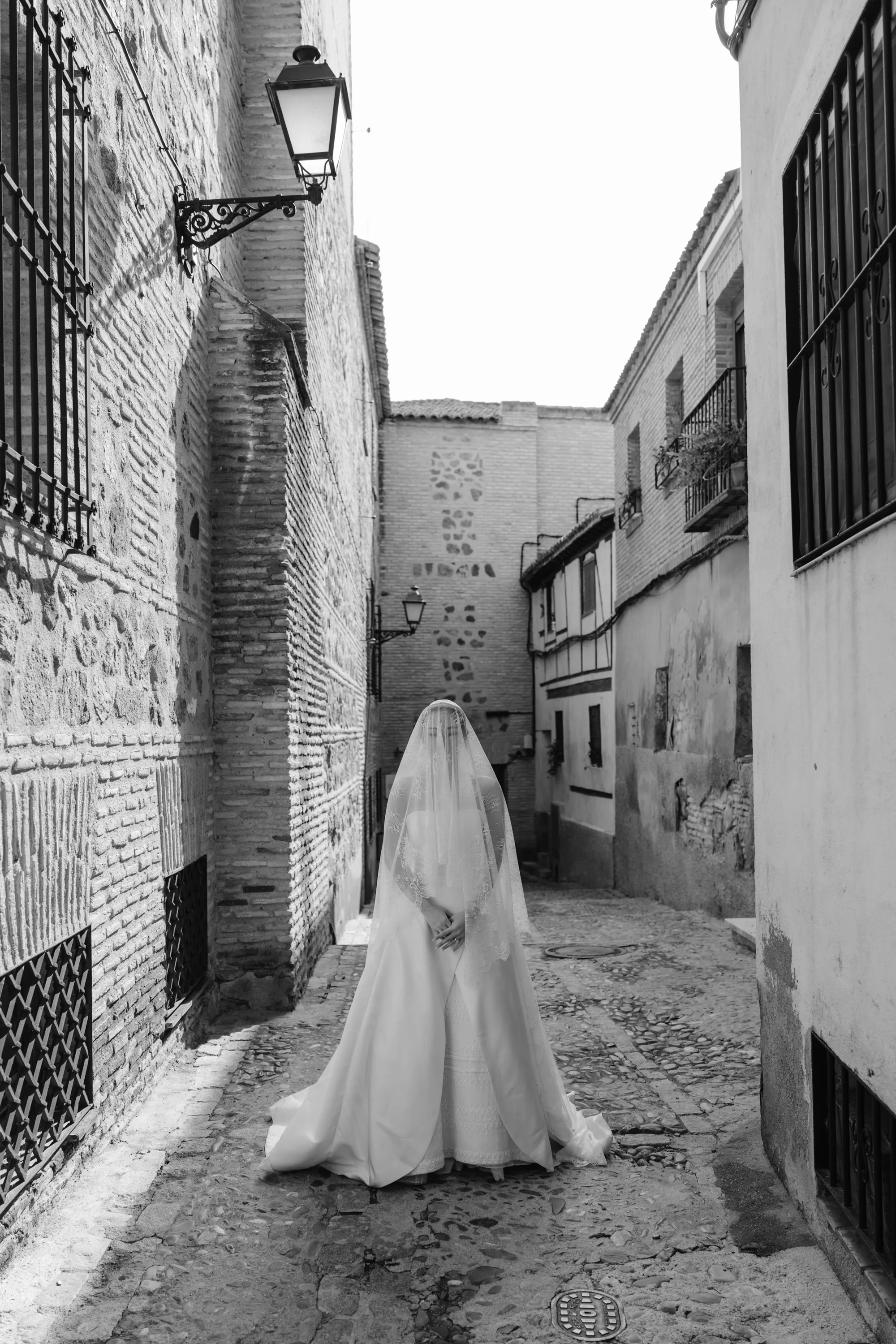
Toledo, often referred to as the "City of Three Cultures" for its historical coexistence of Christian, Muslim, and Jewish communities, provided a symbolic backdrop for the couple’s union. By choosing a location that physically embodies the integration of diverse traditions, Jung and Heck framed their marriage within a broader historical context of unity and synthesis.
Chronology of the Celebration
The journey to the wedding day was not without logistical challenges. The couple, residents of Washington D.C., faced significant travel disruptions during their transit to Spain. Despite the initial complications, the schedule proceeded as intended.
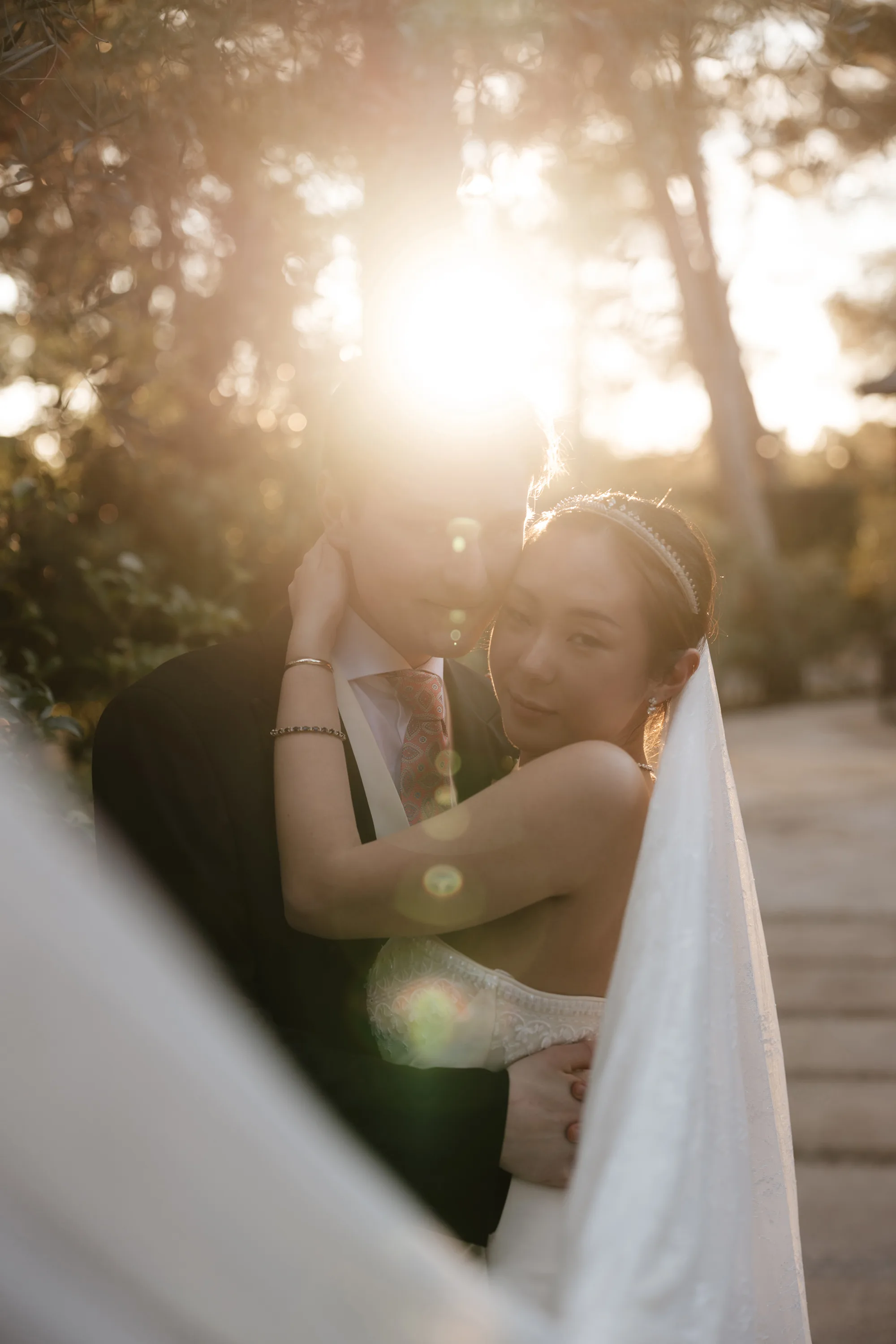
Following the full Catholic mass, which included traditional rites, the couple hosted an evening of dinner and dancing at the Cigarral de las Mercedes. The wedding day was documented by photographer Sam Sparks, who utilized a combination of 35mm film and digital media to capture the event. Videographer Rob Richardson provided additional visual documentation.
The timeline of their relationship began two years prior to their engagement on July 11, 2025, at the Washington National Cathedral. The eight-month engagement period allowed for the meticulous planning of the March 2026 event, which involved a high degree of DIY coordination, including the assembly of invitations and event stationery by the couple and their immediate family.
Aesthetic and Cultural Integration
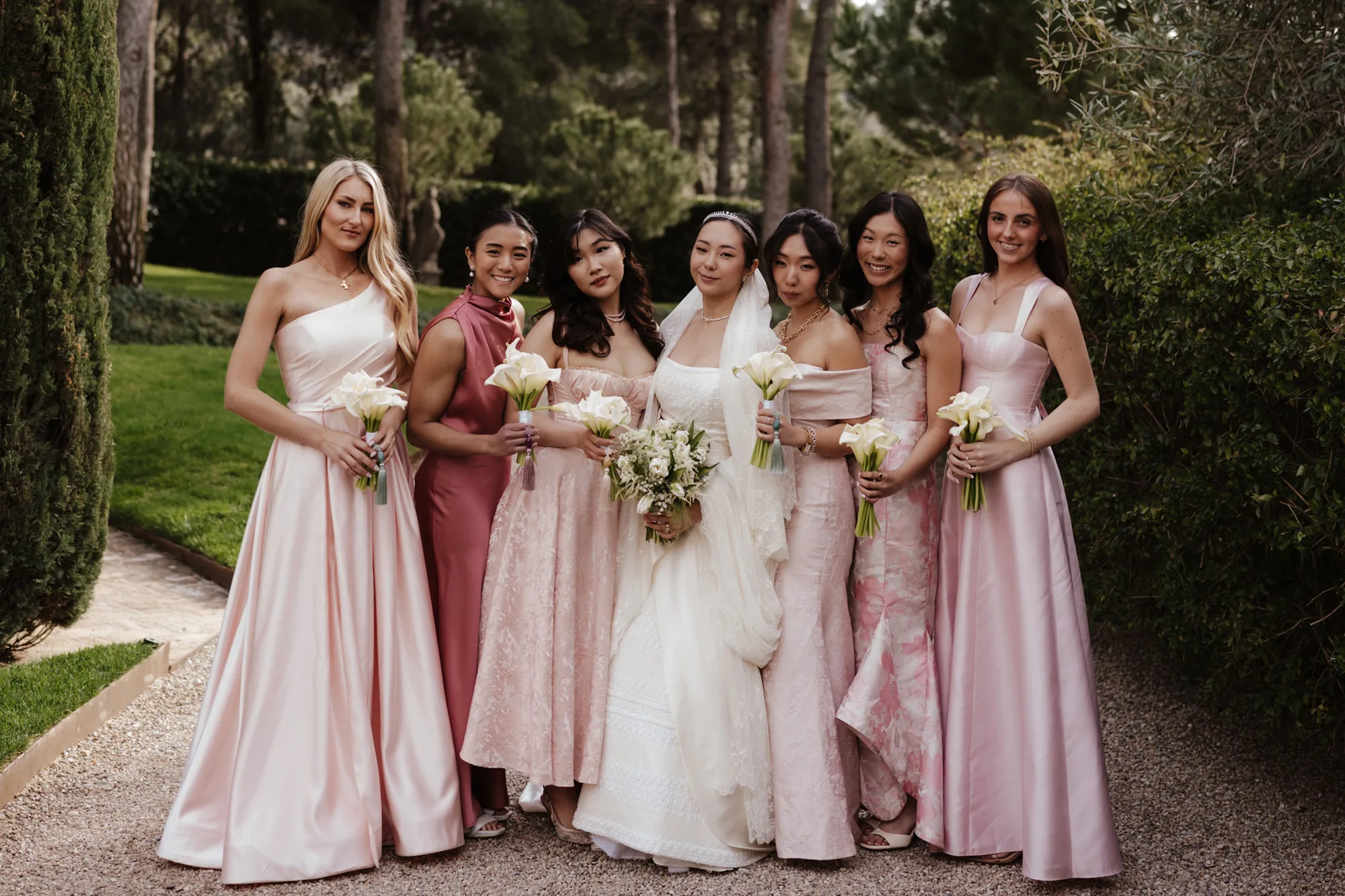
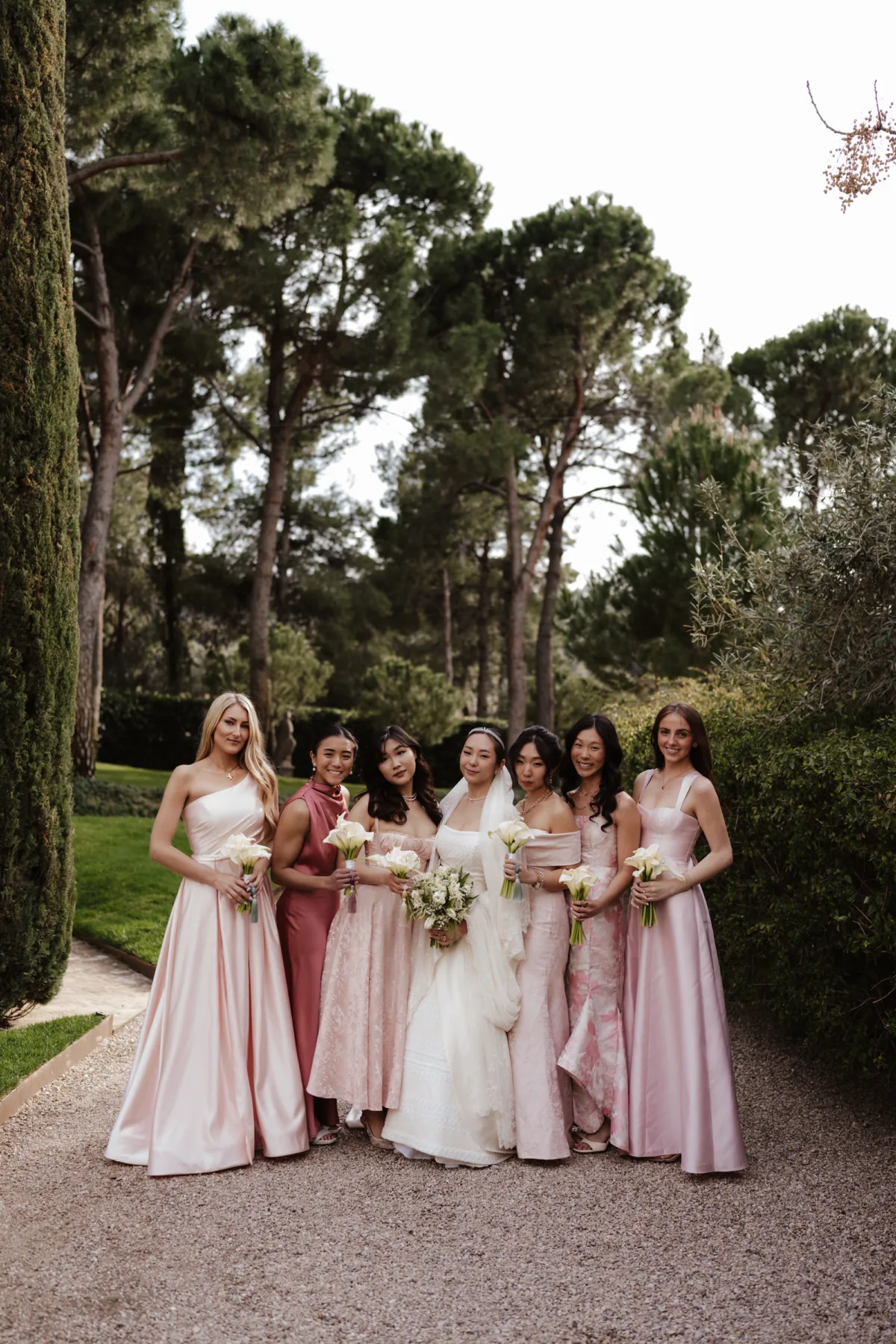
The wedding design was characterized by a specific "Southern preppy" color palette, anchored by the color green—inspired by the natural foliage of the Spanish venue—and balanced with feminine pink accents. This design choice was intended to merge the couple’s distinct backgrounds.
Cultural integration was particularly evident in the details. The inclusion of norigae—traditional Korean ornaments—on the bouquets of the bridesmaids and mothers served as a tribute to Jung’s heritage. Furthermore, the couple’s wedding bands were commissioned in South Korea, featuring embedded birthstones (yellow topaz and sapphire) as a personal, symbolic connection to their shared future.

The religious ceremony remained strictly traditional, adhering to the standard Catholic liturgy. The couple opted for standard Catholic vows, emphasizing the structured nature of the rite. The inclusion of a full mass, despite a majority of the guest list being non-Catholic, highlighted the couple’s commitment to their faith as a foundational element of their partnership. The officiant, Father Gustavo, played a central role, having developed a rapport with the couple during their pre-wedding site visits to Toledo.
Data and Logistical Realities of Destination Weddings
The decision by Jung and Heck reflects a broader movement within the wedding industry. According to industry reports from 2025, the destination wedding market has seen a steady increase in popularity, with couples allocating higher portions of their budgets toward guest experience and location-based narratives.
For many couples, the choice of a destination wedding is a deliberate attempt to create a "fairytale" environment that serves as a departure from the daily pressures of urban life in major metropolitan areas like Washington D.C. The focus on guest experience—such as the deliberate choice of a location that encourages exploration of local history—is a hallmark of modern destination event planning.
Furthermore, the integration of multiple cultural elements into a single ceremony requires significant logistical planning. The loss of key event materials during transit—specifically the menus, table plans, and place cards—serves as a reminder of the volatility inherent in international event management. The couple’s ability to navigate these setbacks highlights the importance of adaptability in destination wedding planning.
Symbolism and Rituals
The couple’s choice of music and ceremony elements provided a glimpse into their personal values. The first dance, performed to the theme from La La Land, was a deliberate choice that served as a narrative device, symbolizing their journey through long-distance dating, career shifts, and personal sacrifice. By reframing the movie’s ending, the couple used their reception as a platform to articulate their commitment to a shared future.
The use of a traditional morning suit for the groom and a thrifted Maggie Sottero gown for the bride demonstrated a balance between formality and sustainable, personal consumption. The bride’s use of a veil, while aesthetically dramatic, also served a functional role in the ceremony, creating a sense of anticipation and traditional solemnity.
Broader Implications of Multicultural Nuptials
The marriage of Abigail Jung and Jackson Heck is representative of a growing demographic of couples who view their wedding day not merely as a social gathering, but as a deliberate act of cultural synthesis. By bridging Korean traditions with Southern American sensibilities and placing them within the framework of European Catholic history, the couple created a unique cross-cultural dialogue.
The event highlights how modern couples are increasingly looking beyond geographic boundaries to find settings that reflect their personal histories. The success of such an event—measured by the seamless transition between the ancient stone of the Santos Justo y Pastor church and the modern reception festivities—suggests that the trend of highly personalized, destination-focused weddings will likely continue to evolve.
As the couple returns to their lives in Washington D.C., the legacy of their wedding in Toledo serves as a case study in the coordination of complex, international, and cross-cultural events. The meticulous documentation by Sam Sparks and the collaborative effort of the couple in styling their own wedding reflect a DIY ethos that is increasingly popular among younger generations who prioritize authenticity and personal narrative over pre-packaged wedding experiences.
Conclusion and Future Outlook
The marriage of Abigail Jung and Jackson Heck on March 11, 2026, was more than a celebratory event; it was a complex logistical and creative endeavor that successfully harmonized disparate cultural backgrounds. By prioritizing their shared faith and personal history, the couple navigated the challenges of international logistics to produce an event that resonated with their values.
As the wedding industry continues to recover and expand following the disruptions of the early 2020s, the model established by this wedding—one of high-intent, location-specific, and culturally rich celebrations—offers a template for future couples. The emphasis on guest experience, the incorporation of symbolic artifacts, and the commitment to formal religious rites suggest that the traditional elements of marriage remain vital, even as the global nature of modern relationships continues to redefine the "typical" wedding experience.