











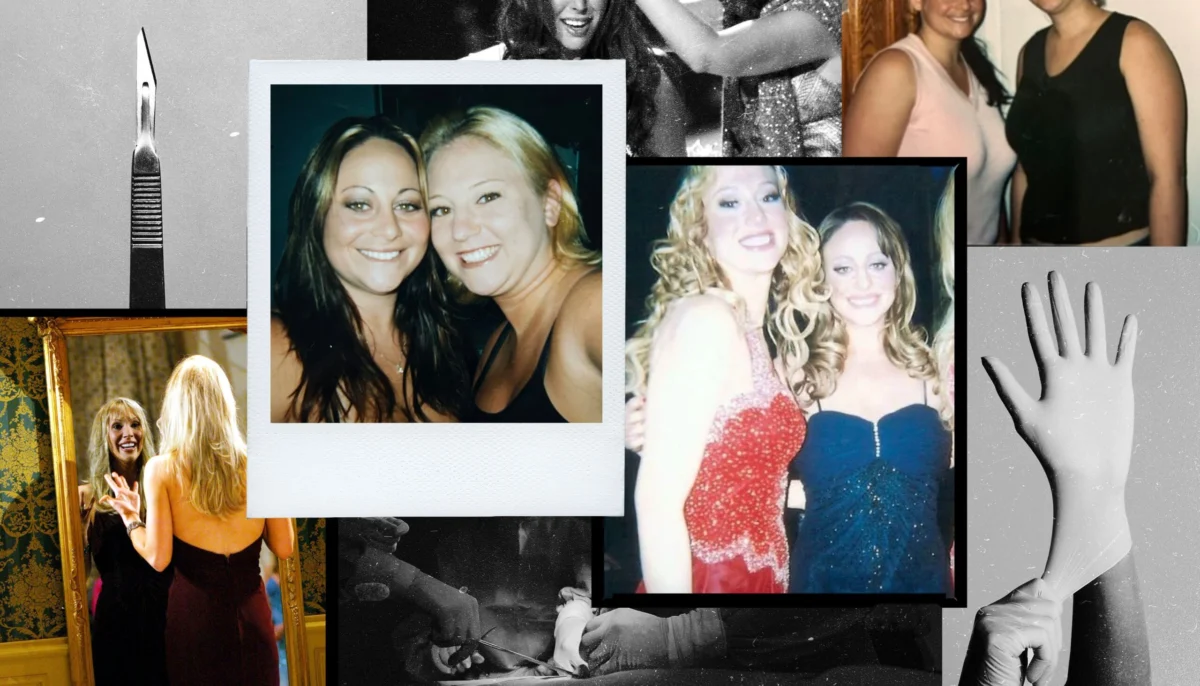
When the reality television series The Swan first debuted on the Fox network in 2004, it was met with a mixture of morbid fascination and intense public scrutiny. At the time, the early 2000s were defined by a "peak makeover" culture, a period where television programming prioritized extreme physical transformation as a form of entertainment. Two decades later, the release of the Hulu documentary The Swan: Behind the Mirror has prompted a critical re-examination of the show’s legacy, raising significant questions regarding medical ethics, the psychological toll of non-consensual aesthetic surgery, and the evolution of the plastic surgery industry.
The premise of the original series was framed as an "inside-out" holistic transformation. Producers recruited women who identified as having significant self-esteem issues, promising them a comprehensive overhaul involving cosmetic surgery, intensive personal training, nutritional counseling, and life coaching. However, the documentary reveals that the true objective of the production was far more reductive. Behind the scenes, the network’s mandate was summarized by producers as a pursuit to "take ugly chicks and make them hot." This discrepancy between the marketed narrative of empowerment and the reality of the production process highlights the predatory nature of reality television in the early 2000s.

A Chronology of Institutional Negligence
The production process for The Swan was grueling, marked by a lack of transparency and a disregard for patient autonomy. Contestants were subjected to extensive, simultaneous plastic surgeries, often lasting up to ten hours under anesthesia. These procedures were performed at a pace that far exceeded standard medical practice. According to archival footage and interviews in the new documentary, Dr. Terry Dubrow, one of the show’s primary surgeons, estimated that he and his colleagues performed approximately 200 operations in just two weeks—a volume that would typically occupy a plastic surgeon for an entire year.
The documentary establishes a disturbing timeline of the participants’ experiences. Upon arrival, women were subjected to mandatory surgeries, dental reconstruction, and aggressive weight-loss regimens. A critical point of contention identified in the film is the lack of informed consent regarding the final phase of the show: a beauty pageant. Contestants were not informed that they would be required to compete in swimwear and lingerie until weeks into the filming process, a revelation that added an element of psychological manipulation to their physical recovery.
The recovery phase was equally problematic. Participants were often discharged with minimal oversight, with reports suggesting that a single nurse was responsible for monitoring more than 20 recovering women. Post-operative care was compounded by the requirement to engage in high-intensity exercise routines, often while still wearing surgical bandages and experiencing significant physical trauma.
%2520L%2520to%2520R%2520-%2520Gina%2520and%2520Kari%2520BEFORE%2520The%2520Swan%2520S2.jpeg)
The Medical and Ethical Implications
The medical practices highlighted in The Swan have drawn sharp criticism from contemporary experts. The core of the ethical debate lies in the power imbalance between the surgeons and the patients. Participants frequently reported feeling coerced, with some claiming they were explicitly told that if they refused a recommended procedure, they would be dismissed from the show. Beth Lay, a first-season runner-up, noted in the documentary that the surgeons appeared to view the participants as "just a job," leading to a dehumanizing experience that prioritized the "reveal" over the patient’s long-term health.
The psychological impact on these women was profound. Many reported being left without adequate aftercare, leading to long-term physical complications such as ruptured implants, dental issues, and chronic pain. Furthermore, the emotional toll of being "remade" for television left many contestants struggling with identity crises and regret. The documentary highlights the case of Kari Bravata, who experienced life-threatening complications during surgery—a moment that underscored the extreme risks taken for the sake of entertainment.
Official Responses and Industry Perspectives
In the wake of the documentary’s release, the surgeons involved have faced renewed public pressure to account for their roles in the program. Dr. Randal Haworth, who participated in the documentary, has maintained that he acted in good faith at the time, though he acknowledges that the show’s format and language would be approached differently today. In a statement provided to Allure, Dr. Haworth noted that he feels he has changed as both a person and a surgeon over the last 22 years. He expressed a desire for a more nuanced conversation that accounts for the "full context" of the production, acknowledging that there was no singular experience for the women involved.
%2520L%2520to%2520R%2520-%2520Kari%2520and%2520Gina%2520during%2520production%2520S2%2C%25202004.jpeg)
Dr. Terry Dubrow, who did not participate in the documentary, issued a formal statement acknowledging the participants’ stories. Through his representative, he stated, "I take seriously my role in the series and the responsibility that comes with revisiting that chapter of television history." His response marks a pivot from his past involvement, though reports persist regarding his initial request for significant compensation to participate in the project—a request that the documentary’s director, Erin Lee Carr, deemed inappropriate.
The Broader Impact on Modern Plastic Surgery
The contrast between the surgical environment of 2004 and the standards of 2026 is stark. Modern plastic surgery has shifted toward "trauma-limiting" techniques, shorter anesthesia durations, and a more rigorous focus on patient consent and mental health screening. The current industry, at least in its professional discourse, emphasizes "refreshing" a patient’s appearance rather than the radical, objectifying makeovers that characterized the reality TV era.
However, the enduring popularity of the surgeons involved in The Swan—who continue to maintain successful practices and significant social media followings—suggests a complex relationship between the public and the aesthetic industry. Despite the documentary’s revelations, the cultural appetite for "glow-ups" remains high, and the prestige associated with celebrity surgeons continues to attract patients who may be unaware of the historical ties between their providers and the exploitative television formats of the past.

Societal Reckoning and Future Considerations
The legacy of The Swan serves as a case study for the evolution of media ethics. In the early 2000s, the "cruelty" of reality television was often marketed as a feature, not a bug. Audiences were encouraged to witness the humiliation of participants in the name of aesthetic improvement. The current re-examination of the show reflects a broader societal shift toward prioritizing the dignity and autonomy of participants in reality programming.
For the women who participated in the series, the process of coming to terms with their past remains ongoing. Some have expressed profound frustration at having fed into a cultural standard of beauty that they now recognize as deeply flawed. Others have sought to separate their surgical outcomes from the traumatic production process, noting that while the surgery itself was not inherently regretted, the manner in which they were treated during the experience remains a source of lasting pain.
Ultimately, The Swan: Behind the Mirror functions as a reminder that the pursuit of beauty, when divorced from ethical medical practice and human empathy, can result in significant harm. The documentary has successfully forced a conversation about the responsibilities of medical professionals in the public eye and the necessity of maintaining, at minimum, a standard of care that does not compromise the health and well-being of the patient for the sake of the narrative. As the industry moves forward, the lessons learned from the "barbaric" practices of 2004 serve as a necessary guardrail against the potential for similar abuses in the future.