










The trend of British couples opting for destination weddings in Mallorca has seen a significant surge over the past decade, driven by the island’s accessibility, Mediterranean climate, and the diversity of its venues, ranging from historic stone fincas to luxury coastal estates. However, the transition from envisioning a dream wedding to executing a complex, cross-border event requires meticulous logistical planning. For couples residing in the United Kingdom, the process is fraught with regulatory, financial, and cultural considerations that must be addressed long before the first deposit is placed.
The Landscape of Destination Planning
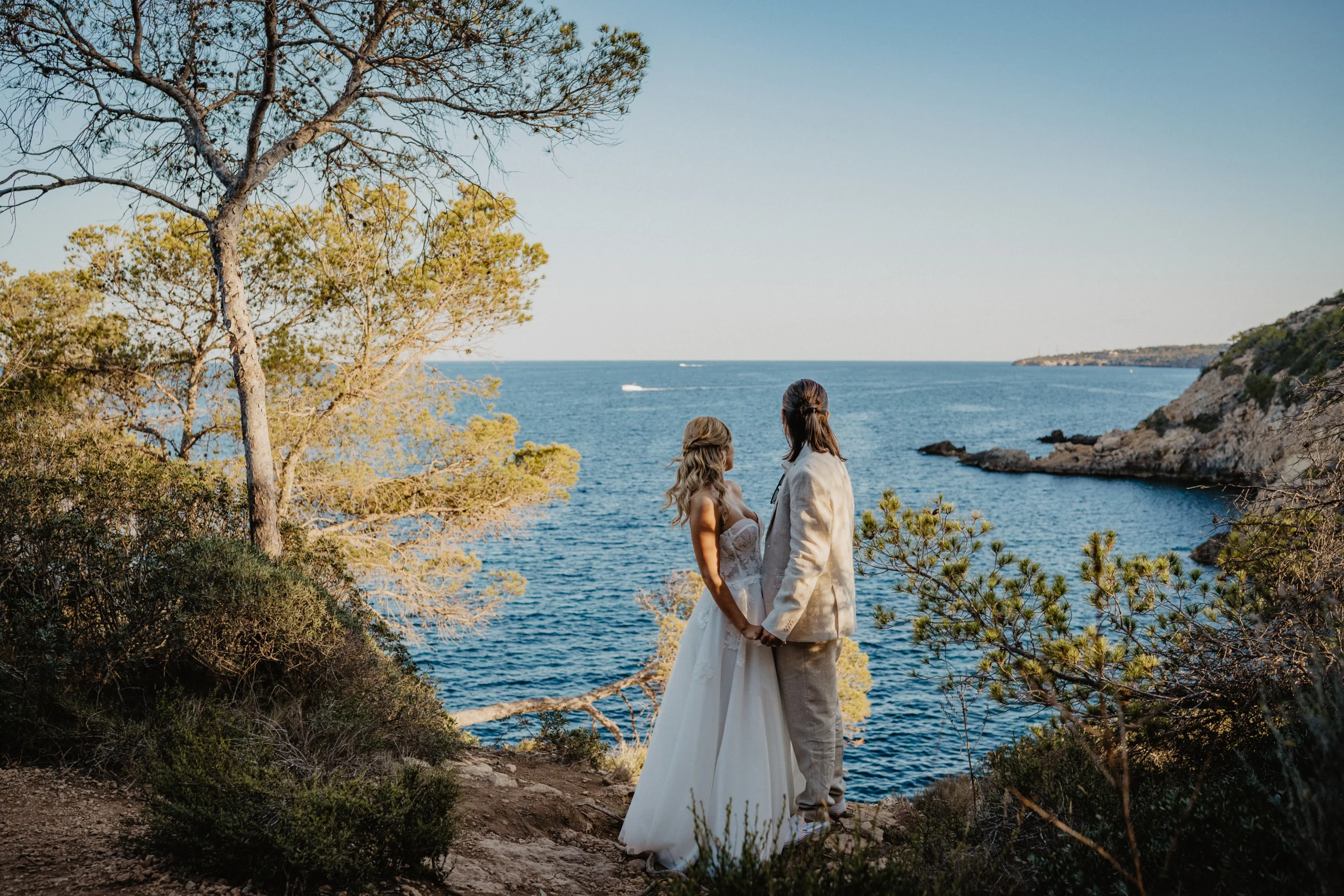
Mallorca has solidified its reputation as a premier wedding destination, with thousands of international couples choosing the Balearic island annually. Magdalena Dybiec, a seasoned wedding planner who has facilitated over 100 celebrations on the island since 2014, notes that the primary challenge for UK-based couples is the disconnect between the romantic ideal of a Mediterranean ceremony and the practical requirements of Spanish event management.
Industry data suggests that the most successful destination weddings are those that treat the event not merely as a single day of celebration, but as a three-day logistics operation. This includes the welcome gathering, the main ceremony, and a departure brunch. This format, while increasingly popular, requires an intimate knowledge of local infrastructure, transport regulations, and regional noise ordinances—elements often overlooked by those planning from abroad.
Legal Realities and the Symbolic Ceremony
A common point of confusion for UK citizens is the feasibility of a legally binding marriage in Spain. According to the UK Government’s official guidance, civil marriage in Spain is generally restricted to individuals where at least one party is a Spanish resident or national. For the overwhelming majority of British couples, the path of least resistance is to complete the legal civil marriage within the UK’s registry office system and opt for a symbolic ceremony in Mallorca.
This approach provides couples with significantly more creative agency. A symbolic ceremony allows for the inclusion of personalized vows, music, and readings that may be restricted in a strictly legal civil ceremony. Furthermore, it removes the burden of navigating the complexities of the Spanish Registro Civil, which requires extensive documentation, including certificates of no impediment, birth certificates, and, in some cases, apostilled translations.
Establishing a Strategic Timeline
Effective planning for a Mallorca wedding typically requires an 18-to-24-month lead time. This duration is not merely for the sake of convenience; it is a necessity driven by the seasonality of the island.
- 18–24 Months Out: The foundation phase. This involves defining the budget, estimating the guest list, and securing a professional planner who can act as an on-the-ground liaison.
- 12–18 Months Out: The selection phase. This is when venues are finalized, and primary vendors—photographers, videographers, and catering firms—are contracted.
- 9–12 Months Out: The communication phase. Issuing "save-the-dates" and providing guests with travel and accommodation guidance.
- 6–9 Months Out: The operational phase. Finalizing menus, styling, and the critical "Plan B" weather contingencies.
Financial Considerations and Hidden Costs
One of the most critical aspects of planning is the development of a comprehensive budget. Couples often make the mistake of focusing solely on the venue hire fee, failing to account for the "total cost of ownership" of a destination wedding. This includes the Value Added Tax (IVA) in Spain, which is often not included in initial quotes, as well as mandatory security personnel, professional waste management services, and the logistics of transporting guests from accommodation hubs to the venue.
A professional, one-day wedding in Mallorca typically requires a starting investment of approximately €30,000, though this figure is highly variable based on guest count and production complexity. Experts recommend that couples prioritize transparency by requesting itemized quotes that delineate every expense, from vendor travel fees to the cost of equipment rentals for alternative weather locations.
The Logistics of Guest Experience
The success of a destination wedding is heavily dependent on the guest experience, particularly regarding transit and accommodation. Mallorca’s geography can be deceptive; a venue that appears close to the capital of Palma may be difficult to access via large coaches due to the island’s winding, narrow rural roads.
Couples are advised to centralize their guest base in one or two specific areas. By narrowing the geographic spread of attendees, organizers can simplify transportation logistics, reduce the number of required shuttle vehicles, and minimize the risk of delays. Clear communication regarding these logistics is essential, as guests unfamiliar with the local terrain often rely entirely on the information provided by the couple.
Navigating Venue Selection and Due Diligence
Before a deposit is paid, rigorous due diligence is required. The visual appeal of a venue, while important, should never supersede its operational capability. Key questions for venue management should include:
- Noise Ordinances: Does the venue have strict cut-off times for music, and are those times enforced by local municipal law?
- Weather Contingencies: Is there an indoor space that can accommodate the full guest list, and is that space aesthetically and functionally equivalent to the outdoor area?
- Supplier Access: Are there restrictions on which vendors can be used, and does the venue provide sufficient infrastructure (power, water, sanitation) for the scale of the planned event?
The Role of Professional Advocacy
The complexity of international event planning has led to an increase in the utilization of local planners. The role of the planner in this context is as a gatekeeper and advocate. A planner based in Mallorca acts as an intermediary who can conduct site visits, audit contracts for potential pitfalls, and mediate between the couple and local suppliers who may operate under different cultural and professional norms.
By delegating the coordination of logistics to a local expert, couples are able to maintain a level of involvement that is meaningful rather than exhaustive. This allows the couple to focus on the personal elements of the wedding while ensuring that the infrastructure—from the flow of guests to the management of potential bad weather—is professionally handled.
Conclusion: A Foundation for Success
Planning a wedding in Mallorca from the UK is a rewarding but intricate process. The key to success lies in the prioritization of structure over aesthetic choices during the initial stages of planning. By establishing a clear budget, understanding the legal requirements of the ceremony, and accounting for the logistical needs of guests, couples can navigate the potential pitfalls of overseas event planning.
As the industry continues to evolve, the emphasis remains on the balance between the romantic, often rustic, allure of the island and the rigorous demands of professional event execution. For those who approach the process with a clear strategy and local support, the result is a seamless and memorable celebration that leverages the unique beauty of the Balearic Islands while mitigating the risks inherent in planning from afar.