






The final weekend of Paris Fashion Week commenced with a deliberate departure from the high-octane frenzy typically associated with the global style calendar. Celine set a tranquil tone for Saturday morning, welcoming an exclusive gathering of industry insiders, cultural icons, and international media inside the historic walls of the Musée des Archives Nationales. The French luxury house constructed a serene, white-walled, thatched-roof architectural installation reminiscent of an exclusive Aegean beach club, channeling the coastal aesthetic of Greek destinations such as Mykonos, Hydra, and Santorini. This idyllic backdrop provided a striking contrast to the urban grit of the French capital, establishing an atmosphere of quiet luxury before the runway presentation officially began.
The arrival of Grammy-winning recording artist SZA electrified the morning crowd, instantly heightening the energy within the venue. SZA’s rare appearances at major fashion events consistently generate significant media attention, a dynamic compounded by her recent appointment as the first-ever artistic director of Vans, lending her presence an added layer of industry relevance. The front row featured an eclectic and formidable roster of cultural heavyweights, including Tracee Ellis Ross, Lisa Bonet, Hannah Einbinder, Rahim Redcar—formerly known professionally as Christine and the Queens—Daniel Levy, Ebon Moss-Bachrach of The Bear, and all six members of the prominent K-pop ensemble TWS.
This presentation marked the fifth runway collection designed by American creative director Michael Rider for the storied French fashion house. Rider, whose appointment signaled a strategic evolution for the brand, continues to refine his distinct vision for Celine, bridging classical Parisian heritage with modern utility. The show commenced not with traditional runway audio, but with the haunting and resonant words of Dorian Corey, a legendary figure from the pioneering 1990 documentary Paris Is Burning. Corey, who passed away from AIDS-related complications three years after the film’s release, delivered a poignant spoken-room prologue that echoed through the white-walled pavilion: “I always had hopes of being a big star, and as you get older you aim a little lower, and I say you still might make an impression. Everybody wants to leave something behind them, some mark upon the world.”
Chronology and Conceptual Framework of the Presentation
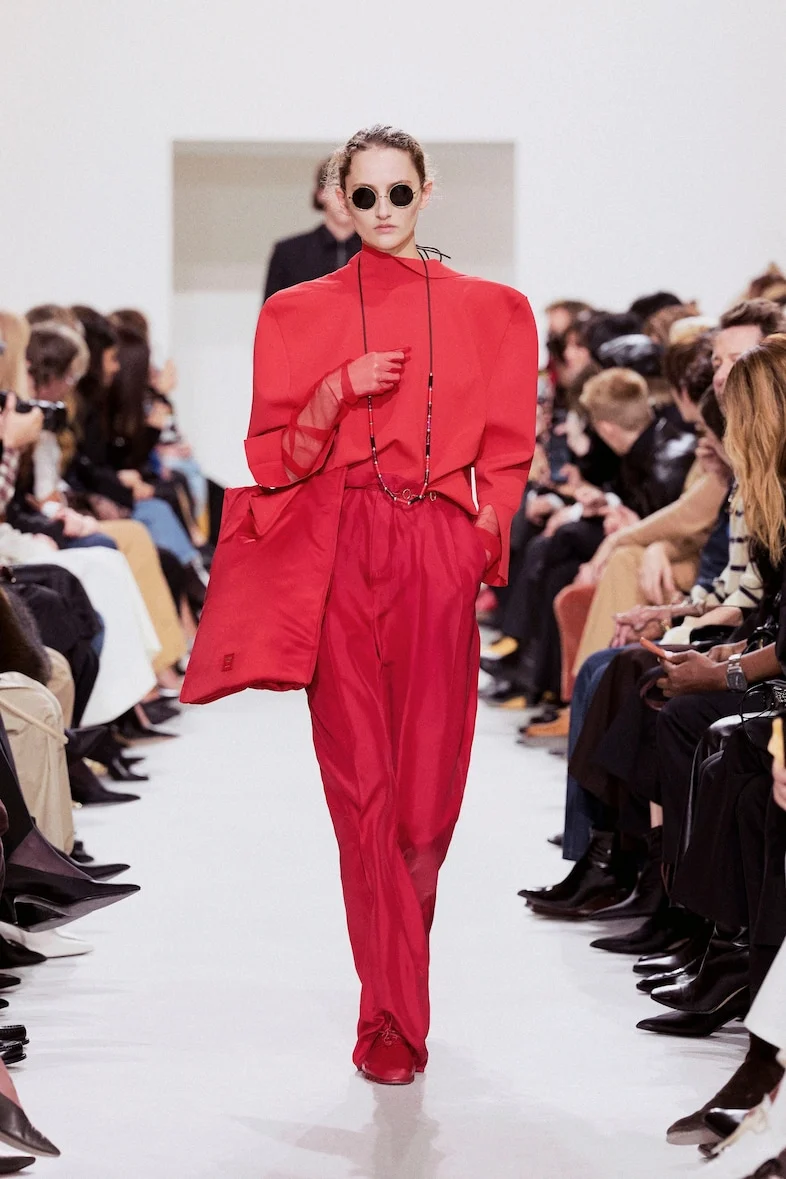
The utilization of audio samples from Paris Is Burning established a conceptual narrative that honored the legacy of ballroom culture pioneers, though the collection itself resisted the direct aesthetic translations often associated with the documentary. Rather than replicating the flamboyant, highly saturated visual codes of New York City’s historical underground ballroom scene, Rider opted for a subdued, highly restrained design language.
The runway sequence unfolded with surgical precision. The opening looks debuted in fluid, uncompromising black silk, synchronized with the hypnotic rhythms of Erykah Badu’s track “I’ll Call U Back.” This auditory and visual pairing lulled the audience into a state of deliberate contemplation, setting a deliberate pace that privileged craftsmanship and silhouette over transient shock value.
As the presentation progressed, the collection’s structural nuances came to light. Accessories were manipulated to extreme proportions, serving as central focal points of the styling. Models wore outsized belt buckles with dimensions rivaling traditional skirt panels—a conceptual approach echoing contemporary avant-garde explorations seen in the work of emerging Swedish designer Beata Rydbacken. These oversized metallic elements were juxtaposed against delicate details: gold hoop earrings extending down to the shoulders, and wide-brimmed hats pulled downward to obscure the models’ eyes, creating an aura of anonymous allure.
From a macro perspective, the garments initially presented as deceptively simple. However, closer inspection revealed a series of subtle subversions and meticulous tailoring quirks. Neckwear was pared down to wafer-thin ties that redefined traditional skinny proportions, while male models sported minimalist black headbands paired with John Lennon-style circular sunglasses. The styling also incorporated a casual, insouciant gesture: dust coats were not worn conventionally, but instead slung loosely over the shoulders in a manner suggesting spontaneous warmth offered by a companion.
Data, Context, and Industry Analysis
The strategic positioning of Celine within the overarching framework of Paris Fashion Week underscores the commercial and creative shifts currently occurring across the global luxury sector. As conglomerates and independent houses alike navigate fluctuating consumer demand and a growing fatigue surrounding ostentatious branding, understated luxury continues to yield high engagement metrics and robust retail interest.
Michael Rider’s tenure at Celine has been characterized by a calculated pivot toward quiet sophistication. Industry analysts note that collections emphasizing silhouette, premium textiles, and understated heritage appeal strongly to high-net-worth consumers seeking longevity in their wardrobes rather than fleeting trend-driven purchases. The integration of high-profile cultural figures from diverse entertainment sectors—ranging from independent music and prestige television to global K-pop phenomena—demonstrates Celine’s targeted approach to capturing multi-generational and cross-demographic market share.
Furthermore, the choice of the Musée des Archives Nationales as a venue highlights the synergy between historical French institutions and contemporary fashion presentations. By housing a modern Aegean-inspired architectural structure within a national archive, the brand bridged centuries of French heritage with contemporary lifestyle aspirations, reinforcing its positioning as a cultural arbiter as well as a commercial enterprise.
Broader Implications for Contemporary Luxury Design
While the thematic nod to Paris Is Burning might have initially suggested a collection defined by theatricality and high-contrast color palettes, Rider’s interpretation offered a deeper philosophical alignment with Dorian Corey’s reflections on legacy and impact. The presentation demonstrated that enduring resonance in fashion does not invariably require the loudest voice or the most vivid chromatic palette.
In the wake of this presentation, market observers and fashion critics have pointed to the collection—alongside Rider’s recent menswear output for the label—as definitive proof that restrained design can command substantial discourse in contemporary media landscapes. By favoring precision over spectacle, Celine has solidified a trajectory where minimalism acts as a powerful vehicle for brand authority. As the fashion industry looks toward upcoming seasons, the success of this presentation suggests that subtlety, when executed with rigorous attention to detail and star-backed cultural resonance, remains one of the most potent instruments in modern luxury merchandising.