











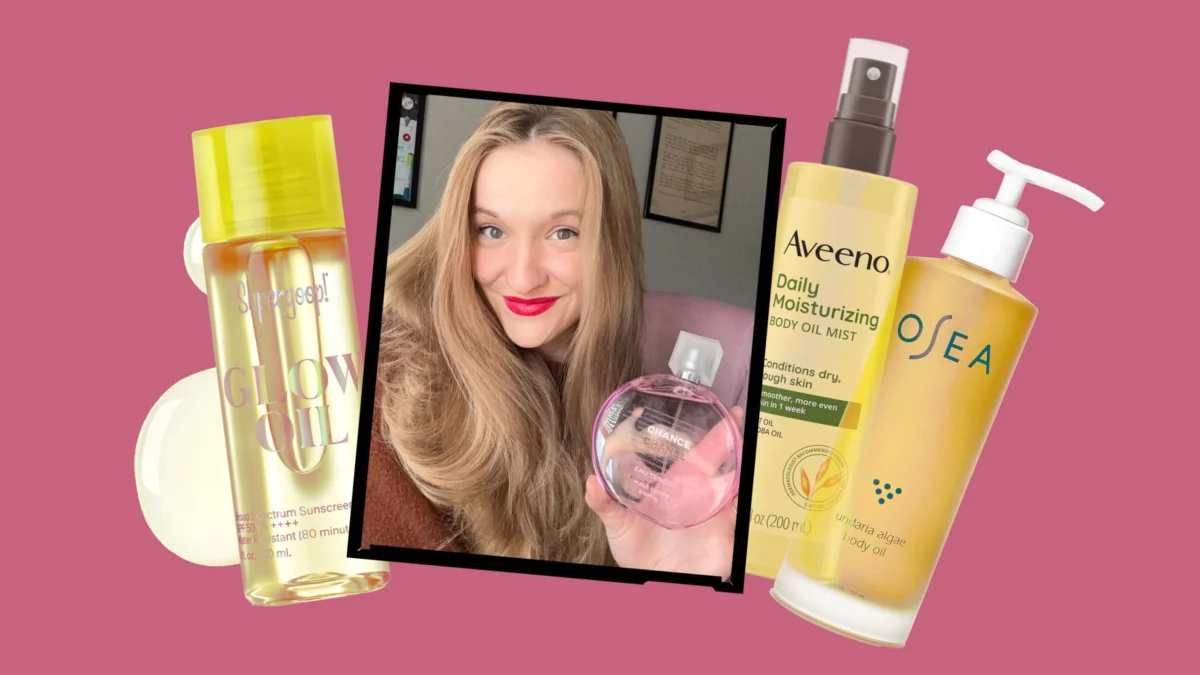
Body oils are emerging as a pivotal element in comprehensive skincare routines, offering a sophisticated alternative to traditional lotions and creams. Dermatologists emphasize their ability to provide deep, lasting hydration, enhance skin’s natural radiance, and fortify the skin’s protective barrier. Unlike their thicker counterparts, many modern body oils are formulated for rapid absorption, dispelling the myth that oil-based products inevitably lead to a greasy or sticky sensation. This advancement in formulation caters to a growing consumer demand for effective, luxurious, and multi-functional skincare solutions across all skin types and ages.
The Multifaceted Benefits of Body Oils
Board-certified dermatologist Dr. Michele Green of New York City highlights the profound benefits of incorporating body oils into a skincare regimen. "Body oil can leave your skin feeling soft and glowy while simultaneously moisturizing and strengthening your skin barrier," she states. A key advantage lies in their long-lasting efficacy without leaving behind undesirable residue. Dr. Green elaborates, "Many people might assume that using a body oil would do the opposite and cause the skin to feel greasy, but body oils tend to be fast-absorbing." This rapid absorption is a testament to evolving product development, where sophisticated formulations balance emollient properties with efficient penetration.
The effectiveness of absorption, however, is nuanced and can be influenced by both the specific oil formulation and an individual’s skin type. Dr. Morayo Adisa, another board-certified dermatologist based in Chicago, provides a clear distinction between various topical moisturizers: "Body oils are smooth, slick, slow-absorbing liquid topical skin-care products that leave a glowing sheen on the body, while lotions are lightweight, hydrating, and fast-absorbing topical moisturizers great for normal to dry skin, and creams are thicker, deep moisturizers that help protect the skin barrier and are great for very dry skin areas." This spectrum of hydration options allows consumers to select products tailored to their unique needs, whether seeking a subtle glow, immediate hydration, or intensive barrier repair.
The importance of body oils is particularly pronounced during warmer months, a period often associated with increased exposure to environmental stressors. Dr. Marina Peredo, a dermatologist in New York City, notes the impact of summer activities on skin health. "Being in chlorine pools, the beach, and the sun over the summer can leave our skin feeling dry and dull," she observes. Body oils can effectively counteract this moisture loss, replenishing essential hydration and restoring skin vitality after prolonged exposure to sun, chlorine, and salt. This restorative capability positions body oils not just as cosmetic enhancers but as vital therapeutic agents for maintaining skin health year-round, especially in climates with distinct seasonal changes.
Addressing Age-Related Skin Concerns with Specialized Body Oils
As individuals age, skin undergoes natural changes, including a decrease in collagen production and a potential thinning of the skin, which can lead to a less firm and more delicate appearance. Recognizing these specific needs, the market has responded with firming body oils designed to combat these age-related concerns. The most effective firming body oils are those that combine ingredients aimed at boosting moisture retention with those that stimulate collagen synthesis.
Dr. Corey Hartman, a board-certified dermatologist in Birmingham, Alabama, advises consumers on key ingredients to seek. For enhanced moisture retention, he recommends ingredients like hyaluronic acid and glycerin. These humectants draw moisture from the environment into the skin, plumping it and improving its overall texture. For collagen production, a critical factor in skin firmness and elasticity, Dr. Hartman points to retinol. Retinol, a derivative of vitamin A, is renowned for its ability to accelerate cell turnover and stimulate the production of collagen and elastin, thereby improving skin’s firmness and reducing the appearance of fine lines and wrinkles.
Beyond these core ingredients, oils rich in essential fatty acids are highly beneficial. Sunflower oil and rosehip oil, for example, are potent sources of linoleic acid and other fatty acids that play a crucial role in rebuilding the skin’s lipid matrix. This matrix is the natural barrier that keeps moisture in and irritants out. When this barrier is compromised, the skin becomes more susceptible to dryness, sensitivity, and premature aging. Peptides and ceramides are also integral components of effective firming body oils. Peptides are short chains of amino acids that act as signaling molecules, prompting the skin to produce more collagen. Ceramides, a type of lipid naturally found in the skin, are essential for maintaining a healthy skin barrier and preventing moisture loss.
Among the leading products in this category, OSEA’s Undaria Algae Body Oil has garnered attention for its rich formulation. It is infused with amino acids and antioxidants derived from Undaria algae, which are known to enhance skin elasticity and provide a luminous glow. Another noteworthy product is Nu00e9cessaire’s The Body Oil. This multi-nutrient treatment is specifically formulated to visibly improve skin tone and texture. It contains capsaicin, an ingredient typically associated with chili peppers, which in topical applications can increase circulation, contributing to a more radiant and revitalized appearance. The inclusion of these targeted ingredients underscores a growing trend in skincare: precision formulations that address specific biological processes to achieve desired aesthetic and health outcomes.
Rigorous Product Testing and Expert Endorsement
The evaluation of skincare products, particularly those making significant claims about efficacy, is a complex and multi-faceted process. Publications like Allure employ a stringent methodology to ensure that the products they recommend are indeed of high quality and deliver on their promises. This process begins with an in-depth review of product ingredients, scrutinizing brand claims against scientific literature and established dermatological principles. When necessary, editors delve into peer-reviewed scientific and medical studies to validate efficacy and safety.
The testing protocol extends beyond laboratory analysis to encompass real-world application. Each product is rigorously tested by a team of editors and contributors, assessing performance across several key categories: ingredient quality and efficacy, packaging design and functionality, fragrance profile, texture and feel on the skin, and overall product wear over time. This comprehensive approach ensures that recommendations are based not only on scientific merit but also on user experience and practical application.
Crucially, these evaluations are often informed and validated by the insights of industry experts. Dermatologists, cosmetic chemists, and medical professionals play an integral role in vetting ingredients and formulas, providing a layer of scientific credibility to the testing process. This collaborative effort between editorial teams and scientific experts allows for a more nuanced and reliable assessment of product performance.
For the specific category of body oils, the testing likely involved evaluating how well each product penetrated the skin, its moisturizing capabilities, its ability to impart a desirable sheen without greasiness, and its long-term effects on skin texture and hydration. Factors such as the stability of active ingredients, the potential for irritation, and the overall sensory experience are also critical considerations. The goal is to provide consumers with actionable, trustworthy information that empowers them to make informed purchasing decisions.
The Importance of Diverse Testing Perspectives
A fundamental principle in product review and recommendation is the recognition that beauty is personal and that individual experiences can vary significantly. Allure‘s commitment to diversity in its testing and editorial staff is a cornerstone of its product evaluation process. This commitment stems from the understanding that a product’s effectiveness and appeal can be influenced by a wide range of factors, including age, skin tone, hair texture, gender, and background.
To truly deem a product the "best" for a particular demographic, it is essential to solicit feedback from a representative sample of that demographic. For instance, a skincare product marketed towards mature skin should ideally be tested by individuals within that age group, not solely by younger testers. Similarly, haircare products should be evaluated on diverse hair textures to ascertain their universal applicability.
Allure‘s editorial team spans a broad spectrum of ages, skin tones, hair types, genders, and backgrounds. This diversity is not merely a matter of representation; it is a strategic approach to ensure that product assessments are fair, comprehensive, and inclusive. By leveraging the varied experiences and perspectives of their staff and a wide range of external testers and industry experts, Allure aims to provide recommendations that resonate with and accurately serve a diverse consumer base. This inclusive methodology is critical for building trust and ensuring that every recommendation is grounded in a thorough and equitable evaluation process. The insights gained from such a diverse testing pool are invaluable for understanding how products perform across different physiological and environmental conditions, ultimately leading to more robust and reliable product reviews.