





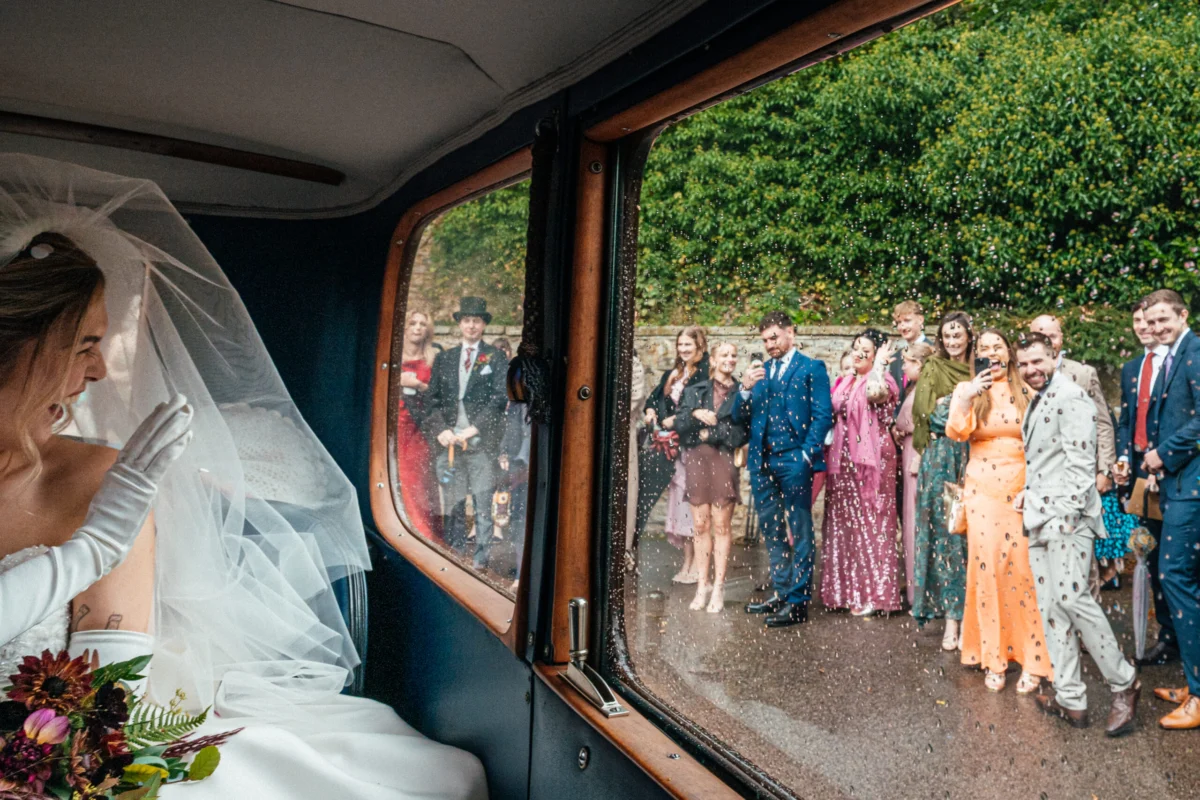
The landscape of the wedding industry is undergoing a significant shift as couples increasingly move away from staged, high-energy productions in favor of authentic, documentary-style storytelling. Central to this evolution is a subset of professionals who identify as introverts, challenging the long-held "Extrovert Ideal" that has dominated the field of event photography for decades. For years, the stereotypical wedding photographer was envisioned as a boisterous, commanding figure—a director who orchestrates every movement and fills the room with high-octane energy. However, industry veterans like Simon Dewey, a Derby-based photographer, are demonstrating that the ability to remain in the background, observing rather than directing, is not a professional hindrance but a specialized "operating system" that produces a more accurate and artistic record of the day.
The Rise of Documentary Wedding Photography
The traditional model of wedding photography relied heavily on formal portraiture and a "command and control" approach to guest management. In this environment, extroversion was viewed as a prerequisite for success. The photographer was expected to act as a secondary master of ceremonies, directing large groups and maintaining a constant, visible presence. However, as the "slow wedding" movement and the preference for candid imagery have gained traction, the value of the "invisible" photographer has risen.
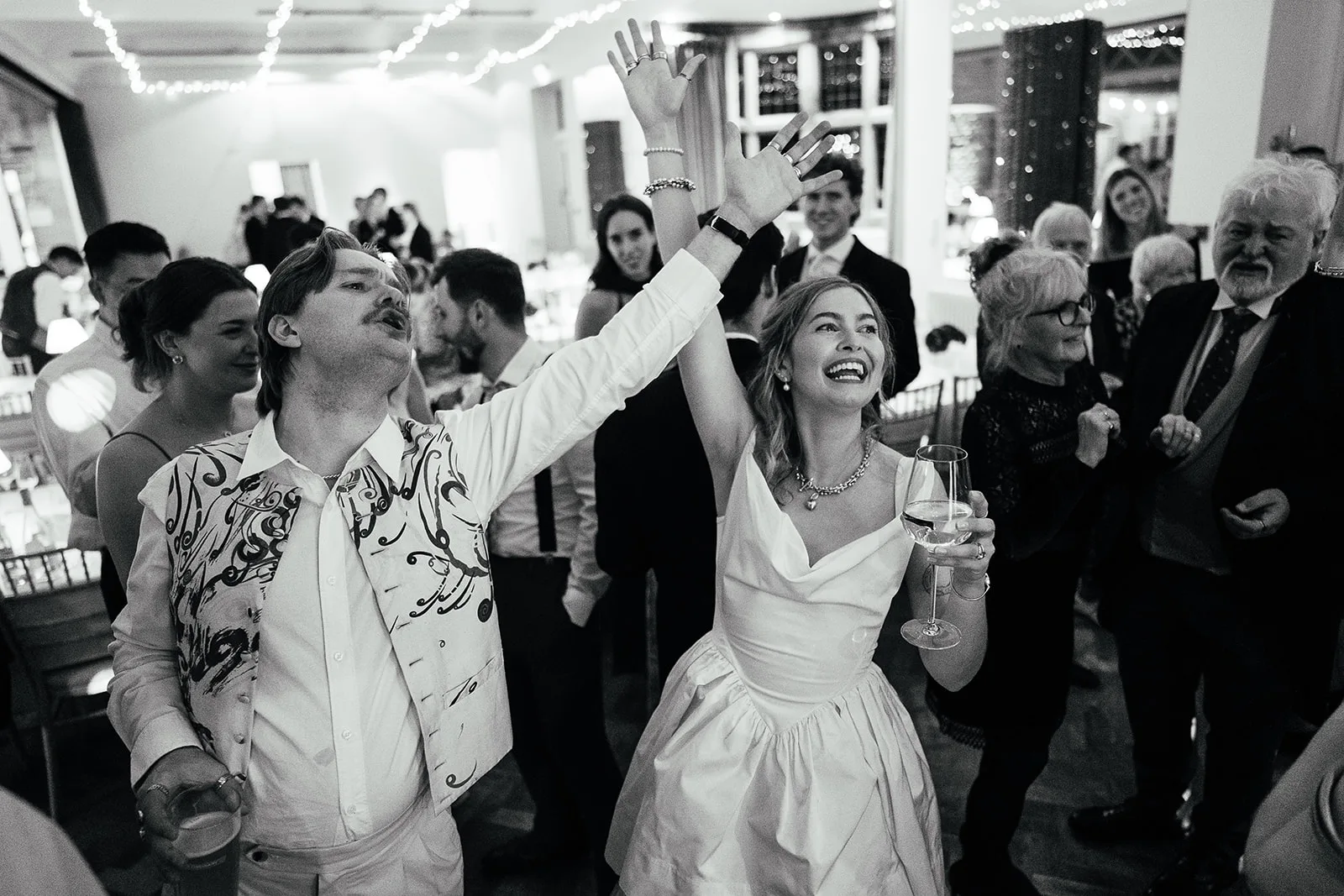
This shift is rooted in the psychological concept of the "Extrovert Ideal," a term popularized by author Susan Cain in her seminal work, Quiet: The Power of Introverts in a World That Can’t Stop Talking. Cain argues that Western culture has historically overvalued charisma and loud leadership, often at the expense of those who do their best work in solitude or through keen observation. In the context of a wedding, an introverted professional is often more attuned to the subtleties of the environment, picking up on peripheral moments that more directive photographers might miss while focused on staging the "perfect" shot.
Historical Precedents and the Ethics of Observation
The introverted approach to photography is not a new phenomenon; it draws heavily from the traditions of street photography and photojournalism. Several of the most influential figures in photographic history operated with a philosophy of invisibility. Henri Cartier-Bresson, the pioneer of the "decisive moment," famously covered the shiny chrome parts of his Leica camera with black tape to avoid catching the light and alerting his subjects to his presence. His goal was to become a silent observer of life, a philosophy that many modern documentary wedding photographers have adopted.
Similarly, the work of Vivian Maier, whose massive archive of street photography was only discovered after her death, exemplifies the power of the detached observer. Maier, who worked as a nanny and lived a deeply private life, captured thousands of candid moments in Chicago and New York without ever seeking the limelight. Saul Leiter, another master of the craft, was known for his painterly, abstract views of New York City, often shooting through windows or from a distance to capture the city’s rhythm without interrupting it. These historical figures provide a blueprint for the modern introverted photographer: the belief that the most genuine art is found when the artist is a witness rather than a participant.
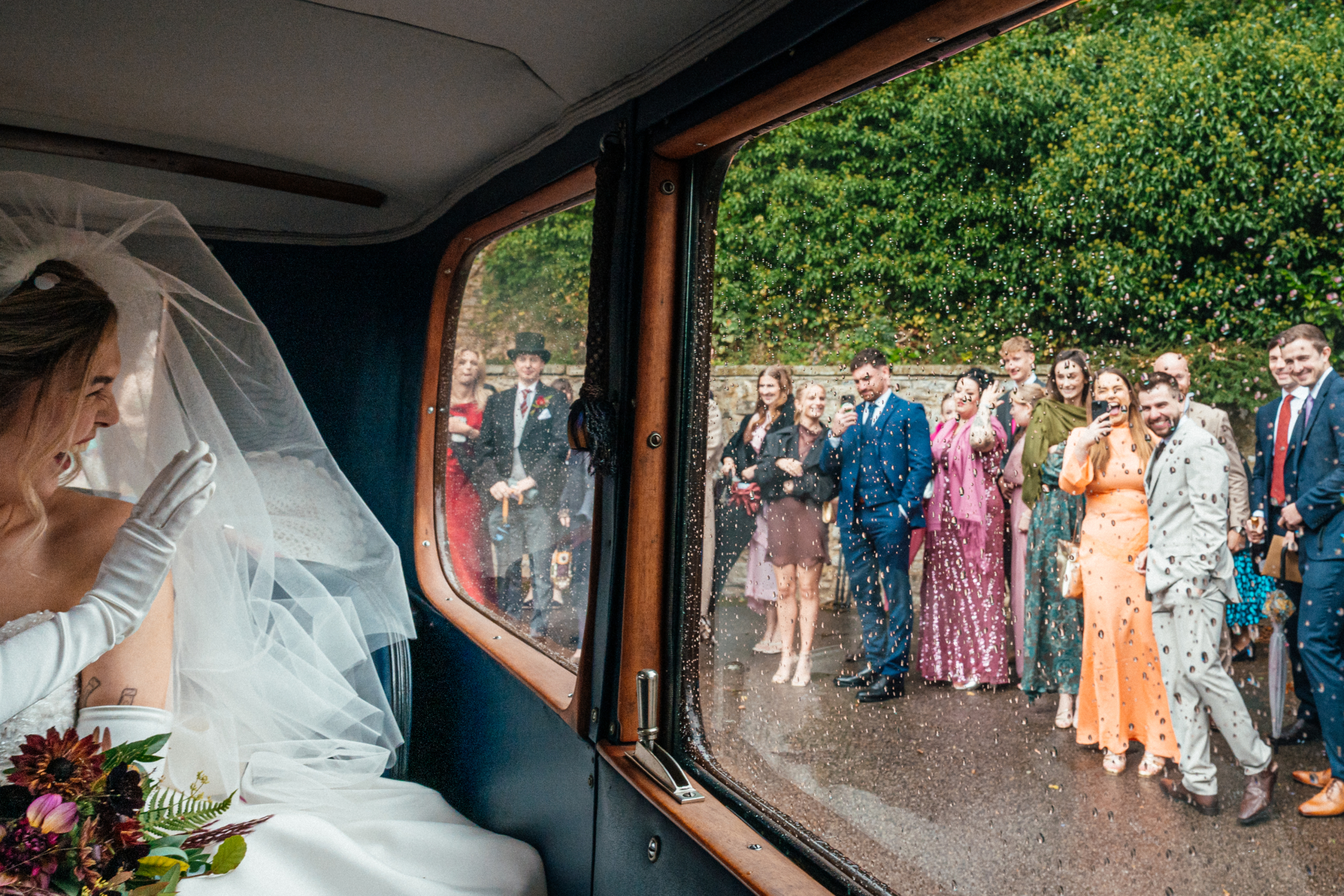
Chronology of the Professional Shift: From Director to Witness
The evolution of the wedding photographer’s role can be traced through three distinct phases:
- The Formal Era (Pre-1990s): Photography was largely restricted to posed portraits due to technical limitations. The photographer was a technical expert who required subjects to hold still for long exposures.
- The Extrovert Ideal (1990s–2010s): As technology improved, the "lifestyle" and "editorial" styles became popular. This era celebrated the photographer as a director, often imitating fashion shoots. The ability to command a room was seen as a primary skill.
- The Documentary Turn (2015–Present): A growing number of couples began requesting "unposed" and "candid" coverage. This period saw the rise of the introverted photographer, whose value proposition lies in their ability to blend into the background and capture the day as it actually unfolds, without interference.
Logistical Challenges and Strategic Solutions
While introversion provides a clear advantage in capturing candid moments, it presents unique challenges during the more structured portions of a wedding day, such as group photographs. Gathering dozens of guests who are engaged in conversation and celebration requires a level of vocal projection and social dominance that can be taxing for introverted professionals.
To mitigate this, photographers like Dewey have developed a collaborative strategy: delegating the "wrangling" to a naturally extroverted guest. By asking the couple to nominate a "bossy" friend, a teacher, or a family member with a commanding voice to organize groups, the photographer can remain in their observational mode. This approach acknowledges a practical reality: the photographer is often a stranger to the guests, whereas a nominated friend knows exactly who the maid of honor is or which aunt needs to be included in the next shot. This transparency about one’s working style fosters respect from the couple and ensures that the energy of the day remains focused on the celebration rather than the "performance" of the photographer.
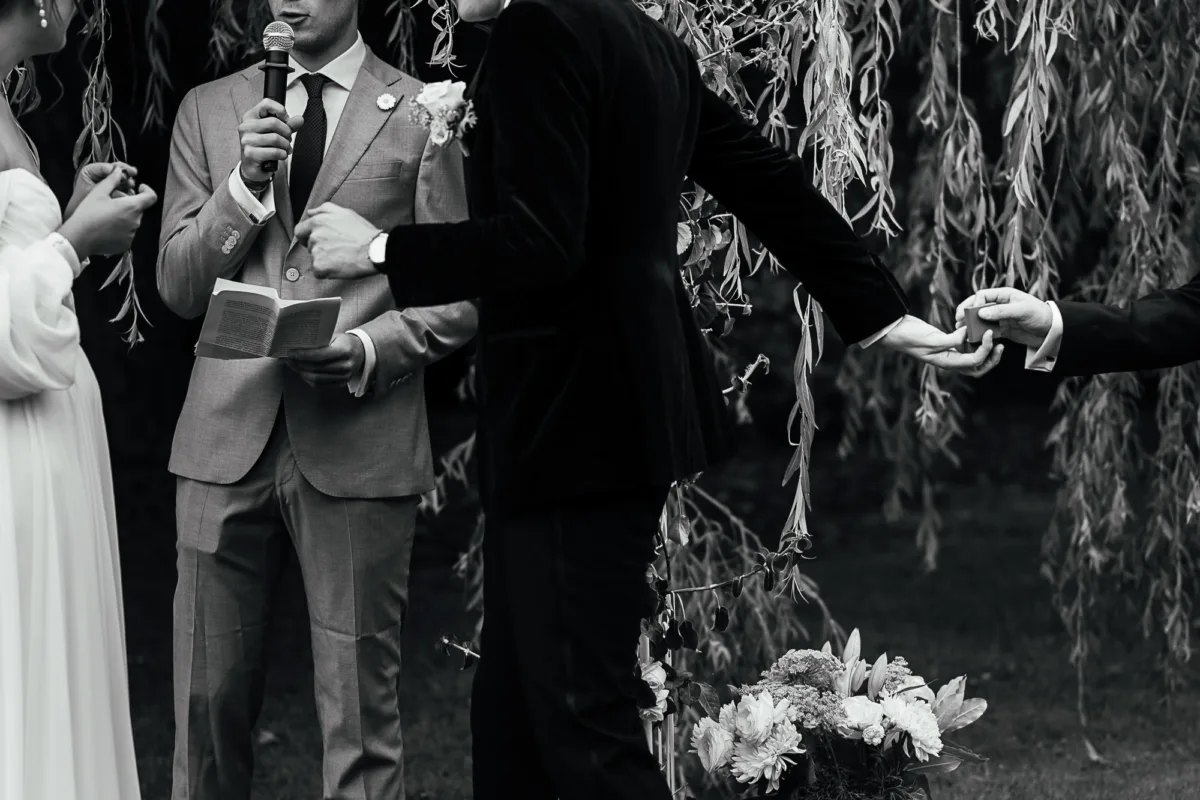
Supporting Data: The Psychology of Quiet Leadership
Research into personality types suggests that introverts make up between one-third and one-half of the population. In creative fields, the ability to process information deeply and notice environmental cues is a significant asset. According to psychological studies on sensory processing sensitivity, individuals who score higher on introversion scales often exhibit a greater awareness of nuances in their surroundings.
In a high-pressure environment like a wedding, where emotions are heightened and multiple events occur simultaneously, this sensitivity allows the photographer to anticipate moments before they happen. While an extroverted photographer may be busy engaging with guests, the introverted photographer is often watching the light, the expressions on the periphery, and the quiet interactions that define the emotional core of the event.
Broader Impact on the Wedding Ecosystem
The trend toward "quiet professionalism" is not limited to photography. It is increasingly visible across other wedding services, including hair and makeup artistry and venue coordination.

- Hair and Makeup Artists (HMUA): The morning of a wedding can be a period of high anxiety. Couples are increasingly seeking HMUAs who can "read the room" and provide a calming presence rather than filling the space with unnecessary chatter. This allows the couple to exist in their own space during a significant emotional transition.
- Venue Coordinators: The most effective coordinators are often those who operate invisibly, resolving logistical issues before the couple is even aware they exist. This "calm at the center of the storm" is a hallmark of introverted professionals who prioritize efficiency and observation over visibility.
Market Implications and Future Outlook
The demand for introverted suppliers reflects a broader cultural shift toward authenticity. Modern couples are often weary of the "performance" aspects of traditional weddings. They seek a day that feels like a genuine reflection of their relationship rather than a staged event for social media.
When a photographer provides feedback such as "we forgot you were there," it is increasingly viewed as the highest form of praise. This indicates that the professional successfully documented the event without altering its natural flow. For the industry, this means that the "Extrovert Ideal" is no longer the only path to success. There is a growing market for professionals who offer a "low-impact" presence, providing couples with art that looks like what their wedding actually was, rather than a directed version of it.
Conclusion: Art Through Attention
The emergence of the introverted photographer as a "superpower" in the wedding industry signifies a maturation of the craft. By embracing their natural tendencies toward observation and listening, these professionals are offering a service that is both technically proficient and emotionally resonant. They provide a vital counter-balance to the noise of a modern wedding, acting as the quiet witnesses who turn fleeting moments into permanent art. As the industry continues to evolve, the value of the person in the background—the one who is "just watching, documenting, and trying to make art from it"—is likely to become the new standard for excellence in event storytelling.