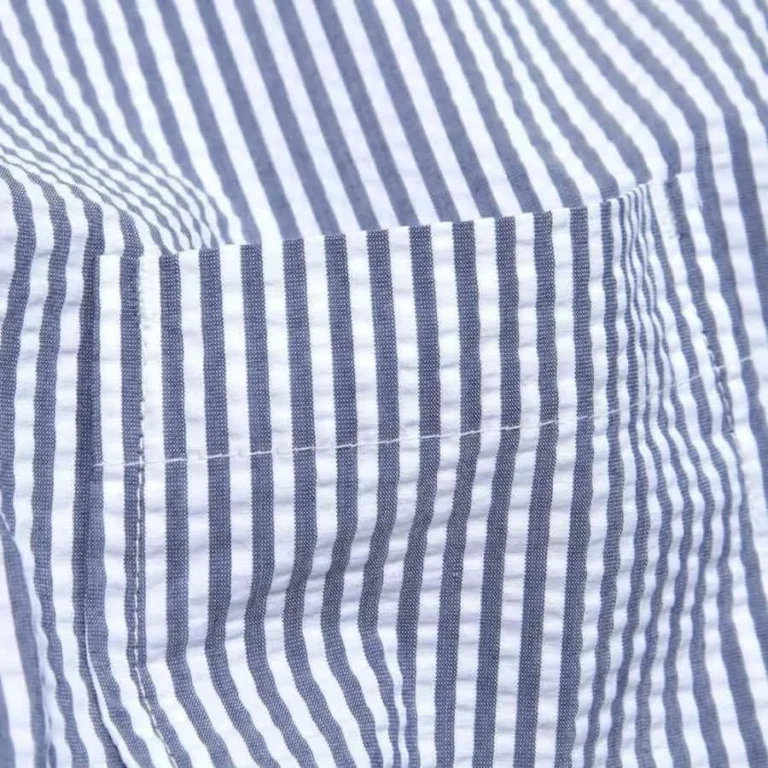









Linen has long been regarded as the quintessential fabric for summer tailoring, celebrated for its breathability, distinctive texture, and the relaxed, characterful wrinkles it acquires with wear. However, a recent inquiry among the esteemed tailors and cloth experts of Naples reveals a more nuanced perspective, suggesting that linen, while venerable, is not universally considered the singular best option for dressing elegantly in hot weather. This deep dive into sartorial preferences, led by Raphael, uncovers a diverse array of fabrics favored for summer suits, jackets, and trousers, ranging from traditional linen to innovative open-weave wools, hopsack, mohair, hemp, silk, and various lightweight blends. The consensus emerging from these master craftsmen is not the identification of a universal winner, but rather an affirmation that the ideal summer fabric is highly dependent on specific factors: the prevailing climate, the occasion for which the garment is intended, and the unique characteristics desired in the finished piece.
Naples: The Epicenter of Sartorial Discourse
Naples, a city steeped in a rich heritage of bespoke tailoring, particularly renowned for its soft, unstructured sartorial style, serves as an ideal crucible for this discussion. The Neapolitan school of tailoring, distinguished by its lightweight construction, natural shoulder, and emphasis on comfort and fluidity, has historically adapted its craft to the region’s warm Mediterranean climate. This environment has fostered a profound understanding of how fabrics behave under heat and humidity, making its tailors unparalleled authorities on summer cloth. The insights gathered from iconic Neapolitan sartorias such as Sartoria Ciardi, Sartoria Solito, Sartoria Carfora, Sartoria Dalcuore, and the illustrious Rubinacci, highlight the varied criteria by which experienced artisans evaluate warm-weather fabrics. While some steadfastly champion linen for its inherent relaxed charm, others prioritize qualities such as crispness, superior airflow, impeccable drape, or resistance to creasing. Their collective perspectives broaden the conventional understanding of what truly constitutes a suitable fabric for summer, underscoring that tradition is often a starting point, not an endpoint, for innovation.
Beyond the Wrinkle: A Deeper Look at Linen

Linen’s status as a summer staple is deeply ingrained in sartorial history. Derived from the flax plant, it is celebrated for its exceptional strength, absorbency, and coolness. The hollow fibers of flax allow air to circulate freely, making linen highly breathable and efficient at wicking moisture away from the body, thus providing a natural cooling effect. Its characteristic propensity to wrinkle, often perceived as a drawback in more formal settings, is precisely what many aficionados appreciate, lending garments an inimitable, lived-in elegance. This "relaxed character" is a defining feature, signifying a certain nonchalance and comfort that aligns well with leisurely summer occasions.
However, the Neapolitan discussion reveals that not all linen is created equal, and tailors’ preferences vary significantly based on the specific type of linen fabric and the desired outcome. Some linen weaves can be dense and substantial, offering a different hand and drape than lighter, more open weaves. For tailors who prioritize a crisp, structured silhouette that resists wrinkling, traditional linen might not be their first choice. This divergence of opinion stems from differing values: one tailor might seek linen’s distinctive texture and comfort, while another might prioritize a pristine appearance and superior crease recovery. The debate surrounding linen is therefore less about its inherent qualities and more about how those qualities align with a tailor’s specific aesthetic vision and a client’s practical needs. This nuanced understanding encourages a more discerning approach to selecting linen, considering its weight, weave, and finish, rather than treating it as a monolithic category.
The Contenders: Innovative and Traditional Alternatives
The Neapolitan masters introduce a compelling roster of alternatives that challenge linen’s monopoly, each bringing distinct advantages to the summer wardrobe.
High-Twist Wool: The Engineered Comfort:
Perhaps the most surprising contender for those unfamiliar with fabric science, high-twist wool offers exceptional performance in warm climates. Unlike conventional wools, which can be heavy and insulative, high-twist wool is crafted from yarns spun with significantly greater tension. This process results in a crisp, dry handfeel, excellent resilience, and remarkable crease recovery. The tightly twisted fibers create a more open, porous structure in the woven fabric, allowing for superior airflow while maintaining the inherent structure and drape of wool. Fabrics like Fresco, a popular type of high-twist wool, are specifically designed with an open, hopsack-like weave to maximize breathability, making them ideal for summer suits and trousers that require both elegance and comfort without sacrificing form. Its ability to shed wrinkles makes it a favorite for travel and for garments that need to maintain a sharp appearance throughout the day.

Hopsack’s Textured Appeal:
Hopsack, characterized by its distinctive basket-like weave, is another strong candidate, particularly for blazers and sport coats. Its open construction naturally promotes breathability and creates a unique, textured surface that adds visual interest. While excellent for jackets, its open weave can make it more susceptible to snagging, and not every hopsack cloth is robust enough for trousers, which typically demand greater durability. However, for a sophisticated yet comfortable summer sport coat, hopsack offers an ideal blend of casual elegance and practical airflow.
Mohair’s Sheen and Resilience:
Mohair, derived from the hair of the Angora goat, introduces a distinct set of qualities. When blended with wool, it imparts a crispness, excellent resilience, and a clean, sharp drape that holds its shape beautifully. Mohair fabrics often possess a subtle, natural sheen, making them exceptionally suitable for formal or evening tailoring in warmer climates, such as lightweight dinner jackets or formal summer suits. Its durability and resistance to creasing further enhance its appeal for garments that need to maintain a polished look.
The Rise of Hemp and Silk:
Less commonly discussed but gaining traction, hemp and silk offer unique advantages. Hemp, a highly sustainable fiber, shares many characteristics with linen, including strength, breathability, and a distinctive texture. It is often more durable than linen and can offer a slightly crisper hand. Silk, renowned for its luxurious softness, natural sheen, and excellent drape, is typically used in blends for summer tailoring. A wool-silk-linen blend, for instance, combines the resilience of wool, the luxurious feel and subtle sheen of silk, and the breathability and texture of linen, creating a fabric that is both comfortable and aesthetically refined. These blends represent a modern approach to optimizing fabric performance, marrying the best attributes of different natural fibers.
A Symphony of Preferences: Neapolitan Masters Weigh In
The divergence of opinion among Neapolitan tailors underscores the complexity of fabric selection. Each master craftsman brings a unique philosophy and set of priorities to their work, shaped by decades of experience and interaction with diverse clientele.
- Sartoria Ciardi, perhaps known for a more structured yet still soft approach, might lean towards fabrics that offer a clean drape and good crease recovery, potentially favoring high-twist wools or mohair blends for their refined finish and resilience.
- Sartoria Solito, often associated with an extremely soft, almost deconstructed style, might prioritize fabrics that enhance fluidity and comfort, such as very light linens or wool-silk-linen blends that allow for maximum freedom of movement.
- Sartoria Carfora could emphasize the traditional character of linen, celebrating its natural imperfections and relaxed elegance, particularly for more casual summer ensembles.
- Sartoria Dalcuore, known for its elegant lines and sophisticated aesthetic, might value fabrics that combine breathability with a luxurious hand and subtle sheen, possibly experimenting with innovative silk blends or refined hopsacks.
- Rubinacci, a name synonymous with Neapolitan sprezzatura and sartorial flair, might champion the distinctive character of linen for its inherent stylishness, while also exploring other unique textures and weaves to offer clients a diverse range of sophisticated options.
The "disagreement" about linen, therefore, is not a condemnation but a nuanced discussion. Tailors may prioritize airflow for comfort, wrinkle resistance for practicality, structure for formality, softness for luxury, or the traditional "summer character" for aesthetic appeal. This holistic view acknowledges that the "best" fabric is a subjective determination, rooted in the specific requirements of the garment, the wearer, and the environment.
The Science of Comfort: Understanding Breathability and Performance
A common misconception in summer fabric selection is the belief that a lighter fabric automatically equates to a cooler garment. The Neapolitan experts challenge this assumption, explaining that a lightweight fabric, if woven very tightly, can still trap heat and feel warm. Conversely, a slightly heavier cloth with a more open weave can allow significantly greater airflow, leading to a cooler sensation on the skin. Furthermore, a marginally heavier, openly woven fabric often drapes better and resists wrinkles more effectively than an ultra-light, tightly woven counterpart.
Judging a fabric’s breathability effectively involves more than just its weight. A practical method suggested by the tailors is to hold the cloth up to a light source. A visibly open structure, allowing light to pass through, generally indicates superior airflow. However, this must be balanced against considerations of durability, opacity (especially for trousers), and the overall construction of the garment. A jacket, for example, might feature a more open-weave fabric than trousers, which require greater robustness.
Navigating the Summer Wardrobe: Practical Applications

The choice of fabric profoundly impacts the suitability of a garment for various summer scenarios.
- Summer Trousers: These generally demand greater durability and crease resistance than a lightweight sport coat. High-twist wools are a common and excellent choice due to their resilience and ability to recover from wrinkles. Sturdy linens, especially those with a tighter weave, also perform well, offering breathability with a more robust feel. The optimal choice ultimately hinges on the climate, the desired level of formality, and the wearer’s tolerance for the characteristic wrinkles of linen.
- Summer Sport Coats: Here, there is more room for textural experimentation and visual interest compared to business suits. Hopsack, linen, and blends incorporating wool, silk, or linen are all popular possibilities. Hopsack provides excellent texture and breathability, while linen offers its unique relaxed charm. Blends can combine the best attributes, offering a balance of drape, wrinkle resistance, and airflow. The final selection should always align with the local climate and the expected wear conditions.
- Formal and Evening Wear: For occasions demanding a polished appearance in warm weather, fabrics like mohair blends or fine, high-twist wools are excellent. Their crispness, clean drape, and subtle sheen make them suitable for sophisticated events, offering comfort without compromising on formality.
Implications for Modern Menswear and Consumer Choice
This comprehensive Neapolitan discourse on summer fabrics holds significant implications for modern menswear. Firstly, it empowers consumers with a deeper understanding of fabric properties, moving beyond superficial preferences to informed choices based on scientific principles and sartorial expertise. The discussion demystifies the complexities of fabric performance in heat, allowing individuals to select garments that genuinely enhance their comfort and style during the warmer months.
Secondly, it reinforces the enduring relevance of bespoke tailoring in an era of mass production. The nuanced understanding and personalized recommendations offered by master tailors ensure that garments are not just aesthetically pleasing but also perfectly suited to the wearer’s lifestyle and climatic conditions. This bespoke approach fosters a culture of quality and longevity, challenging the fast-fashion paradigm.
Finally, the exploration of diverse fibers and blends highlights an ongoing evolution within traditional sartorial practices. As climates change and global travel becomes more common, the demand for versatile, high-performance summer fabrics will only increase. The willingness of esteemed tailors to openly debate and embrace alternatives to conventional wisdom ensures that classic menswear remains dynamic, adaptable, and perpetually stylish. This dialogue from Naples is not merely about fabric; it is a testament to the enduring craft of tailoring, continually refining its art to meet the demands of modern elegance and comfort.