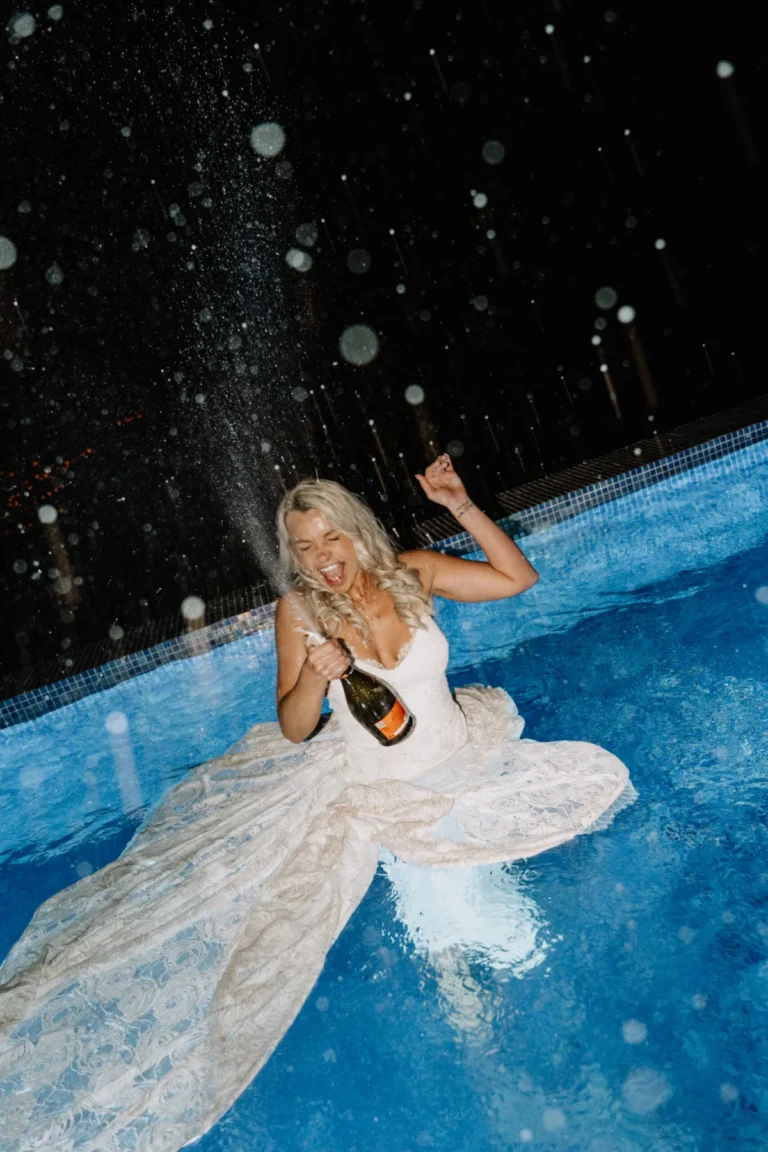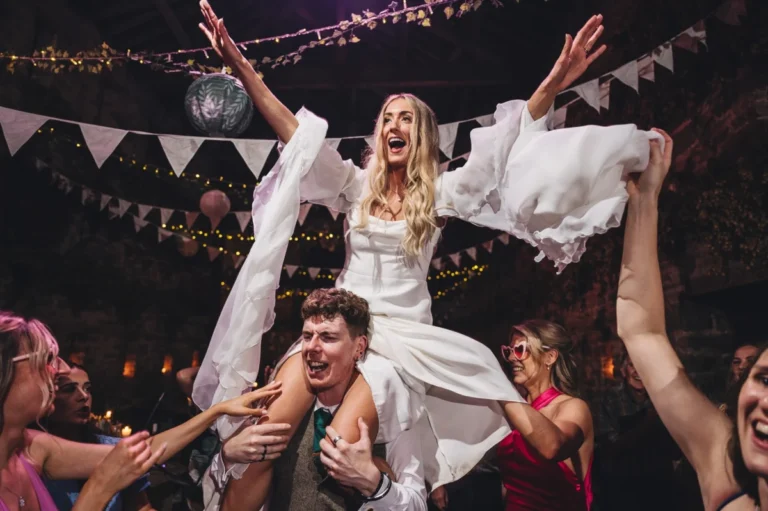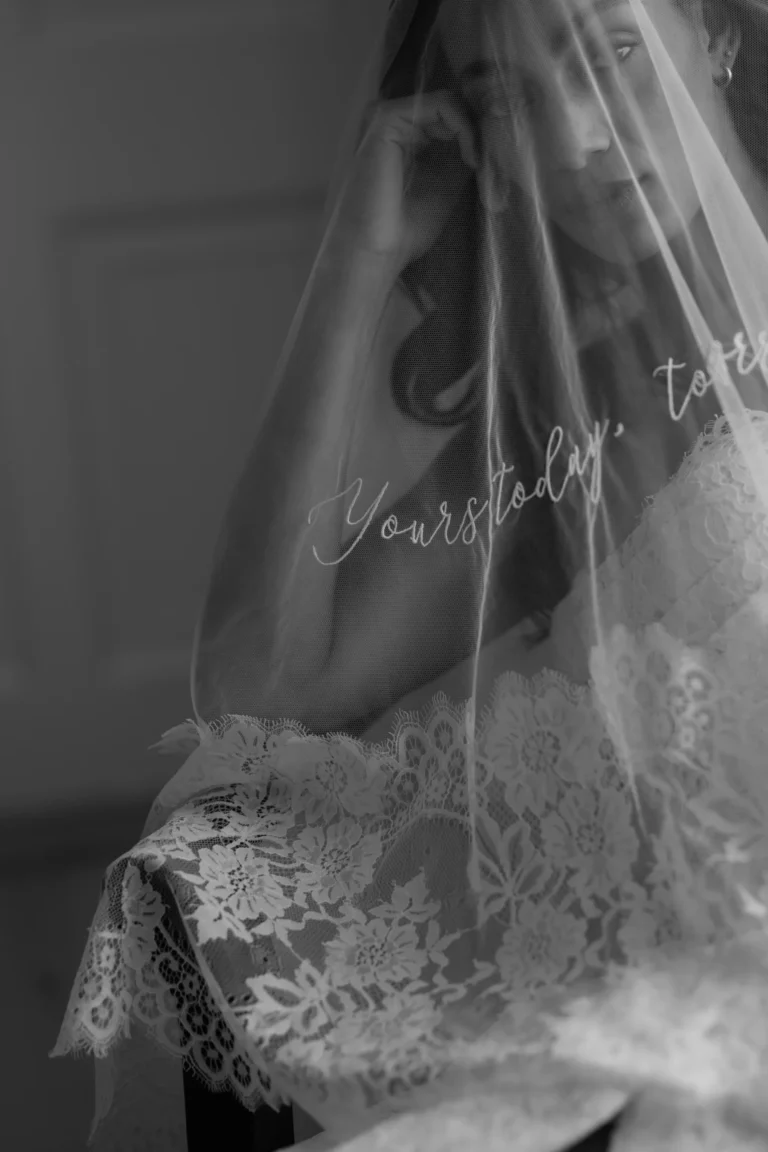






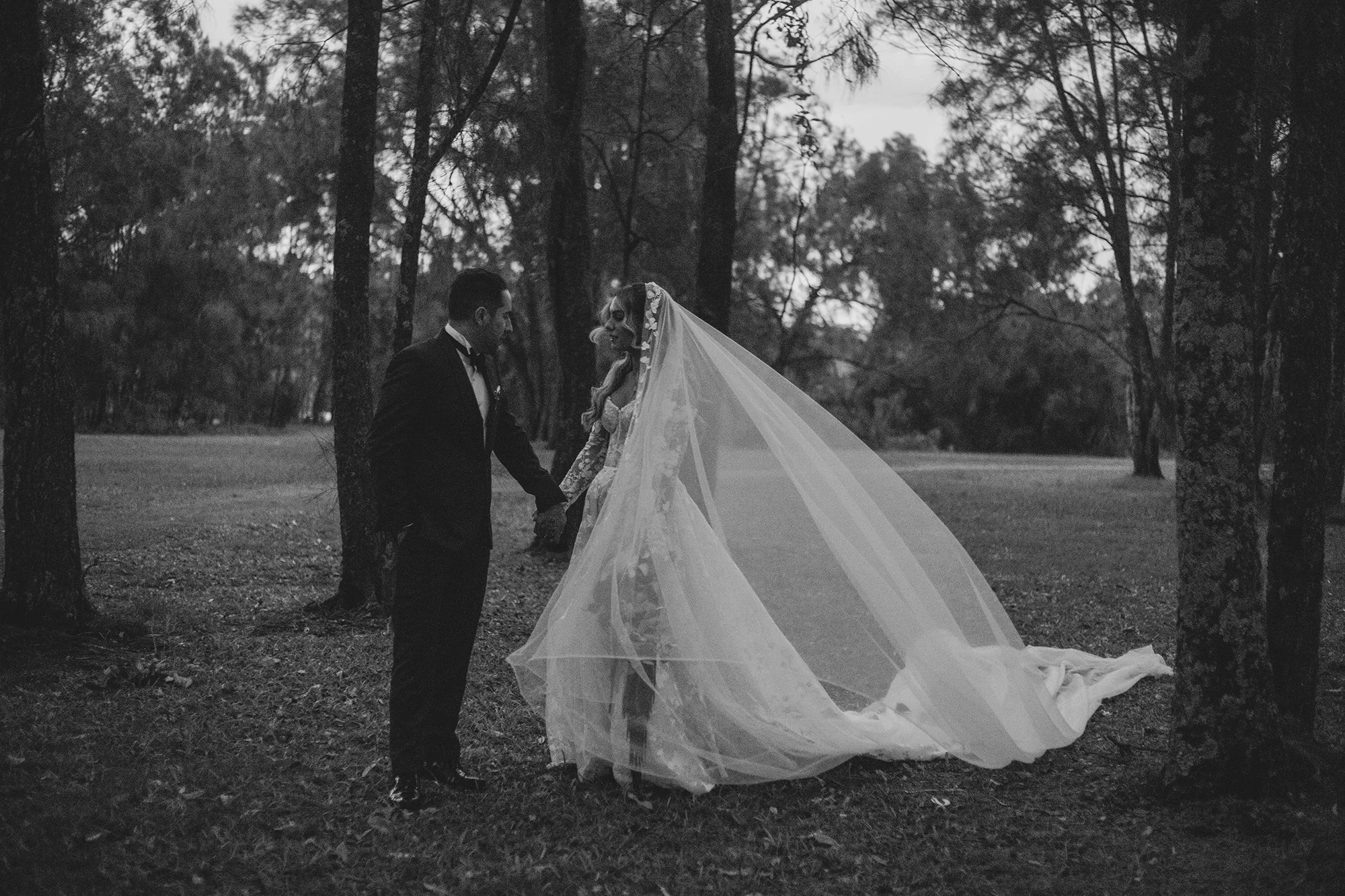
The wedding photography industry is currently experiencing a significant shift toward the integration of traditional analogue formats, such as 35mm film and Super 8 motion pictures, as couples increasingly seek a more authentic and emotive aesthetic for their nuptials. At the forefront of this movement is Lisa Noble, the founder of the Australian-based studio The Light Photo & Film. By blending the precision of digital photography with the nostalgic, tactile quality of film, Noble has established a niche for couples who prioritize artistic storytelling over conventional, highly staged wedding imagery.
The Evolution of Wedding Documentation
In the last decade, the global wedding industry has undergone a technological transformation. While high-resolution digital cameras became the industry standard in the early 2000s, the recent resurgence of film photography represents a cultural reaction against the "perfectly polished" digital aesthetic. According to recent market reports, there has been a steady increase in demand for hybrid photography packages—those that offer both digital efficiency and the unique grain and color science associated with 35mm film.
This trend reflects a broader consumer desire for permanence and depth. In an era of ephemeral digital content, physical film is perceived as an archival, artistic choice. Noble’s work serves as a case study for this shift, utilizing a hybrid methodology that provides clients with the technical reliability of digital capture alongside the evocative, cinematic qualities of film and the movement-based storytelling of Super 8 film.
A Chronology of Approach and Philosophy
The philosophy behind The Light Photo & Film is rooted in the belief that photography is a collaborative process rather than a transactional service. The studio’s operational model is defined by a rigorous focus on pre-wedding consultation and relationship building.
Historically, the relationship between a photographer and a couple was often limited to the day of the event. Modern practitioners, however, are shifting toward a consultative model. For Noble, this begins long before the ceremony, focusing on understanding the couple’s personal narrative. By fostering trust, the photographer is able to navigate the wedding timeline—which often involves high-stress moments—with a degree of invisibility that allows for candid, unscripted documentation. This approach addresses a common pain point in wedding planning: the anxiety surrounding being photographed. By removing the pressure to "perform," the focus shifts to the genuine interaction between the subjects.
Supporting Data and Market Trends
Industry analysis indicates that the "experience economy" is the primary driver for modern wedding planning. Couples are allocating a larger percentage of their total budget to service providers who offer a personalized experience rather than just a commodity.
Data regarding photographer selection criteria suggests that:
- 72% of couples prioritize "emotional connection" and "personality fit" when choosing a vendor for their wedding day.
- 45% of couples are opting for hybrid photography services that include video components, such as Super 8 or documentary-style clips.
- 60% of professional photographers surveyed in the luxury market have reintroduced or expanded their film photography offerings in response to client demand for a more "timeless" look.
Noble’s work aligns with these statistics by emphasizing the "humanity" of the event. The studio’s reliance on 35mm film—which is inherently more expensive and labor-intensive than digital—signals to clients a high level of intentionality and craftsmanship.
Professional Insights and Methodological Framework
The core of Noble’s professional methodology rests on the balance between guidance and observation. In an interview regarding her artistic process, she noted that the most successful images often arise from "nuance," a quality that cannot be forced by rigid posing instructions.
"The person behind the lens is the one to carve out the scenes that will be immortalized as your wedding," says Noble. This statement highlights a key industry distinction: the difference between a technician who captures an event and an artist who interprets it. For the industry, this underscores the importance of soft skills—emotional intelligence, observation, and adaptability—as essential professional assets for wedding photographers.
The technical implications of this approach are significant. Using Super 8 film requires a deliberate, discerning eye, as each roll of film is finite and requires careful handling. This forces a shift from the "spray and pray" method of digital photography—where thousands of images are taken—to a more curated, deliberate process. This curation adds value to the final product, providing couples with a gallery that feels like a cohesive narrative rather than a collection of disconnected shots.
Broader Impact on the Wedding Industry
The rise of studios like The Light Photo & Film indicates that the future of wedding documentation is trending toward documentary-style storytelling. This movement has several implications for the broader industry:
- Shift in Equipment Standards: The return of analogue equipment is prompting a re-evaluation of technical standards. Photographers are now expected to be proficient in both modern digital software and the complexities of chemical film development.
- Increased Emphasis on Soft Skills: As couples seek more personal experiences, the personality and "vibe" of the photographer are becoming as important as their portfolio. This has led to a more competitive landscape where branding and personal storytelling are paramount.
- Sustainability and Value: The move toward film, while more costly, aligns with a shift away from "fast fashion" weddings. Couples are increasingly choosing fewer, more meaningful elements, and this ethos is extending to how they document their commitment.
The Role of Trust in Professional Services
When a couple selects a photographer, they are essentially inviting a stranger into their most private, vulnerable, and significant moments. The technical ability to operate a camera is the baseline requirement; the true differentiator is the ability to maintain composure during the inevitable fluctuations of a wedding day.
Noble emphasizes that the most common mistake couples make is failing to evaluate the photographer’s temperament. Her experience suggests that a photographer who blends seamlessly into the background—or, as one client noted, "feels like part of the family"—is able to capture the authentic, raw humanity of the occasion. This human-centric approach is becoming the gold standard for high-end wedding photography.
Conclusion: The Legacy of Captured Moments
Ultimately, the value of a wedding photographer is measured by the longevity of the images produced. By prioritizing the "humanity of the day"—the laughter, the chaos, the quiet stolen moments, and the genuine emotion—photographers like Lisa Noble are creating a visual legacy.
As the industry continues to evolve, the demand for this blend of artistry, technical proficiency, and emotional resonance is unlikely to wane. For couples, the decision to invest in a photographer who views their day through the lens of history and art, rather than just as a series of events to be recorded, is a decision that impacts the way they remember their union for generations to come. The success of The Light Photo & Film demonstrates that in a digital world, the most enduring images are those that capture the essence of the human experience.